Bbq Ribs on Gas Grill with Honey Glaze
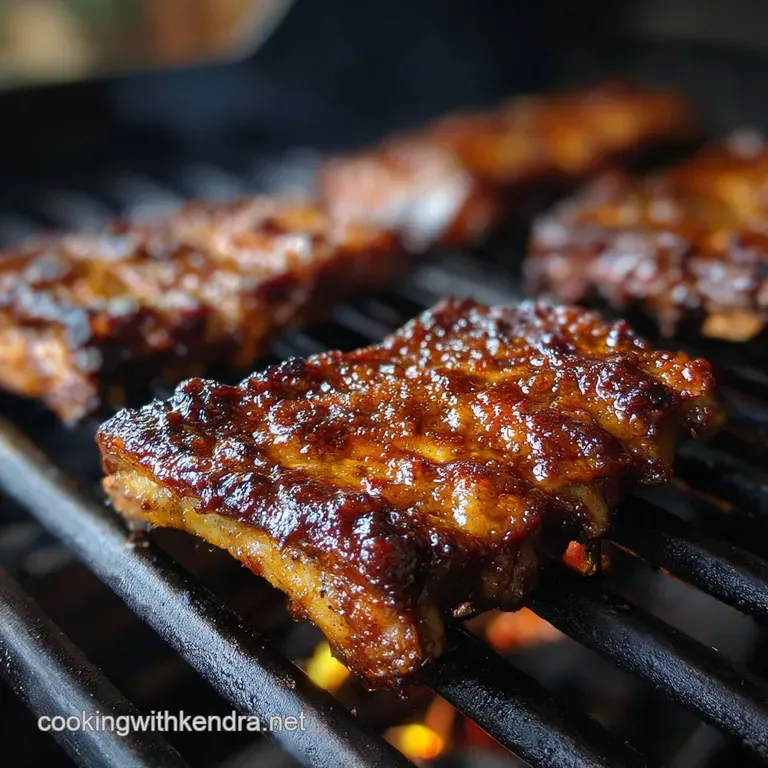
- Time: Active 20 mins, Passive 2 hours 45 mins, Total 3 hours 5 mins
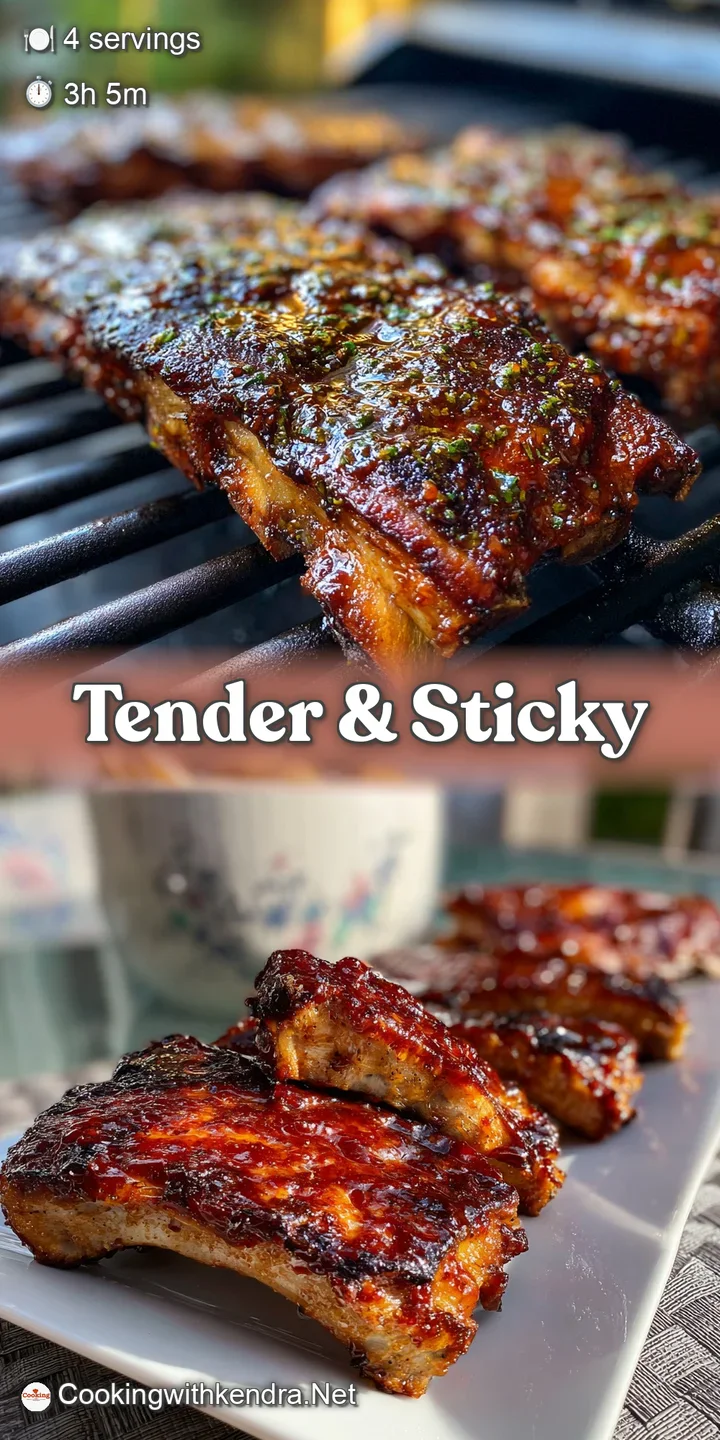
- Flavor/Texture Hook: Shatter crisp bark with a velvety, honey bourbon glaze
- Perfect for: Weekend family gatherings and backyard summer celebrations
- Mastering BBQ Ribs on Gas Grill with Honey Glaze
- The Science of Succulent Ribs
- The Numbers Behind the BBQ
- The Flavor Building Blocks
- Must Have Tools for Success
- From Prep to the Plate
- Avoiding Common Grilling Mistakes
- Creative Rib Flavor Twists
- Keeping Leftovers Fresh and Juicy
- Plating for Maximum Visual Appeal
- Critical High in Sodium
- Recipe FAQs
- 📝 Recipe Card
Mastering BBQ Ribs on Gas Grill with Honey Glaze
There is a specific kind of magic that happens when the sun starts dipping low and the smell of rendered pork fat begins to mingle with the sweet, floral scent of honey. I remember the first time I tried to make ribs on a gas grill; it was a total disaster because I treated it like a burger and scorched the poor meat to a crisp within twenty minutes.
I stood there with my tongs, looking at two racks of charcoal, realizing that high heat is the enemy of a good rib. Get ready for mouthwatering BBQ Ribs on Gas Grill with Honey Glaze using this simple recipe.
The secret I learned, through many sticky fingered trials, is all about creating a little "oven" inside your grill. We aren't just grilling; we're essentially slow roasting with a kiss of flame.
When that honey glaze finally hits the warm meat and starts to bubble and tack up, it creates this glossy, mahogany finish that makes everyone at the table go quiet. It’s the kind of meal that requires extra napkins and zero ego.
We've all been there staring at a grill wondering if we're doing it right. But trust me, once you see that meat start to pull back from the bone and smell that bourbon infused steam rising from the foil, you’ll know you’ve nailed it.
We are going to build layers of flavor from the dry rub all the way to that triple glazed finish, ensuring every single bite is better than the last.
The Science of Succulent Ribs
The Physics of the Bark: The dry rub creates a localized dehydration on the surface of the meat, forming a flavorful crust known as "bark" while the internal connective tissue breaks down. This prevents the interior from drying out during the long cook.
Honey Glaze Viscosity: Honey acts as a humectant, drawing moisture toward the surface while its natural sugars undergo caramelization at exactly 320°F. This creates the signature "sticky" texture that clings to the pork rather than dripping off.
Collagen Transformation: Holding the ribs at a steady indirect temperature allows tough collagen to melt into silky gelatin. This process is what creates that sought after "fall off-the bone" tenderness without making the meat mushy.
| Method | Total Time | Texture | Flavor Profile |
|---|---|---|---|
| Classic Slow | 3 hours 5 mins | Fall off-the bone | Deep, smoky, layered |
| Fast Grilling | 45 minutes | Chewy/Tough | Charred, superficial |
| Fast Classic Hybrid | 2 hours | Tender firm | Sweet, spicy, balanced |
The table above shows why we commit to the clock. While a fast grill might get dinner on the table sooner, it misses the window where the fats truly render and the honey glaze sinks into the fibers of the meat.
Taking that extra time ensures the bourbon and soy sauce in our glaze have time to mellow and marry with the pork.
The Numbers Behind the BBQ
Success in barbecue often comes down to hitting your marks. I’ve found that being precise with your temperature and timing is the difference between a "good" rib and the kind of rib people talk about for three summers straight. We aren't just guessing here; we're using heat to transform the meat.
| Component | Science Role | Pro Secret |
|---|---|---|
| Dark Brown Sugar | Caramelization & Color | Pat it firmly into the meat to create a seal. |
| Apple Cider Vinegar | Acidic Tenderizer | Breaks down surface proteins for better rub penetration. |
| Bourbon | Solvent for Aromatics | The alcohol carries flavor molecules deeper into the pork. |
| Honey | Glaze Structure | Use clover honey for a neutral, clean sweetness. |
Getting the temperature right on a gas grill can be tricky because every model has its own "hot spots." I usually recommend a 2 zone setup where you keep one side completely off. This allows the heat to circulate around the ribs like a convection oven, preventing the bottom from becoming a burnt mess while the top stays raw.
The Flavor Building Blocks
To get that deep, Southern style flavor, we need to be specific about our ingredients. Don't just grab any old paprika; the smoked version is what gives us that "pit master" taste without needing an actual wood fired smoker.
- 2 racks Baby Back Pork Ribs: Look for "meaty" racks with good marbling. Why this? They cook faster and are more tender than spare ribs.
- Substitute: St. Louis Style Ribs (Add 45 mins to cook time).
- 1/4 cup Dark brown sugar: Provides the base for our bark. Why this? Molasses content adds deep caramel notes and better color.
- Substitute: Light brown sugar or coconut sugar.
- 2 tbsp Smoked paprika: The secret to that deep red color.
- Substitute: Regular paprika plus 1 drop of liquid smoke.
- 1 tbsp Kosher salt: Enhances all other spices.
- Substitute: Sea salt (use slightly less if fine grained).
- 1 tbsp Coarse black pepper: Adds a necessary bite to cut the sweetness.
- Substitute: White pepper for a more subtle heat.
- 1/2 cup Honey: The star of our sticky glaze. Why this? Provides the perfect "tack" and glossy shine.
- Substitute: Maple syrup (will be thinner/less sticky).
- 2 tbsp Bourbon: Adds a woody, complex finish.
- Substitute: Apple juice or dark rum.
- 1/4 cup Apple juice: Used in the wrap to provide steam.
- Substitute: Pineapple juice for a tropical twist.
- 2 tbsp Unsalted butter: Adds a velvety mouthfeel to the finished ribs.
- Substitute: Ghee or margarine.
| Original Ingredient | Substitute | Why It Works |
|---|---|---|
| Bourbon (2 tbsp) | Apple Juice (2 tbsp) | Maintains moisture without the alcohol. Note: Lacks the smoky depth of bourbon. |
| Sriracha (1 tsp) | Cayenne (1/4 tsp) | Provides heat. Note: Loses the vinegary tang of the sauce. |
| Soy Sauce (1 tbsp) | Tamari (1 tbsp) | Same salty umami. Note: Makes the recipe gluten-free. |
Using the right salt matters more than you think. I always reach for Kosher salt because the larger grains are easier to sprinkle evenly, and they don't dissolve instantly, which helps in forming that beautiful crust we're looking for.
Must Have Tools for Success
You don't need a thousand dollar setup to make world class ribs, but a few specific items make the process much smoother. My biggest mistake early on was trying to do this with just a pair of flimsy tongs. You need a bit more leverage when you're flipping two pound racks of meat.
A good instant read thermometer is your best friend. While we often cook ribs by "feel" or visual cues, knowing exactly where your grill temperature sits is vital. Most built in grill thermometers are notoriously inaccurate because they sit too high up in the lid.
If you can, place a probe right on the grate where the meat lives.
- Gas Grill: Must have at least two burners for indirect cooking.
- Heavy Duty Aluminum Foil: Essential for the "wrap" phase to lock in moisture.
- Small Saucepan: For simmering the honey glaze until it thickens.
- Basting Brush: Silicone works best for thick, sticky glazes.
- Sharp Boning Knife: To remove the silver skin membrane from the back.
Chef's Tip: If your grill doesn't have a built in thermometer, you can test the heat by holding your hand 5 inches above the grate. If you can hold it there for 5-7 seconds, you're at the perfect "low" heat (about 250-275°F).
From Prep to the Plate
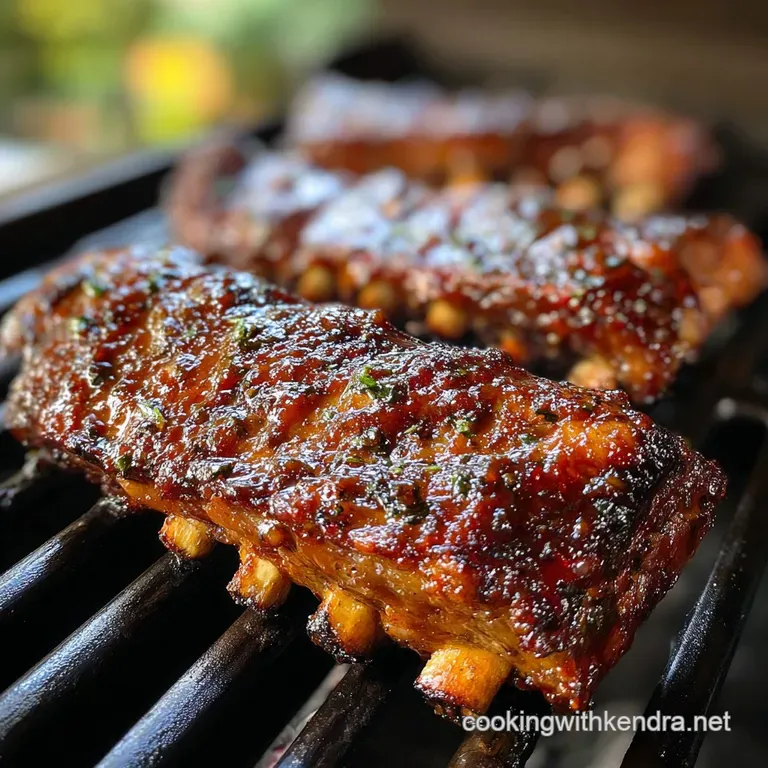
Alright, let's get into the heart of it. This process is about patience. We are going to treat these ribs with respect, starting with the prep and ending with that glorious, glistening glaze.
The Membrane Removal Phase
- Remove the membrane. Slide a dull knife under the white skin on the back of the bones and pull it off with a paper towel for grip. Note: This allows the rub and smoke to penetrate the meat.
- Apply the rub. Mix the brown sugar, paprika, salt, pepper, garlic powder, onion powder, and cayenne; pat it firmly onto all sides of the ribs.
Setting Up the Heat
- Preheat the grill. Turn on one side of your gas grill to medium high and leave the other side off, aiming for an internal grill temp of 275°F.
- Initial sear less cook. Place the ribs on the "off" side of the grill, bone side down, and close the lid. Cook for 90 minutes until the bark is set.
The Tenderizing Wrap Phase
- Prepare the foil. Lay out two large sheets of heavy duty foil; place each rack on its own sheet.
- Add the liquids. Top the ribs with the cubed butter and pour the apple juice into the foil before sealing it tightly. Note: This creates a steam chamber that tenderizes the meat rapidly.
- The braise. Return the foiled ribs to the indirect side of the grill. Cook for 60 minutes until the meat is tender.
The Triple Glaze Finish
- Simmer the glaze. In a saucepan, whisk together the honey, ACV, bourbon, soy sauce, minced garlic, and sriracha. Simmer for 5 minutes until thickened and glossy.
- The final set. Carefully remove the ribs from the foil and place them back on the grill. Brush generously with the honey glaze.
- Caramelize. Close the lid and cook for 15 minutes, brushing with more glaze every 5 minutes until the sauce is bubbling and tacky.
Avoiding Common Grilling Mistakes
Even the pros have "off" days where the ribs come out a little dry or the sugar burns. The key is knowing how to spot these issues before they ruin your dinner. If you're looking for a smaller bite for a party, you've got to try my Sticky BBQ Riblets recipe.
Why Your Ribs Are Tough
If your ribs feel like you're chewing on a tire, they simply haven't spent enough time in the "danger zone" where collagen breaks down. This usually happens if the grill temperature drops too low or if you skip the foil wrap phase. The wrap is crucial for baby backs because they don't have as much fat as spare ribs.
Why Your Glaze Burned
Sugar is a fickle friend on the grill. If you apply the honey glaze too early, the direct heat will turn those sugars into black carbon before the meat is actually done. Only apply your sauce in the last 15-20 minutes of cooking.
| Problem | Root Cause | Solution |
|---|---|---|
| Dry, crumbly meat | Overcooked in the wrap | Reduce wrap time by 15 mins next time. |
| Rub didn't stick | Meat was too dry | Lightly brush ribs with yellow mustard before rubbing. |
| No smoky flavor | Gas grill limitation | Use a foil pouch with wood chips on the burner. |
Common Mistakes Checklist
- ✓ Always remove the membrane (silver skin) or the ribs will be rubbery.
- ✓ Don't peek! Every time you open the lid, you lose 25 degrees of heat.
- ✓ Ensure the foil wrap is airtight to prevent the steam from escaping.
- ✓ Let the meat rest for 10 minutes before slicing to keep the juices inside.
- ✓ Use indirect heat; placing ribs directly over flames will burn the sugar.
Creative Rib Flavor Twists
Once you've mastered the basic honey glaze, the world is your oyster. You can tweak the flavor profile to match whatever you're serving. Since you're already firing up the grill, it's the perfect time to check out My Guide to recipe for the next time you have a big steak night.
Sticky Honey Garlic Ribs Recipe Twist
To lean into the garlic side of things, triple the minced garlic in the glaze and add a tablespoon of grated fresh ginger. This gives the ribs a more "Asian fusion" feel that pairs beautifully with a side of sesame slaw or grilled bok choy.
Hot Bourbon Honey Ribs
If you like a bit of a kick, increase the sriracha to a full tablespoon and add a pinch of crushed red pepper flakes to the dry rub. The heat from the pepper balances against the sweetness of the honey and the oaky notes of the bourbon for a truly complex bite.
Keeping Leftovers Fresh and Juicy
If you happen to have leftovers which is rare in my house you want to make sure you reheat them without turning them into jerky. The fridge is a dry environment, and pork can lose its luster quickly if not handled with care.
Storage: Store leftover ribs in an airtight container in the fridge for up to 4 days. For longer storage, wrap the racks tightly in plastic wrap and then foil, and freeze for up to 3 months.
Zero Waste: Don't throw away the bones! If you have several racks, you can simmer the bones with onions, carrots, and celery to make a smoky pork stock that is incredible for ramen or bean soups.
Any shredded leftover meat can be tossed into a grilled cheese sandwich or used as a topping for a "BBQ Loaded Potato."
Plating for Maximum Visual Appeal
We eat with our eyes first, especially when it comes to barbecue. To get that "magazine worthy" look, wait until the very last minute to do your final glaze. You want that honey to be glistening and catching the light.
When slicing, turn the ribs bone side up. This allows you to see exactly where the bones are so you can cut clean, even portions without hacking through the meat. Serve them on a large wooden board with a few sprigs of fresh parsley or some sliced green onions for a pop of color.
I love putting a small bowl of the extra glaze on the side for those who want to go "extra sticky."
Deciding Your Rib Style
- If you want a cleaner bite, skip the foil wrap and cook for 4 hours total at 250°F.
- If you want the meat falling off the bone, extend the foil wrap time by 20 minutes.
- If you want a spicy kick, add 1/2 tsp of chipotle powder to the dry rub.
BBQ Rib Myths Debunked
"Boiling ribs before grilling tenderizes them." This is a crime in the BBQ world! Boiling actually leaches out all the flavor and fat into the water, leaving you with gray, tasteless meat. The grill does all the work for us.
"The red color inside means it's undercooked." Not necessarily! In BBQ, a pinkish hue near the surface is actually the "smoke ring," a chemical reaction between the meat and the gases from the heat source. As long as your internal temp hits 190-203°F, you are perfectly safe.
"You must soak your wood chips for hours." Science actually shows that water soaked wood chips just produce steam until they dry out enough to smoke. It's better to use dry chips in a foil pouch for a more consistent, clean smoke flavor on your gas grill.
Critical High in Sodium
1840 mg mg of sodium per serving (80% % of daily value)
The American Heart Association recommends limiting sodium intake to about 2,300mg per day for overall health.
Sodium Reduction Tips for Your Ribs Recipe
-
Reduce Added Salt-25%
The recipe currently uses 1 tbsp of kosher salt, which is a significant source of sodium. Try reducing this to 1/2 tbsp or less to significantly lower the sodium content. You can always add more at the end if needed. Aim for 25% reduction.
-
Lower Sodium Soy Sauce-20%
Replace the regular soy sauce with a low-sodium or reduced sodium soy sauce alternative. This simple swap can significantly reduce the sodium content without sacrificing flavor. Aim for 20% reduction.
-
Adjust Honey-10%
Consider reducing the amount of honey used or opting for a lower sodium natural sweetener. This may require some testing to maintain desired sweetness, but can make a moderate reduction.
-
Spice It Up!
Emphasize other flavor elements by increasing the amounts of smoked paprika, garlic powder, onion powder, cayenne pepper, and sriracha. This can help compensate for reduced salt without losing the recipe's appeal.
-
Increase apple cider vinegar-5%
Apple cider vinegar adds nice acidity and can help balance out the flavors if less salt is used. Increase apple cider vinegar by 1/4 cup.
-
Fresh Herbs & Spices
Experiment with adding fresh herbs like thyme, rosemary, or oregano to enhance the flavor profile. These additions can create more complex flavors, making the recipe more enjoyable and less reliant on sodium.
Recipe FAQs
Can you put honey on ribs before grilling?
No, only near the end. Applying honey too early will cause the sugars to burn and scorch over the long cooking time required for tenderness.
How long does it take to grill ribs on a gas grill?
Plan for about 3 hours total cook time. This involves a long indirect heat phase (approx. 2.5 hours) followed by the final glazing phase to achieve the perfect texture.
When to put barbecue glaze on ribs?
Apply the glaze during the last 15 to 20 minutes of cooking. This allows the sugars to caramelize into a sticky coating without burning before the meat is fully tender.
Should I wrap ribs in foil on a gas grill?
Yes, wrapping is highly recommended for tenderness. Wrapping the ribs midway through cooking creates a moist, steamy environment that breaks down connective tissue far better than dry heat alone.
What temperature should my gas grill be for ribs?
Maintain an indirect cooking temperature between 250°F and 275°F. Use a two-zone fire setup on your gas grill, keeping the ribs over the unlit burners to mimic a smoker environment.
Why are my ribs tough even after 3 hours?
The internal temperature likely did not reach the gelatin rendering zone. You need sustained heat to melt tough collagen into soft gelatin; if you’re focused on a fast cook, master the technique in our Cowboy Pasta Salad recipe which relies on similar slow flavor infusion principles.
How do I get the glaze to stick without running off?
Brush on thin layers and let each layer tack up before reapplying. The glaze needs a slightly tacky surface from the previous layer to adhere properly, creating that thick, shiny mahogany crust.
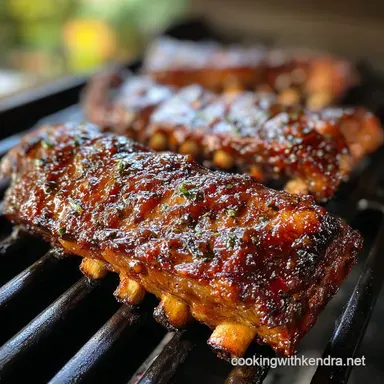
Honey Glazed Gas Grill Ribs
Ingredients:
Instructions:
Nutrition Facts:
| Calories | 812 kcal |
|---|---|
| Protein | 45 g |
| Fat | 47 g |
| Carbs | 53 g |
| Fiber | 1.5 g |
| Sugar | 49 g |
| Sodium | 1840 mg |
