Instant Pot Beef Stew: Tender and Hearty
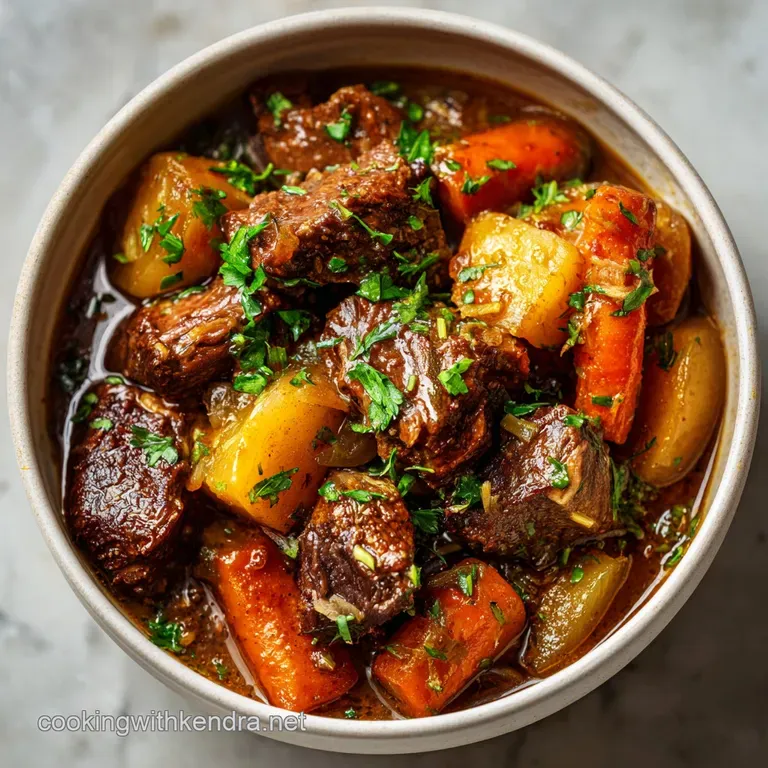
- Time: Active 20 minutes, Passive 45 minutes, Total 65 minutes
- Flavor/Texture Hook: Savory, velvety gravy with fall apart tender beef and buttery potatoes.
- Perfect for: Busy weeknight family dinners or cozy Sunday meal prep.
- How to Actually Nail This Instant Pot Beef Stew
- Essential Specs for a Successful Family Dinner
- Selecting Quality Elements for the Perfect Result
- Gathering Your Essentials and Choosing Substitutes
- Equipment Needed for Instant Pot Success
- From Prep to Plate: The Step-by-Step Guide
- Why Your Stew Might Need a Little Help
- Adjusting the Recipe for Different Groups
- Myths About Pressure Cooker Stews
- Storage Guidelines and Zero Waste Ideas
- Creative Twists and Swaps for Variety
- How to Serve and Enjoy Your Masterpiece
- Recipe FAQs
- 📝 Recipe Card
How to Actually Nail This Instant Pot Beef Stew
The second the beef hits the hot oil in the bottom of your pot, you’ll hear that distinct, aggressive sizzle that promises a world of flavor. That aroma of browning meat and cracked black pepper is what home cooking is all about.
I used to think a proper stew required me to be tethered to the stove for four hours on a Saturday, but the pressure cooker changed the game for my busy family. We’re talking about that thick, velvety gravy and beef that shatters at the touch of a fork, all achieved while you’re actually helping with homework or catching a breath.
The absolute hero of this dish isn't a fancy spice or a secret technique; it is the humble beef chuck roast. I’ve tried making this with leaner cuts like round or sirloin in a pinch, and I’m telling you now: don't do it.
Chuck roast is marbled with connective tissue and fat that, when subjected to the intense environment of an instant pot beef stew, transforms into a silky gelatin that coats every vegetable. It’s the difference between a dry, stringy dinner and a rich, soul warming bowl of comfort food.
We aren't just tossing things into a pot and hoping for the best. We’re building layers. From the way the flour dusted beef creates a natural thickener to the way the red wine lifts the browned bits off the bottom of the steel liner, every step has a purpose.
This is the meal that made my kids finally love carrots and convinced my husband that the "magic pot" was the best kitchen investment we ever made. Let's walk through how to get it right every single time without the stress.
Essential Specs for a Successful Family Dinner
Before we get our hands messy, let’s look at the logistics. Understanding the timeline helps you plan your evening so you aren't venting steam at 9:00 PM when everyone is already starving. This recipe is designed for a standard 6 quart or 8 quart pressure cooker, providing enough for six generous servings.
Internal Texture: The beef should reach an internal state where the muscle fibers slide apart easily. Because we are pressure cooking, we don't aim for a medium rare temp; we are aiming for the "breakdown" point where the meat is fully tenderized.
The Thicken Factor: We use a two pronged approach for the gravy. The initial flour coating on the beef provides the first layer of body, while the starch from the Yukon Gold potatoes releases slightly during the cook to finish the job.
If you find it's still too thin for your liking, I’ll show you a quick fix in the troubleshooting section later on.
Moisture Balance: We use exactly 720ml (3 cups) of beef bone broth. It might look like a lot of liquid initially, but remember that the vegetables will also release their own moisture as they soften under pressure. This creates a balanced ratio of "stuff" to "sauce."
| Cooking Method | Total Time | Beef Texture | Best Use Case |
|---|---|---|---|
| Instant Pot | 65 minutes | Silky and tender | Busy weeknights, quick prep |
| Stovetop | 3.5 hours | Very tender | Cold weekends, slow cooking |
| Slow Cooker | 8 hours | Shred ready | All day hands off cooking |
Using the pressure cooker gives us the best of both worlds: the speed of the stovetop with the deep, integrated flavor profile usually reserved for the slow cooker. It’s about working smarter in the kitchen so you can spend more time at the table.
Selecting Quality Elements for the Perfect Result
The success of your pot beef stew depends heavily on how the ingredients interact under high pressure. This isn't just about throwing food in; it's about understanding the role each component plays in the final architecture of the dish.
- The Beef Breakdown: Choose a 0.9 kg (2 lbs) chuck roast with plenty of white marbling. When those white streaks melt, they baste the meat from the inside out.
- The Liquid Foundation: Beef bone broth offers more body than standard stock because of the natural gelatin. If you use a basic stock, you might lose some of that "lip smacking" quality in the sauce.
- The Deglazing Agent: A dry red wine like Cabernet or Merlot is essential. The acidity cuts through the heavy fats of the beef, ensuring the stew tastes bright rather than just heavy.
- The Starch Choice: Yukon Gold potatoes are non negotiable for me. They hold their shape better than Russets, which tend to disintegrate into a grainy mush when pressure cooked for 35 minutes.
Liquid Equilibrium: The pressure cooker relies on steam. If you add too little liquid, you’ll get the dreaded "burn notice." If you add too much, you’ll end up with beef soup instead of a thick, hearty stew.
Fat Content: Avocado oil is my go to for the sear because it has a high smoke point. You want the pot screaming hot to get that dark crust on the beef without the oil breaking down and tasting bitter.
| Ingredient | Science Role | Pro Secret |
|---|---|---|
| Flour (30g) | Starch gelatinization | Creates a "roux" during the sear for automatic thickening. |
| Tomato Paste (30ml) | Glutamate boost | Sauté it until it darkens to unlock deep savory "umami" notes. |
| Red Wine (240ml) | Solvent/Acid | Dissolves the "fond" (brown bits) which contain the most flavor. |
| Chuck Roast (0.9kg) | Collagen source | High connective tissue turns to gelatin, providing a velvety mouthfeel. |
The way these ingredients behave changes when they are locked in a pressurized environment. For example, the garlic doesn't just soften; it practically dissolves into the sauce, infusing every drop with a mellow sweetness that you won't get from a quick simmer.
Gathering Your Essentials and Choosing Substitutes
When you’re standing in the grocery aisle, keep this list in mind. I’ve included some swaps because I know what it’s like to realize you’re out of one specific thing right when you’re ready to start.
- Beef Chuck Roast (0.9 kg / 2 lbs): Cut into 1.5 inch (4cm) cubes.
- Substitute: Bottom round or brisket. Why this? These cuts have enough toughness to survive the pressure without becoming mush.
- All Purpose Flour (30g / 1/4 cup): Used for dredging.
- Substitute: Cornstarch (use half the amount). Why this? It provides the same thickening power for gluten-free needs.
- Beef Bone Broth (720ml / 3 cups): The liquid base.
- Substitute: Beef stock plus 1 tsp soy sauce. Why this? The soy adds the missing depth of bone broth.
- Dry Red Wine (240ml / 1 cup): For deglazing.
- Substitute: Extra broth plus 1 tbsp balsamic vinegar. Why this? The vinegar mimics the wine's acidity and dark color.
- Yukon Gold Potatoes (450g / 1 lb): Chunked.
- Substitute: Red potatoes. Why this? They are waxy enough to stay intact during the long cook.
- Vegetables: 4 carrots, 2 ribs celery, 1 yellow onion, 4 cloves garlic.
- Pantry/Herbs: Tomato paste, Worcestershire sauce, rosemary, thyme, kosher salt, black pepper, avocado oil, and frozen peas.
| Original Ingredient | Substitute | Why It Works |
|---|---|---|
| Avocado Oil | Ghee or Lard | Both have high smoke points. Note: Ghee adds a subtle buttery richness to the sear. |
| Dry Red Wine | Beef Broth + 1 tsp Lemon Juice | Provides liquid and acidity. Note: Won't have the same color or "aged" depth. |
| Worcestershire Sauce | Soy Sauce + Dash of Sugar | Mimics the fermented, salty, and sweet profile. |
Choosing the right components is half the battle. If you're looking for another way to use up that beef, you might enjoy my Italian Beef Stew recipe which uses similar braising techniques but with a Mediterranean flair.
Equipment Needed for Instant Pot Success
You don't need a kitchen full of gadgets for this beef stew, but a few specific tools will make the process much smoother and prevent any mid cooking disasters.
First and foremost, you need a 6 quart or 8 quart electric pressure cooker (like an Instant Pot). Make sure your sealing ring is properly seated in the lid and is clean. A smelly ring from last night’s curry can actually infuse your stew with unwanted flavors, so I always keep a "savory" ring and a "sweet" ring separate.
You’ll also need a solid wooden spoon. This is vital for the deglazing step. Silicone spatulas are too soft to really scrape the bottom of the pot, and metal spoons can occasionally scratch the finish of non stick liners (though stainless steel liners are fine).
The goal is to get every single browned bit of flour and meat juice off the floor of the pot to prevent the "burn" warning.
Finally,, a large mixing bowl is needed to toss the beef in the flour. Don't try to do this in the pot; you want an even, light coating on every piece of meat before it hits the oil. A pair of long tongs is also helpful for flipping the beef cubes during the searing phase without splashing hot oil on your hands.
From Prep to Plate: The step-by-step Guide
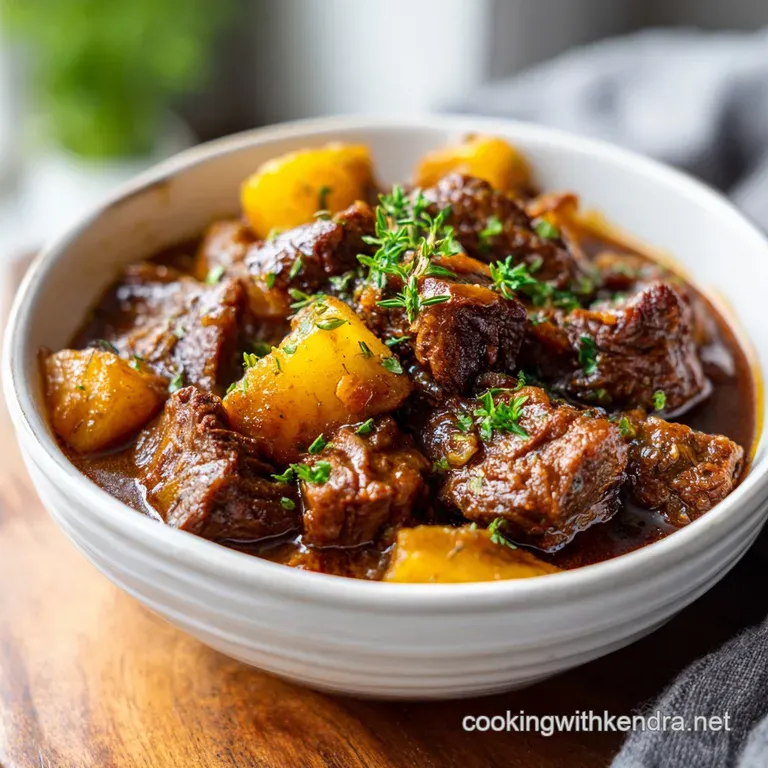
Follow these steps exactly to ensure your instant pot beef comes out perfectly. The order of operations is crucial here to maximize flavor and maintain the texture of the vegetables.
- Dredge the beef. Toss the 0.9 kg of beef cubes in the mixture of 30g flour, 1 tsp salt, and 1/2 tsp pepper. Note: This flour creates the base for our thick gravy.
- Sear in batches. Set the pot to 'Saute' (High). Add 45ml avocado oil and brown the beef. Cook 4 mins per side until a deep brown crust forms. Remove and set aside.
- Soften the aromatics. Add the diced onion and sliced celery to the pot. Sauté for 3-4 minutes until softened and translucent.
- Toast the paste. Stir in 4 cloves of minced garlic and 30ml tomato paste. Cook for 1 minute until the paste turns a deep brick red.
- Deglaze the pot. Pour in 240ml dry red wine. Use a wooden spoon to scrape all the browned bits (fond) off the bottom.Note: This step is essential to prevent the burn notice.
- Rebuild the stew. Return the beef to the pot. Add 720ml bone broth, 2 tbsp Worcestershire, and the rosemary and thyme sprigs.
- Layer the vegetables. Place the 450g of potatoes and sliced carrots on top. Do not stir them in deeply.Note: Keeping them on top prevents them from becoming overcooked mush.
- Pressure cook. Secure the lid. Set to 'Pressure Cook' (High) for 35 minutes.
- Release and finish. Allow a 10 minute natural release, then flip the valve for quick release. Remove herb sprigs and stir in 240ml frozen peas. Let sit for 2 minutes until peas are bright green and tender.
Chef's Tip: If you have an extra five minutes, let the beef sit in the flour for a moment before searing. This allows the flour to "tack" onto the meat, ensuring it doesn't just fall off in the oil and burn.
Why Your Stew Might Need a Little Help
Even with a great instant pot beef stew recipe, things can go sideways. The most common issue people face is the "Burn Notice" or a sauce that feels more like water than gravy. Let's look at how to fix those issues on the fly.
Fixing the "Burn" Notice
If your pot starts beeping and displays "BURN," it usually means there is a piece of meat or flour stuck to the bottom of the liner that is overheating. Don't panic. Quickly release the pressure, open the lid, and add half a cup of water or broth.
Use your wooden spoon to vigorously scrape the bottom until it feels smooth. This usually happens if the deglazing step wasn't thorough enough.
Why Your Stew Is Too Thin
Sometimes, the vegetables release more water than expected, leaving you with a thin broth. To fix this, you can use a cornstarch slurry (1 tbsp cornstarch mixed with 1 tbsp cold water) and stir it into the boiling stew using the 'Saute' function for 2-3 minutes. For a more traditional fix, you can check out my tips on making a Beef Gravy which uses a similar thickening principle.
Avoiding Tough Meat
If your beef is still tough after the timer goes off, it simply hasn't cooked long enough. Pressure cooking is magical, but every cow is different. If it’s not tender, put the lid back on and cook for another 5-10 minutes on High Pressure.
It's almost impossible to overcook chuck roast in a stew; it only gets better with more time.
| Problem | Root Cause | Solution |
|---|---|---|
| Burn Warning | Bits stuck to the bottom | Deglaze more thoroughly with wine/broth before pressure cooking. |
| Mushy Potatoes | Over stirring or wrong type | Use Yukon Golds and layer them on top of the meat, don't stir. |
| Bland Flavor | Not enough salt or acid | Add a splash of balsamic vinegar or more salt at the very end. |
Common Mistakes Checklist: - ✓ Always pat the beef dry with paper towels before flouring (helps with browning). - ✓ Never skip the searing step; it's where 80% of the flavor lives.
- ✓ Do not use "stew meat" packs from the store if you can avoid it they are often a mix of scraps that cook at different rates. - ✓ Ensure the sealing ring is properly installed or the pot won't come to pressure.
- ✓ Use a "Natural Release" for at least 10 minutes to prevent the beef from toughening up due to a sudden pressure change.
Adjusting the Recipe for Different Groups
Scaling a pressure cooker recipe isn't as simple as doubling everything. Because the Instant Pot depends on a specific ratio of liquid to create steam, you have to be careful when changing the volume.
Downsizing (Cutting in Half): If you are only cooking for two, you can halve the ingredients. However, you must still keep at least 240ml (1 cup) of liquid in the pot to ensure it reaches pressure.
The cooking time remains the same (35 minutes) because the thickness of the individual beef cubes hasn't changed. Use a smaller pot if you have one, or just be aware that the sauce may reduce slightly more.
Doubling the Batch: When doubling, do not double the liquid! You only need enough liquid to cover the meat about two thirds of the way. If you double the broth to 1.4 liters, you'll end up with a very thin soup. Also, be very careful not to exceed the "Max Fill" line on your inner pot.
Pressure cooking requires space for steam to build, and an overfilled pot can spray hot liquid out of the vent.
| If you want... | Then do this... |
|---|---|
| A thicker, richer sauce | Mash two of the cooked potatoes into the gravy at the end. |
| A lighter, soupier version | Add an extra cup of broth and skip the flour dredging. |
| More vegetables | Add parsnips or rutabaga along with the carrots. |
Myths About Pressure Cooker Stews
There are a lot of misconceptions about using an Instant Pot for traditional dishes. Let's clear a few up so you can cook with confidence.
Myth: You don't need to sear the meat. False. While the pressure cooker will cook the meat until it's tender, it cannot create the Maillard reaction (browning) that develops deep, complex flavors. Without searing, your stew will look grey and taste one dimensional.
The sear is where the "homemade" taste comes from.
Myth: Quick release is always better. False. If you flip the valve to "Quick Release" immediately after the 35 minutes are up, the sudden drop in pressure causes the moisture inside the beef to boil violently and escape. This leaves the meat dry and stringy.
Always give it at least 10 minutes of "Natural Release" to let the fibers relax.
Myth: You can't overcook vegetables in the Instant Pot. False. If you stir the carrots and potatoes into the bottom of the pot, they sit in the hottest zone and are crushed by the weight of the meat. Layering them on top allows them to steam perfectly while the beef braises below.
Storage Guidelines and Zero Waste Ideas
One of the best things about this this recipe is how well it keeps. In fact, many people (myself included!) think it tastes better on day two once the starches and fats have fully melded.
In the Fridge: Store leftovers in an airtight container for up to 4 days. When reheating, do it gently on the stove over medium low heat. You might need to add a splash of water or broth to loosen the gravy, as it will thicken significantly when cold.
In the Freezer: This stew freezes beautifully for up to 3 months. I recommend freezing it in individual portions. To reheat, thaw overnight in the fridge and then warm it up. Avoid microwaving from frozen, as the potatoes can become a bit grainy.
Zero Waste Tip: If you have leftover gravy but no meat or veggies left, don't toss it! That liquid gold is packed with flavor. Use it as a base for a Beef Barley Soup or pour it over a pile of mashed potatoes the next day. You can even freeze the leftover gravy in ice cube trays to drop into other sauces for an instant umami boost.
Creative Twists and Swaps for Variety
Once you've mastered the classic version, you can start playing with the flavors to keep things interesting for your family.
- The Mushroom Variation: Replace the celery with 250g of halved cremini mushrooms. Sauté them with the onions until they are golden brown. They add a deep, earthy note that pairs perfectly with the red wine.
- The Guinness Twist: Swap the red wine for a bottle of Guinness Draught. This creates a "Dublin Coddle" style flavor profile that is slightly more bitter and incredibly hearty.
- gluten-free Transformation: Use a gluten-free flour blend for dredging or skip the flour entirely and use a cornstarch slurry at the very end to thicken the sauce.
- The Spice Boost: Add 1 tsp of smoked paprika or a pinch of red pepper flakes to the flour mixture. It doesn't make it "spicy" in the traditional sense, but it adds a warmth that is perfect for the coldest winter nights.
If you love the idea of a slow cooked feel but want a different starch, you might try my Crockpot Beef and Potatoes which offers a similar comfort food vibe with a different prep flow.
How to Serve and Enjoy Your Masterpiece
The beauty of a hearty beef stew is that it's a complete meal on its own, but the right pairings can take it from a simple weeknight dinner to something truly special.
I almost always serve this with a side of crusty sourdough bread. You need something to mop up every last drop of that velvety gravy. If you're feeling extra indulgent, a side of honey glazed rolls is also a huge hit with the kids.
Because the stew is quite heavy, I usually balance the table with a bright, crisp green salad tossed in a simple lemon vinaigrette.
When plating, make sure everyone gets a good mix of the fork tender beef, the soft potatoes, and those bright green peas. Garnish with a little fresh parsley if you want to feel fancy, but honestly, the aroma coming off the bowl is usually enough to get everyone to the table without a second call.
This is family cooking at its best simple, honest, and incredibly satisfying.
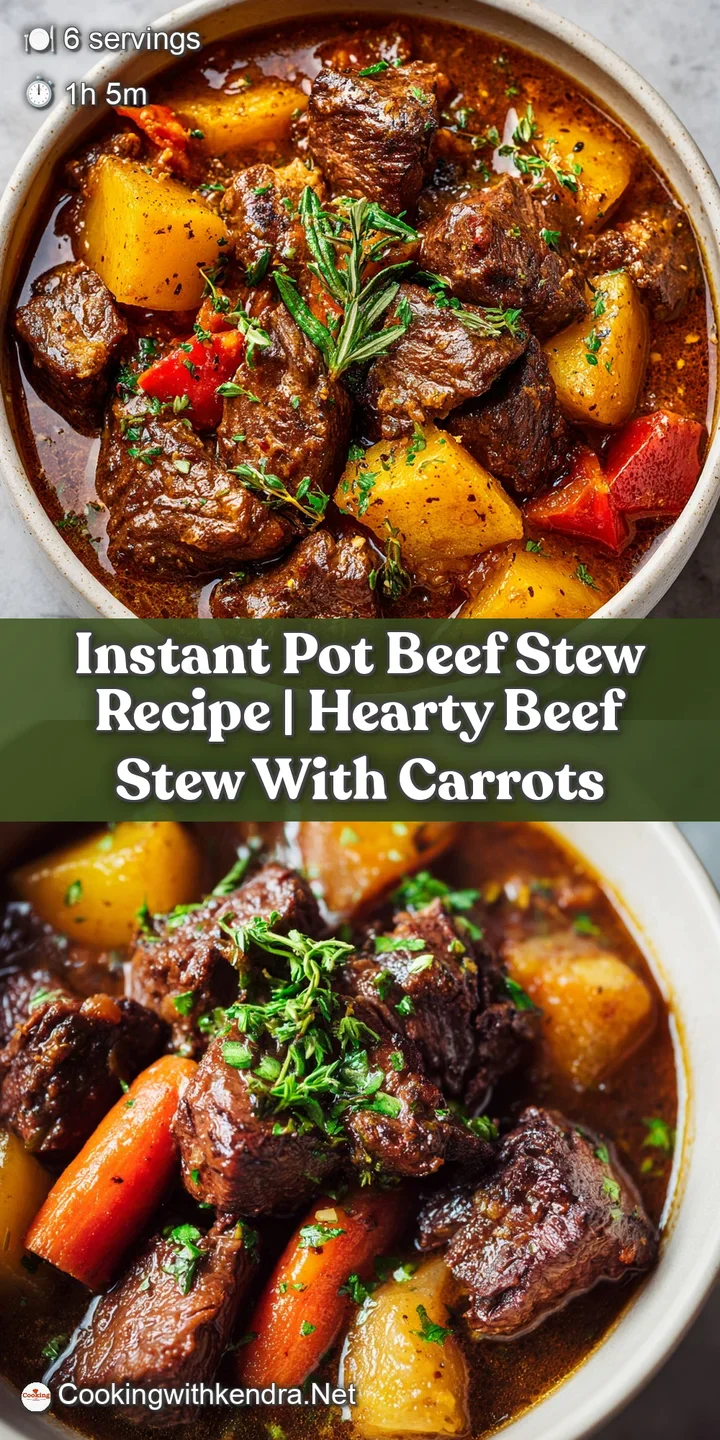
Recipe FAQs
How long do you cook beef stew in the Instant Pot?
Pressure cook for 45 minutes on High. This duration, paired with a 10-minute natural pressure release, ensures the beef chuck reaches fork tender consistency without turning the vegetables to mush.
Is beef stew better in Instant Pot or slow cooker?
The Instant Pot is superior for texture and time. It provides the same deep flavor development as a slow cooker but completes in 65 minutes total, whereas a slow cooker requires hours of simmering to achieve similar results.
Why is my stew meat tough in Instant Pot?
The meat was likely not seared properly or the pieces were cut too small. If you enjoyed the deep flavor profile from properly caramelizing the fond here, see how that same searing principle elevates our rich bolognese sauce.
What is the best cut of meat for Instant Pot stew?
Beef chuck roast is the gold standard. Its high fat and connective tissue content break down under pressure, resulting in succulent, tender bites that lean cuts cannot replicate.
Can I keep the leftovers for later?
Yes, store them in an airtight container for up to 4 days. The flavors continue to meld in the refrigerator, often making the stew taste even better on the second day.
How to avoid mushy vegetables in the stew?
Layer the potatoes and carrots on top of the beef. Keeping them away from the base of the pot prevents them from overcooking during the 35-minute pressure cycle.
Is it true that I should stir the vegetables in before cooking?
No, this is a common misconception. Forcing the vegetables into the liquid will cause them to disintegrate; keeping them layered on top is the best technique to preserve their structure.
Instant Pot Beef Stew
Ingredients:
Instructions:
Nutrition Facts:
| Calories | 638 kcal |
|---|---|
| Protein | 40.5 g |
| Fat | 34.8 g |
| Carbs | 32.4 g |
| Fiber | 4.6 g |
| Sugar | 6.2 g |
| Sodium | 765 mg |
