Long Grain Rice: Fluffy Grains
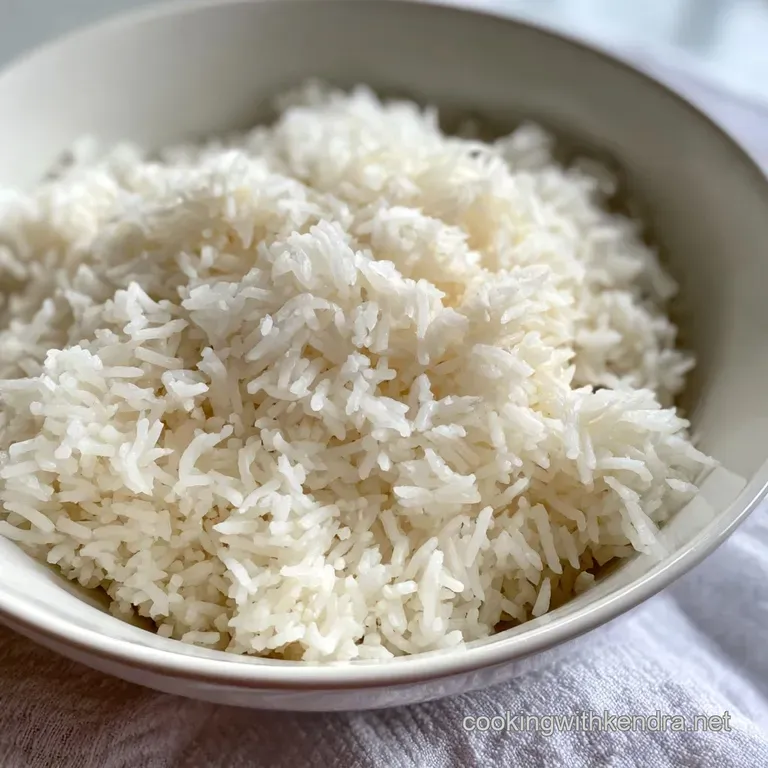
- Time: Active 5 minutes, Passive 25 minutes, Total 30 minutes
- Flavor/Texture Hook: Light, airy grains with a clean, nutty finish
- Perfect for: Busy weeknights, meal prep batches, and budget-friendly side dishes
- Flawless Techniques for Long Grain Rice
- The Science of Why it Works
- Essential Recipe Specifications
- Core Ingredients and Key Components
- Required Kitchen Tools and Equipment
- Detailed Step by Step Instructions
- Fixing Common Grain Texture Problems
- Simple Plant Based Diet Adaptations
- Storage and Zero Waste Methods
- Flavorful Pairing and Serving Ideas
- Recipe FAQs
- 📝 Recipe Card
Flawless Techniques for Long Grain Rice
We've all been there lifting the lid only to find a pot of "rice glue" that looks more like library paste than a side dish. I used to think I was cursed, honestly. But after ruining more pots than I care to admit, I realized the difference between a clumped up disaster and fluffy, individual grains comes down to a few simple physics tweaks we usually ignore in our hurry to get dinner on the table.
This guide is about stripping away the guesswork so you can trust your pot every single time. We aren't just boiling seeds here; we're managing starch and steam to get that specific, elegant texture that pairs so well with a saucy stir fry or a hearty stew.
It's the kind of reliable staple that makes you feel like a pro even when you're just throwing together a quick meal after work.
Trust me, once you stop eyeball measuring the water and start using these specific checkpoints, you'll never look back. We are aiming for grains that are tender but offer a slight, satisfying bite what the pros call "al dente," though we just call it "not mushy" around my house.
Let's get into the nitty gritty of why this works.
The Science of Why it Works
Starch Management: Rinsing removes the excess surface amylopectin that otherwise causes grains to bond together during the gelatinization phase. Lipid Coating: Adding oil or fat creates a thin hydrophobic barrier around each grain, physically preventing them from sticking as the starches swell.
Controlling Surface Starch
Long grain varieties are naturally high in amylose, which helps them stay separate, but they still carry a "dust" of broken starch from the milling process. If you skip the rinse, that dust turns into a sticky gel the moment it hits hot water.
I always rinse until the water is clear, which is a total game changer for grain definition.
Optimizing the Water Ratio
The long grain rice water ratio is the most debated topic in the kitchen, but for this specific long grain rice, we use a 1:1.5 ratio (370g rice to 710ml water). This provides enough hydration for the grains to fully expand without leaving excess liquid that leads to over saturation and mushiness.
It’s a precise balance of evaporation and absorption.
Utilizing Residual Heat
The real magic happens after you turn the burner off. The "carryover" steam finishes the cooking process gently, allowing the moisture to distribute evenly from the outside of the grain to the core. If you serve it immediately, the outside will be wet and the inside might still be chalky.
Resting is not optional if you want that airy texture.
Essential Recipe Specifications
| Method | Time | Texture | Best For |
|---|---|---|---|
| Stovetop | 25 minutes | Soft and airy | Daily meals |
| Oven Baked | 35 minutes | Extremely distinct | Large batches |
| Rice Cooker | 30 minutes | Consistent/Hands off | Meal prepping |
Choosing the right path depends on your schedule. If I’m making a big Sunday dinner, I’ll often pop a tray in the oven so I don't take up a burner, but for a fast Tuesday night, the stovetop method is my go to.
Just remember that the oven method usually requires a tight foil seal to prevent the top layer from drying out and becoming crunchy.
Core Ingredients and Key Components
| Ingredient | Science Role | Pro Secret |
|---|---|---|
| Long Grain Rice | High Amylose structure | Store in a cool, dark spot to prevent the oils from going rancid over time. |
| Filtered Water | Hydration medium | Using filtered water prevents "off" flavors from chlorine or minerals in tap water. |
| Sea Salt | Flavor enhancer | Add to the water at the start so it penetrates the heart of the grain. |
| Olive Oil | Anti clumping agent | Toasts the grains slightly if added before water, adding a subtle nutty aroma. |
To make the most of these basics, I recommend looking at my Foolproof Fluffy Rice recipe for deeper insights on grain varieties. The quality of your rice matters; cheaper bags often have more broken kernels, which release more starch and make fluffiness harder to achieve.
Required Kitchen Tools and Equipment
- Heavy Bottomed Saucepan: A thick base prevents the bottom layer of this recipe from scorching before the top is steamed.
- Tight Fitting Lid: This is non negotiable for trapping the steam needed to finish the grains.
- Fine Mesh Strainer: Necessary for the rinsing process to ensure no grains escape down the drain.
- Wooden Spoon or Fork: Use a fork to "fluff" rather than stir, which preserves the grain structure.
For the Foundation
Having the right pot is half the battle. If your lid is a bit loose, you can place a clean kitchen towel between the pot and the lid to create a better seal just be careful with gas flames! I’ve used a heavy Dutch oven in a pinch, and it works beautifully because the heat retention is so stable.
Optional Flavor Boosters
While this is a vegetarian long grain rice recipe by default, you can easily swap the water for vegetable or chicken stock to add more depth. Adding a bay leaf or a few cardamom pods during the simmer adds a fragrance that will fill your whole kitchen without changing the fundamental cooking technique.
Detailed step-by-step Instructions
- Measure and weigh. Use 370g (2 cups) of long grain rice and 710ml (3 cups) of water. Note: Precision prevents soggy leftovers.
- Rinse thoroughly. Place grains in a strainer and run under cold water until the runoff is crystal clear.
- Toast with oil. Heat 1 tablespoon of olive oil in the pot over medium heat. Add the rice and stir for 2 minutes until the grains smell slightly nutty.
- Add liquid. Pour in the 710ml of water and 1 teaspoon of sea salt. Note: Adding salt now seasons the grain from the inside out.
- Initiate the simmer. Bring the mixture to a boil. Wait for large, popping bubbles to appear on the surface.
- Reduce and cover. Turn the heat to the lowest possible setting and cover tightly.
- Simmer steadily. Cook for 15 minutes without lifting the lid. Do not peek as it lets out the essential steam.
- Rest the pot. Remove from heat and let sit, covered, for 10 minutes. Note: This allows moisture to redistribute.
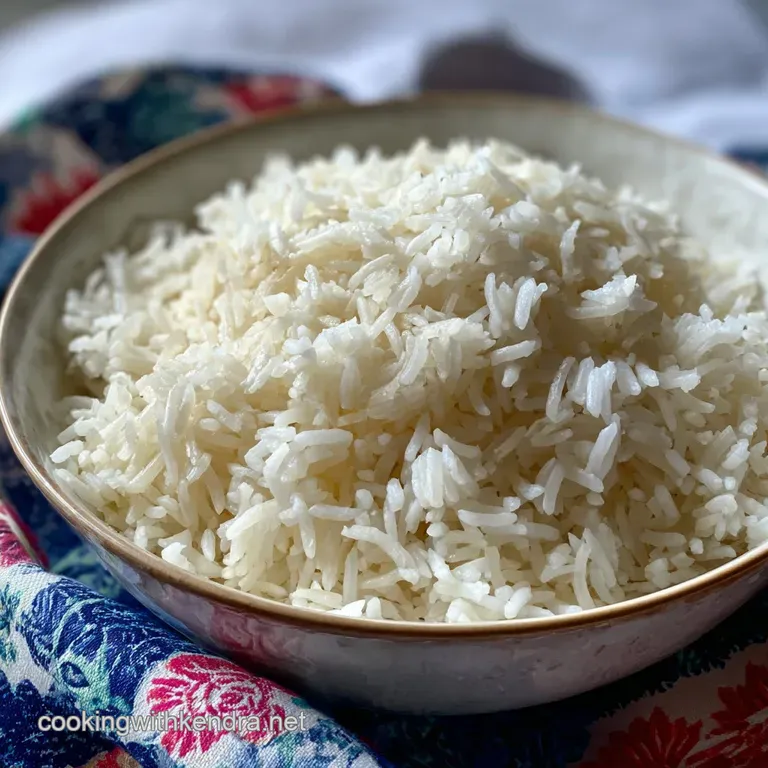
- Finishing the fluff. Remove the lid and use a fork to gently lift and separate the grains until they look light and airy.
Chef Tip: If you want an even deeper flavor, freeze your butter for 10 minutes and grate a small amount over the finished rice right before fluffing. It melts into the grains for a silky mouthfeel that beats plain oil every time.
Fixing Common Grain Texture Problems
Rescuing Crunchy Centers
If your rice is still hard after the timer goes off, it usually means the steam escaped or the heat was too high, evaporating the water too fast. Add 2 tablespoons of boiling water, put the lid back on, and let it sit on the lowest heat for another 5 minutes.
Salvaging Mushy Textures
Mushy rice is usually the result of too much water or over stirring. You can't "un cook" it, but you can save the meal. Spread the rice on a baking sheet and pop it in a 175°C oven for 5 minutes.
This dries out the surface moisture and can firm up the texture enough to be palatable.
| Problem | Root Cause | Solution |
|---|---|---|
| Burnt Bottom | Heat too high/thin pot | Use a heat diffuser or a heavier bottomed saucepan next time. |
| Clumping | Excess starch | Rinse more thoroughly next time or toast grains in oil longer. |
| Watery Top | Uneven steaming | Ensure the lid fits tightly; let rest longer before opening. |
Common Mistakes Checklist
- ✓ Skipping the rinse (this is the #1 cause of "rice glue").
- ✓ Peeking under the lid (you lose about 20% of your steam every time you look).
- ✓ Using a pot that is too small (grains need room to expand and breathe).
- ✓ Forgetting to rest (this step is just as important as the actual cooking).
- ✓ Stirring during the simmer (this breaks the grains and releases starch).
Simple Plant Based Diet Adaptations
This recipe is naturally a vegan long grain rice recipe, provided you stick with the olive oil. If you want to make it a more substantial vegetarian long grain rice recipe, consider adding a handful of toasted pine nuts or slivered almonds at the end for a protein boost and a satisfying crunch.
| Original Ingredient | Substitute | Why It Works |
|---|---|---|
| Extra Virgin Olive Oil | Virgin Coconut Oil | Adds a subtle tropical aroma. Note: Will slightly scent the kitchen. |
| Sea Salt | Tamari / Soy Sauce | Adds a salty, umami kick. Note: Will turn the rice a light brown color. |
| Filtered Water | Vegetable Broth | Deepens the flavor profile. Note: May require slightly less salt. |
If you are looking for a more "main event" feel, you can turn these grains into a Fried Rice recipe the next day. The structure of long grain rice is specifically suited for over high heat frying because the grains stay firm and separate even when tossed with sauces and veggies.
Storage and Zero Waste Methods
Storage: Store any leftover rice in an airtight container in the fridge for up to 4 days. When reheating, add a teaspoon of water and cover it to recreate that steam environment.
You can also freeze cooked rice in flat freezer bags for up to 3 months it's a massive time saver for future weeknight dinners.
Zero Waste: Never toss out that slightly too-dry rice at the bottom of the pot. Those crunchy bits are delicious if you fry them up with a little garlic and oil to make "rice crackers" or use them as a texture topping for soup.
If you have leftover stems from herbs like cilantro or parsley, toss them into the cooking water for a free flavor infusion.
Flavorful Pairing and Serving Ideas
This rice is a blank canvas. I love serving it under a rich curry or next to a piece of grilled fish. The way the individual grains soak up a sauce without turning into mush is what makes the long grain variety so superior for saucy dishes.
Decision Shortcut: If you want a Mediterranean vibe, stir in fresh lemon zest and chopped parsley after fluffing. If you want a nutty flavor, toast the dry rice in the oil until it turns golden brown before adding water.
If you want a fluffier result, add 1/2 teaspoon of lemon juice to the water; the acid helps keep the grains separate.
Honestly, don't even bother with low-fat substitutes for the oil if you want the best texture. The fat is what prevents the grains from becoming a solid block in the fridge. If you're planning to make a bowl style meal, this rice is the foundation. It's the same reliable technique I use in my Sticky Teriyaki Grilled recipe to ensure the bowl isn't just one giant lump of starch. Trust the process, keep the lid on, and enjoy those distinct, beautiful grains!
Recipe FAQs
What is long grain rice?
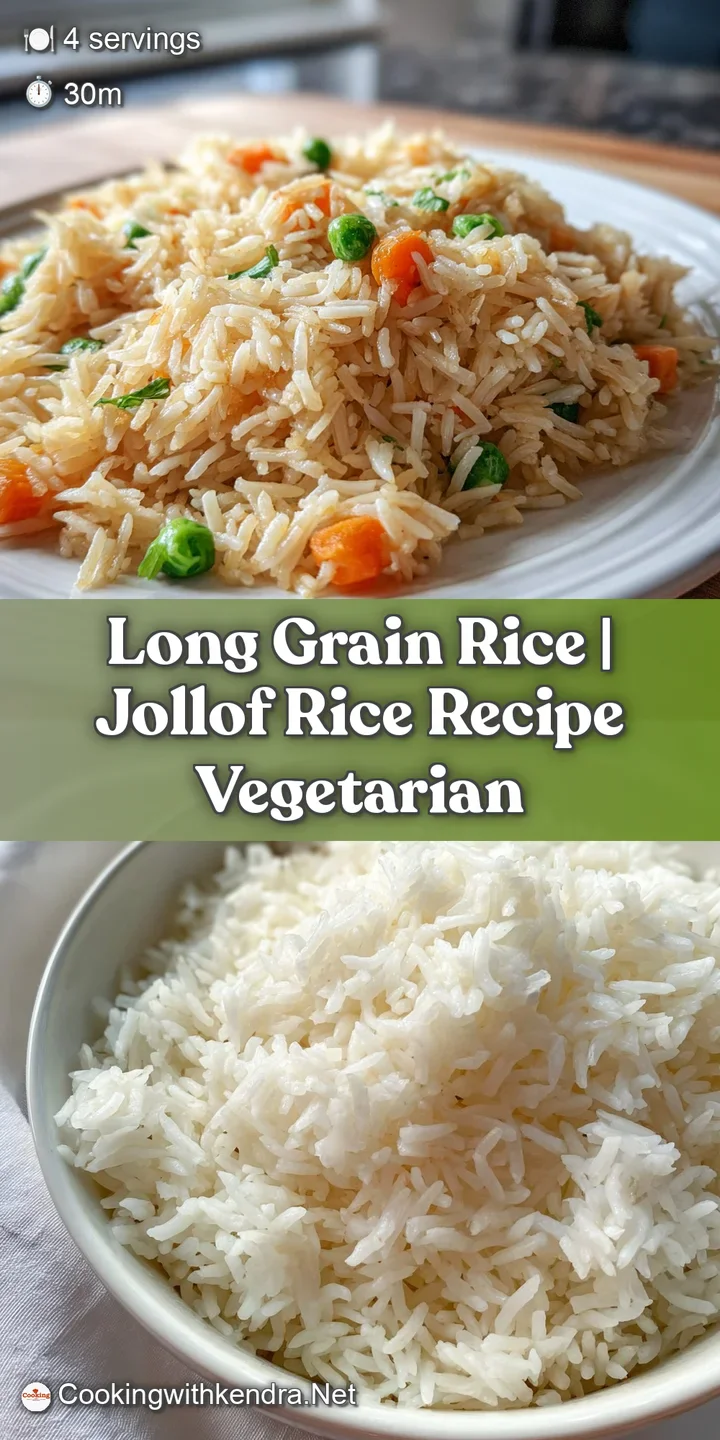
Long grain rice has a distinct appearance and texture. Its grains are longer and thinner than short or medium grain varieties, typically having a length-to-width ratio of 3:1 or more. This shape contributes to its characteristic fluffy, separate texture when cooked.
Is long grain rice better than regular rice?
"Better" is subjective and depends on the dish. Long grain rice, known for its separate, fluffy grains, is ideal for pilafs, stir fries, and as a side dish that won't clump. Other rice types, like Arborio for risotto or sushi rice for its stickiness, excel in different applications.
Is jasmine rice long grain?
Yes, jasmine rice is a type of long grain rice. It is famous for its aromatic fragrance and slightly chewy texture, making it a popular choice for many Asian cuisines. If you enjoyed the distinct grains here, you might also like exploring the fragrance notes in Ramen Noodle Soup: The Ultimate Homemade Shoyu Ramen Recipe.
Is long grain rice real rice?
Yes, long grain rice is absolutely real rice. It's one of the most common types of rice consumed worldwide, grown and harvested just like other rice varieties. Its unique properties come from its genetic makeup and how it behaves when cooked.
How do I cook long grain rice so it's fluffy?
Rinse the rice thoroughly before cooking. This removes excess starch that causes clumping. Then, use a water-to-rice ratio of approximately 1.5:1, bring to a boil, reduce heat to low, cover tightly, and simmer for 15-20 minutes without lifting the lid.
Let it rest for 10 minutes off the heat before fluffing with a fork.
Can I substitute basmati rice for long grain rice?
Yes, basmati rice is an excellent substitute for long grain rice. Both are aromatic and cook up fluffy and separate, making them interchangeable in most recipes. If you enjoyed controlling the texture of your grains here, the same meticulous approach to heat and resting applies to The Secret to Sticky Perfection Authentic Homemade Glazed Teriyaki Chicken.
Why is my long grain rice sticky?
Sticky long grain rice is usually due to insufficient rinsing or too much water. Make sure to rinse the rice under cold water until the water runs clear to remove surface starch.
Also, ensure you're using the correct water-to-rice ratio and not lifting the lid during cooking, which can release too much steam.
Long Grain Rice
Ingredients:
Instructions:
Nutrition Facts:
| Calories | 367 kcal |
|---|---|
| Protein | 6.6 g |
| Fat | 3.9 g |
| Carbs | 74 g |
| Fiber | 1.2 g |
| Sugar | 0.1 g |
| Sodium | 582 mg |
