The Great British Bakeoff Winners Moist Meatloaf with Smoky Ketchup Glaze
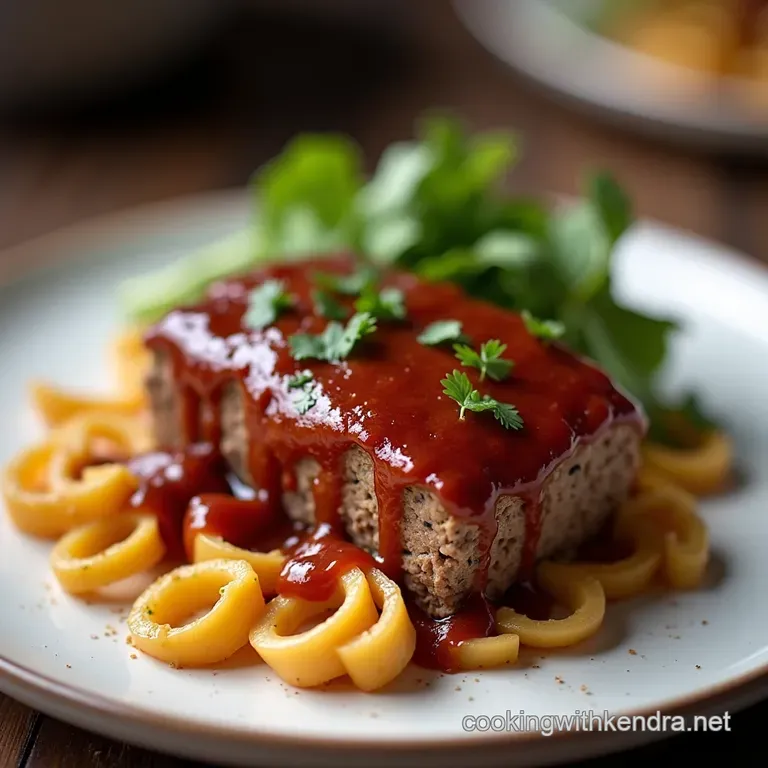
- Unlocking the Secret to Truly Unforgettable Meatloaf
- Why This Recipe Conquers Dryness Every Single Time
- Assembling Your Flavor Arsenal: Components for Supreme Meatloaf
- Essential Tools for Flawless Construction
- The Method: Step-by-Step Mastery of Meatloaf Preparation
- Advanced Meatloaf Variations and Pro-Level Tweaks
- Serving Suggestions to Complete Your Feast
- Recipe FAQs
- 📝 Recipe Card
Unlocking the Secret to Truly Unforgettable Meatloaf
There are certain dishes that instantly transport you back to childhood dinners, wrapped in warmth and comfort. High on that list, undoubtedly, sits Meatloaf . However, for many home cooks, the result is often a dry, crumbly disappointment. We are here to banish that memory forever.
This isn't just a recipe; it's a methodology designed to deliver a perfectly tender, deeply flavoured centrepiece every single time. Forget everything you thought you knew about boring, dry meatloaf. This recipe, inspired by timeless techniques, elevates this classic into something truly spectacular.
It is straightforward to assemble, yet the resulting texture and flavour profile are complex and deeply satisfying the ultimate midweek supper or Sunday lunch hero. This Best Meatloaf Recipe guarantees success, even for culinary beginners.
Why This Recipe Conquers Dryness Every Single Time
The number one enemy of a satisfying meatloaf is moisture loss. We combat this using a multi pronged attack that addresses binders, fat content, and cooking environment. Achieving that ideal texture is paramount to creating a Moist Meatloaf Recipe that people rave about.
The Quest for the Perfectly Moist Center
Moisture retention starts before the oven even preheats. We incorporate the breadcrumb and milk mixture often called a panade —which acts like a sponge, soaking up liquids during the bake and slowly releasing them back into the meat matrix.
On top of that,, using a blend of meats, specifically incorporating pork alongside the beef, adds critical intramuscular fat that bastes the loaf from within as it cooks. This deliberate layering of techniques ensures a centre that yields beautifully under the knife, never crumbling apart sadly.
Meet Your New Signature Comfort Dish
This preparation method is categorized as Easy , requiring only basic mixing and shaping skills. The initial prep time is minimal about 20 minutes of active work plus a short rest making it entirely achievable even on a busy evening.
We’re transforming simple pantry staples into something truly memorable, resulting in a Tasty Meatloaf Recipe you will turn to again and again.
Elevating the Classic: A Savory Herb Infusion
While texture is key, flavour cannot be overlooked. The standard recipe is often flat, but ours introduces depth early on. We sauté the aromatics onion and garlic in butter until translucent.
This step softens their raw bite and unlocks their inherent sweetness and fragrance before they even enter the mix. Coupled with the sharp, umami punch of Worcestershire sauce and the aromatic lift of fresh parsley and dried thyme, every slice sings with a rounded, savoury profile.
Assembling Your Flavor Arsenal: Components for Supreme Meatloaf
Crafting this Delicious Meatloaf relies on high-quality, yet accessible, ingredients. The components are divided logically: the loaf base itself, which requires careful moisture management, and the signature topping that caramelises beautifully.
For the main body of the loaf, you will need 1.5 lbs (680 g) of ground beef, ideally 85/15 for the best fat-to-lean ratio; if you choose leaner beef, consider substituting half a pound with ground pork for added richness. Two large eggs act as the essential binding agent.
To prepare the flavourful foundation, finely dice one medium white or yellow onion and mince three cloves of garlic. We elevate the seasoning with 1/4 cup of fresh parsley, 1 teaspoon of dried thyme, 1.5 teaspoons of Kosher salt, and 1/2 teaspoon of freshly ground black pepper.
Related Recipes Worth Trying
- Ultimate Umami Meatloaf Best Comfort Food Recipe — This isnt your Nans meatloaf My Ultimate Umami Meatloaf is a savory twist on a classic packed with flavor The best easy meatloaf recipe ever Get it now
- Stuffed Italian Meatloaf CookTune My Gooey Delicious Secret — My secret to the best Stuffed Italian Meatloaf CookTune is out This easy Italian meatloaf recipe is stuffed with mozzarella and pepperoni Get the recipe now
- My Secret Cracker Barrel Meatloaf Recipe So Good — Want a cracker barrel meatloaf recipe that tastes just like the real thing This copycat version is moist flavorful and topped with a sweet glaze Get the...
Essential Tools for Flawless Construction
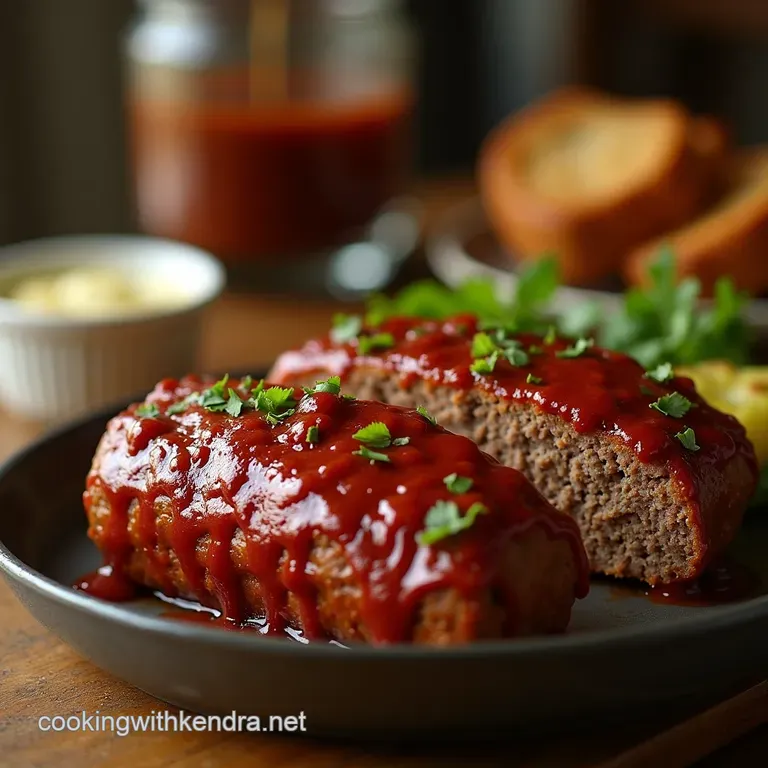
The right tools make any recipe feel less like a chore and more like a precise culinary exercise. For this project, you require just a few standard kitchen items. A large mixing bowl is necessary for combining all the components without spillage, and a small saucepan or skillet is needed to gently soften the onions and garlic.
Crucially, for accurate cooking, a reliable meat thermometer is highly recommended, as timing alone can be misleading.
The Foundation: Selecting the Ideal Meat Blend
As mentioned, the fat content dictates much of the final texture. While 100% ground beef is common, using a 75% lean blend ensures that as the fat renders during baking, it bastes the loaf, contributing to that desired moist outcome.
If you opt for the optional half pound of ground pork or veal, you are intentionally increasing the moisture and complexity of the flavour profile, making it even richer than a standard offering.
Binders and Boosters: Secrets to Moisture Retention
The core of our moisture strategy lies in the panade. Combine 1/2 cup of whole milk with 1 cup of Panko breadcrumbs and allow this mixture to stand for ten minutes. Panko is preferred over standard crumbs because its flaky structure creates a lighter final texture, preventing gumminess.
The eggs, lightly beaten, provide structure, while the Worcestershire sauce not only deepens the flavour but also adds liquid needed for tenderness.
Crafting the Smoky Ketchup Topping
The Meatloaf Glaze Recipe is simple but impactful. For a sticky, sweet and-tangy crust, whisk together 1/2 cup of ketchup with 1/4 cup of packed brown sugar, 1 tablespoon of apple cider vinegar (to cut the sweetness), and the secret ingredient: 1 teaspoon of smoked paprika.
This paprika introduces a subtle smokiness that complements the richness of the beef beautifully.
Precision Measures: US Customary vs. Metric Conversions
While we provide measurements in standard US Customary terms, precise baking relies on weight where possible. Note that the recipe includes suggested metric equivalents (grams and millilitres) for those preferring international standards, ensuring consistency regardless of your measuring tools.
The Method: step-by-step Mastery of Meatloaf Preparation
The success of this Easy Meatloaf Recipe hinges on careful preparation stages. First, set your oven temperature to 350° F ( 175° C).
Gently grease a standard 9x5 inch loaf pan, or line a sturdy baking sheet with parchment paper if you prefer to shape the loaf free form, allowing fat to drip away.
Gently Combining the Savory Mixture
Begin by melting 1 tablespoon of butter over medium heat to sauté your diced onion until it becomes beautifully translucent, about 5 to 7 minutes. In the final minute, toss in the minced garlic until fragrant do not let it burn!
Remove this aromatic blend from the heat and allow it to cool slightly. While this cools, prepare your milk and panko mixture so it has adequate time to hydrate.
Once cooled, combine the soaked breadcrumbs, the sautéed aromatics, the beaten eggs, Worcestershire sauce, fresh parsley, dried thyme, salt, and pepper in your large mixing bowl. Mix these liquids and seasonings thoroughly. Then, introduce all the ground meat.
This is the critical moment: use your hands or a spatula to gently fold the ingredients together until they are just incorporated. Overworking the meat is the fastest route to density; stop mixing the instant no streaks of dry ingredients remain.
Shaping for Optimal Surface Area and Glazing
Transfer the meat mixture into your prepared loaf pan, pressing it down lightly to ensure an even surface for uniform cooking. If using a baking sheet, shape it into a rough 9x5 inch mound. Remember, shaping too tightly compacts the mixture, defeating our goal for a Moist Meatloaf .
The Two-Stage Glaze Application Technique
We apply the glaze in two stages to build a perfect crust without burning the sugar prematurely. Bake the unglazed meatloaf for 40 minutes. During this time, whisk together your glaze ingredients: ketchup, brown sugar, vinegar, and smoked paprika.
After 40 minutes, carefully remove the loaf from the oven, brush half of the glaze generously over the top, and return it to bake for another 20 to 30 minutes. The sugar in the glaze will caramelise during this final stage, creating that addictive, sticky exterior.
Determining Doneness: Temperature Checks You Must Trust
While the total cooking time averages 60 to 70 minutes, relying on an internal thermometer is non-negotiable for safety and texture. Insert the thermometer into the centre of the loaf.
The target internal temperature for ground meat is 165° F ( 74° C). Do not slice into the loaf immediately upon removing it from the heat; allow it to rest for a crucial 10 minutes on a cutting board or cooling rack.
This resting period allows the internal juices, which have been forced to the centre by the heat, to redistribute evenly, ensuring every slice is moist.
Advanced Meatloaf Variations and Pro-Level Tweaks
Once you have mastered this foundational recipe, you can begin experimenting. For a richer flavour profile, consider substituting half the beef with ground chuck that has a higher fat content (like 80/20).
For a lighter take, you could create a Vegetable Meatloaf Recipe by replacing the meat entirely with finely chopped, sautéed mushrooms, lentils, and grated carrots, binding it with extra egg and breadcrumbs.
Incorporating Cheese: Tips for a Cheesy Center
Adding cheese is an easy way to boost richness. If you desire a molten centre, gently press depressions into the meat mixture just before you apply the first glaze, stuff these pockets with shredded sharp cheddar or Gruyère, and then cover with the remaining meat mixture before glazing.
Alternatively, mixing 1/2 cup of finely grated Parmesan directly into the meat blend will enhance the overall savoury depth without creating a runny pocket.
Nutritional Snapshot Per Serving
When calculating the impact of this dish, estimate roughly 380 to 420 calories per serving (based on 8 servings using 85/15 beef). This includes a substantial 30g of protein per slice. Keep in mind that the fat content is primarily driven by your initial meat selection.
Freezing and Reheating Your Baked Masterpiece
This recipe freezes exceptionally well, making it perfect for meal prep. To freeze, bake the loaf completely, allow it to cool fully, slice it, and wrap the individual portions tightly in plastic wrap followed by aluminum foil. Baked meatloaf can be frozen for up to three months.
To reheat, thaw overnight in the refrigerator, then bake covered in foil at 350° F ( 175° C) until heated through, or microwave individual slices until piping hot.
Serving Suggestions to Complete Your Feast
The traditional accompaniments elevate this hearty main course. Serve generous slices alongside a mountain of velvety mashed potatoes the ultimate vehicle for soaking up any flavourful pan drippings. A simple side of buttered peas or roasted asparagus offers a necessary fresh contrast to the richness of the meat.
Storage Strategies for Leftover Excellence
Store any leftover cooked Meatloaf in an airtight container in the refrigerator for up to four days. Leftovers are arguably even better the next day, often firming up slightly, making them perfect for slicing thinly to serve cold on sandwiches with a smear of mustard.

Recipe FAQs
Why does my Meatloaf always turn out dry, and how can I stop it?
Dry meatloaf is an absolute travesty! The main culprits are usually using meat that’s too lean (stick to 85/15 beef!) or overmixing the loaf ingredients. Make sure you’re gently combining everything just until it holds together.
Should I bake my Meatloaf in a pan or free form on a tray?
It depends on your desired outcome, really. Baking in a loaf pan yields a more traditional shape and softer sides, but free form on a baking sheet allows excess fat to drain away, often resulting in a slightly crisper crust all around.
What is the safest internal temperature I should cook my meatloaf to?
For ground meats, including beef and pork blends, the safest internal temperature is 165°F (74°C). Don't rely solely on time; invest in a meat thermometer it's the only way to guarantee it’s cooked through without drying it out!
Can I make this recipe ahead of time, and how do I store leftovers?
Absolutely, you can assemble the loaf the day before and keep it covered in the fridge before baking; just add about 10 minutes to the initial bake time. Leftovers store brilliantly in an airtight container in the fridge for up to four days perfect for lunch the next day!
What’s the secret to making the glaze sticky and not just runny ketchup?
The key to a proper sticky glaze is balancing the ketchup with sugar and an acid, like the apple cider vinegar we use here. The sugar caramelises beautifully under the heat during the final 20 30 minutes of baking, giving it that rich, mahogany finish.
Moist Glazed Meatloaf
Ingredients:
Instructions:
Nutrition Facts:
| Calories | 1486 kcal |
|---|---|
| Protein | 21.9 g |
| Fat | 29.9 g |
| Carbs | 80.5 g |
| Fiber | 23.5 g |
| Sodium | 788 mg |
