No Yeast Bread: Pantry Staple Solution
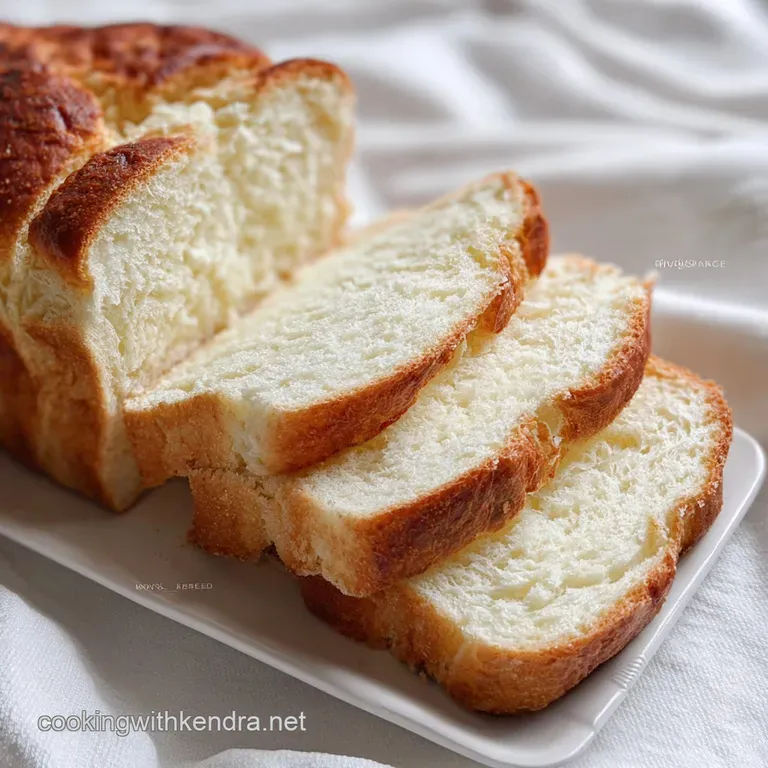
- Time: Active 10 minutes, Passive 35 minutes, Total 45 minutes
- Flavor/Texture Hook: Tangy, buttery, and incredibly tender
- Perfect for: Last minute dinners or beginner bakers
- Hearty Comfort Without the Wait
- Measuring Success by the Gram
- Sourcing the Best Pantry Staples
- Minimal Tools for Maximum Results
- Baking the Perfect Golden Loaf
- Avoiding Common Kitchen Pitfalls
- Customizing Your Flavor Profile
- Smart Storage and Waste Prevention
- Savory Pairings for Every Meal
- Myths Regarding Chemical Leavening
- No Yeast Bread FAQs
- 📝 Recipe Card
Hearty Comfort Without the Wait
The magic of this loaf lies in the immediate gratification of chemical reactions. Unlike traditional baking which requires patience and temperature control, we are essentially building a structure that expands the moment it hits the heat.
It’s efficient, reliable, and frankly, a bit of a kitchen superpower when guests show up unannounced.
- The Acid Base Ignition: The lactic acid in the buttermilk reacts instantly with the baking soda, creating a flurry of carbon dioxide bubbles that lift the heavy dough.
- Steam Expansion: The high moisture content from the egg and buttermilk turns into steam in the oven, puffing up the loaf from the inside out.
- Gluten Control: By skipping the long knead, we keep the gluten strands short, which results in a tender, biscuit like crumb rather than a chewy, rubbery one.
- Maillard Magic: The addition of sugar and the proteins in the buttermilk work together to create a deep, mahogany crust that tastes as good as it looks.
| Method | Prep Time | Texture | Best For |
|---|---|---|---|
| Standard Oven | 10 minutes | Thick, crunchy crust | Traditional dinner loaves |
| Cast Iron Skillet | 8 minutes | Crispy bottom, rustic | Hearty, Southern style meals |
| Dutch Oven | 12 minutes | Softest crumb, high rise | Artisanal style sandwiches |
Right then, before we get our hands into the flour, you need to decide which vessel you’re using. I almost always go for the standard oven approach because it gives me that consistent, even bake that makes the No Yeast Bread look so professional.
But if you're in the mood for something a bit more rustic, the cast iron skillet adds a beautiful sizzle to the bottom crust that is hard to beat.
Measuring Success by the Gram
Precision is your best friend when you're working without yeast. While I love a "pinch of this and a dash of that" for my gravy, baking is more of a calculated dance. Using a scale for your 500g of all purpose flour ensures that your dough isn't too dry, which is the number one reason people end up with "bread bricks."
The Physics of Chemical Aeration
The "how" is simple: when the 10g of baking powder and 5g of baking soda meet the 350ml of acidic buttermilk, they produce gas. This gas gets trapped by the flour's proteins, and the heat of the oven sets that structure before the bubbles can escape.
| Component | Science Role | Pro Secret |
|---|---|---|
| Buttermilk | Acidic reactant | Use full fat for a richer, more velvety crumb |
| Baking Soda | Immediate leavener | Sift it to avoid bitter, soapy clumps in the bread |
| Unsalted Butter | Fat & tenderness | Melt then cool to prevent "cooking" the egg early |
Every single ingredient in this list has a job to do. The 15g of granulated sugar isn't just for sweetness; it actually helps tenderize the dough by slowing down gluten formation and aids in that gorgeous browning we’re after.
The 6g of fine sea salt is there to sharpen all the other flavors without it, the bread tastes flat and dull.
Sourcing the Best Pantry Staples
You probably have everything you need in your kitchen right now to make this No Yeast Bread. But here is the thing: the quality of your staples dictates the final flavor. If your baking powder has been sitting in the back of the cupboard since the last eclipse, it’s time to buy a new tin.
- 500g All purpose flour: The backbone of the loaf. Why this? Provides enough protein for structure without being too "tough" like bread flour.
- Substitute: 500g Whole Wheat Flour (Loaf will be much denser and nuttier).
- 350ml Full fat buttermilk: The essential acid. Why this? Provides the "tang" and the chemical kick start for the soda.
- Substitute: 350ml Milk + 1 tbsp Lemon Juice (Let sit for 5 mins before using).
- 45g Unsalted butter: For flavor and moisture. Why this? Fat coats the flour, keeping the bread from becoming "rubbery."
- Substitute: 45g Neutral Oil (Adds moisture but loses that classic buttery aroma).
- 10g Baking powder & 5g Baking soda: The lifting team. Why this? The dual action ensures the bread rises both instantly and throughout the bake.
- Substitute: None (These are non negotiable for this specific rise).
- 1 Large egg: For structure and color. Why this? Adds protein that helps the bread hold its shape while rising.
- Substitute: 1/4 cup Unsweetened Applesauce (Result will be slightly more moist/dense).
Chef's Tip: Always whisk your dry ingredients for at least 30 seconds. It feels like a chore, but it’s the only way to ensure the baking soda is evenly distributed.
Nothing ruins a morning faster than biting into a "soda pocket" that weird, metallic, soapy taste is a mistake I only made once.
Minimal Tools for Maximum Results
You don't need a fancy stand mixer such as a KitchenAid for this recipe. In fact, a mixer might actually work against you here. This is a "hands on" kind of bread, where a simple bowl and a sturdy spoon are your best assets.
I prefer using a large glass mixing bowl so I can see if there are any stray flour pockets hiding at the bottom. For the baking, a standard 9x5 inch loaf pan is perfect, but I've also had great success using a parchment lined baking sheet and shaping the dough into a rustic round boule.
If you go the boule route, just keep an eye on the edges so they don't get too dark too fast.
A digital scale is my biggest recommendation for any No Yeast Bread. Measuring flour by the cup is notoriously inaccurate one person's "cup" might be 120g while another's is 150g. That 30g difference is enough to turn a tender loaf into something you could use as a doorstop.
If you must use cups, fluff the flour first, spoon it into the cup, and level it off with a knife. Don't ever scoop directly from the bag!
Baking the Perfect Golden Loaf
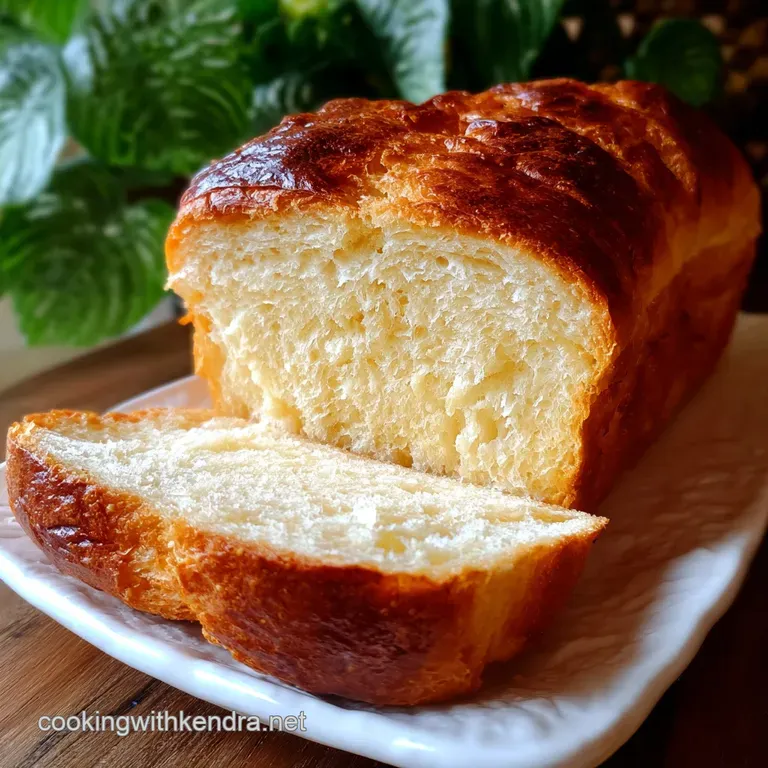
Ready to get started? This process moves fast once the wet hits the dry, so make sure your oven is fully preheated to 375°F before you even pull the buttermilk out of the fridge. We want that chemical reaction to happen and then immediately get blasted by heat to lock it in.
- Prep the oven. Set your rack to the middle position and preheat to 375°F (190°C).
- Whisk dry elements. In a large bowl, combine 500g flour, 15g sugar, 6g salt, 10g baking powder, and 5g baking soda.
- Mix liquid components. In a separate jug, whisk 350ml buttermilk, the large egg, and 45g melted butter until completely smooth and pale yellow.
- Combine gently. Pour the liquid into the dry bowl. Note: Use a spatula to fold rather than stir to keep the air in.
- Form the dough. Mix until no dry flour streaks remain, but don't overwork it. The dough will be shaggy and sticky.
- Transfer to pan. Scrape the dough into a greased 9x5 loaf pan or onto a parchment lined sheet.
- Score the top. Use a sharp knife to cut a 1 inch deep "X" or a long slit across the top. Note: This allows the bread to expand without bursting at the seams.
- Bake the loaf. Slide into the oven for 35 minutes until the crust is golden and a toothpick comes out clean.
- The hollow test. Tap the bottom of the loaf; it should sound hollow when it's fully done.
- Cool properly. Let it sit in the pan for 5 minutes, then move to a wire rack. Note: This prevents the bottom from getting soggy from trapped steam.
Wait at least 15 minutes before slicing. I know, the smell is torture, but the bread is actually still "finishing" its internal structure as it cools. If you cut it too early, the steam escapes too fast and the center can turn gummy.
Patience is a virtue, especially when butter is waiting on the sidelines.
Avoiding Common Kitchen Pitfalls
If your bread didn't turn out quite how you imagined, don't sweat it. Most issues with No Yeast Bread come down to a few simple mechanical errors that are easy to fix for next time. The most common complaint is a "heavy" or "dense" loaf, which usually points back to how much the dough was handled.
Why Your Loaf Stayed Flat
If your bread didn't get that beautiful lift, your leaveners might be the culprit. Baking powder and soda lose their "omph" over time. To test your powder, drop a teaspoon into some hot water; it should bubble vigorously. If it just sits there, your bread will too.
| Problem | Root Cause | Solution |
|---|---|---|
| Dense, heavy crumb | Over mixing the dough | Fold just until combined; stop as soon as flour is wet |
| Bitter/Soapy taste | Uneven baking soda | Always sift or whisk dry ingredients thoroughly |
| Gummy center | Undercooked or cut too hot | Use a thermometer (190°F internal) and let it cool |
Common Mistakes Checklist
- ✓ Using cold buttermilk (Room temp reacts better and faster)
- ✓ Forgeting to score the top (Leads to uneven "blowouts" on the sides)
- ✓ Over handling the dough (Toughens the gluten, making it chewy instead of tender)
- ✓ Oven temperature too low (The "lift" requires an immediate heat shock)
- ✓ Measuring flour by volume instead of weight (Too much flour is the enemy of moisture)
Customizing Your Flavor Profile
Once you’ve mastered the basic No Yeast Bread, the world is your oyster. This dough is a blank canvas. If you're feeling fancy, you can lean into the sweetness by following a path similar to my ExtraMoist Pumpkin Bread recipe by adding warming spices like cinnamon or nutmeg.
For a savory twist, I love folding in 100g of sharp cheddar cheese and a tablespoon of dried rosemary. If you go this route, toss the cheese in a little bit of the flour first so it doesn't all sink to the bottom.
You can also swap the sugar for honey for a more floral, mellow sweetness that pairs beautifully with a cup of afternoon tea.
- The Everything Loaf
- Top with "everything bagel" seasoning before baking for a salty, garlicky crunch.
- The Garden Loaf
- Fold in 50g of sun dried tomatoes and some fresh basil.
- The Sweet Morning
- Add 100g of raisins and a heavy dusting of cinnamon sugar on top.
Smart Storage and Waste Prevention
This bread is at its absolute peak the day it's made. Because it lacks the preservatives found in store-bought loaves and the natural acidity of a long yeast ferment, it tends to dry out faster. Keep it in an airtight container or a sealed bag at room temperature for up to 3 days.
If it starts to feel a bit firm, a quick 10 second zap in the microwave or a toast in the oven brings that "just baked" softness right back.
If you find yourself with half a loaf that's gone a bit stale, don't you dare throw it out! Stale No Yeast Bread makes the best French toast or bread pudding because its sturdy structure soaks up the custard without falling apart.
You can also dice it up, toss it with olive oil and herbs, and bake it at 300°F until you have the crunchiest, most flavorful croutons for your Caesar salad.
For long term storage, this bread freezes beautifully. Slice the loaf first, then wrap the whole thing in foil and place it in a freezer bag. This way, you can pull out exactly one or two slices whenever the craving hits. It’ll stay fresh in the freezer for about 2 months.
Just pop a frozen slice directly into the toaster, and you're good to go!
Savory Pairings for Every Meal
This bread is a team player. It’s dense enough to stand up to heavy sauces but tender enough to be eaten on its own with a little honey. If you're looking for a full spread, this loaf is the perfect sidekick to my Monkey Bread recipe if you're hosting a big brunch and want both a sweet and a savory option on the table.
| Serving Size | Adjustments | Pan Size | Cook Time |
|---|---|---|---|
| 2-3 People | Halve all ingredients | 6 inch skillet | 25 minutes |
| 4-6 People | Standard recipe (as written) | 9x5 loaf pan | 35 minutes |
| 8-12 People | Double all ingredients | Two 9x5 pans | 40 minutes |
I personally love serving a thick slice of this bread alongside a bowl of spicy chili or a creamy potato leek soup. The tang of the buttermilk in the bread cuts through the richness of the soup perfectly.
And if you have any left over the next morning, fry a thick slice in a little bit of bacon grease and top it with a runny fried egg. It’s the kind of breakfast that makes you want to cancel all your plans and just stay in the kitchen.
Myths Regarding Chemical Leavening
There is a long standing myth that "real" bread must contain yeast to have good flavor. That’s simply not true! While yeast provides those fermented, funky notes, buttermilk and butter provide a deep, creamy, and complex flavor profile that is equally sophisticated.
You aren't "cheating" by using baking soda; you're just using a different branch of food chemistry.
Another misconception is that No Yeast Bread is always dry or "biscuity." While the texture is closer to a giant scone than a baguette, it should never be dry. If yours is coming out crumbly, it’s almost certainly due to over baking or using too much flour.
The egg in this recipe is our secret weapon it provides the fat and protein needed to keep that crumb moist and flexible for days.
Finally,, don't believe the lie that you can't get a good crust without a steam injected professional oven. The sugar and buttermilk in this dough undergo the Maillard reaction beautifully at 375°F.
That deep brown, crunchy exterior is 100% achievable in a standard home kitchen, no special equipment required. Just make sure you don't peek! Opening the oven door in the first 20 minutes lets out the very heat and steam you need to build that "shatter crisp" crust.
Trust the process, trust the timer, and let the bread do its thing. You've got this!
No Yeast Bread FAQs
Is there any bread that can be made without yeast?
Yes, absolutely. Breads made with chemical leaveners like baking soda and baking powder, often called quick breads, are delicious and require no yeast. They rely on an immediate reaction to achieve lift.
What can I use instead of yeast to make bread?
Baking soda and baking powder are your primary substitutes. When combined with an acidic ingredient like buttermilk or yogurt, baking soda creates a rapid rise. Baking powder contains both an acid and a base, so it works on its own or with other ingredients for lift.
What is 3 ingredient bread?
A common 3-ingredient bread typically uses self rising flour, Greek yogurt, and a little milk or water. The self rising flour already contains leavening agents, making it quick and easy to mix up a basic loaf. It's a fantastic starting point for understanding quick bread principles, similar to the foundational techniques in our Pizza Dough Recipe Easy: High Hydration for a Puffy Crust where understanding dough structure is key.
Which bread does not have yeast in it?
Quick breads do not contain yeast. Examples include soda bread, scones, biscuits, muffins, and many types of quick loaves that use baking soda or baking powder for leavening.
Can I make a crusty bread without yeast?
Yes, you can achieve a good crust without yeast. While yeast contributes to a specific type of crust, chemical leaveners combined with sufficient heat can create a satisfyingly crisp exterior. The high heat in recipes like my Neapolitan Pizza from Dough Recipe: My Authentic Family Secret! helps develop a great crust.
How long does no yeast bread last?
No yeast bread is best consumed within 1-3 days. Since it lacks the stabilizing properties of yeast fermentation, it can dry out faster. Store it in an airtight container at room temperature, and consider toasting day-old bread to refresh it.
Can I use buttermilk as a substitute for yeast?
No, buttermilk cannot directly substitute for yeast. However, buttermilk is crucial in many no-yeast recipes because its acidity reacts with baking soda to create leavening. It's the chemical reaction, not the buttermilk itself, that replaces yeast's function, much like the dairy in an Overnight French Toast Casserole: Velvety contributes to texture but not leavening like yeast.
No Yeast Bread
Ingredients:
Instructions:
Nutrition Facts:
| Calories | 208 kcal |
|---|---|
| Protein | 5.7 g |
| Fat | 4.8 g |
| Carbs | 34.4 g |
| Fiber | 1.1 g |
| Sugar | 2.7 g |
| Sodium | 347 mg |
