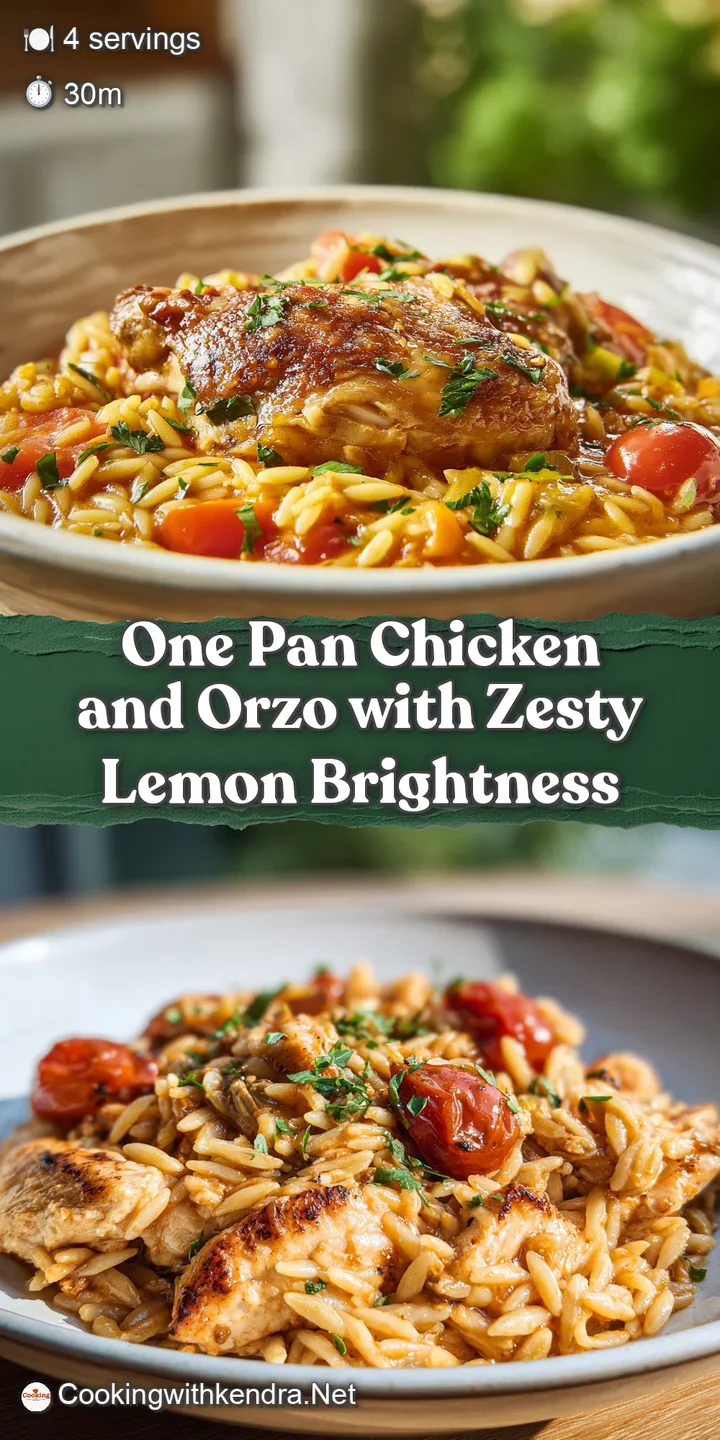
One Pan Chicken and Orzo
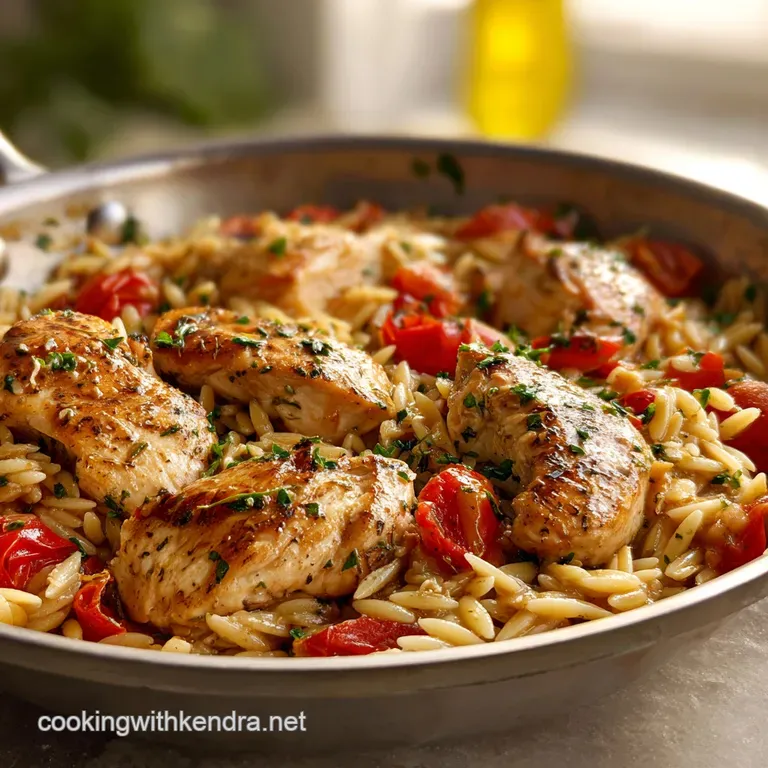
- Time: Active 10 minutes, Passive 20 minutes, Total 30 minutes
- Flavor/Texture Hook: Zesty lemon brightness meets velvety, starch thickened sauce
- Perfect for: Stress free family dinners and efficient Sunday meal prep
- Achieving the Perfect Balance of Chicken and Orzo
- The Culinary Logic Behind This Dish
- Analyzing the Functional Components of the Skillet
- Sourcing Quality Components for This Flavorful Base
- The Necessary Tools for Achieving Silky Texture
- The Foolproof Step by Step Method
- Solutions for Common Texture Issues
- Creative Twists for Family Favorites
- Easy Guidelines for Scaling the Recipe
- Debunking Common Kitchen Narratives
- Proper Storage for Busy Families
- Perfect Pairings for the Table
- Recipe FAQs
- 📝 Recipe Card
Achieving the Perfect Balance of Chicken and Orzo
The sound of 1.5 lbs of cubed chicken breast hitting a hot, oiled skillet is the universal signal that dinner is finally under control. I remember the first time I tried making this for my family on a rainy Tuesday. I was out of heavy cream and worried the kids would find the dish too dry.
Instead, the orzo released its natural starches, swirling with the warm bone broth to create a texture so silky it felt like a luxury restaurant meal.
You'll love how the lemon zest cuts through the richness of the Pecorino Romano, waking up every single bite. This is not just another pasta dish; it is a strategic approach to flavor where every ingredient has a specific job.
We are looking for that specific sizzle when the shallots hit the pan, followed by the nutty aroma of dry orzo toasting in the residual chicken fat.
We have all had those nights where the kitchen feels like a battlefield. This recipe is your peace treaty. It is fast, it uses common pantry staples, and it delivers a level of comfort that usually takes hours to simmer.
By the time the spinach wilts and the peas pop with sweetness, you will realize why this has become my absolute favorite fallback for hectic schedules.
The Culinary Logic Behind This Dish
Starch Gelatinization: As the dry orzo simmers in 3.5 cups of bone broth, it releases amylopectin starches that emulsify with the olive oil to create a creamy coating.
The Maillard Reaction: Searing the chicken at high heat creates complex flavor molecules that deglaze into the sauce, providing a deep savory base.
Acidic Brightness: The lemon juice acts as a surfactant, breaking through the fat of the cheese and oil to highlight the herbal notes of the oregano.
Carryover Cooking: Removing the skillet from the heat while the orzo is just shy of al dente ensures it reaches the ideal texture during the final rest.
Similarly to the liquid ratios in my Chicken and Vegetable Soup recipe, maintaining the balance between pasta and broth is the secret to a sauce that stays fluid rather than turning into a block of starch.
Precision Timing and Visual Cues
| Meat Thickness | Internal Temp | Rest Time | Visual Cue |
|---|---|---|---|
| 1 inch cubes | 165°F | 5 minutes | Opaque center with golden exterior |
| 0.5 inch cubes | 165°F | 3 minutes | Firm to touch with no pink |
| Whole breast | 165°F | 8 minutes | Juice runs clear when pierced |
Getting the chicken right is about confidence and a good thermometer. If you pull the meat too early, it will be rubbery; too late, and it becomes dry and stringy. Aim for that golden crust before you ever add the liquid.
Analyzing the Functional Components of the Skillet
| Ingredient | Science Role | Pro Secret |
|---|---|---|
| Orzo Pasta | Thickening Agent | Toast the dry grains in oil first to prevent them from becoming mushy. |
| Bone Broth | Collagen Source | Use warmed broth to avoid dropping the pan temperature and stalling the cook. |
| Pecorino Romano | Emulsifier | Grate it fresh so it melts into the sauce without clumping like pre shredded bags. |
| Lemon Juice | Flavor Catalyst | Add it at the very end to keep the citrus notes vibrant and sharp. |
The choice of Pecorino over Parmesan is intentional here. Pecorino is sheep's milk cheese, which offers a saltier, tangier punch that stands up better to the lemon and oregano than the milder cow's milk alternatives.
Sourcing Quality Components for This Flavorful Base
You do not need a gourmet grocery store to make this work, but a few smart choices make a massive difference. I always reach for a high-quality extra virgin olive oil because it forms the backbone of the "cream" sauce.
- 1.5 lbs chicken breast: Cut into 1 inch cubes. Why this? Lean protein that cooks quickly and absorbs the pan flavors perfectly.
- Substitute: Chicken thighs for a juicier, higher fat alternative.
- 1.5 cups dry orzo pasta: Look for a high protein durum wheat variety. Why this? Its small shape mimics rice but offers a superior pasta chew.
- Substitute: Arborio rice, though it will require more liquid and a longer simmer.
- 3.5 cups chicken bone broth: Warmed before adding. Why this? Adds depth and protein that standard stock lacks.
- Substitute: Low sodium chicken stock or vegetable broth.
- 1 large shallot: Finely diced. Why this? Provides a delicate sweetness that garlic alone cannot achieve.
- Substitute: Half a small yellow onion.
- 2 cloves garlic: Minced. Why this? The aromatic foundation for any Mediterranean inspired skillet.
- Substitute: 1 teaspoon garlic powder added with the oregano.
- 1 lemon: Zested and juiced. Why this? The zest provides oils for aroma, while the juice provides acid for balance.
- Substitute: 2 tablespoons of bottled lemon juice in a pinch.
- 2 cups fresh baby spinach: Packed. Why this? Adds a vibrant green color and essential vitamins without changing the flavor profile.
- Substitute: Chopped kale or Swiss chard.
- 0.5 cup frozen peas: Straight from the freezer. Why this? They provide a sweet pop of texture and require zero prep time.
- Substitute: Frozen edamame or chopped asparagus.
Selecting the right chicken is similar to the process I use in The Homemade Chicken recipe, where even browning is the key to the entire flavor profile.
The Necessary Tools for Achieving Silky Texture
You really only need one piece of heavy duty equipment for this. A 12 inch cast iron or stainless steel skillet is best because it retains heat evenly. If the pan is too thin, the orzo will stick to the bottom and scorch before the chicken is done.
A microplane is also a lifesaver here. You want the lemon zest to be almost like a powder so it disappears into the sauce, and you want that Pecorino to be fluffy. If you use a coarse grater, the cheese might take too long to melt, leading to a grainy texture.
Chef's Tip: Freeze your lemon for 10 minutes before zesting. It firms up the skin, making it much easier to grate without hitting the bitter white pith.
The Foolproof step-by-step Method
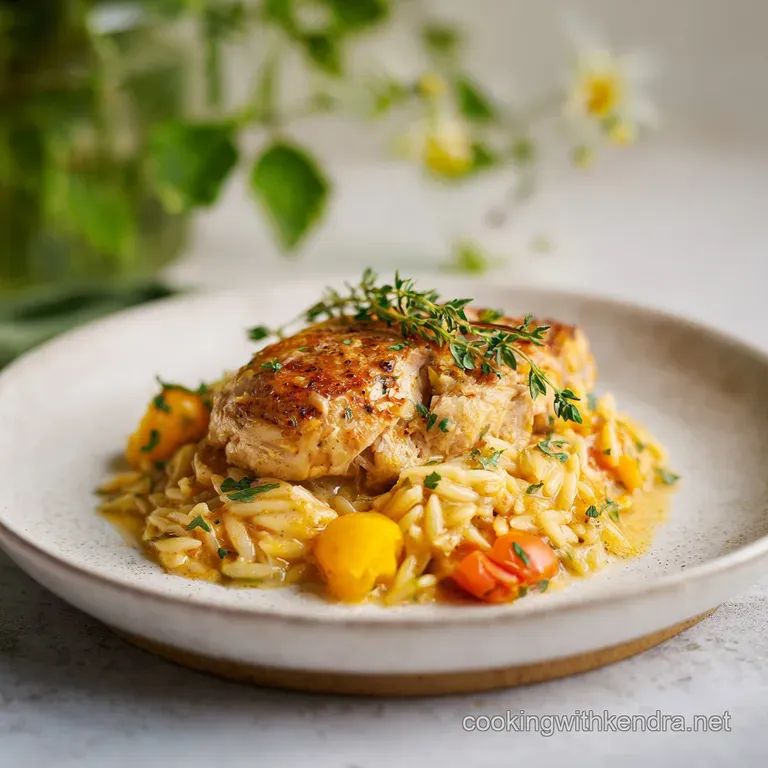
- Prep the protein. Season 1.5 lbs chicken breast cubes with 0.5 tsp salt, 0.5 tsp pepper, and 1 tsp dried oregano. Note: Seasoning before cooking ensures the flavor penetrates the meat fibers.
- Sear the chicken. Heat 1 tbsp olive oil in the skillet and cook chicken until golden and crackling, about 5 to 7 minutes.
- Sauté aromatics. Remove chicken from the pan and add the diced shallot and minced garlic. Note: This prevents the garlic from burning while the chicken sears.
- Toast the grains. Add 1.5 cups dry orzo to the skillet and stir until the pasta smells nutty and turns lightly brown.
- Deglaze the pan. Pour in 3.5 cups warmed bone broth, scraping the bottom to release the flavorful brown bits.
- Simmer the base. Return the chicken to the pan and bring to a boil, then reduce heat and simmer 10 minutes until orzo is tender and liquid is mostly absorbed.
- Incorporate greens. Fold in 0.5 cup frozen peas and 2 cups fresh baby spinach. Note: The residual heat will cook these through in under 60 seconds.
- Brighten the finish. Stir in the lemon juice, lemon zest, and 0.25 cup Pecorino Romano until the sauce is velvety and glossy.
- Garnish and rest. Sprinkle with 2 tbsp chopped parsley and let the pan sit for 2 minutes before serving.
Quick Decision Guide for Cooking Methods
| Method | Time | Texture | Best For |
|---|---|---|---|
| Stovetop Skillet | 30 minutes | Toasted and chewy | Quick weeknight family meals |
| Dutch Oven | 35 minutes | Extra creamy and soft | Sunday dinners or larger batches |
| Instant Pot | 15 minutes | Uniformly tender | Maximum time efficiency |
Solutions for Common Texture Issues
Most problems with this dish stem from the liquid ratio or the heat level. If your heat is too high, the broth evaporates before the orzo can soften. If it's too low, the pasta sits in the liquid and becomes gummy.
The Orzo is Absorbing Liquid Too Fast
This usually happens if the skillet is uncovered and the evaporation rate is higher than the absorption rate. If you see the pasta sticking to the bottom but the center of the grain is still hard, simply add another 1/4 cup of broth or water. The goal is a "risotto like" consistency, not a dry pilaf.
The Chicken Feels Rubbery
Rubbery chicken is almost always a result of overcrowding the pan during the searing phase. When too much meat hits the oil at once, the temperature drops and the chicken steams in its own juices instead of browning. Work in batches if your skillet isn't large enough to keep the pieces separated.
| Problem | Root Cause | Solution |
|---|---|---|
| Gummy orzo | Over stirring the pasta | Stir only enough to prevent sticking; don't treat it like risotto. |
| Bland flavor | Lack of salt or acid | Add a pinch more salt and an extra squeeze of lemon at the end. |
| Broken sauce | High heat after adding cheese | Remove from heat before stirring in the Pecorino to prevent clumping. |
Common Mistakes Checklist
- ✓ Pat the chicken cubes completely dry with paper towels before searing to ensure a golden crust.
- ✓ Never skip toasting the orzo; it provides a structural barrier that prevents mushiness.
- ✓ Use low sodium broth so you can control the final salt level with the cheese.
- ✓ Don't add the spinach too early or it will turn a murky, dull brown.
- ✓ Let the dish rest for 2 minutes after cooking to allow the sauce to thicken slightly.
Creative Twists for Family Favorites
You can easily adapt this dish to whatever you have in the fridge. If you're feeling a bit more nostalgic for something heavier, this technique is very similar to how I approach my Chicken and Dumplings recipe.
The Crock Pot Chicken and Orzo Twist
If you want to use a slow cooker, add the chicken, broth, aromatics, and spices to the pot and cook on low for 4 to 6 hours. However, do not add the orzo until the last 30 to 45 minutes of cooking.
Adding it too early will result in a thick, porridge like texture that lacks the distinct bite of a well cooked pasta.
Comparison of Fresh vs Shortcut Ingredients
| Fresh Choice | Shortcut Alternative | Impact on Outcome |
|---|---|---|
| Fresh Garlic Cloves | Jarred Minced Garlic | Fresh is more pungent; jarred can be slightly sweet/acidic. |
| Whole Lemon | Bottled Lemon Juice | Fresh zest is essential for the aroma; bottled only adds sourness. |
| Fresh Spinach | Frozen Spinach | Frozen is much denser; squeeze out all water first to avoid a soggy dish. |
Easy Guidelines for Scaling the Recipe
If you are cooking for a crowd, doubling this recipe works well, but you must use a very large wide bottomed pot like a 6 quart Dutch oven. This ensures that the surface area allows for even evaporation.
Increase the liquids and pasta linearly, but only increase the salt and oregano to 1.5 times the original amount, then taste and adjust.
When cutting the recipe in half for two people, the liquid might evaporate faster than expected because of the pan size. Keep an extra splash of broth nearby just in case. You can use half an egg to bind the chicken if you are dredging it (though we aren't here), but for this specific one pan version, just use half of the shallot and garlic.
Debunking Common Kitchen Narratives
One myth I hear often is that you must rinse orzo before cooking it. Please don't do this! Unlike rice, we actually want the surface starch on the pasta to stay intact. That starch is what creates the creamy sauce. Rinsing it would leave you with a thin, watery liquid that doesn't cling to the meat.
Another misconception is that you can't get a good sear on chicken breast without it drying out. The trick is high heat and short duration. By cutting the chicken into small 1 inch cubes, you increase the surface area to volume ratio, allowing for maximum browning in just a few minutes while the center stays juicy.
Proper Storage for Busy Families
Storage: Store any leftovers in an airtight container in the fridge for up to 4 days. Keep in mind that the orzo will continue to absorb liquid as it sits. When reheating, add a tablespoon of water or broth to loosen the sauce back to its original velvety state.
Freezing: This dish freezes surprisingly well for up to 2 months. I recommend freezing it in individual portions. To reheat, thaw in the fridge overnight and warm it gently in a skillet on the stove.
Zero Waste: Don't throw away those lemon rinds! Toss them into a jar of white vinegar for a natural kitchen cleaner, or use them to zest into your next batch of roasted vegetables.
If you have leftover spinach stems, chop them finely and sauté them right along with the shallots at the beginning of the recipe for extra fiber.
Perfect Pairings for the Table
While this is a complete meal on its own, I love serving it with a side of charred crusty bread to soak up every last bit of the lemon garlic sauce. If you want more greens, a simple arugula salad with a balsamic glaze provides a sharp peppery contrast to the savory orzo.
If you are looking for a drink pairing, a crisp Sauvignon Blanc or a light Pinot Grigio works beautifully. The acidity in the wine mirrors the lemon juice in the dish, creating a cohesive dining experience that feels much fancier than a 30 minute weeknight meal.
For the kids, a sparkling apple juice or flavored seltzer adds a little fun to the Tuesday night routine.
Recipe FAQs
Is orzo better for you than rice?
It depends on the type and preparation. Orzo is a small pasta, usually made from refined white flour, making its nutritional profile similar to white rice. Brown rice offers higher fiber, but orzo’s starch releases during cooking, which aids in creating the creamy sauce we want here.
Is orzo okay for diabetics?
It should be eaten in moderation. Orzo has a high glycemic index, similar to white rice, causing a quick spike in blood sugar. Balance the serving size with high protein (like the chicken) and ample non-starchy vegetables to slow down glucose absorption.
What spices pair well with chicken and orzo?
Oregano, garlic powder, and a touch of lemon zest are essential. These Mediterranean herbs complement the savoriness of the chicken and the mild flavor of the pasta. For a deeper note, try adding a pinch of smoked paprika when searing the chicken.
What goes with chicken orzo?
This dish is truly a one-pan meal, but sides help! A simple side salad of peppery arugula dressed with balsamic vinegar cuts through the richness nicely. If you prefer something bread based, serve it with crusty bread to mop up the sauce, much like the pairing we suggest for our Homemade Chicken Noodle Casserole recipe.
How do I stop my orzo from becoming gummy when making a creamy sauce?
Toast the dry orzo in the fat first, and stir minimally during simmering. Toasting creates a slight crust on the pasta, inhibiting excessive starch release. You want to stir just enough to prevent sticking, not constantly like you would risotto.
Can I substitute the bone broth for a lighter liquid?
Yes, but the richness will suffer. Using vegetable broth is fine, but you lose the collagen and depth that makes the final sauce so velvety. If you prefer a lighter flavor profile overall, try a recipe featuring wine reduction, such as our Creamy Lemon Chicken recipe.
Is it true that I must use a high sided skillet to prevent scorching?
No, this is a common misconception, but a wide base is key. You need a wide surface area so the orzo cooks in a thin layer and the liquid evaporates evenly. If the pan is too crowded, the bottom layer scorches while the top remains undercooked.
One Pan Chicken And Orzo
Ingredients:
Instructions:
Nutrition Facts:
| Calories | 568 kcal |
|---|---|
| Protein | 54g |
| Fat | 12g |
| Carbs | 61g |
| Fiber | 5g |
| Sugar | 3g |
| Sodium | 780mg |
