New York Style Pastrami Sandwich Recipe
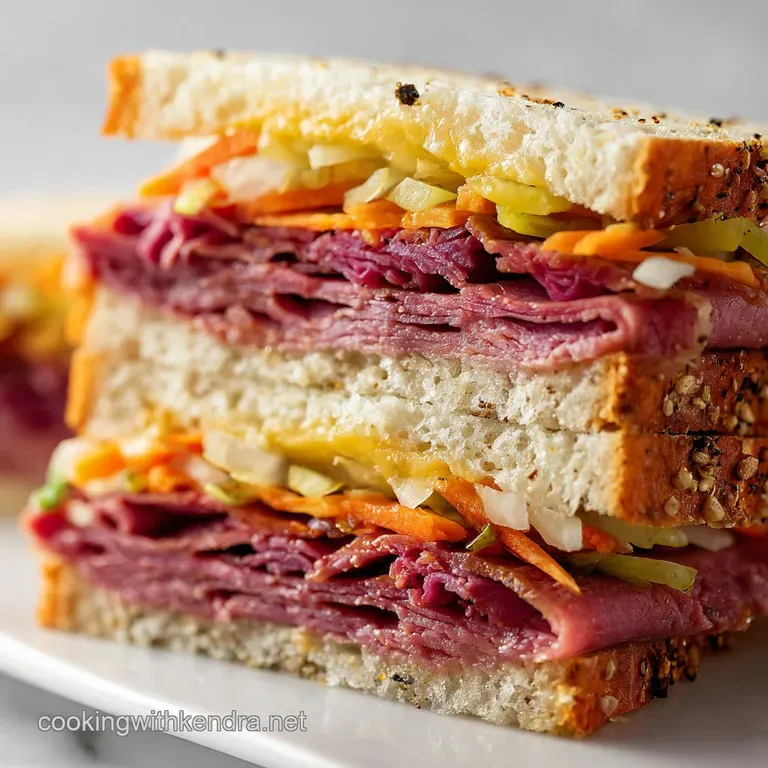
- Time: Active 15 mins, Passive 30 mins, Total 45 mins
- Flavor/Texture Hook: Shatter crisp sourdough against velvety, pepper crusted beef
- Perfect for: Weekend indulgence or impressing serious sandwich aficionados
- The Physics of Rendered Fat
- Crucial Timing and Temperature Metrics
- Selecting the Best Deli Components
- Essential Gear for Proper Griddling
- Assembling the Perfect Golden Stack
- Solving Common Texture and Heat Issues
- Simple Variations for Different Needs
- Maintaining Freshness and Using Scraps
- Best Sides for a Full Meal
- Critical High in Sodium
- Pastrami Sandwich Recipe FAQs
- 📝 Recipe Card
The kitchen air starts to change the second that butter hits the cast iron. You know that smell? It's nutty, rich, and a little bit dangerous because you know something heavy and wonderful is coming. I remember the first time I tried to recreate a proper deli stack at home.
I just piled cold meat on bread and wondered why it felt like a sad imitation. The secret isn't just the meat; it's how you treat the fat and the moisture.
When you get that first bite where the sourdough crust literally crackles, followed by the punch of spicy mustard and the silky slide of melted Swiss, you'll understand why we don't take shortcuts. It's about the contrast between the sharp, fermented tang of the kraut and the deep, savory spice of the pastrami.
Honestly, don't even bother with low-fat cheese here. You need that specific fat content to marry the ingredients together, or you're just eating a pile of dry protein.
We've all had those sandwiches where the middle is cold and the bread is burnt. We aren't doing that today. We're going to use a little bit of science and a lot of butter to make sure every single layer is at its peak temperature and texture.
Right then, let's crack on and build something your neighbors will smell from down the street.
The Physics of Rendered Fat
Lipid Soluble Flavor Release: The spices on pastrami, like black pepper and coriander, bloom and become more potent when the fat begins to soften and coat the tongue.
Capillary Action in Sourdough: Large air pockets in sourdough act as reservoirs for melted butter and cheese, creating "flavor bombs" instead of a uniform, boring texture.
Thermal Conductivity of Swiss: This cheese has a specific melting point that creates a protective barrier, preventing the kraut's moisture from migrating into the toasted bread.
| Thickness | Internal Temp | Rest Time | Visual Cue |
|---|---|---|---|
| 1/16th inch | 165°F | 1 min | Edges curl and glisten |
| 1/8th inch | 165°F | 2 mins | Fat looks translucent |
| 1/4 inch | 170°F | 3 mins | Meat fibers pull apart |
Getting the meat thin is the real trick here. If it's too thick, the heat can't penetrate the center before the outside gets tough. Think of it like a stack of leaves versus a block of wood; the leaves catch the heat instantly and stay tender.
Crucial Timing and Temperature Metrics
To get this right, you need to watch your heat like a hawk. A pastrami sandwich recipe isn't just about assembly; it's about temperature management. I've ruined many a lunch by rushing the griddle. If the pan is too hot, the bread chars before the cheese even thinks about melting.
We want a medium low heat that coaxes the butter into a golden crust.
You should aim for three specific checkpoints during this process. First, ensure your meat is sliced to exactly 1/16th of an inch; this allows for maximum surface area to catch the steam.
Second, your internal temperature of the meat stack should hit 165°F to ensure the fat is fully rendered and "juicy." Finally, give the sandwich a 3 minute rest before slicing. This prevents all that molten cheese from running out like a yellow river the second you cut into it.
| Component | Science Role | Pro Secret |
|---|---|---|
| Sourdough | Structural Foundation | Use day old bread for a crispier shatter |
| Sauerkraut | Acidic Counterbalance | Squeeze in a kitchen towel until bone dry |
| Spicy Mustard | Emulsification | Apply to the bread first to "glue" the meat |
The sourdough is a game changer compared to standard rye. While seeded rye is the traditional choice, the hearty crust of a sourdough boule stands up better to the heavy weight of two pounds of meat. If you’re looking for a different vibe, you might also enjoy the structural integrity of a Classic Italian Grinder Sandwich recipe which uses a similar heavy duty bread approach.
Selecting the Best Deli Components
- 2 lbs high-quality pastrami: Sliced 1/16th inch thin. Why this? Thin ribbons create air pockets that trap steam and heat.
- Substitute: Corned beef (it's less smoky but has a similar salt profile).
- 8 slices sourdough or seeded rye bread: Thick cut. Why this? You need at least 1/2 inch thickness to support the 2 lb meat yield.
- Substitute: Ciabatta rolls (sturdy but will change the crumb texture).
- 4 tbsp unsalted butter: Softened to room temperature. Why this? Soft butter spreads evenly, preventing "bald spots" that won't brown.
- Substitute: Mayonnaise (gives a tangier, more uniform golden crust).
- 1/4 cup spicy brown mustard: Stone ground is best. Why this? The vinegar cuts through the heavy fat of the beef.
- Substitute: Horseradish sauce for an extra nasal clearing kick.
- 8 slices Swiss or Gruyère cheese: Why this? Gruyère offers a nuttier, more complex melt than standard Swiss.
- Substitute: Provolone (milder, but very stretchy).
- 1 cup sauerkraut: Well drained. Why this? Fermented crunch balances the soft, warm meat.
- Substitute: Quick pickled red onions for a brighter, sweeter acidity.
- 4 large garlic pickles: Why this? The garlic notes complement the pastrami's rub.
- Substitute: Cornichons for a more concentrated, sour crunch.
Using sourdough in this pastrami sandwich recipe provides a unique tang that bridges the gap between the mustard and the fermented kraut. It’s a flavor map that hits every corner of your palate: salt from the beef, acid from the cabbage, fat from the cheese, and a hint of sweetness from the grain.
Essential Gear for Proper Griddling
To do this right, a cast iron skillet is your best friend. It holds heat like a champ and creates that "deli style" crust that a thin non stick pan just can't touch. If you have a flat top griddle, even better, because you’ll have room to toast the bread and steam the meat at the same time.
You’ll also need a "dome" which can just be a large stainless steel bowl to trap steam over the meat piles.
I once tried making this in a light aluminum pan, and the bread was burnt in spots and pale in others. Trust me, the heavy bottom of a skillet like a Lodge or Le Creuset makes all the difference. You want that even heat distribution so every square inch of that buttered sourdough turns into a golden, crispy dream.
| Method | Time | Texture | Best For |
|---|---|---|---|
| Stovetop Skillet | 10 mins | Maximum crunch | Ultimate texture |
| Oven Broil | 6 mins | Cheesy melt | Large batches |
| Panini Press | 5 mins | Compact/Dense | Lunch on the go |
If you go the stovetop route, you have way more control over the "sizzle factor." You can peek under the bread and see exactly when it reaches that perfect mahogany hue. The oven is great for a crowd, but you lose that direct contact crispness that makes this recipe sing.
Assembling the Perfect Golden Stack
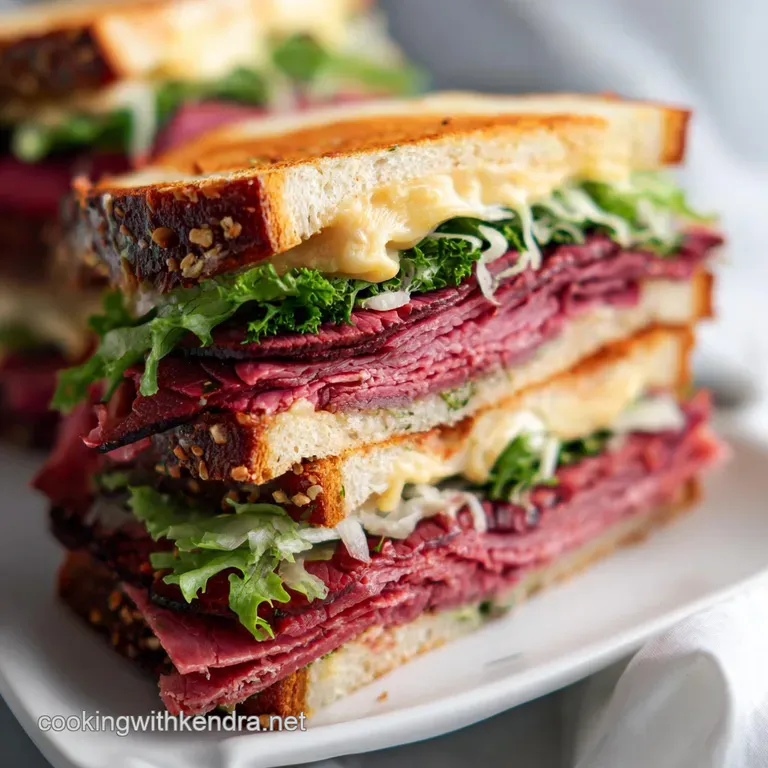
- Prep the cabbage. Squeeze the sauerkraut in a clean kitchen towel until no more liquid comes out. Note: This prevents the "soggy bottom" syndrome.
- Butter the exterior. Spread 1/2 tbsp of butter on one side of each bread slice. Note: Edge to edge coverage is mandatory for even browning.
- Build the base. Turn the bread over and spread a generous layer of spicy brown mustard on the non buttered side.
- Initial Sear. Place the pastrami in four loose piles in a hot skillet. Cook 2 mins until the fat begins to sizzle and smoke slightly.
- The Steam Phase. Add a splash of water to the pan (away from the meat) and immediately cover the meat piles with a dome or lid for 1 minute.
- Cheese Application. Place two slices of Gruyère over each steaming meat pile. Wait 45 seconds until the cheese is drooping and molten.
- Toast the bread. In a separate pan (or the same one if it's large), place the bread butter side down over medium heat.
- The Marriage. Lift the cheesy meat stacks and place them onto four slices of bread while they are still in the pan.
- Top it off. Pile the dried sauerkraut onto the cheese, then top with the remaining bread slices, butter side up.
- Final Flip. Flip the entire sandwich carefully. Cook 3-4 mins until the bottom is golden and the bread feels firm when tapped.
Watching the cheese transform from a solid square into a velvety blanket over the meat is the highlight of this whole process. It acts as a structural adhesive, holding the pile of pastrami together so it doesn't slide out when you take that first massive bite.
Solving Common Texture and Heat Issues
Why Your Bread is Soggy
The most common culprit is the sauerkraut. If you don't squeeze it like you're trying to get a secret out of it, the brine will leak into the bread the second it gets hot. Another reason could be the mustard; if you use a watery yellow mustard instead of a thick stone ground version, it soaks into the crumb.
Always use the "mustard first" barrier method.
The Meat is Tough and Dry
This happens when you sear the pastrami for too long without moisture. Pastrami is already cooked; you're just rethermalizing it. The goal is to melt the fat, not "cook" the protein further. If you skip the steam dome step, the outer edges of the meat will turn into beef jerky.
| Problem | Root Cause | Solution |
|---|---|---|
| Burnt bread, cold cheese | Heat too high | Lower heat to medium low and cover pan |
| Slippery fillings | Too much mustard/kraut | Use cheese as a "glue" on both sides |
| Dry meat | No steam | Add a teaspoon of water and cover immediately |
If you’re having trouble with the structural integrity of your build, remember that assembly order matters. Just like we discuss in The Quintessential reuben recipe, layering the cheese against the bread creates a moisture barrier that keeps the sourdough crunchy.
Common Mistakes Checklist
- ✓ Using cold sauerkraut (it drops the internal temperature of the sandwich)
- ✓ Slicing the bread too thin (it will collapse under the weight of the meat)
- ✓ Forgetting to butter the bread all the way to the very edges
- ✓ Moving the sandwich too much (let the crust develop undisturbed for at least 2 minutes)
- ✓ Cutting the sandwich immediately (the cheese needs a moment to "set")
Simple Variations for Different Needs
If you’re looking to lighten things up, you can swap the butter for a thin layer of Greek yogurt mixed with a bit of lemon juice, though I’ll warn you now: the crunch won't be as spectacular.
For a gluten-free version, use a sturdy gluten-free sourdough; just be aware that these breads often need a little more butter to prevent them from becoming sandy in texture.
If you want a leaner bite, do this: Swap the pastrami for turkey pastrami (it’s much lower in fat but still has the pepper rub). Use a light Swiss cheese and reduce the amount to one slice per sandwich. Increase the sauerkraut volume to add bulk without adding calories.
For those who want to go the opposite direction and make this an "ultimate" experience, try adding a fried egg right into the center of the stack. The runny yolk acts as a natural sauce that makes the whole thing incredibly decadent. It's a move I learned from a small diner in the South, and it never fails to satisfy.
Maintaining Freshness and Using Scraps
Storage: You can keep leftover meat and cheese in the fridge for up to 4 days. However, do not store the fully assembled sandwich. The bread will inevitably turn into a sponge. If you have leftovers, store the components separately and assemble them fresh when you're ready to eat.
Freezing: Pastrami freezes beautifully for up to 3 months. Wrap it tightly in plastic wrap and then foil to prevent freezer burn. To thaw, leave it in the fridge overnight. Don't try to microwave it from frozen, or you'll lose that velvety texture we worked so hard for.
Zero Waste: Don't throw away those little bits of pastrami that fall out while you're slicing! Sauté them with some diced potatoes and onions for a world class breakfast hash the next morning.
Even the leftover sauerkraut brine can be used to marinate chicken or add a hit of acid to a homemade vinaigrette.
Best Sides for a Full Meal
This sandwich is a heavy hitter, so you want sides that offer some brightness. A sharp, vinegar based coleslaw is the classic choice because it cleanses the palate between fatty bites of beef.
I also love serving this with a few extra garlic pickles on the side the crunch is a necessary break from the soft meat and melted cheese.
If you’re feeling particularly hungry, this recipe pairs perfectly with a side of crispy potato wedges or even a light potato salad. For a different sandwich experience on another night, you might want to try our GetYourGreekOn Gyro Sandwich recipe, which offers a similar focus on high-quality meat and bold, tangy toppings but with a Mediterranean twist.
Finally,, don't overlook the beverage. A cold cream soda or a sharp ginger beer has the carbonation and sweetness to cut through the salt and smoke of the pastrami. It’s the kind of meal that makes you want to sit back, forget your phone, and just enjoy the sizzle and the crunch of a job well done.
Critical High in Sodium
2840 mg mg of sodium per serving (123% of daily value)
The American Heart Association recommends limiting sodium intake to about 2,300mg per day.
Tips to Reduce Sodium in Your Reuben
-
Low-Sodium Pastrami-25%
Opt for low-sodium pastrami. This single substitution can significantly reduce the overall sodium content. Look for brands specifically labeled as 'low sodium' or 'reduced sodium'.
-
Rinse the Sauerkraut-20%
Thoroughly rinse the sauerkraut under cold water before squeezing it dry. Rinsing helps remove excess sodium from the brine.
-
Lower Sodium Cheese-15%
Select a lower sodium cheese option, such as Emmental or Jarlsberg. Compare nutrition labels to find the cheese with the least sodium per serving.
-
Reduce Pickles-10%
Use less pickle or find pickles prepared without brine/salt. This is an ingredient high in sodium
-
Bread Choice-10%
Sourdough and rye breads can vary in sodium content. Look for a lower sodium bread or reduce serving size slightly to minimize sodium intake from this source.
-
Spice It Up!
Enhance flavor with fresh herbs and spices instead of relying on salt. Garlic powder, onion powder, smoked paprika, or black pepper can add depth of flavor.
Pastrami Sandwich Recipe FAQs
What ingredients are essential for a classic pastrami sandwich?
high-quality pastrami, sourdough bread, spicy brown mustard, and Swiss cheese are essential. These form the core flavor and texture profile, providing the signature salty, peppery meat, tangy bread, sharp mustard kick, and creamy, melted cheese.
What are the key components of a traditional pastrami sandwich?
The main components are thinly sliced pastrami, thick cut bread (typically sourdough or rye), a spread like spicy brown mustard, and cheese (commonly Swiss or Gruyère). Sauerkraut is a frequent, highly recommended addition that adds a vital tangy counterpoint.
What condiments and additions best complement a pastrami sandwich?
Spicy brown mustard and sauerkraut are classic pairings that offer essential tang and acidity. For extra decadence, try a slice of Swiss or Gruyère cheese, which melts beautifully and complements the rich meat.
What are common mistakes to avoid when making a pastrami sandwich?
Overcooking the pastrami, using soggy sauerkraut, or not buttering the bread evenly are common errors. Pastrami is already cooked; the goal is to heat it through and melt the fat without drying it out, and proper preparation of all components is key to texture.
How thin should pastrami be sliced for a sandwich?
Aim for 1/16th of an inch thickness for optimal texture and heat penetration. This ultra thin slicing allows the fat to render beautifully and ensures the meat remains tender, rather than tough.
Can I use a different type of bread for my pastrami sandwich?
Yes, while sourdough and seeded rye are traditional, other sturdy breads work. If you enjoyed the focus on structural integrity in this recipe, you might also appreciate the same principle applied in our Classic Italian Grinder Sandwich recipe, which uses a similarly robust bread.
What's the secret to achieving a perfectly crispy exterior on a pastrami sandwich?
Thoroughly buttering the outside of the bread and cooking over medium low heat are crucial. This allows the butter to melt evenly and toast the bread to a golden brown crisp without burning before the interior is heated through.
Pastrami Sandwich Recipe
Ingredients:
Instructions:
Nutrition Facts:
| Calories | 842 kcal |
|---|---|
| Protein | 62g |
| Fat | 42g |
| Carbs | 56g |
| Fiber | 4g |
| Sugar | 5g |
| Sodium | 2840mg |
