Boiled Sweet Potatoes: the Perfect Foundation
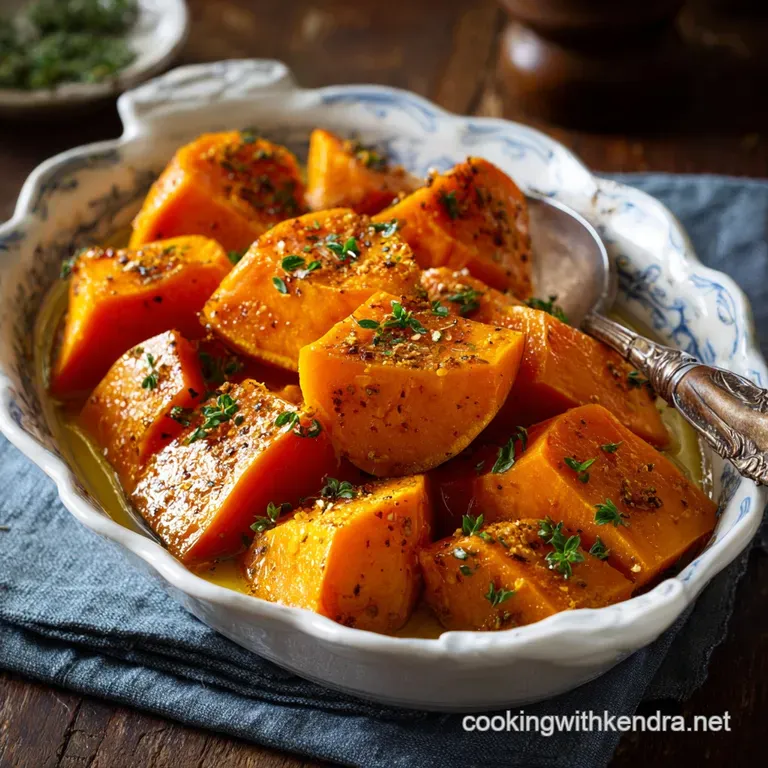
- The Brilliant Basics: Perfectly Boiled Sweet Potatoes (A Versatile Foundation)
- Mastering the Essential: Why Perfecting the Sweet Potato Boil Matters
- The Science of Sweetness: Achieving Ideal Texture and Flavor
- Gathering Your Simple Ingredients and Essential Prep Notes
- Comprehensive Cooking Method: How to Perfectly Cook Sweet Potatoes
- Expert Tips and Troubleshooting Common Boiling Mistakes
- Making Ahead: Proper Storage and Freezing Cooked Sweet Potatoes
- Versatile Pairings: Serving Suggestions for Your Perfectly Prepared Potatoes
- Recipe FAQs
- 📝 Recipe Card
The Brilliant Basics: Perfectly Boiled Sweet Potatoes (A Versatile Foundation)
That deep, sweet, earthy aroma rising from the pot? Pure comfort, honestly. Achieving truly magnificent, velvety smooth Boiled Sweet Potatoes requires zero fancy equipment, just sharp technique. Forget the mushy, gray disasters of your past attempts.
We are aiming for tender, slightly fudgy perfection that holds its shape beautifully.
This method is my secret weapon for fast meal prep. Sweet potatoes are cheap, nutritious, and incredibly versatile; boiling them perfectly saves you serious time later in the week.
They are the ultimate base for busy weeknights, whether you’re mashing them, dicing them for a salad, or just eating them plain with a knob of butter.
Stick with me. We are going to nail the texture and flavour profile so that your next batch of Boiled Sweet Potatoes is genuinely the best you've ever tasted. We treat this simple root like royalty, ensuring every cube is evenly cooked and properly seasoned. Let's crack on with the essentials.
Mastering the Essential: Why Perfecting the Sweet Potato Boil Matters
Why fuss over boiling? Because great cooking is built on mastering the fundamentals. If you just chuck sweet potatoes into simmering water haphazardly, you end up with mushy edges and a disappointingly hard center. That’s wasted food, friend.
Getting the proper texture right from the start means your finished dish be it a puree or a diced side will be fantastic. Perfecting Boiled Sweet Potatoes is fundamental kitchen knowledge.
The Science of Sweetness: Achieving Ideal Texture and Flavor
This isn't just magic; it’s thermodynamics and basic chemistry. We need to control how heat penetrates the starch structure inside the tuber. Achieving the ideal texture for your Boiled Sweet Potatoes depends entirely on the initial temperature and the uniformity of the cut.
The Difference Between Saturated and Tender Tubers
Saturated means soggy and waterlogged; tender means soft yet firm, holding its structure until lightly pressed. The goal is to cook the potatoes until the starch granules burst just enough to be creamy, but not so much that they turn gluey.
A successful batch of Boiled Sweet Potatoes should fall away easily from a fork, not clump around it.
Nutritional Powerhouse Status and Health Benefits
Let’s be real, Boiled Sweet Potatoes Nutrition is stellar. They are packed with beta carotene, which your body converts into Vitamin A. They are also high in fiber, making them excellent for gut health.
And yes, for those monitoring blood sugar, enjoying Boiled Sweet Potatoes for Diabetics is a smart choice due to their complex carbohydrates, especially compared to white potatoes.
Understanding Sweet Potato Varieties for Boiling Success
Most standard orange fleshed varieties (Beauregard, Jewel, Garnet) work beautifully here. They have a higher moisture content, which is great for boiling and mashing. If you use a white or purple sweet potato (like Hannah or Okinawa), just be aware they are often starchier and might require a couple of extra minutes of cook time.
You want firm potatoes for the best Boiled Sweet Potatoes .
Why Starting in Cold Water is Crucial for Even Cooking
This is the non-negotiable rule for root vegetables, period. Starting your potatoes in cold water allows the internal temperature to rise slowly and evenly with the water. If you skip this, your Boiled Sweet Potatoes will have mushy, blown out edges and a frustratingly crunchy core.
Always start cold!
Controlling Starch Conversion During the Boiling Process
When sweet potatoes cook slowly, enzymes convert some of the starches into maltose, a natural sugar. This process is why properly prepared Boiled Sweet Potatoes taste incredibly sweet and flavourful. Fast boiling can inhibit this, resulting in a less sweet, potentially raw-tasting potato.
Keep the simmer gentle once the boil is reached.
The Role of Salinity in Flavor Infusion
Think of the boiling water like a marinade. If the water tastes bland, your potatoes will taste bland. We want to season the potato all the way through, not just on the surface. A tablespoon of coarse salt per quart of water is my minimum.
This initial seasoning is essential for creating truly delicious Boiled Sweet Potatoes .
Gathering Your Simple Ingredients and Essential Prep Notes
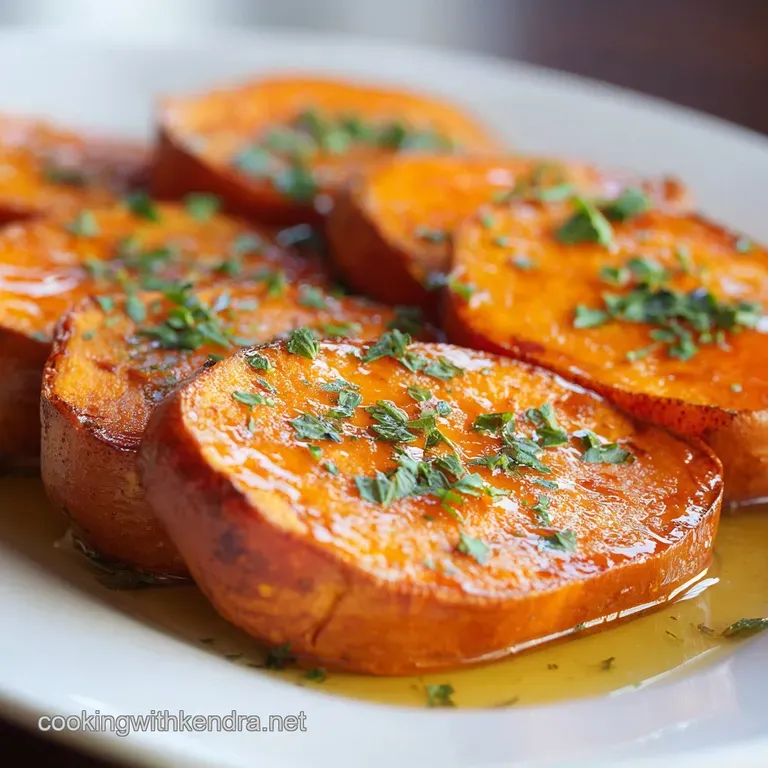
The beauty of this recipe is its simplicity. You don't need much, but what you use needs to be of good quality. We are preparing the most basic, yet most important, component of many meals.
Selecting the Best Tubers for Boiling
Choose medium sized sweet potatoes that are firm to the touch and have no soft spots or dark patches. I aim for potatoes that are similar in diameter, as this also helps with overall consistency when cutting them into cubes.
Equipment Checklist: Pots, Strainers, and Tongs
You’ll need a large stockpot (don't overcrowd the potatoes!), a sharp knife for even cutting, a sturdy colander for drainage, and a thin metal skewer or fork for testing doneness. That’s it. Fancy gadgets are not needed for phenomenal Boiled Sweet Potatoes .
The Debate Settled: Do You Peel Them Before or After Boiling?
For simplicity and speed, I recommend peeling them before if you plan on mashing or pureeing the result. If you are serving the sweet potatoes diced in a salad or as a chunky side, you can leave the skin on for texture and extra fiber. Just make sure to scrub them vigorously first!
Salt, Water, and Optional Aromatic Boosts (e.g., Bay Leaf)
We need cold water and plenty of salt. That’s the core. For an optional subtle background note that hints at savoury depth, drop in one or two bay leaves. This aromatic inclusion works wonders if you plan on using the finished sweet potatoes in a savoury application, like a hearty hash or a winter stew.
These subtle additions make the difference between plain and perfect Boiled Sweet Potatoes .
| Ingredient | Substitute | Note |
|---|---|---|
| Coarse Sea Salt | Kosher Salt or Bouillon Powder | Use bouillon if making a savoury side, but beware of high sodium content. |
| Butter (for serving) | Olive Oil or Coconut Oil | Use oil for a vegan option; the richness still balances the sweetness. |
| Sweet Potato | Orange Fleshed Yam | Yams are similar but usually less sweet and starchier; adjust cooking time slightly. |
Comprehensive Cooking Method: How to Perfectly Cook Sweet Potatoes
This method ensures even cooking and optimal flavour infusion. Follow these steps precisely for the best results.
Phase I: Preparation
- Wash and Peel (Optional): Thoroughly scrub your sweet potatoes under cold running water. Pat them dry. Peel them completely if aiming for a super smooth texture.
- Dice Evenly: Cut the sweet potatoes into roughly 1 inch (2.5 cm) cubes. Crucial Step: Uniform size is essential to guarantee every piece of your Boiled Sweet Potatoes cooks at the exact same rate.
Phase II: The Boil
- Cold Water Start & Seasoning: Place the diced sweet potatoes into the large pot. Pour in enough cold water to cover the potatoes by at least 1 inch (2.5 cm). Add the generous measure of sea salt.
- Bring to a Boil: Place the pot over high heat and bring the water to a rolling, vigorous boil.
- Reduce Heat and Simmer: Once boiling furiously, reduce the heat slightly to maintain a steady, robust simmer. Cook uncovered. Do not aggressively boil, as this breaks up the delicate edges.
- Test for Doneness (Approx. 15 20 Minutes): After 15 minutes, check the potatoes by piercing a piece with a fork or thin skewer. The piece should slide off easily with no resistance. If there is resistance, continue cooking and check every 2 minutes. The total Sweet Potato Boiling Time depends on the size of your cubes.
Phase III: Finishing
- Drain Thoroughly: Remove the pot from the heat and immediately pour the contents into a sturdy colander in the sink.
- Dry Out Residual Moisture: Chef’s Tip: Return the drained sweet potatoes to the empty, hot saucepan. Place the pan back on the hob over very low heat for 30 60 seconds, gently shaking the pan occasionally. This step evaporates the remaining surface moisture, preventing a watery result and concentrating the flavour of the finished Boiled Sweet Potatoes .
- Serve or Finish: Serve immediately, either plain or dressed simply with butter and black pepper.
Expert Tips and Troubleshooting Common Boiling Mistakes
I’ve made every mistake in the book, from uneven cooking to creating potato paste. These tips will help you skip the errors and go straight to success when preparing your Boiled Sweet Potatoes .
Preparation and Uniform Chopping Techniques
Seriously, don’t rush the cutting. If you have chunks ranging from half an inch to two inches, the small pieces will dissolve while the large pieces remain raw. Aim for uniformity; a slightly longer prep time pays off huge dividends.
The Precise Timeline: Determining Boiling Duration
While 15– 20 minutes is a good estimate for how long to boil sweet potatoes, the clock is less important than the feel. Check early, around the 12 minute mark, especially if you cut the pieces smaller than 1 inch.
Overcooking is the quickest way to ruin Boiled Sweet Potatoes .
Testing for Doneness (Fork Tender vs. Mushy)
Use a thin skewer if you have one. It provides a more precise measure of resistance. A perfectly cooked piece will require almost zero effort to pierce, but it won’t fall apart on the skewer. If it cracks and disintegrates, you’ve gone too far.
The Crucial Draining and Resting Period
Immediately after draining, the potatoes are steaming hot and full of internal moisture. Letting them rest in the colander for just one minute allows some of that steam to escape before you begin the crucial drying step.
Preventing Uneven Cooking (The 'Hot Spot' Issue)
If you are using a huge pot, sometimes the elements on your stove can create hot spots, causing the potatoes directly touching the bottom to cook faster. To mitigate this, give the potatoes one gentle stir just as the water reaches a boil, and then leave them alone.
The Disaster of Waterlogging (How to Avoid Soggy Potatoes)
This is the death knell of good mash. Waterlogging happens when the potatoes sit too long in the boiling water or if they aren't properly drained and dried. That final minute back in the hot, empty pan is the key to preventing a watery outcome for your Boiled Sweet Potatoes .
You are gently steaming away residual surface moisture, concentrating the flavour.
Chef's Note: If you are planning to make a smooth puree, that short drying phase is absolutely mandatory. It prevents the addition of too much liquid later on, yielding a much richer, fudgier result.
Making Ahead: Proper Storage and Freezing Cooked Sweet Potatoes
Perfectly boiled sweet potatoes are fantastic for meal prepping. You can whip up a large batch and use them in different ways throughout the week.
Refrigerator Longevity: How Long Do Cooked Potatoes Last?
Cooked, plain Boiled Sweet Potatoes will last safely in an airtight container in the refrigerator for 4 to 5 days. Make sure they are fully cooled before sealing the container to prevent condensation and spoilage.
Best Practices for Freezing and Thawing
Yes, they freeze beautifully! If they are diced, flash freeze the pieces on a baking sheet until solid (about 2 hours), then transfer them to a freezer safe bag, pressing out all the air. They will maintain quality for up to six months.
Thaw overnight in the fridge before using in salads or warming up.
Reheating Methods That Maintain Texture Integrity
Avoid nuking them in the microwave if you want crispy edges. If they are diced, reheating them quickly in a hot air fryer or a 400°F (200°C) oven for about 5- 8 minutes will restore some surface texture.
If you’re reheating mash, a over low heat simmer in a saucepan with a splash of milk or cream works best.
Versatile Pairings: Serving Suggestions for Your Perfectly Prepared Potatoes
Once you have achieved that perfect batch of Boiled Sweet Potatoes , the possibilities are endless. These aren't just a side dish; they are a blank canvas.
Simple Seasonings and Finishing Touches (Butter, Herbs, Cinnamon)
Sometimes, the simplest approach is the best. Toss the hot, dried cubes with a spoonful of butter, a pinch of sea salt, and a generous crack of black pepper. For a sweeter take, try serving your Boiled Sweet Potatoes with Brown Sugar and cinnamon, maybe even a tiny dash of vanilla extract.
Transforming Boiled Tubers into Mash or Puree
This perfect base is ideal for mashing. Add buttermilk, browned butter, and a bit of nutmeg for an incredibly luxurious side dish. Alternatively, blend them with a little stock and a squeeze of lime to create a light, bright puree. I often use these as a base before adding them to a hearty bowl of Chicken and Sweetcorn Soup: Silky Takeaway Classic Made Easy .
Cold Applications (Salads and Meal Prep Bowls)
The firm texture achieved by starting in cold water means these potatoes hold their shape well once cooled. They shine in cold applications. Cube them up, toss them with cilantro, red onion, a lime vinaigrette, and black beans for an amazing, nutritious lunch. You could even pair them up with my recipe for Boiled Shrimp Recipe: Plump Juicy in 30 Minutes for a vibrant tropical salad.
Mastering Boiled Sweet Potatoes is truly a game changer for your home cooking routine. It’s quick, it’s cheap, and the result is a perfect, versatile building block for almost any meal you can dream up. Now go forth and boil brilliantly!

Recipe FAQs
Why did my sweet potatoes turn out mushy or waterlogged?
Overcooking is the primary culprit; sweet potatoes continue to absorb water and soften rapidly after they become tender. Ensure you check for doneness precisely when the fork glides through, and immediately drain and remove them from the hot pot.
Also, boiling potatoes cut into very small pieces accelerates cooking time, increasing the risk of premature disintegration.
Should I peel the sweet potatoes before boiling, or keep the skin on?
It is generally better to boil them with the skin on, especially if you plan to mash or cube them afterward, as the skin helps retain nutrients and prevents waterlogging. If you absolutely must peel them first, ensure you cut them into larger, uniform pieces to slow the absorption of the boiling water.
The skin easily slips off once they are cooked.
How long can I safely store leftover boiled sweet potatoes?
Properly cooled and stored in an airtight container, boiled sweet potatoes will keep well in the refrigerator for 3 to 4 days. If you are keeping them whole, wrapping them individually in plastic wrap can help maintain their moisture content and freshness.
Always ensure they reach room temperature before sealing and refrigerating them.
Can boiled sweet potatoes be frozen for later use?
Yes, but freezing is usually more successful if the potatoes are mashed or pureed rather than whole or cubed, as the texture of whole boiled potatoes often becomes slightly grainy upon thawing.
If freezing whole, ensure they are thoroughly cooled, vacuum sealed to prevent freezer burn, and plan to use them in baked goods immediately after thawing.
What is the best way to determine if a sweet potato is perfectly boiled?
The best test is the fork tender method: insert a sharp fork or paring knife into the thickest part of the potato it should meet little resistance and slide out easily. Avoid cooking them until they are falling apart or cracking significantly, as this indicates they are already overcooked and losing structure.
How can I add flavor to the sweet potatoes while they are boiling?
Always add salt to the cooking water, which is essential for drawing out the natural sweetness of the vegetable and preventing blandness. For subtle infusion, you can also add a cinnamon stick, a splash of vanilla extract, or a few slices of fresh ginger to the pot.
For a savory base, consider boiling them in low-sodium vegetable stock instead of plain water.
Do I need to start the sweet potatoes in cold or boiling water?
Always start root vegetables like sweet potatoes in cold water, ensuring the water covers them by about an inch. Starting in cold water allows the vegetable to heat up gradually and cook evenly from the center to the outside.
Starting them in already boiling water would result in a hard center and an overcooked, mushy exterior.
Perfect Boiled Sweet Potatoes
Ingredients:
Instructions:
Nutrition Facts:
| Calories | 160 kcal |
|---|---|
| Fat | 0.5 grams |
| Fiber | 6 grams |
