Rice Long Grain White Rice: Fluffy and Separate
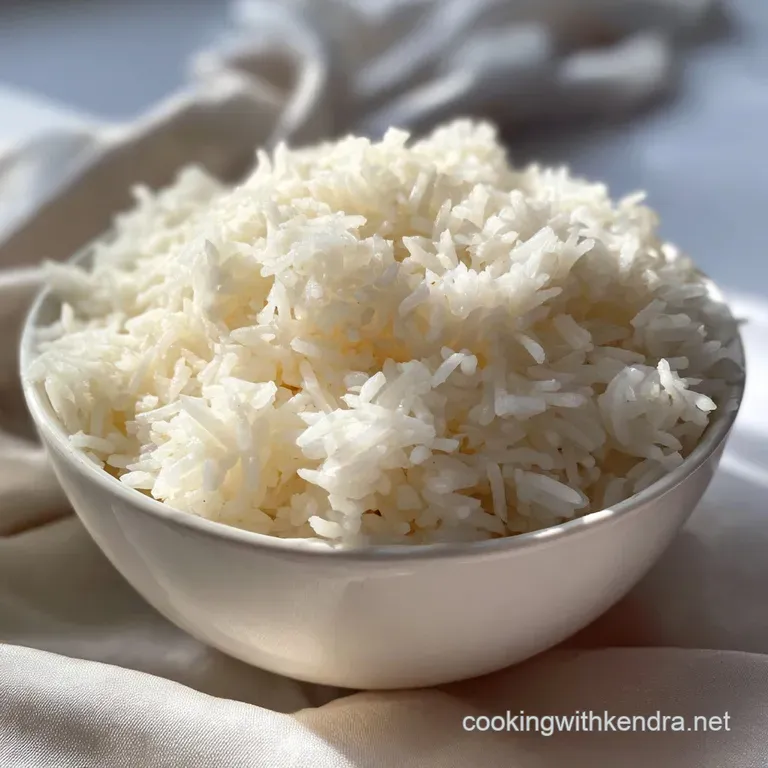
- Time: Active 5 minutes, Passive 28 minutes, Total 33 minutes
- Flavor/Texture Hook: Light, fluffy, and separate grains with a hint of bay leaf
- Perfect for: Stress free weeknight dinners and meal prep enthusiasts
- Fluffy and separate rice long grain white rice for busy weeknights
- The Physics of the Fluffy Grain: Science for Success
- Timing and Ratios for the Best Grain White Rice
- Selecting the Right Elements for Your Rice Long Grain
- Essential Tools for Stress Free Stove Cooking
- The Step-by-Step Path to Every Grain Standing Alone
- Fixing Common Starch Blunders and Grain Disasters
- Creative Flavor Variations and Healthy Diet Swaps
- Smart Reheating and Storage Tips for Busy Families
- The Best Pairings for Your Fluffy White Rice
- Recipe FAQs
- 📝 Recipe Card
Fluffy and separate rice long grain white rice for busy weeknights
There is nothing quite like the sound of a heavy pot lid settling into place, followed by that low, rhythmic hiss of steam escaping just enough to let you know something good is happening.
I remember my first few months of cooking on my own, I would hover over the pot, lifting the lid every two minutes, terrified the bottom was scorching. The result? A gummy, uneven mess that honestly looked more like wallpaper paste than dinner.
It took me a dozen soggy batches to realize that white rice isn't just an ingredient, it’s a lesson in patience and letting go.
This recipe is the one I lean on when my kitchen is chaotic and I need a reliable side for the family. We aren't doing anything fancy here, just using a few small tricks to make sure the grains don't clump together.
The aroma of the bay leaf hitting the warm water is a tiny bit of kitchen magic that makes the whole house smell like a cozy home. Once you nail this, you’ll never look at a "boil in-a bag" box again.
We have all been there, staring at a pot of rice that’s either a brick or a soup. But this specific method for rice long grain white rice is about consistency. We are going to treat the grains with a bit of respect by rinsing away the excess starch and letting the steam do the heavy lifting.
You'll get grains that are tender but still have a distinct "bite" to them, which is exactly what we want for soaking up sauces or acting as a base for a stir fry.
The Physics of the Fluffy Grain: Science for Success
Surface Starch Elimination
Amylopectin Reduction: Rinsing the grain removes the loose surface starch that otherwise creates a sticky, glue like coating during the boiling process. This ensures each grain remains individual rather than clumping into a massive ball.
The Absorption Equilibrium
Hydration Control: By using a sealed environment, we force the water into the crystalline structure of the starch, causing it to swell and soften without bursting. This prevents the "mushy" texture that occurs when grains are over hydrated or agitated during the cook.
Resistant Starch Optimization
Retrogradation Phase: Allowing the rice to rest off the heat after cooking lets the starch molecules begin to realign and firm up. This creates a more resilient texture that holds up better when mixed with heavy sauces or gravies.
| Method | Time | Texture | Best For |
|---|---|---|---|
| Stovetop (Classic) | 33 minutes | Fluffy & separate | Everyday family meals |
| Pressure Cooker (Fast) | 22 minutes | Slightly softer | Bulk meal prep |
| Traditional Pilaf | 40 minutes | Nutty & firm | Special occasion sides |
Choosing the right method depends on how much time you have and what you're serving it with. The stovetop method remains my favorite because you can keep an eye on the simmer level, which is the secret to preventing that dreaded scorched bottom.
Timing and Ratios for the Best Grain White Rice
When you are juggling three different things on the stove, you need numbers you can trust. I have found that sticking to these precise measurements avoids the guesswork that leads to kitchen stress.
- 1:2 Ratio: This is the golden rule for our rice long grain white rice. For every 1.5 cups of rice, we use exactly 3 cups of water to ensure perfect hydration.
- 18 Minute Simmer: This is the sweet spot where the water is fully absorbed but the grains haven't begun to dry out or burn.
- 10 Minute Rest: This is the most ignored step, but it is the difference between "wet" rice and "fluffy" rice.
Selecting the Right Elements for Your Rice Long Grain
| Ingredient | Science Role | Pro Secret |
|---|---|---|
| Long Grain White Rice | Structure provider | High amylose content keeps grains from sticking together during the simmer. |
| Filtered Water | Hydration agent | Using filtered water prevents mineral tastes from interfering with the delicate grain flavor. |
| Sea Salt | Flavor catalyst | Salt penetrates the grain during the cook, seasoning it from the inside out. |
| Extra Virgin Olive Oil | Lubrication/Fat | A tiny bit of oil coats the grains, adding a subtle sheen and further preventing sticking. |
I always keep a jar of high-quality long grain rice in the pantry. It is more versatile than the short grain varieties which are better suited for things like risotto or sushi. For a really great result, look for a brand that isn't too dusty in the bag, as that's a sign of broken grains which will always turn out mushy.
If you are out of something, don't panic. This dish is very forgiving as long as you keep the moisture ratios consistent.
| Original Ingredient | Substitute | Why It Works |
|---|---|---|
| Filtered Water (3 cups) | Chicken or Veggie Broth | Adds a savory depth. Note: Reduce added salt by half if using salted broth. |
| Olive Oil (1 tsp) | Unsalted Butter | Adds a rich, velvety mouthfeel and a classic "home cooked" aroma. |
| Bay Leaf (1 small) | Thyme Sprig | Provides a different earthy note great for pairing with roasted meats. |
Using broth instead of water is a classic move if you want to turn a simple side into the star of the show. It’s a trick I often use for my Foolproof Fluffy Rice recipe when I'm serving it alongside a plain protein.
Essential Tools for Stress Free Stove Cooking
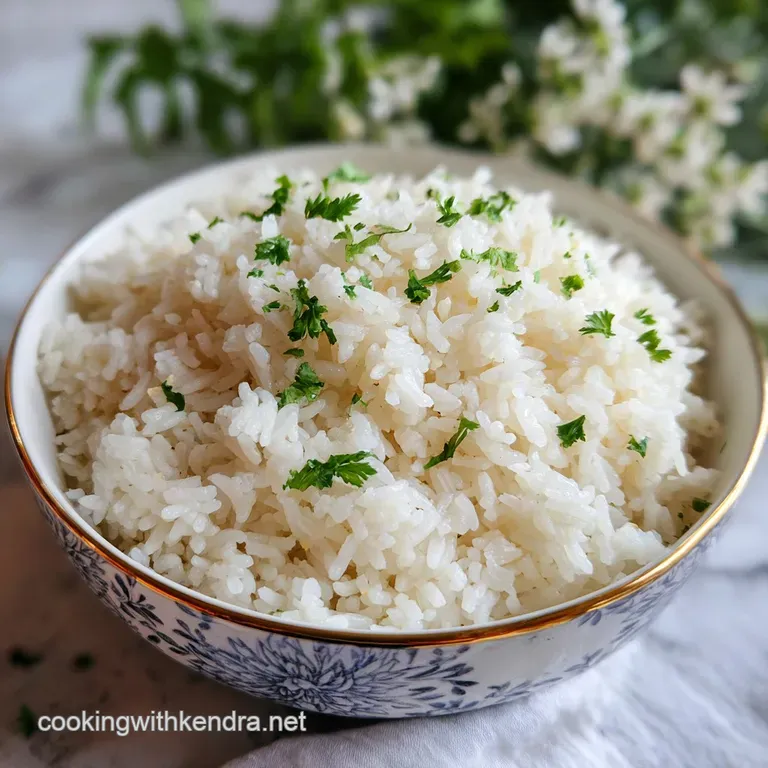
You don't need a high end rice cooker to get restaurant quality results, I promise. In fact, some of my best batches have come out of a simple, heavy bottomed 2 quart saucepan. The heavy bottom is key because it distributes heat evenly, preventing "hot spots" that can burn the rice in one corner while the rest is still raw.
A tight fitting lid is the other non negotiable tool. If your lid is a bit loose or has a steam vent that’s too large, you’ll lose too much moisture, and the rice will end up crunchy.
If you have a lid that isn't quite snug, you can place a clean tea towel between the pot and the lid to create a tighter seal just be careful to tuck the edges up so they don't catch fire!
The step-by-step Path to Every Grain Standing Alone
- Rinse the rice. Place 1.5 cups (285g) rice long grain white rice in a fine mesh sieve and run cold water over it until the water runs clear. Note: This removes excess surface starch.
- Combine ingredients. Add the rinsed rice, 3 cups (710ml) filtered water, 1/2 tsp (3g) Sea salt, 1 tsp (5ml) Extra virgin olive oil, and 1 small bay leaf to your saucepan.
- Boil the water. Turn the heat to high and bring the mixture to a rolling boil until large bubbles break the surface.
- Seal and simmer. Stir once to ensure no grains are stuck to the bottom, then cover with a tight lid and drop the heat to the lowest possible setting.
- Set the timer. Cook for 18 minutes without lifting the lid until the water is completely absorbed.
- The "No Peeking" rule. Turn off the burner but keep the pot on the warm element with the lid still on.
- Let it rest. Allow the pot to sit undisturbed for 10 minutes until the steam finishes the cooking process. Note: This firms up the grains.
- Remove the bay leaf. Lift the lid and discard the bay leaf before touching the rice.
- The aeration finish. Use a fork to gently lift and toss the grains until the rice looks airy and voluminous.
- Final check. Taste for seasoning and add another pinch of salt if you think it needs it, then serve immediately.
Fixing Common Starch Blunders and Grain Disasters
The Mushy Mess
If your rice comes out looking like porridge, it usually means there was too much water or the rice was over agitated while cooking. Stirring rice while it simmers is a big no no because it breaks the grains and releases more starch.
The Crunchy Core
Under cooked rice usually happens when the lid wasn't tight enough and the steam escaped, or the heat was too high, evaporating the water before the rice could absorb it. You can sometimes save this by adding 2 tablespoons of boiling water, covering it tightly, and letting it sit on very low heat for 5 more minutes.
The Scorched Bottom
This is usually caused by a pot that is too thin or a "low" setting that is actually too high. If you smell burning, don't stir! You'll just mix the burnt flavor into the good rice. Gently scoop the good rice from the top and leave the scorched layer behind.
| Problem | Root Cause | Solution |
|---|---|---|
| Rice is sticky | Surface starch not rinsed | Rinse rice in a sieve until the water is completely clear next time. |
| Rice is still wet | Insufficient resting time | Let it sit covered off the heat for a full 10 minutes to absorb residual steam. |
| Grains are unevenly cooked | Peeking during the simmer | Never lift the lid; it drops the internal temperature and stops the steaming process. |
Chef's Tip: If you find your rice is consistently sticking to the bottom, try toasting the dry rice in the oil for 2 minutes before adding the water. This creates a protective "shell" around the grain.
Common Mistakes Checklist
- ✓ Skipping the rinse (this is why it gets gummy!)
- ✓ Using a pot that is too small (the rice needs room to expand)
- ✓ Lifting the lid before the timer goes off
- ✓ Forgetting to let it rest off the heat
- ✓ Fluffing with a spoon instead of a fork (spoons mash the grains)
Creative Flavor Variations and Healthy Diet Swaps
2 Flavor Twists
If you want to change things up, try the "Citrus Herb" version. After fluffing the rice, fold in the zest of one lime and a handful of chopped cilantro. It’s a bright, fresh way to serve this with fish or grilled chicken.
For a savory "Garlic Butter" version, sauté two cloves of minced garlic in the olive oil for 30 seconds before adding the rice and water.
2 Diet Swaps
For those looking to lower the glycemic index, you can swap half of the white rice for riced cauliflower. You'll need to reduce the water by about 1/4 cup since the cauliflower releases its own moisture.
Another option is to use a "Golden Rice" method by adding 1/2 teaspoon of turmeric to the water; it doesn't change the texture but adds a beautiful color and a boost of antioxidants.
Decision ShortcutIf you want extra fluff, wash the grains three times in a bowl of water, swirling and draining each time. If you want a nutty flavor, toast the dry grains in the pot for 3 minutes until they smell like popcorn.
If you want zero sticking, place a clean tea towel under the lid during the 10 minute resting phase.
Smart Reheating and Storage Tips for Busy Families
Storing white rice is easy, but you have to be smart about it to keep it safe. Always get your leftovers into the fridge within an hour of cooking. In an airtight container, it will stay fresh for up to 4 days.
When it comes to reheating, the microwave is your friend, but only if you add moisture. Sprinkle a teaspoon of water over the rice and cover it with a damp paper towel before heating. This recreates the steam environment and prevents the grains from becoming hard little pebbles.
If you have extra, you can freeze it in freezer bags for up to 3 months it's a lifesaver for those "nothing in the house" nights.
For a zero waste tip, don't throw away that slightly dried out rice from day three. It is actually the best foundation for a Fried Rice recipe because the lower moisture content allows the grains to crisp up beautifully in a hot pan.
The Best Pairings for Your Fluffy White Rice
This rice is a blank canvas. I love serving it under a big scoop of my Sticky Teriyaki Grilled recipe because the grains soak up that homemade glaze perfectly. It also works beautifully with any kind of stew or curry where you want something neutral to balance out bold spices.
For a quick lunch, I'll often just toss a bowl of this rice with some soy sauce, a fried egg, and a drizzle of sesame oil. It’s the ultimate comfort food for a busy home cook. Whatever you pair it with, just remember that the goal is a grain that stands on its own.
The Truth About Salt in Rice
Some people think you should salt the water like pasta water, but that is a mistake. Since rice absorbs all the liquid, you only need enough salt for the rice itself. Using too much will make the grains unpalatable. Stick to the 1/2 teaspoon for every 1.5 cups of rice and you’ll be perfectly seasoned every time.
Rinsing Does Not Remove All Nutrients
A common myth is that rinsing rice washes away all the "good stuff." While some surface level enrichment might be lost, the vast majority of the grain's nutrition is inside. The texture improvement you get from rinsing far outweighs the negligible loss of surface vitamins.
Just rinse it your taste buds will thank you.
Recipe FAQs
Is long grain rice the same as white rice?
No, they describe different attributes. White rice refers to the milling process that removes the bran and germ, while long grain describes the shape (length-to-width ratio). Most long grain rice sold is white rice, but brown long grain rice also exists.
Is long grain rice healthier than white rice?
No, this is a common misconception if comparing milled white long grain to brown long grain. Milled white long grain rice has had the nutrient rich bran and germ removed, making brown long grain rice the healthier option due to higher fiber content.
What is the ratio of water to rice for long grain white rice?
The ideal ratio is 1 part rice to 2 parts water. For example, use 1.5 cups of rice with exactly 3 cups of water for fluffy, separate grains on the stovetop.
How do you cook long grain white rice for fluffy, separate grains?
Rinse the rice thoroughly under cold water until the water runs clear. Combine rinsed rice, water, salt, and a teaspoon of oil in a saucepan, bring to a boil, then immediately cover, reduce heat to low, and simmer for 18 minutes without lifting the lid.
Why must I let the rice rest after cooking?
Resting is crucial for texture stabilization. Allowing the pot to sit, covered, off the heat for 10 minutes lets the internal steam fully redistribute and allows the starch molecules to firm up (retrogradation).
Can I use broth instead of water for more flavor?
Yes, using broth significantly enhances the flavor profile. If you use salted broth, remember to reduce the amount of added salt significantly, similar to how we manage seasoning when preparing our Ramen Noodle Soup recipe.
What is the best way to fluff the rice after it's done cooking?
Gently lift and aerate the grains using a large fork. Do this only after the 10-minute rest period is complete and the bay leaf has been removed. Using a fork prevents mashing the tender grains like a spoon would.
Perfect Long Grain White Rice
Ingredients:
Instructions:
Nutrition Facts:
| Calories | 270 kcal |
|---|---|
| Protein | 5 g |
| Fat | 1.6 g |
| Carbs | 57 g |
| Fiber | 1 g |
| Sugar | 0 g |
| Sodium | 290 mg |
