The Sunday Roast of Pasta Proper Baked Spaghetti Casserole Aka Spasagna
Why This "Spasagna" Replaces Your Traditional Lasagna Recipe
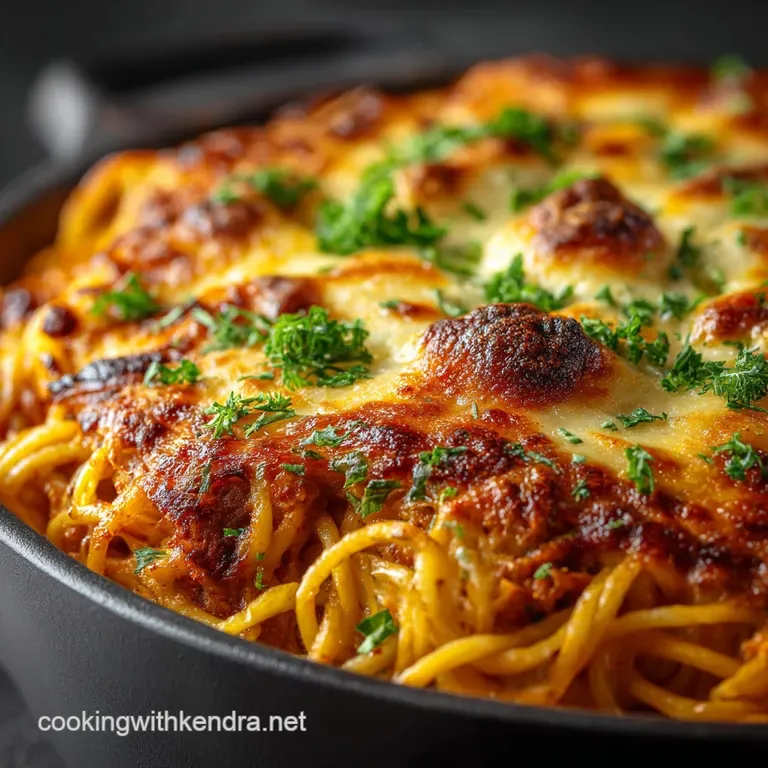
Welcome to the world of Baked Spaghetti , often lovingly nicknamed "Spasagna" for its incredible hybrid qualities. This is not merely a pasta dish; it is a substantial, layered baked spaghetti casserole that delivers all the hearty, comforting satisfaction of classic lasagna without the tedious requirement of perfectly layering delicate pasta sheets.
Where lasagna requires precision, this recipe embraces rustic abundance. It’s an undeniable hero among Main Dish Recipes , providing a robust, complex flavor profile ideal for feeding large groups or establishing a dependable weekly anchor meal.
The key difference lies in the way the noodles are prepared, turning loose strands of spaghetti into a firm, sliceable foundation capable of supporting rich sauce and generous blankets of cheese.
Casserole Comfort: How This Dish Became a Family Legacy Meal
For generations, dishes like this have anchored family gatherings, embodying the spirit of traditional Country Cooking . This particular baked spaghetti recipe is designed to be substantial, fulfilling that deeply ingrained need for warmth and nourishment found in heritage meals.
It takes a humble 1 lb of spaghetti and transforms it, through thoughtful preparation, into 8 generous servings a true feast. This is the meal you bring to a potluck when you want rave reviews, or the centerpiece you serve when hosting, as it only improves with time.
The aroma of the slow simmered ragu filling your kitchen is the first hint that you're creating a new family legacy.
The Difference Between Baked Spaghetti and Regular Pasta Bakes
Many modern Pasta Dishes simply involve mixing cooked noodles with sauce and cheese, then baking until bubbly. Our method for this baked spaghetti is far more sophisticated, demanding a "medium" level of cooking engagement that yields superior results.
The complexity arises from managing three distinct components: a slow simmered, 40-minute ragu; a creamy ricotta filling; and, crucially, the pre-bound spaghetti base. We actively coat the cooked spaghetti with a mixture of beaten eggs and Parmesan cheese.
This binder acts as a mortar, ensuring that when you slice into the finished casserole, the noodles hold their shape, allowing you to serve neat, impressive squares instead of a sloppy scoop.
Essential Components for the Ultimate Baked Spaghetti Ragu
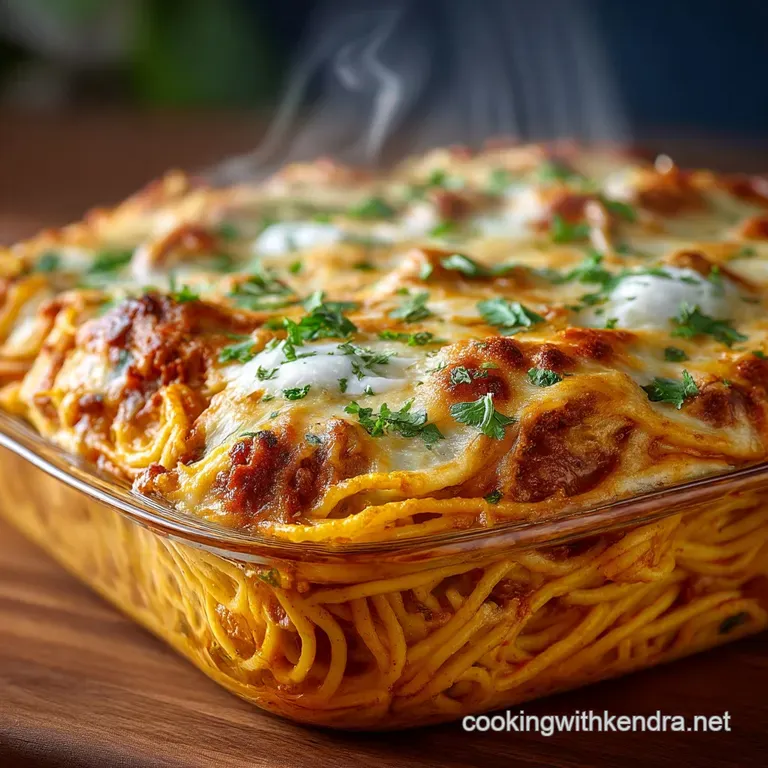
The foundation of any spectacular baked dish is a phenomenal sauce. For this recipe, we reject the notion of using jarred sauce alone, opting instead for a scratch made, rich ragu built around high-quality canned crushed tomatoes, aromatics, and lean ground beef .
This dedication to the sauce preparation is what elevates this dish beyond a simple weeknight meal.
Selecting the Best Cheese Blend for Maximum Melt and Texture
A successful baked spaghetti casserole relies on a synergistic three cheese blend, each playing a critical role in texture and flavour. First, the half cup of grated Parmesan is integrated directly into the spaghetti binder, contributing salinity and depth to the noodle base.
Next, the creamy heart of the dish is the 15 oz of whole milk ricotta, which is lightly seasoned and mixed with an egg. This ensures the ricotta layer remains smooth and moist a key textural element that often replaces the use of heavy cream or sour cream found in simplified versions of baked spaghetti with cream cheese .
Finally, the top layer calls for 1 cup of shredded mozzarella and a final sprinkle of Parmesan, guaranteeing that iconic, golden brown, bubbling crust every good casserole needs.
Beyond the Basics: Flavor Boosters for a Deep Umami Sauce
While the initial sauté of diced yellow onion and minced garlic provides a strong aromatic start, achieving a truly deep, satisfying sauce requires patience and strategic additions.
We use 1 lb of lean Ground Beef Recipes -standard mince (or a mix including Italian sausage for complexity) alongside concentrated tomato paste to build sweetness and acidity. The sauce is then enriched with beef stock and dried Italian herbs.
For an incredible secret layer of flavour true umami add a small splash of Worcestershire sauce or a teaspoon of Marmite during the simmering stage. This small addition dramatically increases the savory depth of the final ragu.
Required Kitchen Tools and Casserole Pan Sizing
To handle the generous proportions of this recipe, you must select the right tools. A heavy bottomed Dutch oven or deep skillet is essential for browning the meat and accommodating the 40-minute, slow simmer of the sauce. For boiling the 1 lb of spaghetti, a large stockpot is necessary.
Most critically, you will need a deep 9x13 inch (23x33 cm) baking dish. Using a shallower dish will result in overflow and a messy oven, as this baked spaghetti recipe is designed to be generously layered for maximum comfort.
Related Recipes Worth Trying
- Easy Baked Ravioli Casserole Recipe Ultimate Comfort Food — Ditch the boiling pot This simple Baked Ravioli Casserole uses five key ingredients for a rich cheesy main dish that tastes like lasagna A perfect weeknight...
- The Best Banana Pudding Cheesecake Recipe Baked Southern Comfort — Forget the fluff This baked Banana Pudding Cheesecake recipe swirls rich custard into a creamy base Its the ultimate Southern dessert experience Get the...
- Properly Proper Baked Homemade Macaroni and Cheese Recipe — Ditch the box This gutsy Homemade Macaroni and Cheese uses a sharp Cheddar Mornay sauce baked for a classic golden crust Foolproof comfort food guaranteed
Mastering the Assembly Line: step-by-step Baked Spaghetti Construction
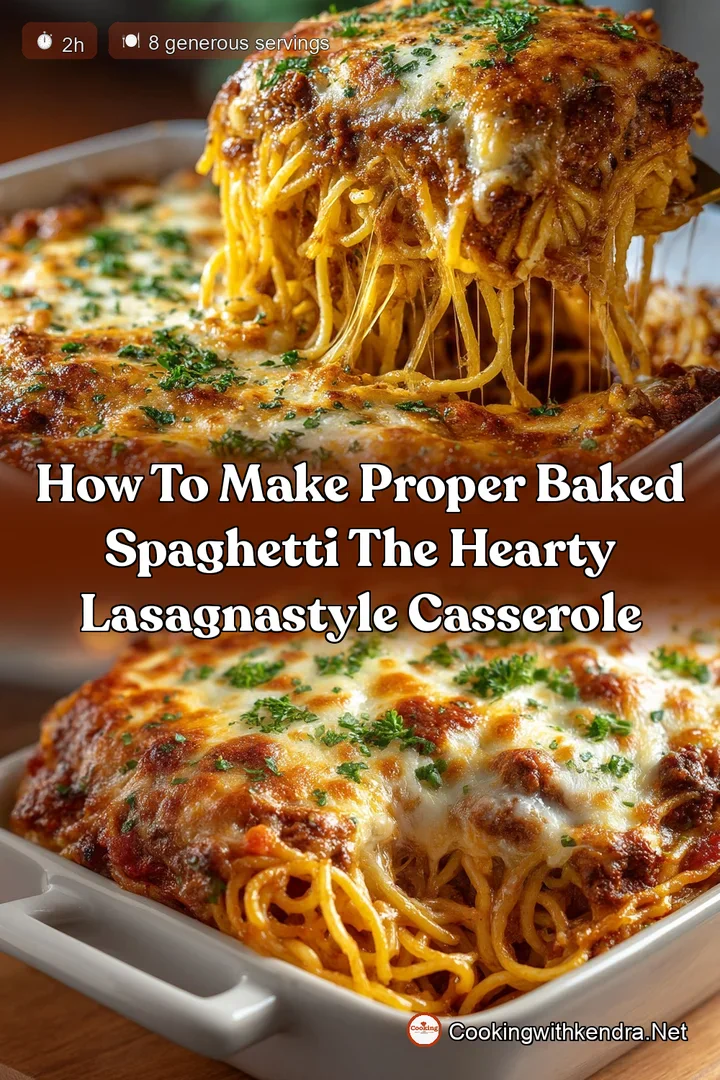
Building this hearty baked spaghetti is an exercise in timing and careful layering. The total process, including prep, cooking, and the mandatory rest period, takes approximately two hours, with only 25 minutes required for active preparation.
Phase One: Slow Simmering the Rich Meat Sauce
The initial phase focuses entirely on creating that foundational ragu. After sautéing the onions until translucent and fragrant, the lean ground beef is thoroughly browned, and any excess fat is drained. Once the herbs and tomato paste are integrated, the crushed tomatoes and beef stock are added.
The key to intense flavor is simmering the mixture on low heat for a minimum of 40 minutes, allowing the flavors to meld and deepen substantially. If you wish to make this baked spaghetti and meatballs , you would add pre-cooked meatballs during the last 15 minutes of simmering.
Binding the Spaghetti: Achieving the Creamy Noodle Base
This stage is crucial for the casserole’s structural integrity. The 1 lb of spaghetti must be cooked very al dente —about two minutes less than the package instructions as it will finish cooking in the oven.
Immediately drain the pasta and briefly rinse it with warm water to halt the cooking process. Transfer the noodles to a large mixing bowl where the critical binder awaits: two lightly beaten eggs, the initial half cup of grated Parmesan, and fresh chopped parsley.
Toss the spaghetti quickly and thoroughly until every strand is coated. This egg mixture ensures the noodle base sets firmly during baking, allowing for clean slicing later.
The Layering Technique: Securing Maximum Cheesy Coverage
Preheat your oven to 375°F (190°C) and grease your 9x13 inch dish. The layering begins by spreading a thin, one-cup layer of ragu across the bottom of the pan to prevent the spaghetti from sticking. Next, spread half of the egg-coated spaghetti evenly over this base.
Now comes the creamy middle: dot spoonfuls of the ricotta mixture over the first spaghetti layer. Top this with the remaining spaghetti, and then pour the generous remaining meat sauce over everything.
The final step is sprinkling the full cup of shredded mozzarella and the final half cup of Parmesan across the top, securing maximum cheesy coverage for a gorgeous golden crust.
Baking Until Golden: Perfect Temperature and Timing
The baked spaghetti casserole requires a two-stage bake. First, cover the dish tightly with aluminum foil. This traps steam and moisture, ensuring the interior heats evenly and the layers set without drying out. Bake covered for 20 minutes at 375°F.
Next, remove the foil and bake for an additional 10 minutes until the cheese topping is fully melted, bubbling vigorously around the edges, and slightly golden brown. Once removed from the oven, the casserole must rest for 10 minutes.
This essential rest period allows the internal moisture to redistribute and the egg binder to firm up, guaranteeing that when you finally slice into the dish, the squares hold their shape perfectly.
Pro Tips and Creative Variations for Your Next Baked Spaghetti Dinner
Once you master the standard baked spaghetti recipe , exploring variations becomes easy. These tips help manage the practical side of preparing a large, comforting Pasta Dish .
make-ahead Magic: Freezing and Refrigeration Instructions
One of the great advantages of this baked spaghetti casserole is its make-ahead potential. You can fully assemble the casserole, excluding the final mozzarella topping, cover it tightly, and refrigerate it unbaked for up to two days.
When ready to serve, add the final cheese and increase the initial covered baking time by 5- 10 minutes. For long term storage, the fully assembled, unbaked dish freezes beautifully for up to three months. Ensure it is double wrapped.
When cooking from frozen, bake covered at 375°F for 45 minutes before removing the foil and continuing to bake until golden.
Swapping Proteins: Vegetarian and Poultry Alternatives
While the recipe is classic with Ground Beef Recipes , it adapts easily to dietary needs. For a lighter touch, substitute the beef entirely with ground chicken or turkey.
For a deeply savory vegetarian option, replace the meat with a blend of finely crumbled walnuts, sautéed mushrooms, and cooked lentils. Ensure your vegetarian ragu maintains the robust flavor profile by still utilizing the umami boosters and a high-quality crushed tomato base.
Serving Suggestions: What to Pair with This Hearty Casserole
Since this baked spaghetti is so rich and substantial (providing over 600 calories and 35g of protein per serving), the perfect accompaniments offer a bright contrast. A crisp, simple green salad, tossed lightly with a sharp lemon vinaigrette, helps cut through the richness of the cheese and sauce.
You also cannot go wrong by serving thick slices of crusty garlic ciabatta bread or focaccia, perfect for mopping up any remaining ragu. For beverage pairings, a medium bodied red wine like a Chianti or a Merlot complements the tomato based sauce beautifully.
Answering FAQs About Leftovers and Reheating
Leftovers are fantastic! The firm structure of the baked spaghetti casserole means that slices hold up exceptionally well. Store leftovers tightly covered in the refrigerator for 3 to 4 days. To reheat individual slices, the microwave works well, though the cheese may not regain its original texture.
For best results when reheating the remaining dish, place it back in a 300°F (150°C) oven, covered loosely with foil, until the center is piping hot, usually about 20– 25 minutes. This gentle reheating prevents the noodles from drying out and keeps the cheese from becoming rubbery.
Recipe FAQs
Why does my Baked Spaghetti always turn into a sloppy mess when I cut it?
That's a common culinary tragedy, but thankfully easy to fix! The key is the crucial 10-minute rest time after taking it out of the oven. This allows the creamy cheese layers to cool slightly and the egg binder in the spaghetti to fully set, ensuring your casserole cuts into neat, pleasing squares rather than a runny puddle.
Can I assemble this casserole ahead of time, or should I freeze the leftovers later?
You can absolutely get a head start! Assemble the entire casserole (up to Step 14), cover it tightly with foil, and refrigerate for up to 24 hours. Just add about 10-15 minutes to the initial covered bake time to ensure it heats through properly.
For freezing, it works best after baking. Cool the leftovers completely, wrap them tightly, and they’ll keep for up to three months. Thaw overnight in the fridge before reheating.
I haven’t got ricotta on hand what’s the best substitute for the creamy middle layer?
No need to fret over a minor ingredient swap; we’re not aiming for Michelin stars here! Full fat cottage cheese is your best alternative; if you prefer a smoother texture, give it a quick blitz in a blender before mixing in the egg.
You could also use strained Greek yoghurt mixed with a little Parmesan for a tangier flavour profile, but ensure it's very thick so it doesn’t leak moisture into the sauce.
My pasta always tastes too soft after baking; what’s the secret to getting the spaghetti texture just right?
The secret lies in the 'very al dente' cooking phase. You must undercook the spaghetti by about two minutes less than the package directs. This leaves enough resistance for the pasta to absorb the rich sauce in the oven without turning to mush.
Secondly, don't skip the egg binder! The egg ensures the strands stick together, preventing them from softening and dissolving into the sauce during the long bake.
How can I make the meat ragu taste richer, like it’s been simmering all weekend?
A proper, deep flavoured sauce requires patience, so letting it simmer for the full 40 minutes (or even longer) is non-negotiable. To give it a real umami boost, stir in a teaspoon of tomato paste alongside the herbs, and consider adding a splash of Worcestershire sauce or a tiny dollop of Marmite that unexpected savoury kick will make all the difference to the depth of flavour.
Proper Baked Spaghetti Casserole
Ingredients:
Instructions:
Nutrition Facts:
| Calories | 1733 kcal |
|---|---|
| Protein | 21.7 g |
| Fat | 42.0 g |
| Carbs | 41.7 g |
| Fiber | 9.4 g |
| Sodium | 1075 mg |
