Proper Pub Style Cottage Pie with Rich Beef Gravy and Cheesy Mash
- The Definitive Pub-Style Cottage Pie Recipe
- Achieving Maximum Flavour: The Science Behind the Best Cottage Pie
- Shopping List and Essential Ingredient Notes
- Step-by-Step Method: Building Your Cottage Pie From Scratch
- Expert Tips and Troubleshooting Your Cottage Pie
- Planning Ahead: Storage, Freezing, and Pairing Suggestions
- Recipe FAQs
- 📝 Recipe Card
The Definitive Pub-Style Cottage Pie Recipe
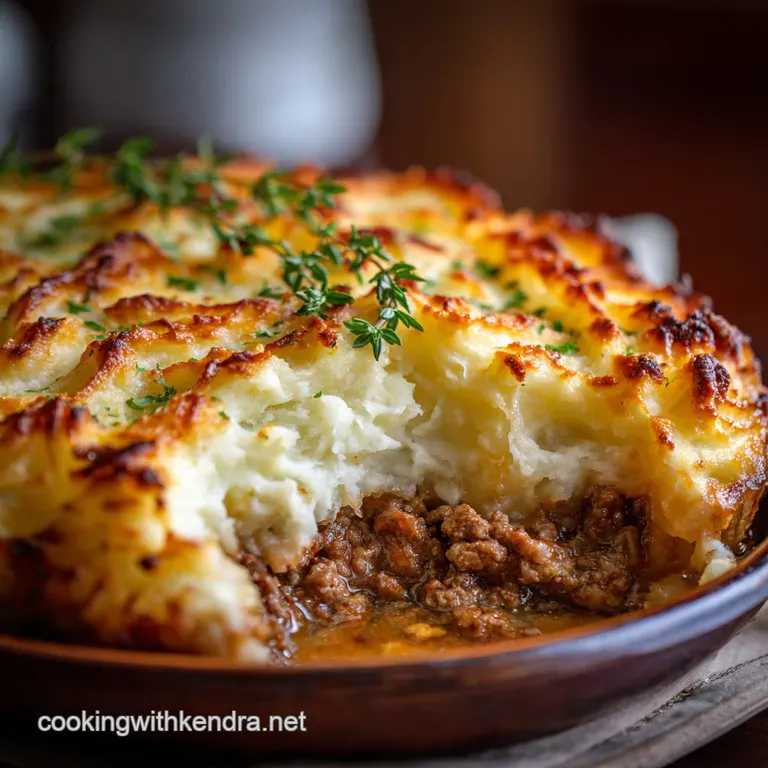
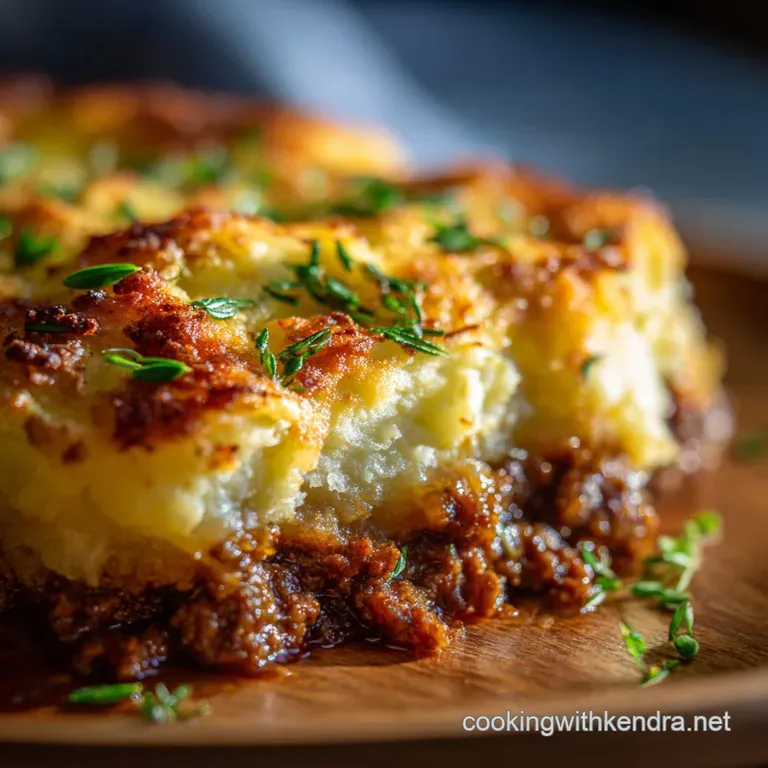
That moment when the Cottage Pie comes out of the oven? Seriously, it's culinary magic. The scent of malty, slow cooked savoury gravy hits you first, quickly followed by the aroma of toasted, incredibly creamy mature Cheddar.
You hear that gentle bubbling sound from the edges of the casserole dish, a sure sign the filling is reaching maximum flavour potential underneath that golden crust.
This isn't a fussy, cheffy meal, thank goodness. It’s an economical, reliable lifesaver that feeds a hungry family on a budget without making you compromise on taste. It is, quite simply, the ultimate comfort food for a chilly evening and perfect for batch cooking.
We’re ditching the common mistake of having a thin, watery filling and embracing the proper British method for intense, deep flavour. Get ready for a Cottage Pie that rivals your favourite local pub’s offering, complete with that necessary cheesy mash potato topping. Let’s crack on.
Achieving Maximum Flavour: The Science Behind the Best Cottage Pie
Why the British Comfort Classic Endures
Cottage Pie has been around forever, truly earning its place as a staple. Historically, it was a genius way to use up leftover roast beef (or "cottage" ingredients), hence the name.
Today, we achieve that satisfying depth using quality ground beef, simmering it long and slow so the flavours can really get cosy together.
What Makes This Cottage Pie Proper ?
The secret to avoiding blandness in ground beef recipes lies in two critical flavour boosters: Worcestershire sauce and dry red wine. These additions don't just add liquid; they introduce layers of malty acid and umami that transform the simple beef stock base. If you want that deep, rich flavour characteristic of great pub food the same depth you look for in my Game Day Meals: Ultimate Cheesy Steak Ale Hand Pies Recipe — you absolutely need these acidic elements.
Chef’s Note: Remember, Cottage Pie is made with ground beef (or mince). If you switch to ground lamb, you’re making a traditional Shepherds Pie: The Best British Lamb Recipe with Creamy Cheddar Mash — which is also brilliant, but technically a different pie!
A Quick Look at the Medium Difficulty
Honestly, this recipe isn’t hard —it just requires patience and good timing. The "medium" rating comes from needing to manage the filling reduction simultaneously while preparing the mash. If you can boil potatoes and stir a pan, you can nail this.
Slow Simmering: Building the Malty Gravy Depth
We rely on a two-step thickening process here. First, we use flour early on, coating the sautéed vegetables to create a roux base. Second, and crucially, we simmer the filling uncovered for a minimum of 30 minutes.
This reduction time is essential because it concentrates the beef stock, wine, and tomato paste into that glorious, thick, malty gravy that won't leak out when you slice the pie.
Achieving the Perfect Golden Crusted Cheesy Mash
A wet, sloppy mash topping is the enemy of a perfect pie. To combat this, we use starchy potatoes (Russet, King Edward, etc.) that get super fluffy when mashed. Drying the potatoes out after draining is non-negotiable —this evaporates surface moisture so the butter and milk can incorporate without making the mash gummy or waterlogged.
Finally, mixing in mature Cheddar cheese before spreading it on the pie gives you that glorious, sharp, golden crust.
Economical Cooking: Using Simple Ingredients for Rich Results
The best part? This rich flavour comes from humble, inexpensive ingredients. Ground beef is one of the most budget friendly proteins out there, and the rest is just root vegetables, flour, and stock.
It’s a hearty way to feed a crowd without breaking the bank, leaving you cash left over for that excellent bottle of red wine.
Shopping List and Essential Ingredient Notes
Breaking Down the Components: Filling vs. Topping
| Component | Essential Ingredient | Substitution Tip |
|---|---|---|
| Filling | Lean Ground Beef (80/20) | Ground veal or pork works, but stick to beef for true Cottage Pie flavour. |
| Filling | Dry Red Wine (Merlot, Cab) | Use 120ml of extra beef stock + 1 Tbsp balsamic vinegar for acidity. |
| Filling | Worcestershire Sauce | Use 1 tsp of Marmite (seriously!) or a strong soy sauce for a similar umami punch. |
| Topping | Starchy Potatoes (Russet) | Waxy potatoes like Yukon Gold won't mash up as fluffy; stick to Russets or Idaho. |
| Topping | Mature Cheddar Cheese | Strong Gruyère or sharp Parmesan are fantastic alternatives for that savoury crust. |
Selecting the Right Cut of Minced Beef
I always go for an 80/20 blend of ground beef. Yes, it has more fat, but that fat is where the flavour lives! We brown the beef first and drain off the majority of the fat anyway, so you get the richness without the greasiness. Don't use overly lean beef (95/5); your filling will be dry and sad.
Dairy and Wine Swaps for the Ultimate Cottage Pie
Regarding the mash, whole milk gives you the best texture, but 2% works fine if that’s all you have. For the wine, you don't need an expensive bottle; just make sure it’s dry and something you’d happily drink a glass of.
If you are totally wine averse, the balsamic vinegar and stock swap works perfectly, delivering the necessary tanginess.
step-by-step Method: Building Your Cottage Pie From Scratch
Phase 1: Preparing and Reducing the Savoury Minced Beef Base
- Brown It Hard: Heat your oil over medium high heat and add the ground beef. Cook it without stirring too much initially you want deep, dark browning, not steaming. Once browned, drain off the excess fat and set the beef aside.
- Soften the Aromatics: Reduce the heat to medium. Add the carrots, celery, and onion, sautéing until they are nice and soft, usually 8– 10 minutes. Toss in the garlic for the last minute until you smell that delicious nutty aroma.
- The Thickening Agent: Stir in the flour and tomato purée, cooking for 60 seconds. This is crucial for eliminating that raw flour taste.
- Deglaze and Reduce: Pour in the red wine and use your spoon to scrape up all those lovely sticky brown bits on the bottom (that’s flavour gold!). Let the wine bubble and reduce by half.
- Simmer Time: Return the beef to the pan. Pour in the beef stock, Worcestershire sauce, bay leaves, and thyme. Bring to a gentle boil, then immediately reduce to a low simmer. Simmer, uncovered, for 30– 40 minutes until the sauce is thick enough to smoothly coat the back of a spoon. You need this step to get that proper, thick, "Jamie Oliver cottage pie recipe" gravy. Remove the bay leaves before assembly.
Phase 2: Whipping the Silky Cheddar Mash
- Boil Potatoes Right: Peel your starchy potatoes and chop them into uniform sizes. Place them in a pot and cover them with cold, heavily salted water . Boil until fork tender (15- 20 minutes).
- Dry Them Out: Drain the potatoes completely. Put the empty pot back on the stove over super low heat and return the potatoes. Stir them gently for 1- 2 minutes until you see steam rising dramatically. This dries the surface and prevents gluey mash.
- Mash and Enrich: Mash or rice the potatoes while they are hot. Add the butter and half of the warm milk, mixing until smooth. Fold in most of the grated Cheddar cheese, along with salt and pepper.
Phase 3: Layering and Final Bake Preparation
- Pre-Heat and Pour: Preheat your oven to 400°F (200°C). Pour the finished, thick beef filling into your casserole dish.
- Cooling is Key: Let the filling rest for 5 to 10 minutes. If you top a scalding hot filling immediately, the mash will melt, sink, and weep.
- The Topping Technique: Spoon the mash evenly over the filling. Start at the edges and work your way in. Use a fork to create dramatic peaks and ridges across the entire surface.
- The Final Cheesy Dusting: Sprinkle the remaining grated Cheddar across the ridged top.
Phase 4: Achieving the Signature Golden Crust
Bake for 25– 30 minutes. You’re looking for the gravy to be vigorously bubbling around the edges of the dish and the mash topping to be deeply golden brown and crisp. Remove the pie and let it rest for 5 minutes before serving.
Expert Tips and Troubleshooting Your Cottage Pie
Ensuring Your Filling Stays Thick, Not Watery
If, after 30 minutes of simmering, your filling still looks too loose, don't panic. You have two options. First, simmer for another 10 minutes uncovered. If time is short, mix 1 teaspoon of cornstarch (cornflour) with 2 tablespoons of cold water to create a slurry.
Stir this into the simmering filling and cook for 2 minutes; it will thicken right up.
Why Your Mash Topping Might Be Cracking (And How to Fix It)
Two main reasons for cracked mash: First, the mash was too dry to begin with (add a tiny splash more warm milk next time). Second, and more commonly, you put the topping on scorching hot filling.
If you let the filling cool slightly, the base layer of mash won't melt, which gives the topping integrity during baking.
The Essential Resting Time After Baking
Don't dive in immediately! Just like roasting meat, this pie needs five minutes to chill out. Resting allows the rich gravy filling to settle and firm up slightly, which means it holds its shape when you serve it. Skipping this step leads to a messy, runny pile of amazing flavour, but it's messy nonetheless.
Planning Ahead: Storage, Freezing, and Pairing Suggestions
Refrigeration and Reheating Instructions
Cottage Pie is fantastic for leftovers! Once completely cooled, cover the dish tightly with plastic wrap and store it in the refrigerator for up to 4 days. To reheat a full pie, cover it with foil and bake at 350°F (175°C) for 20 minutes, then remove the foil and bake for 10 minutes more until the top is crisp again.
Individual portions reheat easily in the microwave.
Prepping Cottage Pie for Future Meals
This dish freezes beautifully. You can assemble the entire pie filling and mash right up to the baking step. Cover it tightly with two layers of foil. Freeze for up to 3 months. When ready to eat, thaw it overnight in the fridge.
Bake as instructed above, but add 10– 15 minutes to the overall baking time since it starts cold.
What to Serve Alongside Your Hearty Cottage Pie
The filling is so rich and savoury that you need something fresh and green to cut through it.
- Peas and Beans: A classic pairing. Steamed green beans or garden peas, tossed with butter and a pinch of salt, are perfect.
- Simple Salad: A light side salad dressed with a sharp vinaigrette helps balance the heavy richness.
- Another Comfort Classic: If you love comfort food, serve this alongside a simple tomato soup or keep the pie theme going with perhaps a lighter dessert, like my Apple Pie Overnight Oats: Easy High Protein Breakfast Prep for breakfast the next morning!

Recipe FAQs
What is the difference between Cottage Pie and Shepherd's Pie?
Traditionally, the distinction is based purely on the protein used: Cottage Pie is made exclusively with minced beef (ground beef). Shepherd's Pie, by definition, must be made using minced lamb. Our recipe uses beef, making it a Cottage Pie, but the cheesy mash topping and cooking techniques are applicable to both.
Why is my mashed potato topping runny or sinking into the filling?
A runny mash often means the potatoes retained too much water during boiling or that excess milk/butter was added during mashing. For a successful topping, ensure the boiled potatoes are steamed dry for several minutes after draining before mashing.
Using slightly less liquid than standard mash helps it hold its structure and prevents it from sinking during baking.
My filling tastes dry or lacks that promised pub-style depth; how can I fix this?
Depth of flavor requires sufficient cooking time to allow the stock and wine to reduce and concentrate. Ensure you properly browned the beef before adding liquids, creating a crucial layer of flavor.
If the filling seems dry, it may be due to over reduction; stir in a small amount of extra beef stock to restore moisture and richness.
Can I assemble the Cottage Pie ahead of time and bake it later?
Yes, this pie is perfect for advance preparation. Prepare the filling and mash completely, assemble the pie in the baking dish, and cover it tightly with cling film. It can be refrigerated for up to 24 hours; allow it to sit at room temperature for about 30 minutes before baking, which may require adding 5-10 minutes to the overall cooking time.
How do I achieve that beautiful golden brown crust on the cheesy mash?
The cheesy mash topping needs direct high heat at the end of the baking process. Ensure you use mature Cheddar, as it browns nicely without turning oily. If the top isn't sufficiently browned after the main baking time, place the pie under a hot broiler (grill) for 2 to 4 minutes, watching constantly to prevent burning.
What is the best way to freeze leftover or uncooked Cottage Pie?
Cottage Pie freezes exceptionally well, making it ideal for batch cooking. It is best to freeze the entire assembled but unbaked pie in a freezer safe dish, covered tightly with two layers of foil.
To cook from frozen, bake at 350°F (175°C) for 60-90 minutes, removing the foil for the last 15 minutes to allow the top to crisp up.
How long can I safely store leftover baked Cottage Pie?
Leftover baked Cottage Pie should be cooled completely and stored in an airtight container in the refrigerator within two hours of baking. It will maintain its best quality for 3 to 4 days. For reheating, cover it loosely with foil and bake until it reaches an internal temperature of 165°F (74°C).
Proper Pub Style Cottage Pie
Ingredients:
Instructions:
Nutrition Facts:
| Calories | 753 kcal |
|---|---|
| Protein | 25.9 g |
| Fat | 39.8 g |
| Carbs | 73.0 g |
