Sauteed Peppers and Onions: the Ultimate Versatile Staple
- Mastering the Art of Sauteed Peppers and Onions
- The Flavor Science: Why Low and Slow is Key
- Essential Ingredients for Perfectly Sauteed Peppers and Onions
- Step-by-Step Method for Sauteed Peppers and Onions
- Chef’s Troubleshooting: Perfecting Your Sauteed Peppers and Onions
- Storage, Reheating, and Freezing Guide
- Versatile Pairings: How to Serve This Sauteed Staple
- Recipe FAQs
- 📝 Recipe Card
Mastering the Art of Sauteed Peppers and Onions
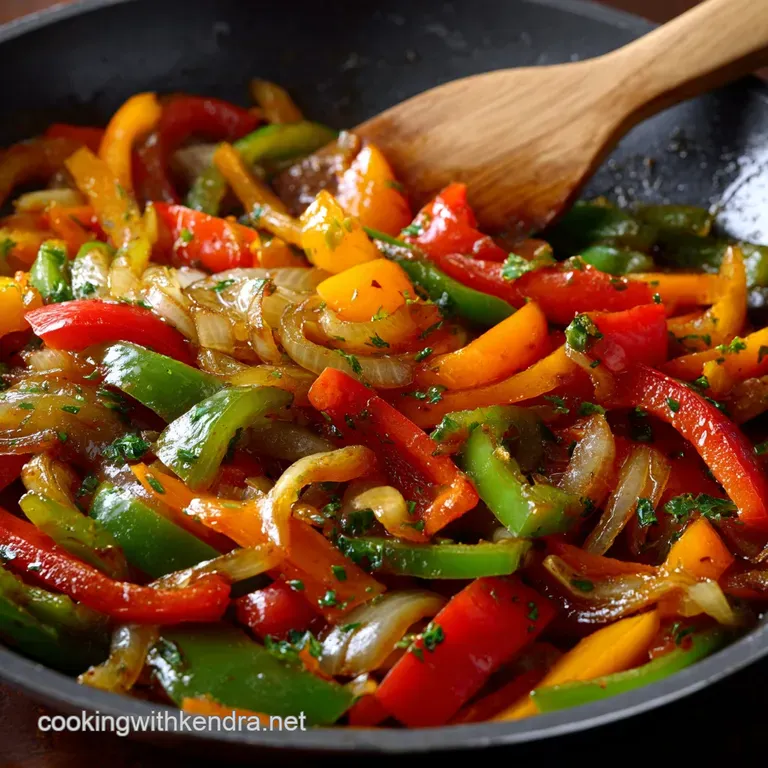
Forget the sad, mushy cafeteria version of this absolute classic. We are aiming for a sautéed peppers and onions recipe that is rich, sweet, and unbelievably aromatic, with gorgeously caramelized edges that make your mouth water.
When these start sweating down on the stove, the whole kitchen smells like pure comfort and warmth.
Honestly, this humble dish is a lifesaver for busy weeknights, instantly upgrading tired leftovers or basic grilled proteins. It’s crazy versatile, super affordable, and takes basic staples (like sheet pan dinners or quick omelets) from zero to hero immediately.
Trust me, you will want to make a huge batch of this.
This isn't just about throwing things in a pan until they look soft; it’s about applying a little fundamental flavor science. We are using low heat and gentle technique to coax out natural sweetness. Ready to ditch the watery, half raw peppers forever and learn how to make the perfect version?
Let’s crack on.
The Flavor Science: Why Low and Slow is Key
Beyond the Side Dish: Why Technique Matters for This Staple
This dish relies entirely on technique, not complexity. If you rush the process, you steam the vegetables, leaving them watery, lacking concentration, and completely flat in flavor. We are aiming for the concentrated sweetness that only comes from careful, gentle cooking.
Defining the Perfect Sweat: Texture and Consistency Goals
The perfect sautéed peppers and onions should be deeply tender but still maintain a slight structural resistance; they shouldn't be mush. We are looking for that reduction in volume, where the inherent water content evaporates and leaves behind pure, slightly syrupy vegetable sugars.
This is how you achieve that coveted, jammy texture.
The Essential Equipment Checklist for Optimal Results
While you don't need fancy gear, the right pan is absolutely non-negotiable here. I recommend a large, 12 inch cast iron skillet or a hefty stainless steel pan. Why? These pans retain heat beautifully and provide ample surface area, which prevents overcrowding.
Coaxing Out Sweetness: The Importance of Gentle Heat
We cook these vegetables at a medium low to low temperature because this gives the enzymes time to break down the starches into sugars before the moisture burns off. If the heat is too high, the outside burns before the inside softens, resulting in tough, charred, bitter vegetables.
The payoff for patience is incredible, sweet flavor.
The Role of Salt in Drawing Out Moisture and Concentration
Salting the onions early is one of the most crucial steps that I learned the hard way (once I forgot and the result was disastrously watery). Salt immediately starts drawing moisture out of the vegetable cells through osmosis.
This released water steams off, allowing the true sautéing and caramelization process to begin much faster and more effectively.
Achieving the Ideal Tender Crisp Texture
The secret to keeping that slightly crisp bite in your peppers while the onions melt is simple: timing. Onions take longer to break down and release their sugars, so they get a 10 minute head start. When the peppers are finally added, the onions are already halfway to glory.
Essential Ingredients for Perfectly Sauteed Peppers and Onions
| Ingredient | My Recommendation | Viable Substitution |
|---|---|---|
| Peppers | Red, Orange, Yellow Bell Peppers | Italian Frying Peppers (long, thin) or Cubanelles. |
| Onions | Spanish (Yellow) or Vidalia (Sweet) | Banana Shallots (for a quicker cook) or White Onions. |
| Fats | Olive Oil + Unsalted Butter Blend | Ghee or Coconut Oil (for pure plant based) or full Olive Oil. |
| Acid Finish | Red Wine Vinegar | Lemon Juice or White Wine Vinegar. |
Choosing the Right Peppers (Color and Variety Notes)
Go for the colorful varieties (red, yellow, orange) because they are inherently sweeter than green bell peppers, which can sometimes be bitter. Uniform slicing is more important than color choice, though. Keep your slices about 1/4 inch thick.
Onion Selection: Yellow vs. Sweet Varieties
I love a classic Spanish yellow onion here because it has a high sulfur content, which mellows beautifully into deep sweetness after 30 minutes of gentle cooking. If you need something milder that cooks faster, opt for a sweet Vidalia or a handful of shallots instead.
Fats Matter: Butter, Oil, or a Blend?
I always use a blend of olive oil and butter. Olive oil has a higher smoke point, which gives us some leeway, while the butter provides an undeniable richness and depth of flavor. If you need this to be strictly plant based, simply use Ghee or an equal amount of good quality olive oil.
When and How to Season: Timing Your Salt Application
Salt goes in early, right after the onions hit the pan, which is essential for that moisture drawing action. Black pepper and other aromatics (like garlic and thyme) should be added later, typically in the last 10 minutes, to prevent them from burning and turning bitter.
step-by-step Method for Sauteed Peppers and Onions
Preparation: Slicing the Vegetables Uniformly
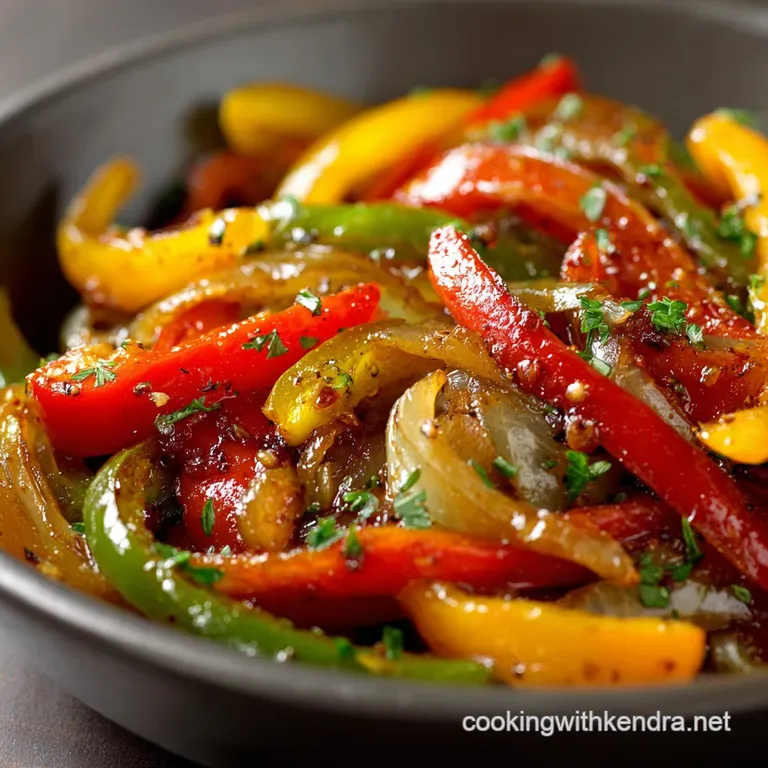
This step determines your success. You must ensure all the onion and pepper slices are as close to the same size as possible about 1/4 inch thick is the sweet spot.
Slicing onions from the root to the tip (pole-to-pole) also prevents them from turning completely to mush, retaining better texture.
Initiating the Sweat: Starting the Onions First
Set your large pan over medium low heat and add the oil and butter. Once melted, toss the sliced onions in and spread them out. Sprinkle on half of your salt immediately; this is the key to getting that essential 'sweat' going without browning them too early.
Sauté these for 8 to 10 minutes until they look translucent and totally soft.
The Slow Cook: Combining Peppers and Maintaining Consistent Heat
Now, toss in the uniformly sliced bell peppers and stir everything to coat. Reduce the heat if your pan seems overly aggressive; we want a gentle sizzle, nothing violent. Continue cooking for another 10 to 15 minutes, stirring occasionally, until the pepper volume has reduced significantly and they are tender.
Finishing Touches: Flavor Adjustments and Brightness
When the vegetables are beautifully soft, push them to one side and add the minced garlic and thyme to the hot spot. Cook for 30 seconds until you smell that amazing nutty aroma, then stir it all through.
Increase the heat slightly to medium for the final 5 minutes to develop those gorgeous golden brown, caramelized edges.
Crucial Chef’s Note: Never skip the acidic finish! Remove the pan from the heat and immediately drizzle that tiny teaspoon of red wine vinegar or lemon juice over the hot vegetables.
Stir quickly; this unexpected acid cuts through the deep sweetness and richness, making the flavor pop beautifully.
Chef’s Troubleshooting: Perfecting Your Sauteed Peppers and Onions
Mistake Proofing: Avoiding Overcrowding the Pan
I once tried to double a batch in a single 10 inch skillet, and I learned my lesson. If the vegetables are piled too high, they release steam faster than it can escape, resulting in steamed, soggy, colorless peppers. If you are doubling the recipe, you must use two separate pans or cook in batches.
How to Fix Peppers That Are Too Watery
If your peppers and onions look sad and are swimming in liquid, the heat was likely too low during the initial salt application, or the pan was overcrowded. To fix this, increase the heat to medium and let the excess liquid reduce, stirring constantly so the remaining solids don't stick and burn.
Maximizing Caramelization Without Burning
The secret here is patience and the late heat increase. Cook low and slow until the vegetables are tender, then raise the heat to medium for the last five minutes. Since most of the water has already evaporated, the concentrated sugars can caramelize without the whole mixture turning to mush.
Storage, Reheating, and Freezing Guide
Refrigeration Shelf Life and Best Practices
Sauteed peppers and onions store incredibly well in the fridge. Allow them to cool completely, then place them in an airtight container. They are perfectly safe and taste great for up to 4 to 5 days.
Freezing Sauteed Peppers and Onions for Later Use
But does it freeze well? You bet it does. These freeze beautifully and are excellent for future quick meals. Place the cooled mixture in a freezer safe bag or container, removing as much air as possible. They will keep for up to 3 months, ready to be tossed into future scrambles or sheet pan meals.
The Best Way to Reheat Without Losing Texture
The best way to reheat is on the stovetop. Add a small splash of oil or water to a skillet and reheat the peppers and onions over medium heat, stirring until warmed through. Avoid the microwave if possible, as it often makes the texture too soft and watery.
Versatile Pairings: How to Serve This Sauteed Staple
This isn't just a side dish; it’s a canvas for dozens of simple, hearty meals.
- Sheet Pan Power: Serve these heaped alongside sliced grilled chicken or, better yet, throw them in the pan with a great Polish Sausage Meals: Easy Sheet Pan Supper with Cabbage and Apple .
- Game Day Food: This mixture is the only proper filling for simple sausage sandwiches, hot Italian hoagies, or piled high on tacos.
- Brunch Hero: Use them as a base for shakshuka, fold them into a savory crepe, or simply top your morning scrambled eggs with a huge spoonful and a little feta.
- Sauce Base: The deep sweetness makes this an incredible foundational layer for slow cooked tomato sauces, like my favorite Sunday Pasta and Meatballs: The Ultimate Slow Simmered Sunday Recipe .
Recipe FAQs
Why are my sautéed peppers and onions watery instead of perfectly caramelized?
This common issue is typically caused by overcrowding the pan or using heat that is too high initially. High heat forces the moisture out of the vegetables too quickly, causing them to steam rather than slowly sweat and caramelize.
What is the best type of fat to use for this long, slow sauté?
A neutral, high smoke point oil like standard olive oil or avocado oil is best for the initial high heat cooking phase. For an added layer of richness and flavor, stir in a knob of unsalted butter during the last 5 minutes of cooking.
How do I achieve maximum tenderness without burning the vegetables?
To get a very soft texture, use medium low heat and cover the pan for the first 10 to 15 minutes of cooking. This traps steam and helps soften the thick pepper skins; then, remove the lid entirely to allow moisture evaporation and final browning.
Can I freeze leftover sautéed peppers and onions?
Yes, sautéed peppers and onions freeze exceptionally well and are great for future meal prep. Ensure they are fully cooled before transferring them to an airtight, freezer safe container or a flattened freezer bag, where they will keep for up to three months.
Does the size of the vegetable cut truly matter for this recipe?
Consistency in slicing is crucial for even cooking results. Aim for slices that are roughly the same width, about 1/4 inch thick, so that all the vegetables are tender at the same time and none are left crunchy or overcooked.
My finished dish tastes a little flat or bland. How can I boost the flavor?
Proper seasoning requires more than just salt; taste and adjust frequently during the cooking process. Adding a small amount of acid, such as a splash of red wine vinegar or a squeeze of lemon juice right before serving, beautifully balances the inherent sweetness.
Are there any recommended variations or additions to this base recipe?
This recipe is highly versatile and welcomes additions like thinly sliced garlic (added halfway through) or firm mushrooms. For a vibrant finish, stir in fresh herbs such as thyme or oregano right after removing the pan from the heat.
Proper Sauteed Peppers And Onions
Ingredients:
Instructions:
Nutrition Facts:
| Calories | 155 kcal |
|---|---|
| Protein | 0.8 g |
| Fat | 13.6 g |
| Carbs | 7.3 g |
