Authentic Puerto Rican Eggnog Recipe
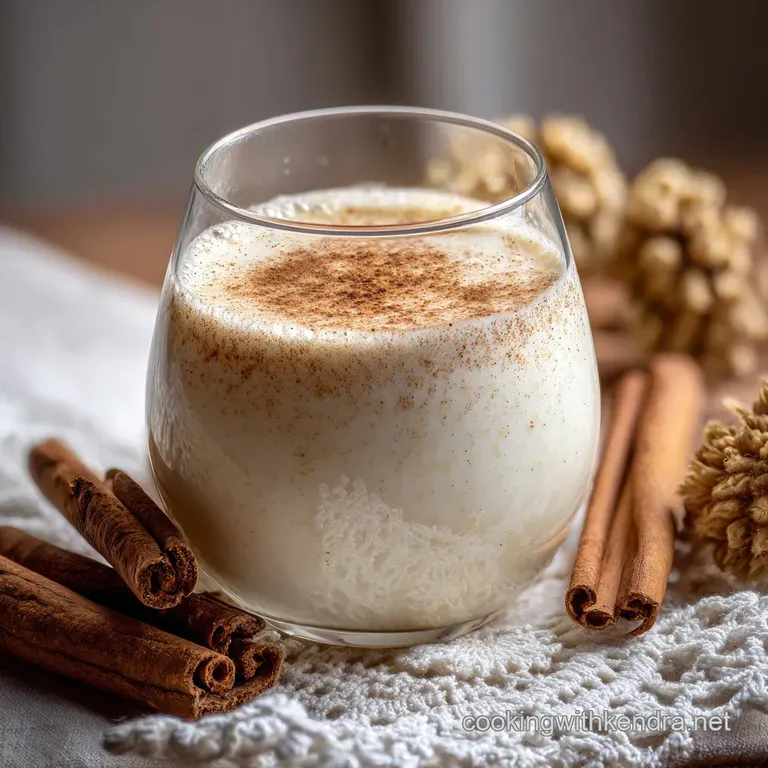
- Time: Active 5 minutes, Passive 4 hours, Total 4 hours 5 mins
- Flavor/Texture Hook: Silky coconut with a warm spice finish
- Perfect for: Holiday parties, family gatherings, or gift giving
- Making Authentic Puerto Rican Eggnog at Home
- Why This Recipe Hits Different
- Batch Size Serving Calculator
- The Science of the Base
- Your Essential Holiday Shopping List
- Simple Tools for Great Results
- Easy Steps for Perfect Pour
- Fix Your Common Coquito Problems
- Fun Ways to Mix It Up
- Keeping Your Nog Fresh
- Perfect Pairings for Your Drink
- Debunking Common Holiday Drink Myths
- Adjusting for Large Holiday Parties
- Recipe FAQs
- 📝 Recipe Card
Making Authentic Puerto Rican Eggnog at Home
I still remember the first time I walked into my Titi’s kitchen in December and heard the roar of the blender over the salsa music. The air was thick with the scent of ground cinnamon and that distinct, sweet aroma of cream of coconut.
It’s a sensory memory that hits me every year right around Thanksgiving, signaling that the "real" holidays have finally arrived.
Traditional eggnog is fine, but once you’ve had a glass of this Puerto Rican Eggnog, there is simply no going back. It’s thicker, creamier, and carries a tropical soul that makes the mainland version feel a bit thin.
We call it Coquito, and in my house, we make it by the gallon because it disappears faster than the wrapping paper on Christmas morning.
This recipe is the one I’ve tweaked over a decade of holiday parties. I’ve learned exactly how much rum provides that perfect "bite" without being overwhelming, and why that tiny pinch of salt is the secret weapon no one talks about.
You’re going to love how easy this is to pull together, but the real magic happens while it sits in the fridge.
Why This Recipe Hits Different
- Emulsification Stability: High speed blending binds the fats from the coconut milk with the proteins in the evaporated milk, creating a uniform, velvety liquid that won't separate easily.
- Alcohol Induced Extraction: The white Puerto Rican rum acts as a solvent, pulling the essential oils out of the cinnamon and nutmeg to deepen the spice profile over time.
- Sugar Fat Synergy: Cream of coconut provides a dense sugar structure that coats the palate, allowing the flavors to linger longer than water based drinks.
- Cold Cure Maturation: Resting the mixture for 4 hours allows the spice particulates to hydrate and soften, removing any "gritty" texture.
Batch Size Serving Calculator
| Servings | Ingredient Adjustment | Container Size | Total Volume |
|---|---|---|---|
| 4 People | 0.5x Batch | 1 Liter Bottle | ~20 oz |
| 8 People | 1x Batch (Standard) | 2 Liter Pitcher | ~40 oz |
| 16 People | 2x Batch | 1 Gallon Jug | ~80 oz |
When you're planning your holiday spread, remember that this drink is rich. Most people prefer a 4 oz to 6 oz pour rather than a full glass. If you're looking for more party snacks, this pairs beautifully with my & Cheesy Sorullitos recipe.
The Science of the Base
| Ingredient | Science Role | Pro Secret |
|---|---|---|
| Cream of Coconut | Primary Sweetener/Thickener | Use Coco Lopez for the most traditional viscosity. |
| Evaporated Milk | Protein Structure | Provides a cooked milk flavor without the risk of curdling. |
| White Rum | Flavor Carrier | High proof rum prevents the coconut fats from solidifying. |
| Sea Salt | Flavor Contrast | A tiny pinch suppresses bitterness and amplifies the coconut’s natural sweetness. |
The interaction between the alcohol and the fats is crucial here. Without the rum, the coconut fats can sometimes form small clumps when chilled; the alcohol acts as a stabilizer to keep things silky.
Your Essential Holiday Shopping List
- Evaporated Milk (12 oz): Adds creamy body without the water content of regular milk. Why this? It provides a concentrated dairy richness that stands up to the rum.
- Substitute: Heavy cream (for a much richer, dessert like finish).
- Full fat Coconut Milk (13.5 oz): The backbone of the flavor profile. Why this? low-fat versions will make the drink watery and thin.
- Substitute: Coconut cream (diluted with a little water).
- Cream of Coconut (7 oz): This is the sweetened, syrupy stuff, not plain coconut cream. Why this? It provides both the sugar and the thick, syrupy texture.
- Substitute: Condensed milk + coconut extract (less authentic but works).
- White Puerto Rican Rum (1 cup): Keep it traditional with a clear, crisp rum. Why this? Dark rum can overpower the delicate coconut notes.
- Substitute: Apple juice or coconut water (for a non alcoholic version).
- Vanilla Extract (1 tsp): Rounds out the spices.
- Substitute: Vanilla bean paste for those beautiful black specks.
- Ground Cinnamon (1 tsp): The primary warm spice.
- Substitute: Pumpkin pie spice (for a different holiday twist).
- Ground Nutmeg (0.25 tsp): Adds a woody, aromatic depth.
- Substitute: Allspice (use half the amount).
- Sea Salt (1 pinch): The flavor balancer.
Simple Tools for Great Results
You don't need much for this puerto rican eggnog recipe, but a high powered blender is your best friend. It ensures the cinnamon doesn't just clump at the top. You'll also want glass bottles for storage; plastic can sometimes impart a weird taste to the delicate fats over a long chill.
A funnel is also a "must have" unless you want to spend your afternoon wiping sticky coconut syrup off your counters. Trust me, I've made that mistake more times than I care to admit.
Easy Steps for Perfect Pour
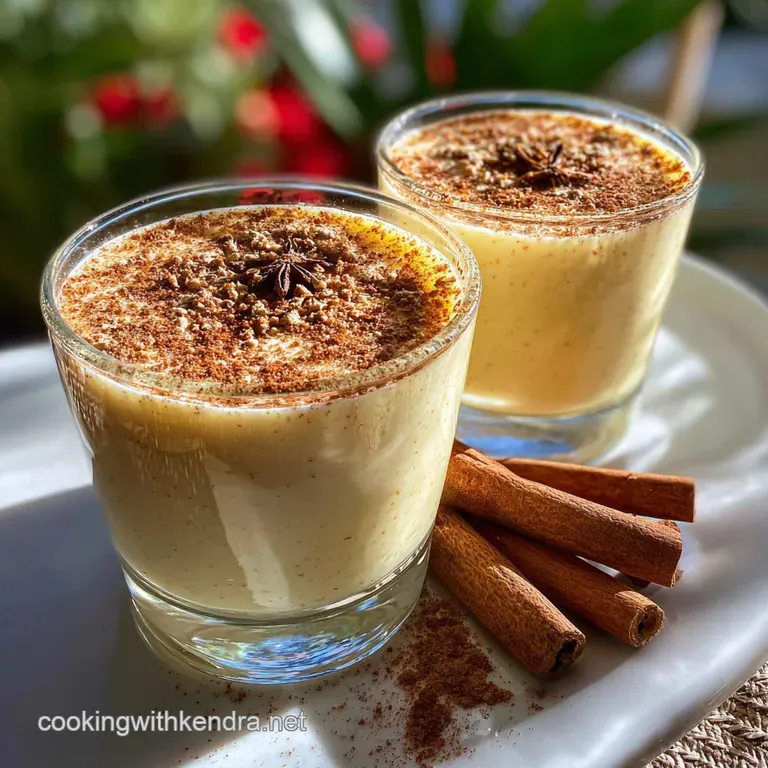
- Prep the blender. Place the 13.5 oz coconut milk and 12 oz evaporated milk into the blender carafe. Note: Adding liquids first prevents the thick cream of coconut from sticking to the bottom.
- Add the sweetener. Pour in the 7 oz of cream of coconut. Ensure you scrape the can thoroughly to get all that thick goodness.
- Spice it up. Add 1 tsp cinnamon, 0.25 tsp nutmeg, 1 tsp vanilla, and the pinch of sea salt.
- Incorporate the spirit. Pour in the 1 cup of white rum.
- Emulsify the mixture. Blend on high for 2 full minutes until the liquid is completely smooth and slightly frothy.
- Check the consistency. The liquid should coat the back of a spoon in a velvety layer.
- Bottle the drink. Use a funnel to pour the mixture into glass bottles, leaving an inch of headspace.
- Chill and cure. Place in the fridge for at least 4 hours. The flavor improves drastically as the spices meld.
- The final shake. Before serving, give the bottle a vigorous shake to re incorporate any settled spices.
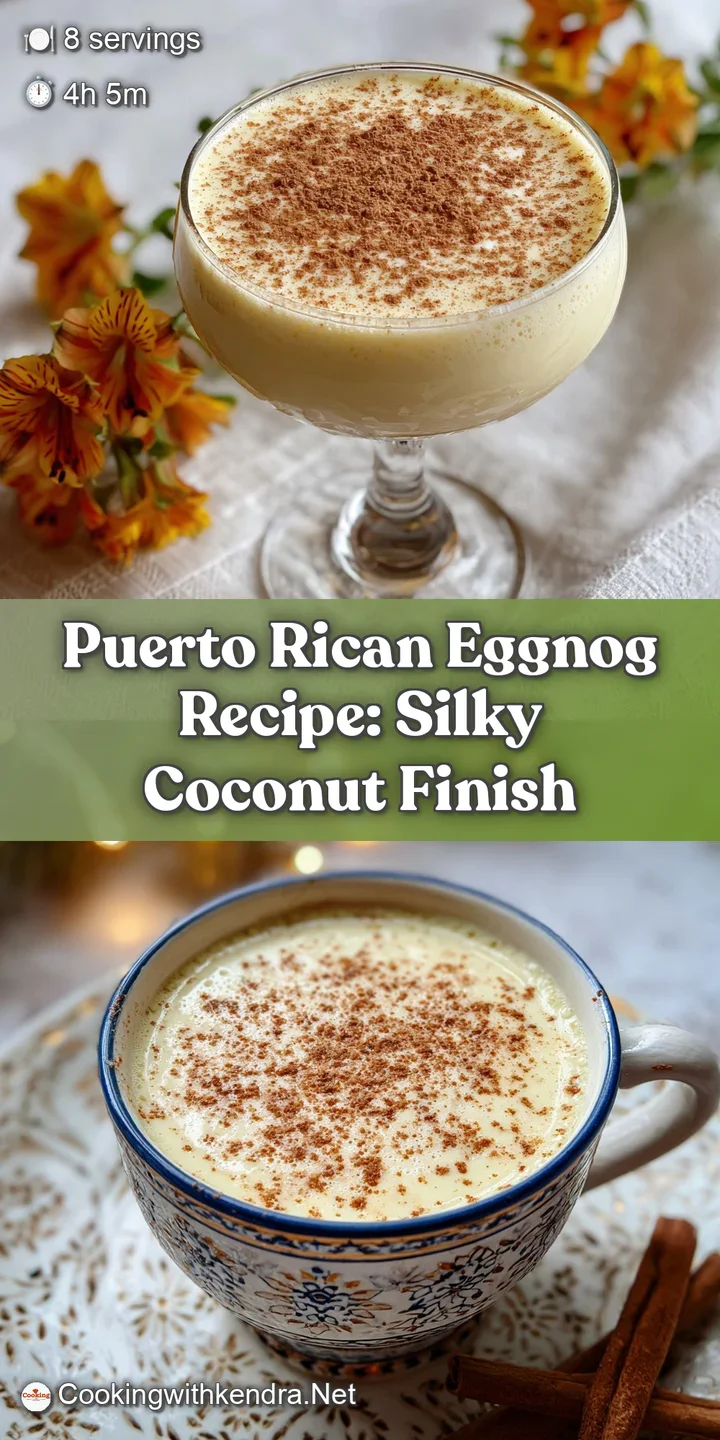
- Serve cold. Pour into small glasses and garnish with a cinnamon stick or a dusting of extra nutmeg.
Fix Your Common Coquito Problems
Why did my drink solidify?
If you see white clumps at the top, don't panic. That’s just the coconut fat solidifying because it got very cold. This usually happens if you didn't blend long enough or if your rum content is low. Simply leave the bottle on the counter for 10 minutes and give it a massive shake.
Why is it too sweet?
Different brands of cream of coconut have varying sugar levels. If your batch tastes like a liquid candy bar, you can thin it out with a little extra evaporated milk or a splash more rum. The rum actually helps cut through the sugar.
| Problem | Root Cause | Solution |
|---|---|---|
| Separation | Under blending | Return to blender and mix for 60 seconds on high speed. |
| Gritty Texture | Dry spices not hydrated | Allow at least 4 hours (or overnight) for the spices to soften. |
| Too Strong | Too much rum | Add 1/4 cup extra coconut milk to mellow the alcohol burn. |
Common Mistakes Checklist
- ✓ Using "Coconut Cream" instead of "Cream of Coconut" (they are NOT the same!).
- ✓ Forgetting to shake the bottle before every single pour.
- ✓ Serving it over ice (this dilutes the velvety texture too much).
- ✓ Skipping the chill time warm coquito tastes significantly more alcoholic.
- ✓ Using a low quality rum that has a harsh chemical aftertaste.
Fun Ways to Mix It Up
If you're feeling adventurous, this authentic coquito recipe is a fantastic base for variations. For a "Coquito de Chocolate," simply add 3 tablespoons of high-quality cocoa powder to the blender. It tastes like a frozen Mounds bar in a glass.
Another popular twist is adding a half cup of pistachio paste. It turns the drink a beautiful pale green and adds a nutty saltiness that is incredibly addictive. If you enjoy experimenting with these types of traditional drinks, you might also like the different profile of my Eggnog recipe.
Keeping Your Nog Fresh
- Fridge Life: This homemade puerto rican eggnog will stay fresh for up to 2 weeks in the refrigerator. Because it contains alcohol and shelf stable milks, it has a decent lifespan, though the fresh coconut flavor is best in the first 7 days.
- Freezing: You can actually freeze this! It won't freeze rock solid because of the alcohol. It turns into a delicious "coquito slushy" which is a great way to use up leftovers after the holidays.
- Zero Waste Tip: If you have a small amount left that isn't enough for a glass, use it as a creamer for your morning coffee. It’s basically a spiked coconut latte and it is the best way to survive the post holiday cleanup.
Perfect Pairings for Your Drink
While this is a dessert in a glass, it’s traditionally served alongside savory Puerto Rican holiday staples. The saltiness of fried appetizers provides a brilliant contrast to the sweet coconut.
- Savory Contrast: Try it with Golden Tequeños recipe — the salty cheese and crispy dough are the perfect foil for the sweet nog.
- Holiday Tradition: It is almost mandatory to serve this alongside a Pasteles de Yuca recipe.
- Dessert Pairing: If you want to go full sugar mode, a slice of vanilla pound cake dipped into the coquito is a game changer.
Debunking Common Holiday Drink Myths
One of the biggest misconceptions is that puerto rican coquito must contain eggs to be called "eggnog." While some older family recipes do use egg yolks (Ponche), the classic Coquito is actually egg free.
This makes it much safer for parties and gives it a cleaner coconut flavor that isn't masked by the richness of eggs.
Another myth is that you need expensive, aged rum. Actually, a middle of-the road white rum is better. Aged rums have heavy oak and caramel notes that can make the drink look muddy and taste "clunky" against the bright coconut. Stick to the clear stuff for that authentic, crisp finish.
Adjusting for Large Holiday Parties
- Scaling Up: When doubling the recipe, you don't need to double the spices exactly. Start with 1.5x the cinnamon and nutmeg, then taste. Spices can become overwhelming in large volumes.
- Scaling Down: If you're just making a "treat yourself" batch, you can halve the recipe easily. Use a smaller blender or an immersion blender in a tall jar to ensure you still get that perfect emulsion.
- Pro Tip for Crowds: If you're serving a big group, keep the main jug in the fridge and only bring out small carafes at a time. This keeps the drink at that perfect, icy temperature.
Precision Checkpoints
- Blender Time: 2 full minutes on high speed to ensure the cinnamon is fully suspended.
- Resting Temp: Keep the fridge at or below 40°F for the 4 hour cure.
- Serving Size: 4 oz is the standard pour; it's calorie dense and meant to be sipped.
Whether you're making this for a big Nochebuena feast or just want a cozy night in, this puerto rican eggnog with rum is going to become a new tradition in your house. It’s simple, it’s soul warming, and it’s a little piece of the island in a glass. Cheers!
Recipe FAQs
What is the Puerto Rican version of eggnog?
It is called Coquito. This version is distinct because it relies on coconut milk and cream of coconut instead of dairy cream and eggs.
What's the difference between eggnog and coquito?
Coquito is traditionally dairy-free and egg-free, relying on coconut. Classic eggnog uses heavy cream and often raw or cooked eggs for its rich body.
Can coquito get you drunk?
Yes, it certainly can. Coquito contains a significant amount of white rum, which acts as a flavor carrier and preservative.
Is coquito healthier than eggnog?
No, neither is strictly healthy, but coquito avoids egg risk. Both drinks are high in sugar and fat; however, coquito skips the potential risks associated with consuming raw eggs found in some traditional eggnog recipes.
How do I make sure my coquito doesn't separate after chilling?
Blend on high speed for a full two minutes to emulsify properly. The key is creating a stable emulsion between the coconut fats and the alcohol, similar to how the fat and liquid bind in a good Classic Piña Colada recipe.
Can I skip the cream of coconut and just use coconut milk?
No, using only coconut milk will result in a watery drink. Cream of coconut is heavily sweetened and syrupy, providing the necessary thickness and sugar structure that defines Coquito's texture.
Is it true I must use expensive aged rum in coquito?
False. Stick to a clear, white Puerto Rican rum. Aged rums introduce heavy caramel and oak notes that clash with the bright coconut flavor profile.
Puerto Rican Eggnog Recipe
Ingredients:
Instructions:
Nutrition Facts:
| Calories | 338 kcal |
|---|---|
| Protein | 4.1 g |
| Fat | 18.2 g |
| Carbs | 25.8 g |
| Fiber | 0.8 g |
| Sugar | 21.5 g |
| Sodium | 105 mg |
