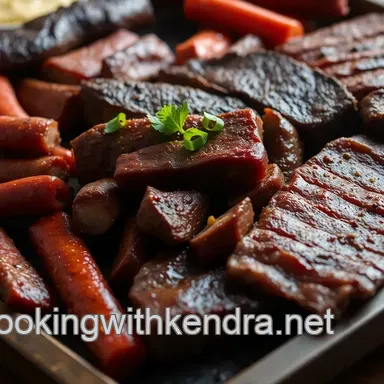
Parrillada with Ribeye and Chicken Thighs

- Time: 30 min prep + 2 hours cooking + 40 min resting
- Flavor & Texture: Smoky, charred, and zesty
- Perfect for: Family gatherings or weekend feasts
Making a Classic Parrillada
Hosting a massive feast usually means spending your entire evening trapped behind a grill while your guests enjoy themselves. You end up with some meat that's burnt to a crisp and other pieces that are barely warm in the middle. It's a frustrating cycle that ruins the vibe of the party.
The fix is all about heat management and timing. By splitting your grill into different temperature zones, you can handle several different proteins at once. This ensures the flank steak gets a hard sear, but the chicken thighs have time to cook through without drying out.
Bringing a Parrillada to your backyard transforms the meal into a social event. You'll serve a chestnut brown feast of smoky beef, charred poultry, and zesty herbs on one big platter. It's a hearty, budget-friendly approach to a luxury meal.
Why This Method Works
- Heat Zoning: Creating a searing zone and an indirect zone allows you to brown meat quickly then move it away from the flames to finish cooking.
- Room Temperature Resting: Letting meat sit for 30 minutes before grilling can help it cook more evenly because the center starts warmer.
| Grill Method | Prep Effort | Texture | Best For |
|---|---|---|---|
| Charcoal | Higher | Deep smoky char | Traditional flavor |
| Gas | Lower | Even browning | Quick cleanup |
The Building Blocks
- 1½ lb ribeye steak, cut into thick strips
- 1 lb flank steak
- 12 oz beef chorizo sausages
- 1 lb boneless chicken thighs, skin-on
- 3 tbsp olive oil
- 1 tbsp coarse sea salt
- 1 tsp cracked black pepper
- 2 medium red bell peppers, halved and seeded
- 1 large red onion, cut into thick rounds
- 8 oz asparagus spears, trimmed
- 1 cup fresh flat-leaf parsley, finely chopped
- 1/4 cup fresh oregano, chopped
- 4 cloves garlic, minced
- 1/2 cup extra virgin olive oil
- 2 tbsp distilled white vinegar
- 1 pinch sugar
- 1 tsp red pepper flakes
- 1/2 tsp salt
| Ingredient | Role | If You Don't Have It |
|---|---|---|
| Ribeye/Flank Steak | Main protein | Sirloin (leaner, cook faster) |
| Beef Chorizo | Fat and spice | Spicy beef sausage |
| Flat-leaf Parsley | Freshness in sauce | Cilantro (changes flavor profile) |
| Distilled White Vinegar | Acid to cut fat | Apple cider vinegar (milder) |
Equipment Needed
No fancy gear is required here. A regular gas or charcoal grill will work just fine. For serving, I suggest a cast-iron platter since it retains heat far better than ceramic. You will also want a meat thermometer to guarantee the internal temperatures are safe.
Step-by-step Instructions
Phase 1: The Prep and Flavor Base
Pat the ribeye steak, flank steak, and chicken thighs dry. Note: Dry meat browns faster. Rub them with 2 tbsp olive oil, 1 tbsp coarse sea salt, and 1 tsp cracked black pepper. Let the meat sit at room temperature for 30 minutes.
In a small bowl, combine 1 cup chopped parsley, 1/4 cup chopped oregano, 4 minced garlic cloves, 1 tsp red pepper flakes, 1/2 tsp salt, 2 tbsp distilled white vinegar, and a pinch of sugar. Slowly whisk in 1/2 cup extra virgin olive oil and set aside.
Toss the halved red bell peppers, red onion rounds, and trimmed asparagus in 1 tbsp olive oil and a pinch of salt.

Phase 2: Managing the Fire
Light the grill. Move coals to one side (if using charcoal) or turn off one burner (if using gas) to create a high-heat searing zone and a medium-heat indirect zone.
Place the beef chorizo, flank steak, and chicken thighs in the hot zone. Sear until a chestnut brown crust forms on both sides.
Move the beef chorizo and chicken thighs to the indirect zone. Close the lid and cook until the chicken reaches an internal temperature of 165°F (74°C). USDA guidance puts the safe internal temperature for poultry at 165°F.
Grill the ribeye strips and the seasoned vegetables in the hot zone for 3–5 minutes per side until the vegetables are charred and the ribeye is medium-rare. For the ribeye, aim for 145°F (63°C) followed by a rest.

Phase 3: Finishing and Plating
Transfer all meats to a carving board and let them rest for 10 minutes to redistribute juices.
Arrange the sliced flank steak, ribeye, chicken, and beef chorizo on a pre-warmed cast-iron platter. Tuck the charred vegetables around the meat and drizzle the chimichurri sauce over the beef.
Avoiding Kitchen Disasters

Preventing Grease Flare-ups
Beef chorizo releases a lot of fat, which often causes flames to jump up. The moment you see a flare-up, slide the meat to the indirect zone. This stops the meat from tasting like soot and prevents the outside from burning before the inside is cooked.
Fixing Dry Chicken
Chicken thighs are forgiving, but they can still dry out if left in the hot zone. Always move them to the indirect area once they have a bit of color. Use a thermometer to pull them exactly at 165°F.
Handling Tough Flank Steak
Flank steak is lean and can get rubbery if overcooked. To keep it tender, sear it fast over high heat and slice it against the grain. If you slice with the grain, the meat will feel noticeably chewier, even when cooked to the right temperature.
| Original Ingredient | Substitute | Why It Works |
|---|---|---|
| Ribeye (1½ lb) | Chuck Eye Steak | Similar marbling, significantly cheaper |
| Asparagus | Zucchini spears | Holds shape on grill, similar cook time |
| Fresh Oregano | Dried Oregano (1 tbsp) | Concentrated flavor, but less aromatic |
Creative Twists and Swaps
You can customize your feast by drawing inspiration from various regional traditions.
Parrillada Argentina Style
Emphasize the beef and opt for a coarser salt. I suggest adding slices of grilled provolone to the platter to provide a salty, gooey counterpoint to the steak.
Parrillada Mexicana Style
Incorporate grilled spring onions (cebollitas) and serve the meal with warm corn tortillas and a side of fresh salsa verde. Adding a splash of lime juice to the chimichurri gives it a zesty, bright citrus note.
Keeping It Fresh
Store leftover meats and vegetables in airtight containers in the fridge for up to 3 days.
The chimichurri sauce keeps well in the fridge for up to 4 days. If the oil solidifies in the cold, let the jar sit at room temperature for 15 minutes before serving so it becomes pourable again.
To reheat the meat without drying it out, place it in a pan over medium heat with a splash of water or beef broth. Cover the pan with a lid to steam the meat gently until it reaches 165°F (74°C) inside, checked with a thermometer.
Perfect Complements
This platter is rich and salty, so you need sides that bring acidity or freshness. I suggest a simple tomato and cucumber salad with a light vinaigrette. Grilled corn on the cob with a dusting of chili powder also fits the theme.
If you want a starch, boiled baby potatoes tossed in garlic butter and parsley balance the smokiness of the grilled beef.
Critical Sodium Level
2500 mg of sodium per serving (109% of daily value)
The American Heart Association recommends that most adults limit their sodium intake to no more than 2,300 mg per day.
Tips to Reduce Sodium
-
Replace the beef chorizo with a low-sodium sausage alternative or use fresh ground beef seasoned with smoked paprika and cumin.
-
Reduce Added Salt
Significantly decrease or eliminate the tablespoon of coarse sea salt used for seasoning the meats.
-
Adjust the Dressing
Omit the 1/2 tsp of salt from the vinegar mixture and add a squeeze of fresh lemon juice to maintain the brightness of the flavor.
-
Amplify Fresh Aromatics
Increase the quantities of fresh parsley, oregano, and minced garlic to provide a robust flavor profile without adding sodium.
-
Lean on Spices
Increase the cracked black pepper and red pepper flakes to add heat and depth, which reduces the palate's craving for salt.
Before You Start Cooking
What is a Mexican parrilla?
A mixed grill feast. It typically features various meats and vegetables cooked over an open fire or grill, served as a communal platter.
How is a barbecue referred to in Mexico?
A parrilla. This term refers specifically to the grill grate itself and the style of grilling used for these meats.
Which foods are typically served in a parrillada?
A combination of grilled meats and vegetables. This recipe includes ribeye, flank steak, beef chorizo, chicken thighs, red bell peppers, red onion, and asparagus.
Does a parrillada menu include sides?
Yes, typically grilled vegetables. This version pairs the proteins with charred red bell peppers, red onion, and asparagus.
How should I store leftover parrillada?
Keep all meats and vegetables in the refrigerator. Transfer the cooked components to a sealed container to maintain freshness.
Can I make this without a grill?
Yes, a cast-iron skillet or oven-broiler works. You will lose the charcoal flavor and some of the charring, but the proteins will cook through similarly.
Parrillada with Ribeye and Chicken