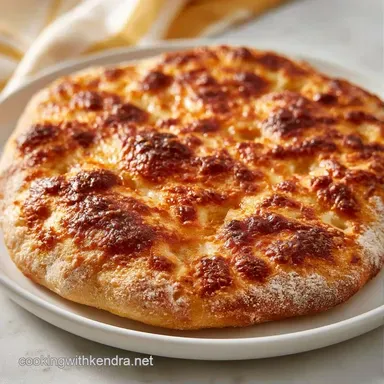
Quick Pizza Flatbread Dough in 20 Minutes
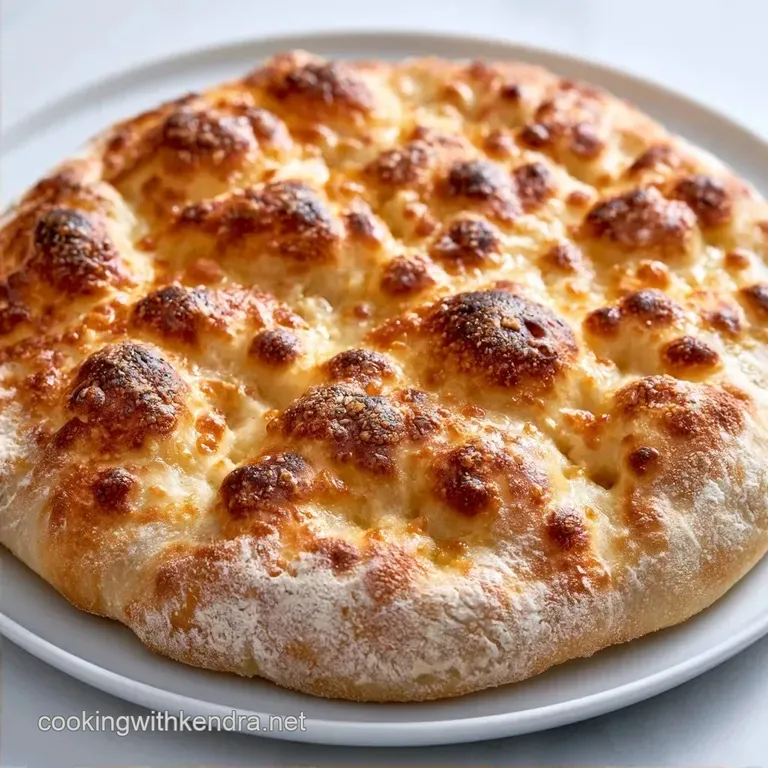
- Time: 10 min active + 10 min cook
- Flavor/Texture Hook: Nutty, toasted edges with a chewy center
- Perfect for: Fast weeknight dinners or a quick snack
- Quick Pizza Flatbread Dough
- How the Texture Works
- What Each Ingredient Does
- The Pantry List
- The Kitchen Tools
- The Cooking Process
- Fixing Common Dough Issues
- Troubleshooting Common Issues
- Swaps and Variations
- Adjusting the Batch
- Dough Myths
- Storage and Waste Tips
- What to Serve Alongside
- Recipe FAQs
- 📝 Recipe Card
Quick Pizza Flatbread Dough
The smell of toasted flour and warm olive oil always takes me back to the stories my grandmother told about the Mediterranean. For centuries, flatbreads were the center of the meal, a simple piece of dough used to scoop up dips or carry toppings, bringing people together around a shared plate.
It's that kind of soulful, communal food that makes my kitchen feel like home.
You don't need a fancy bakery or a day of planning to get that feeling. This Quick Pizza Flatbread Dough is all about getting those comforting flavors on the table without the stress of waiting for yeast to bloom. It's a rustic, honest approach to pizza night.
Expect a crust that feels a bit more substantial than a thin crust pizza, with a beautiful golden char. It handles heavy toppings well and doesn't go limp, making it a reliable choice for those nights when you're starving and the fridge is mostly empty.
How the Texture Works
- Baking Powder: It creates instant air bubbles when it hits the heat, so you get a lift without needing hours of fermentation.
- Whole Wheat Flour: This adds a bit of toothiness and a deeper, toasted flavor that white flour just can't match.
| Method | Time | Texture | Best For |
|---|---|---|---|
| Oven Bake | 10 mins | Evenly crisp | Loaded toppings |
| Stovetop | 6 mins | Charred, bubbly | Simple garlic butter |
What Each Ingredient Does
I've found that using white whole wheat is the way to go here. It gives you the health benefits and flavor of whole grain but keeps the dough from feeling like a brick. For more on choosing the right flour, King Arthur Baking has some great guides on wheat varieties.
| Ingredient | What It Does | Best Swap |
|---|---|---|
| White Whole Wheat | Structure & Nutty Flavor | All purpose flour |
| Baking Powder | Instant lift | Baking soda + lemon juice |
| Olive Oil | Tenderness & Flavor | Melted butter |
The Pantry List
Right then, let's get your ingredients ready. Make sure your water is warm to the touch, but not boiling, or you'll mess with the baking powder.
- 1.5 cups (190g) white whole wheat flour Why this? Provides a rustic, hearty crumb
- 1 tsp (5g) baking powder Why this? Creates the rise without yeast
- 0.5 tsp (3g) sea salt Why this? Brings out the grain flavor
- 2 tbsp (30ml) extra virgin olive oil Why this? Keeps the crust tender
- 1/3 cup (80ml) warm water Why this? Activates the lift and binds dough
The Kitchen Tools
You don't need a professional setup for this. A large mixing bowl and a sturdy fork are the main players. I use a rolling pin to get the dough thin, but a smooth wine bottle works in a pinch. Parchment paper is a must if you hate scrubbing baking sheets.
The Cooking Process
Let's crack on with the dough. Trust me on the kneading part; don't overdo it or you'll end up with a cracker instead of a flatbread.
- Whisk the flour, baking powder, and salt in a large mixing bowl.
- Create a well in the center and pour in the olive oil and warm water. Stir with a fork until a shaggy dough forms and the flour is mostly incorporated.
- Turn the dough onto a lightly floured surface. Gently press and fold the dough for about 1 minute, just until it is smooth.
- Divide the dough into two equal balls.
- Use a rolling pin to flatten each ball into a thin circle or oval, approximately 1/4 inch thick.
- Preheat the oven to 425°F (220°C).
- Place the dough on parchment paper and par bake for 3-5 minutes until the surface looks matte.
- Remove the dough from the oven and add your toppings.
- Bake for another 5-7 minutes until the edges are golden brown and the cheese is bubbling.
Fixing Common Dough Issues
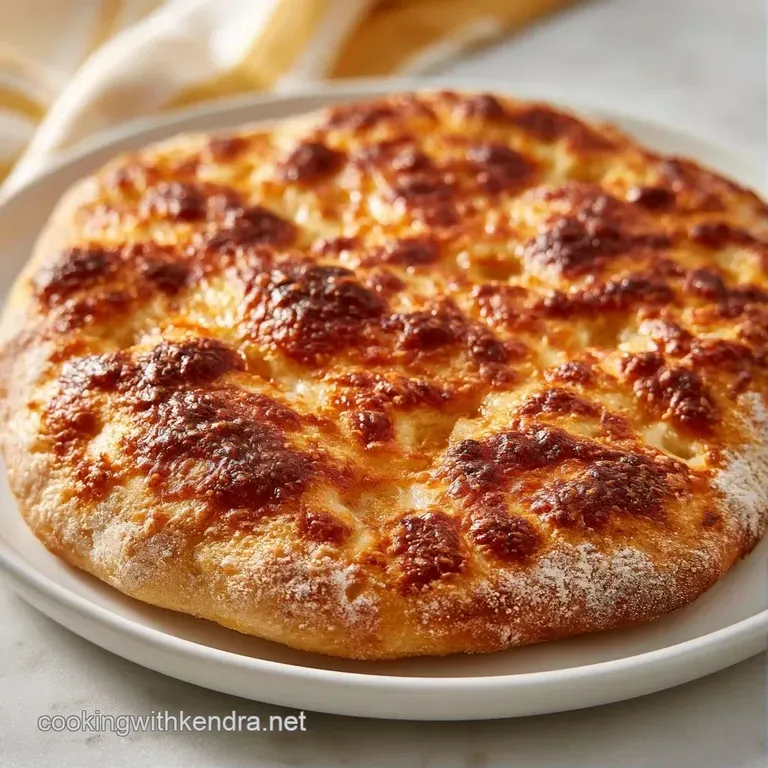
It's easy to get this wrong the first time. I once added too much flour because the dough felt "sticky," and I ended up with something that tasted like a cardboard box. Keep the dough slightly tacky.
Troubleshooting Common Issues
| Issue | Solution |
|---|---|
| Why Your Dough is Sticky | If the dough clings to your fingers, it's usually due to high humidity in the kitchen. Don't dump in more flour, or you'll lose the chew. Just lightly oil your hands instead. |
| Why the Center is Soggy | This happens when you pile on too many watery vegetables or too much sauce. The par bake step is there to prevent this, but keep the toppings lean. |
| Why the Crust is Too Hard | Over kneading is the culprit here. If you work the dough for five minutes instead of one, you develop too much gluten, which makes the crust tough. |
Swaps and Variations
If you're feeling adventurous, you can change the flavor profile of this Quick Pizza Flatbread Dough easily. For a more garlic forward base, stir 1/2 tsp of garlic powder into the flour. If you want something a bit more like a traditional homemade flatbread pizza, try replacing the olive oil with melted salted butter.
- If you want more crunch
- Roll it thinner (1/8 inch) and par bake for 2 extra minutes.
- If you want it fluffier
- Let the dough balls rest for 10 minutes before rolling.
- If you're out of whole wheat
- Use all purpose flour, but add 1 tbsp of cornmeal for texture.
Adjusting the Batch
Scaling Down: To make just one flatbread, halve everything. Use 3/4 cup flour and 1/2 tsp baking powder. Since there's less mass, check the oven 2 minutes early.
Scaling Up: When doubling the recipe, don't double the salt exactly; use about 3/4 tsp instead to keep the flavor balanced. Work in batches so the dough doesn't sit out and dry up while the first set is baking.
Dough Myths
You might hear that you have to "punch down" dough to get the right texture. That only applies to yeast breads. For this recipe, pressing the dough is just about smoothing it out.
Another common myth is that a rolling pin makes the crust tough. As long as you aren't pressing with all your weight, it's the best way to get that consistent 1/4 inch thickness.
Storage and Waste Tips
You can keep the raw dough balls in the fridge for up to 2 days. Wrap them tightly in plastic wrap so they don't develop a dry skin. When you're ready to bake, let them sit at room temperature for 15 minutes before rolling.
For the freezer, wrap each ball in parchment and then foil. They'll stay good for 2 months. Just thaw them in the fridge overnight. If you have leftover flour scraps from rolling, don't toss them. Collect them and mix them into a small batch of crackers or use them to thicken a stew.
What to Serve Alongside
Since this is a hearty base, I love pairing it with something bright and acidic. A simple arugula salad with lemon vinaigrette cuts through the richness of the cheese perfectly. If you've got extra time, a side of marinated olives and feta makes the whole meal feel like a vacation. For a different take on the base, you might enjoy this Dough in 60 Minutes recipe for your next gathering.
Recipe FAQs
How to make a quick flatbread pizza?
Whisk flour, baking powder, and salt, then stir in oil and warm water. Fold for one minute, roll to 1/4 inch thickness, and par-bake at 425°F for 3 5 minutes before adding toppings and baking for 5 7 more minutes.
Can pizza dough be made in 2 hours?
Yes, easily. This specific recipe is ready in just 20 minutes because it uses baking powder instead of yeast, which removes the need for proofing time.
How to make flatbread pizza dough without yeast?
Use baking powder as the leavening agent. Combine white whole wheat flour, baking powder, and salt with olive oil and warm water to create a dough that doesn't require rising.
Is it true that all pizza dough is unsuitable for diabetics?
No, this is a common misconception. Using white whole wheat flour provides more fiber than refined white flour, offering a more balanced option for those monitoring blood sugar.
How do flatbread and pizza differ?
Flatbreads are typically unleavened or quickly leavened and thinner. While traditional pizza relies on yeast for a thick, airy rise, flatbread uses a denser base for a crispier texture. If you enjoyed the dough handling here, see how we adapt similar shaping techniques for cheesy pepperoni rollups.
Can you use pita bread as a pizza base?
Yes, it works well. Pita is a pre-baked flatbread that provides a sturdy, fast base for toppings, mirroring the effect of the par-baking step in this recipe.
Why is my flatbread crust too hard?
You likely over kneaded the dough. Working the dough for more than one minute develops too much structure, so keep the folding process brief to maintain a tender crust.
Quick Pizza Flatbread Dough in 20 Minutes