Shrimp Pasta Recipe: Silky and Garlicky
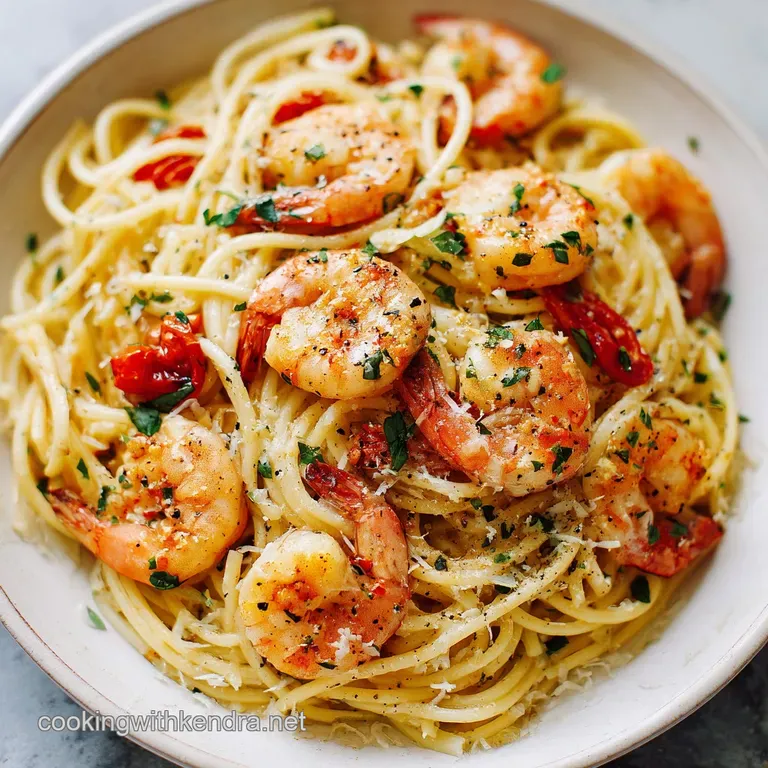
- Time: Active 10 minutes, Passive 10 minutes, Total 20 minutes
- Flavor/Texture Hook: Silky, garlicky, and bright
- Perfect for: Quick weeknight dinners or a fast date night meal
- Your New Favorite Weeknight Shrimp Pasta Recipe
- The Mechanics of Glossy Emulsion
- Component Analysis for Better Results
- Essential Stats for Fast Dinners
- Minimal Tools for Maximum Flavor
- From Cold Pan to Plate
- Solving Common Stovetop Seafood Snags
- Creative Ways to Personalize Dinner
- Adjusting for Your Family Size
- No Browning Rule for Garlic
- Preservation Secrets
- Perfect Pairings for Garlic Seafood
- Recipe FAQs
- 📝 Recipe Card
Your New Favorite Weeknight Shrimp Pasta Recipe
The sound of 1 lb large shrimp hitting a hot pan is one of my absolute favorite kitchen noises. It’s that sharp, immediate sizzle that tells you dinner is only a few minutes away.
I remember one Tuesday last month when the kids were starving, the fridge looked depressingly empty, and I almost reached for the takeout menu. Instead, I grabbed some frozen shrimp and a box of linguine.
Within 20 minutes, the kitchen smelled like a high end Italian bistro, and everyone was asking for seconds.
That night reminded me why this specific meal is such a staple in our house. It isn't just about the food; it's about that feeling of victory when you pull off something spectacular with minimal effort. We've all been there staring at a bag of pasta and wondering how to make it special.
This version works because it doesn't try to hide the ingredients behind heavy sauces. It celebrates the snap of the seafood and the bite of the garlic.
I've made plenty of mistakes with this one over the years, like burning the garlic until it turned bitter or ending up with a pool of oil at the bottom of the bowl. But through those fails, I found the tricks that actually work for a busy home cook.
You don't need fancy tools or a culinary degree; you just need to understand how to make water and fat play nice together. Let’s get into how we make that magic happen every single time.
The Mechanics of Glossy Emulsion
Starchy Suspension: The 1/2 cup reserved starchy pasta water contains amylose, which acts as a bridge between the olive oil and butter, creating a stable sauce.
Protein Coagulation: Searing the 1 lb large shrimp quickly at high heat prevents the internal proteins from tightening too much, keeping the texture snappy rather than rubbery.
Fat Saturation: Adding 4 tbsp unsalted butter at the very end off the heat allows the fat to melt slowly into the liquid, ensuring a velvety finish that won't break or separate.
Enzymatic Brightness: Fresh lemon juice added at the finish breaks down the heavy fats on the palate, making the whole dish feel lighter and more vibrant.
| Cooking Method | Cook Time | Texture Result | Best For |
|---|---|---|---|
| Stovetop Sear | 10 minutes | Snappy, charred edges | Maximum flavor and speed |
| oven-roasted | 15 minutes | Tender, uniform cook | Hands off multitasking |
| Cold Start Pan | 12 minutes | Soft, infused garlic | Deep garlic flavor profile |
There's a significant difference between cooking the shrimp in the oven versus on the stovetop. While the oven is great for a hands off approach, the stovetop method allows you to control the sear and build that crucial fond at the bottom of the pan.
This fond, or those little brown bits, is where all the deep, savory flavor hides, and it’s much easier to incorporate into your sauce when working over a flame.
Component Analysis for Better Results
| Ingredient | Science Role | Pro Secret |
|---|---|---|
| 1/2 cup Pasta Water | Primary Emulsifier | Never salt the pasta water as much as people say; keep it balanced so the sauce isn't a salt bomb. |
| 5 cloves Garlic | Aromatic Base | Slice them paper thin rather than mincing to avoid burning and provide sweet, nutty bites. |
| 4 tbsp Unsalted Butter | Fat Emulsion | Use cold, cubed butter right at the end to "mount" the sauce for a professional sheen. |
Essential Stats for Fast Dinners
To get this right, you’ll need a few basics from your pantry. I always keep a bag of large shrimp in the freezer just for this occasion. If you’re looking for a different vibe later this week, you might want to try this Seafood Pasta Salad recipe which uses similar ingredients but in a chilled format.
- 1 lb large shrimp (31-35 count): Peeled and deveined. Why this? Larger shrimp stay juicier during the over high heat sear than smaller ones.
- Substitute: Scallops (sear for the same amount of time).
- 8 oz linguine or spaghetti: Why this? Long strands provide more surface area for the thin, silky sauce to cling to.
- Substitute: Fettuccine (results in a slightly heavier mouthfeel).
- 4 tbsp unsalted butter: Cubed. Why this? Controlling the salt yourself is key to not over seasoning the seafood.
- Substitute: Ghee (higher smoke point but lacks the creamy milk solids).
- 2 tbsp extra virgin olive oil: Why this? Adds a peppery fruitiness that butter alone can't provide.
- Substitute: Avocado oil (neutral flavor but very high smoke point).
- 5 cloves garlic: Thinly sliced. Why this? Slices are more forgiving than minced garlic and look beautiful on the plate.
- Substitute: 1 tsp garlic powder (not recommended for the main flavor, but works in a pinch).
- 1/2 cup reserved starchy pasta water: Why this? This is the liquid gold that turns oil into a cohesive sauce.
- Substitute: No true substitute; plain water won't emulsify as well.
- 1/4 cup fresh Italian parsley: Finely chopped. Why this? Adds a necessary grassy freshness to cut through the fat.
- Substitute: Fresh basil (adds a sweeter, peppery profile).
- 1/4 cup freshly grated Pecorino Romano or Parmesan: Why this? Provides the salt and umami kick that rounds out the lemon.
- Substitute: Nutritional yeast (for a dairy-free salty punch).
- 1 tbsp fresh lemon juice & 1 tsp zest: Why this? The acid balances the butter, and the zest provides aromatic oils.
- Substitute: White wine vinegar (acidic but lacks the citrus aroma).
- 1/2 tsp sea salt & 1/4 tsp cracked black pepper: Why this? Coarse grains provide better texture and flavor control.
- Substitute: Table salt (use half the amount by volume).
- 1/2 tsp red pepper flakes: Why this? A subtle background heat that wakes up the shrimp.
- Substitute: A dash of cayenne (more intense heat, use sparingly).
Minimal Tools for Maximum Flavor
You don’t need a kitchen full of gadgets for this Shrimp Pasta Recipe. I usually reach for my 12 inch stainless steel skillet or a cast iron pan. You want a wide surface area so the shrimp can sear without steaming.
If you crowd them into a small pot, they’ll turn gray and rubbery before they ever get that beautiful pink curl.
A large pot for the pasta is also essential. Make sure it's big enough that the linguine can move freely. I also highly recommend a microplane for the lemon zest and the cheese. It creates those tiny, airy shards of Pecorino that melt instantly into the sauce. Finally, keep a heat proof measuring cup next to the stove.
I can’t tell you how many times I’ve accidentally drained all my pasta water down the sink before remembering to save that half cup for the sauce!
Chef's Tip: Freeze your block of Pecorino for 10 minutes before grating. It makes the cheese much firmer, allowing you to get those perfect, wispy strands without it clumping together in the grater.
From Cold Pan to Plate
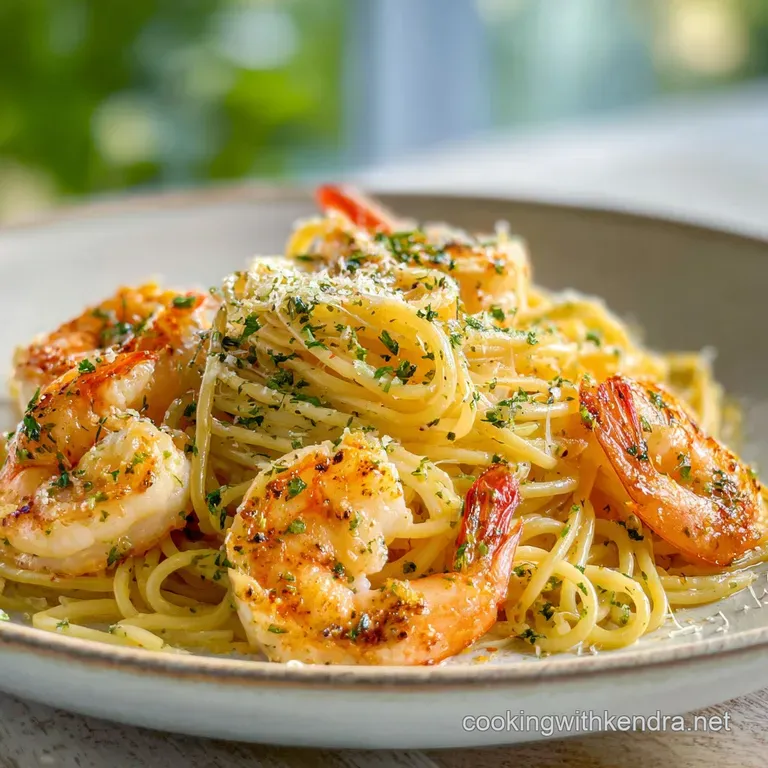
Phase 1: The Boiling Point
Bring a large pot of salted water to a rolling boil. Add 8 oz linguine and cook for about 1-2 minutes less than the package directions. Note: The pasta will finish cooking in the skillet with the sauce.Stop when the center still has a firm bite.
Phase 2: The 3 Minute Sear
While the pasta boils, heat 2 tbsp olive oil in a large skillet over medium high heat. Pat the 1 lb large shrimp completely dry. Add them to the pan in a single layer. Cook for 90 seconds until the edges turn pink and opaque. Flip and cook for another 60 seconds.
Remove the shrimp from the pan and set them on a plate.
Phase 3: The Aromatic Base
Reduce the skillet heat to medium. Add 2 tbsp of the butter (reserve the rest). Throw in the 5 sliced garlic cloves and 1/2 tsp red pepper flakes. Sauté until the garlic is golden and the kitchen smells like heaven. Do not let the garlic turn dark brown, or it will taste bitter.
Phase 4: The Final Toss
Before draining the pasta, scoop out 1/2 cup of that cloudy pasta water. Add the water to the skillet with the garlic. Bring to a simmer. Add the 8 oz linguine directly into the skillet. Toss vigorously for 1 minute until the liquid starts to thicken.
Phase 5: The Glossy Finish
Turn off the heat. This is crucial for the emulsion. Add the remaining 2 tbsp butter, 1/4 cup Pecorino Romano, 1 tbsp lemon juice, and 1 tsp zest. Whisk or toss until the sauce looks velvety and clings to every strand.
Phase 6: Bringing It Together
Fold the seared shrimp back into the pan along with 1/4 cup chopped parsley. Toss one last time to warm the shrimp through. Serve immediately while the sauce is at its peak shine.
Solving Common Stovetop Seafood Snags
One of the most frustrating things is when your sauce looks more like soup or, worse, just plain oil. This usually happens because the heat was too high when you added the cheese and butter, causing the fat to separate. If this happens, don't panic.
You can often fix a "broken" sauce by adding a tablespoon of hot pasta water and whisking like crazy off the heat.
Why Your Shrimp Is Rubbery
If your shrimp feels like a pencil eraser, it’s overcooked. This happens fast! Shrimp continue to cook even after you take them out of the pan due to residual heat. I always pull mine off the heat when they still have a tiny bit of translucency in the very center of the thickest part.
They’ll finish through while resting on the plate and during the final toss.
| Problem | Root Cause | Solution |
|---|---|---|
| Watery Sauce | Too much pasta water or under reduced liquid | Simmer for 1 extra minute before adding the pasta to the skillet. |
| Clumpy Cheese | Added cheese to a boiling pan | Turn off the heat completely before stirring in the Pecorino. |
| Bitter Aftertaste | Garlic was browned too deeply | Sauté garlic on lower heat and add liquid the moment it turns golden. |
Common Mistakes Checklist
- ✓ Never skip patting the shrimp dry; moisture on the surface causes them to steam instead of sear.
- ✓ Don't dump the pasta water; it is the most important "ingredient" for the sauce texture.
- ✓ Avoid using pre grated cheese in a can; the anti caking agents prevent it from melting smoothly.
- ✓ Always use fresh lemon; the bottled stuff has a metallic tang that ruins the delicate seafood flavor.
- ✓ Keep the shrimp in a single layer in the pan; work in batches if your skillet is small.
Creative Ways to Personalize Dinner
Sometimes you want to change things up depending on what's in the pantry. This Shrimp Pasta Recipe is incredibly forgiving. If you have some heavy cream in the back of the fridge, you can swap half of the pasta water for cream to create a richer, more indulgent version.
This is what I call the "Saturday Night Special."
If you're looking for something even simpler, you could look at this Boiled Shrimp recipe as a starting point for the protein and then just toss it with buttered noodles. It's a great shortcut for those nights when even sautéing garlic feels like too much work.
1. Creamy Shrimp Pasta Recipe Twist
Add 1/4 cup of heavy cream along with the pasta water. This creates a thicker, more opaque sauce that feels very luxurious. It's perfect for a rainy night when you need a bit of comfort food.
2. Shrimp Pasta Recipe Tomato Sauce
Stir in 2 tbsp of tomato paste when you sauté the garlic. This gives the dish a deep red hue and a savory, acidic backbone that pairs beautifully with the seafood. It almost turns it into a quick Fra Diavolo.
3. The Mediterranean Swap
Add a handful of halved cherry tomatoes and a tablespoon of capers along with the garlic. The tomatoes will burst and release their juices, adding another layer of natural sweetness to the sauce.
Adjusting for Your Family Size
Scaling this dish is fairly straightforward since it's built on a 1:1 ratio of shrimp to pasta weight. If you're cooking for a crowd, I recommend doubling the shrimp and garlic but being careful with the liquid.
You don't always need twice the amount of pasta water; start with 3/4 cup and add more only if the pan looks dry.
When halving the recipe for a solo dinner, use a smaller skillet. Using a massive pan for a single serving can cause the sauce to evaporate too quickly, leaving you with dry noodles.
For the spices, like the red pepper flakes and salt, I usually keep them at about 75% of the original amount when doubling the recipe to ensure the heat doesn't become overwhelming.
No Browning Rule for Garlic
A common myth is that you need to brown garlic to get the best flavor. In this dish, that's actually the opposite of what you want. "Blonding" the garlic cooking it until it's just translucent and barely golden preserves its sweetness and prevents it from overpowering the shrimp.
Once garlic turns dark brown, it develops a sharp, acrid taste that will permeate the entire sauce.
Another myth is that you must use white wine for a good shrimp pasta. While a splash of Pinot Grigio is lovely, the starchy pasta water and lemon juice provide all the body and acidity you need. You aren't missing out on anything by keeping it alcohol free.
Preservation Secrets
This dish is definitely at its best the moment it hits the plate. However, life happens, and sometimes you have leftovers. Store any extra in an airtight container in the fridge for up to 2 days. I don't recommend freezing the cooked pasta, as the noodles will become mushy and the shrimp will lose their snap.
To reheat, avoid the microwave if possible! It tends to turn the shrimp into rubber. Instead, put the pasta back in a skillet with a splash of water or a tiny bit of butter over low heat. Toss it gently until it's warmed through. This helps "revive" the emulsion and keeps the sauce from looking oily.
For zero waste cooking, don't throw away your lemon halves once you've squeezed them. Toss them into a jar of white vinegar to make a natural kitchen cleaner, or put them down the garbage disposal to freshen it up. If you bought shrimp with the shells on, save those shells in a freezer bag!
They make an incredible quick seafood stock for your next soup or risotto.
Perfect Pairings for Garlic Seafood
Since this is a lighter, citrus forward dish, you want sides that won't compete with the garlic. A simple arugula salad with a balsamic glaze is my go to. The peppery bite of the greens cuts right through the buttery linguine.
If you want something more substantial, a crusty loaf of sourdough is mandatory for mopping up any leftover sauce at the bottom of your bowl. You could even serve this alongside a Homemade Chicken Noodle Casserole recipe if you're doing a big family buffet style dinner and want to offer both a seafood and a poultry option.
- Decision Shortcut:
- If you want it spicy, double the red pepper flakes and add a squeeze of Sriracha at the end.
- If you want it lighter, skip the butter and double the olive oil and lemon juice.
- If you want it crunchy, top the finished dish with toasted panko breadcrumbs mixed with lemon zest.
Recipe FAQs
What's the secret to flavorful shrimp pasta?
Pat the shrimp completely dry before searing. Moisture on the surface causes the shrimp to steam instead of developing the necessary fond (browned bits) in the pan, which is essential for deep flavor extraction.
What's the best sauce to eat with shrimp?
A simple emulsified butter and lemon sauce is the best. It relies on reserved starchy pasta water to create a velvety sauce that complements the seafood without overpowering its delicate flavor.
What pairs best with shrimp pasta?
A simple arugula salad or crusty sourdough bread. The peppery greens or the bread are perfect for soaking up any leftover silky sauce without competing with the garlic and lemon notes.
Do you cook shrimp before or after pasta?
Sear the shrimp first, remove them, and then finish the pasta in the sauce. Searing them first ensures they don't overcook while the pasta finishes simmering in the sauce.
How do I prevent my sauce from looking oily and separated?
Turn off the heat before adding the cold, cubed butter and cheese. This technique, called mounting, allows the fat to slowly incorporate into the liquid base without separating, resulting in a professional sheen.
Is it true I must use heavy cream for a creamy shrimp pasta?
No, heavy cream is optional for richness, not necessary for creaminess. The silky texture you want comes from properly emulsifying the fat (butter/oil) with the starch suspended in the reserved pasta water.
How to properly slice garlic for this recipe to avoid bitterness?
Slice the garlic thinly rather than mincing it finely. Sauté these thin slices over medium heat only until they are golden blonde, then immediately add liquid to stop the cooking process and preserve their sweetness.
Quick Shrimp Pasta Recipe
Ingredients:
Instructions:
Nutrition Facts:
| Calories | 516 kcal |
|---|---|
| Protein | 32.6 g |
| Fat | 22.4 g |
| Carbs | 43.2 g |
| Fiber | 2.1 g |
| Sugar | 1.2 g |
| Sodium | 615 mg |
