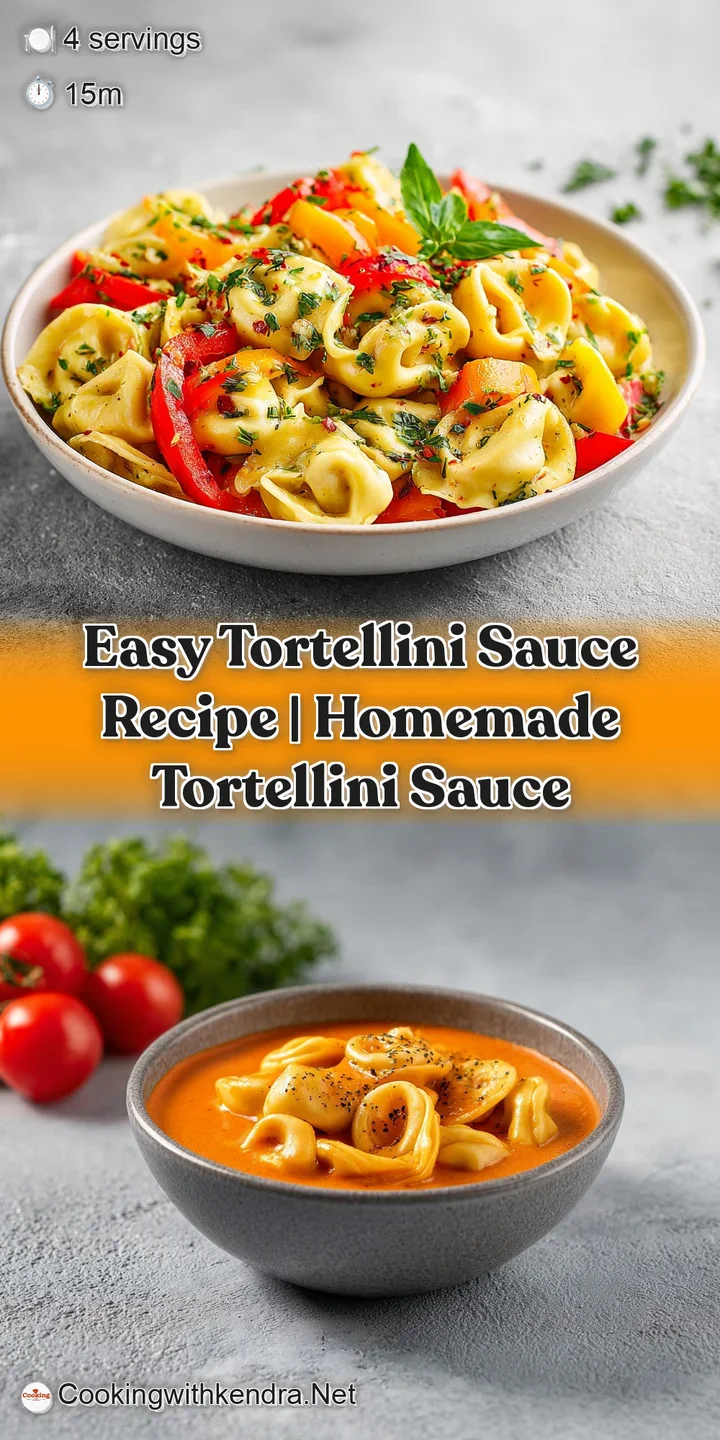
Velvety Tortellini Sauce in Minutes
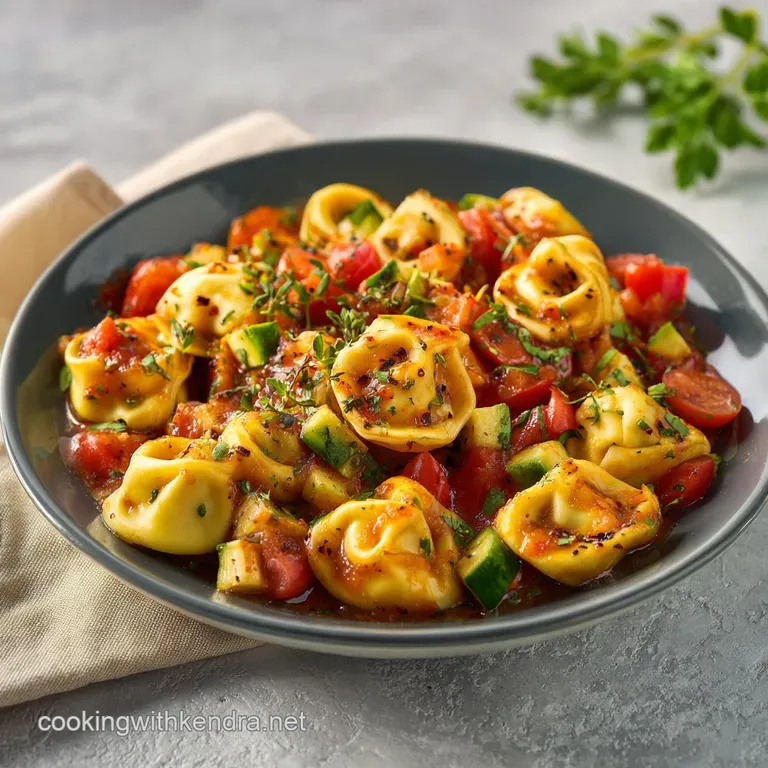
- Time: Active 5 minutes, Passive 10 minutes, Total 15 minutes
- Flavor/Texture Hook: Velvety, rich, and savory with a bright herbaceous finish
- Perfect for: Busy weeknight comfort or a quick date night dinner
- Understanding the Chemistry of Creamy Emulsions
- Component Analysis for the Best Results
- Choosing the Right Components for Flavor
- Required Kitchen Tools for Success
- Cooking the Perfect Meal Every Time
- Expert Solutions for Smooth Sauces
- Planning for Group Size Adjustments
- Customizing the Sauce for Every Palate
- Debunking Common Kitchen Beliefs
- Reliable Storage and Reheating Tips
- Perfect Side Dishes for Pasta
- High in Sodium
- Tortellini Sauce FAQs
- 📝 Recipe Card
Understanding the Chemistry of Creamy Emulsions
The magic of this specific method lies in how we manage the fats and liquids to prevent that dreaded grainy texture. When you're making a tortellini sauce, you are essentially creating an emulsion a stable mixture of fat and water.
- Lipid Stability: The high fat content in the 240ml of heavy cream acts as a natural stabilizer, preventing the sauce from curdling when it meets the acidic tomato paste.
- Starch Suspension: While we aren't using a roux, the small amount of starch that escapes the refrigerated tortellini as they finish cooking in the sauce helps "bind" the liquid to the pasta.
- Casein Networking: Freshly grated Parmesan contains proteins called caseins that, when melted slowly into a warm liquid, create a stretchy, smooth web rather than clumping into oily balls.
- Maillard Depth: Sautéing the 32g of tomato paste for a minute before adding liquid caramelizes the sugars, removing the raw metallic "tin" taste and replacing it with a deep umami flavor.
| Method | Time | Texture | Best For |
|---|---|---|---|
| Stovetop | 15 minutes | Silky and light | Quick weeknight meals |
| Oven Baked | 35 minutes | Thick and bubbly | Weekend comfort bakes |
| Slow Cooker | 3 hours | Deeply infused | Hands off meal prep |
Choosing the right method depends on your schedule, but the stovetop version remains the gold standard for maintaining that delicate creaminess. While the oven baked version offers those crispy cheese edges, it can sometimes dry out the delicate pasta shells if you aren't careful with the liquid ratios.
Component Analysis for the Best Results
Every ingredient in this recipe serves a functional purpose beyond just flavor. We aren't just adding things to a pan; we are building a structure. When you use 560g of refrigerated tortellini, you're getting a faster cook time and a more tender bite than the dried shelf stable versions.
| Ingredient | Science Role | Pro Secret |
|---|---|---|
| Heavy Cream | Primary Emulsifier | Use room temp cream to prevent thermal shock and breaking |
| Tomato Paste | Umami & Color | Sauté until it turns a dark rust color for maximum sweetness |
| Parmesan Cheese | Thickening Agent | Grate it yourself; pre shredded cheese is coated in starch |
| Chicken Broth | Viscosity Control | Use low sodium to control the final seasoning profile perfectly |
I’ve found that using the olive oil alongside the butter helps raise the smoke point slightly, which is a lifesaver if your stove runs hot. If you've ever wondered why some sauces feel "flat," it’s usually a lack of acidity or salt. This is why we hit it with that tiny bit of red pepper flakes and sea salt at the end. It's similar to the way we balance flavors in a Cocktail Sauce Recipe to make the primary ingredient pop.
Choosing the Right Components for Flavor
To get this dish right, you need to be specific about what you’re putting in the pan. Here is the breakdown of what we are using to make this tortellini sauce shine.
- 28g unsalted butter: Provides the rich, nutty base for sautéing.
- 15ml extra virgin olive oil: Prevents the butter from browning too quickly.
- 3 cloves garlic, minced: Adds the essential aromatic punch.
- 1 small shallot, finely diced: Sweeter and milder than white onion.
- 32g tomato paste: Why this? Provides concentrated tomato flavor without the excess water of canned sauce.
- 240ml heavy cream: Why this? The high fat content ensures the sauce remains stable and thick.
- 120ml low sodium chicken broth: Adds depth and thins the cream to a coating consistency.
- 45g freshly grated Parmesan cheese: The salty, savory glue that holds it all together.
- 1 tsp dried oregano: Gives that classic Italian herb backbone.
- 560g refrigerated cheese tortellini: Fresh pasta absorbs the sauce much better than dried.
- 60g fresh baby spinach: Wilts into the heat for color and texture.
- 0.5g red pepper flakes: Just enough to provide a tiny "back of-the throat" warmth.
- Sea salt and black pepper: To taste.
- Fresh basil leaves: For that bright, aromatic finish.
Substitution Table
| Original Ingredient | Substitute | Why It Works |
|---|---|---|
| Heavy Cream (240ml) | Whole Milk + 1 tbsp Flour | Lighter, but requires a roux for thickness. Note: Less rich |
| Chicken Broth (120ml) | Vegetable Broth | Same volume and saltiness. Note: Slightly more earthy |
| Shallot | Yellow Onion | Similar flavor profile. Note: Sauté 2 mins longer to soften |
If you find yourself out of shallots, don't sweat it. A regular yellow onion works fine, but I beg you, don't use the stuff in a jar for the garlic. Freshly minced garlic is the difference between a sauce that tastes "fine" and one that tastes "expensive."
Required Kitchen Tools for Success
You don't need a professional kitchen, but having the right heat conductor makes a world of difference. I always reach for a wide, high sided skillet. This increases the surface area, which helps the 240ml of heavy cream reduce faster.
- 12 inch Skillet: Preferably stainless steel or cast iron for even heat distribution.
- Microplane Grinder: Essential for getting that Parmesan into a fine "snow" that melts instantly.
- Silicone Spatula: Perfect for scraping every bit of that concentrated tomato paste off the bottom of the pan.
- Large Pot: For boiling the tortellini (though some pros cook it right in the sauce).
Chef's Tip: If you use a stainless steel pan, look for the "fond" those little brown bits stuck to the bottom after sautéing the shallots. When you pour in the chicken broth, scrape those up. That is pure flavor gold that shouldn't be wasted.
Cooking the Perfect Meal Every Time
Follow these steps closely, and watch for the visual cues. The timing is fast, so have your ingredients prepped and ready on the counter before you turn on the heat.
- Boil the water. Fill a large pot with salted water and bring to a rolling boil for the pasta.
- Sauté aromatics. Melt the 28g butter and 15ml oil in your skillet over medium heat. Add the shallots and cook for 2 minutes until translucent. Note: Don't let them brown; we want sweetness, not bitterness.
- Bloom the garlic. Stir in the 3 cloves of minced garlic and 0.5g red pepper flakes. Cook for 30 seconds until fragrant.
- Caramelize the paste. Add the 32g of tomato paste. Use your spatula to "smear" it into the butter/oil. Cook for 1 minute until the color deepens.
- Build the base. Pour in the 120ml of chicken broth and scrape the bottom of the pan. Stir in the 240ml heavy cream and dried oregano.
- Simmer and reduce. Bring the liquid to a gentle bubble. Simmer for 4 minutes until the sauce coats the back of a spoon.
- Cook the pasta. Drop the 560g of tortellini into the boiling water. Cook for 3 minutes until they float to the surface.
- Combine. Use a slotted spoon to move the pasta directly into the sauce. Add the 45g of Parmesan and the 60g of spinach.
- Finish and wilt. Toss gently for 1 minute until the spinach has wilted and the sauce is glossy.
- Garnish. Remove from heat, season with sea salt and pepper, and scatter fresh basil over the top.
The goal is a sauce that looks like liquid velvet. If it feels too thick at step 9, splash in a tablespoon of the pasta boiling water. The starch in that water is a secret weapon for loosening a sauce without diluting the flavor. This is a far cry from a simple Sage Butter Sauce Recipe, which relies on browning; here, we are looking for a creamy, cohesive bond.
Expert Solutions for Smooth Sauces
Sometimes things go sideways. Maybe the phone rang, or you got distracted by a messy kitchen. The most common issue with a cream based tortellini sauce is separation or "breaking."
Why Your Sauce Broke
If you see little beads of oil floating on top of a thin liquid, your sauce has broken. This usually happens if the heat was too high when the cheese was added, or if the cream was added while ice cold. To fix it, remove the pan from the heat immediately and whisk in a teaspoon of very hot water.
The heat and moisture can often coax the fats back into the emulsion.
Troubleshooting Table
| Problem | Root Cause | Solution |
|---|---|---|
| Grainy Texture | Pre shredded cheese used | Add a splash of heavy cream and whisk vigorously over low heat |
| Sauce Too Thin | Not reduced enough | Simmer for 2 more minutes before adding the pasta |
| Muted Flavor | Lack of salt/acid | Add a tiny squeeze of lemon juice or another pinch of sea salt |
Common Mistakes Checklist
- ✓ Grate your own Parmesan from a block (prevents the "grainy" feel from anti clumping agents).
- ✓ Never let the sauce reach a hard, rolling boil once the cream is added.
- ✓ Move the pasta directly from the water to the sauce; don't rinse it.
- ✓ Save a cup of pasta water before draining it's your "insurance policy" for texture.
- ✓ Add the spinach at the very end so it stays bright green rather than turning grey.
Planning for Group Size Adjustments
This recipe is incredibly easy to scale, but you have to be careful with the liquids. If you are doubling it for a dinner party, don't just double everything blindly.
Scaling Down (1-2 People): Use a smaller skillet to prevent the sauce from evaporating too quickly. Use half an egg's worth of liquid if you were making fresh pasta, but for this sauce, simply halve all measurements. Reduce the simmer time by about 1 minute.
Scaling Up (8 People): When doubling, use 480ml of cream but only about 200ml of broth. Liquids don't always need a 1:1 double because the evaporation rate changes in a larger pot. Work in a very large Dutch oven to give the pasta room to move without breaking the delicate shells.
| Servings | Tortellini Amount | Pan Size | Total Liquid |
|---|---|---|---|
| 2 people | 280g | 10 inch | 180ml total |
| 4 people | 560g | 12 inch | 360ml total |
| 8 people | 1.12kg | Dutch Oven | 650ml total |
When you're cooking for a crowd, keep the sauce and pasta separate until the very last second. Tortellini are like little sponges; they will soak up every drop of moisture if they sit for too long, leaving you with a dry dish.
Customizing the Sauce for Every Palate
One of the reasons I love this tortellini sauce is how much it welcomes variation. You can take this base and turn it into something entirely different with just one or two swaps.
Crafting a Zesty Sauce for Sausage Tortellini
If you’re using sausage filled pasta, you want to lean into the spice. Brown 200g of ground Italian sausage in the pan before you start the shallots. Leave the fat in the pan it adds an incredible depth. You might want to double the red pepper flakes to 1g to match the heat of the meat.
Whipping Up a Chicken Tortellini Cream Sauce
For a version with chicken, I recommend using a rotisserie chicken. Shred the breast meat and toss it into the sauce at the same time as the spinach. It only needs to warm through. Because chicken is leaner, you can actually add an extra 15g of Parmesan to give the sauce more "clinging power" to the meat.
Three ways to change the vibe:If you want it earthy, swap the oregano for fresh thyme and add sautéed mushrooms. If you want it bright, add the zest of half a lemon and swap the spinach for peas.
If you want it smoky, add a teaspoon of smoked paprika when you add the tomato paste.
The logic here is similar to finding The Secret to recipe perfection it's all about balancing that one "hero" ingredient against a solid, reliable base.
Debunking Common Kitchen Beliefs
There are so many "rules" about pasta that just don't hold water. Let's clear up a few that might be holding your sauce back.
The "Rinse Your Pasta" Myth: People think rinsing pasta stops it from sticking. In reality, it washes away the surface starch that helps the sauce stick to the tortellini. Never rinse. The starch is your friend.
The "Oil in the Water" Myth: Adding oil to your boiling water does not stop the pasta from sticking; it just makes the pasta greasy so the sauce slides right off. To prevent sticking, just use a large enough pot and give it a stir in the first 30 seconds.
The "Cream Always Curdles" Myth: Many home cooks are afraid of mixing dairy and tomato. As long as you use heavy cream (with its high fat content) and don't let it boil violently, it won't curdle. The fat acts as a buffer for the proteins.
Reliable Storage and Reheating Tips
Cream sauces are notorious for thickening up in the fridge. When this cools, the fats solidify and the pasta continues to drink up the moisture.
- Fridge: Store in an airtight container for up to 3 days.
- Freezer: I don't recommend freezing the assembled dish as the tortellini can become mushy. However, you can freeze the sauce base (without pasta) for up to 2 months.
- Reheating: This is the critical part. Do not just microwave it on high. Place the leftovers in a skillet over low heat and add a splash of milk or water (about 15ml per serving). Stir gently as it warms to re emulsify the fats. This will bring back that velvety texture you had on day one.
Zero Waste Tip: If you have leftover sauce but no pasta, use it as a base for a baked egg dish the next morning. Simmer the sauce in a small pan, crack two eggs into it, cover, and cook until the whites are set. It's an incredible Italian style shakshuka.
Also, those spinach stems you might have trimmed? Chop them finely and sauté them with the shallots next time they have tons of flavor and a nice crunch.
Perfect Side Dishes for Pasta
Since this tortellini sauce is quite rich, you want sides that provide a sharp, fresh contrast. A heavy cream sauce needs something acidic or crunchy to reset your palate between bites.
I usually go with a simple arugula salad tossed in a very sharp lemon vinaigrette. The peppery bite of the greens cuts right through the Parmesan. If you want something warm, roasted broccoli with a lot of charred edges and a sprinkle of red pepper flakes works beautifully.
Whatever you choose, keep it simple. The tortellini is the star here, and the sauce is the supporting actor that makes it shine. Trust your instincts, watch your heat, and don't be afraid to add that extra splash of pasta water at the end. It’s the hallmark of a cook who knows exactly what they’re doing.
Ready to give it a go? Your Tuesday night just got a whole lot better.
High in Sodium
885 mg mg of sodium per serving (38% % of daily value)
The American Heart Association recommends limiting sodium intake to about 2,300mg per day.
Sodium Reduction Tips for Your Tortellini Recipe
-
Broth Swap-30%
Replace the 120ml low-sodium chicken broth with unsalted or homemade chicken broth. This can significantly reduce the sodium content.
-
Parmesan Portion-15%
Reduce the amount of Parmesan cheese from 45g to 30g, or substitute with a lower sodium cheese alternative, or nutritional yeast, which has a savory, umami flavor. Parmesan is a significant source of sodium.
-
Tortellini Choice-10%
Check the label of your refrigerated cheese tortellini and opt for a brand with lower sodium content per serving. Different brands can vary widely.
-
Skip Added Salt-25%
Eliminate the 'sea salt to taste' and instead rely on other flavor enhancers. The Parmesan and broth already contribute sodium.
-
Tomato Paste Control-10%
Use no-salt added tomato paste. If that is unavailable, consider reducing the amount of tomato paste and/or extending the cook time slightly for flavor development.
-
Flavor Boost
Enhance the flavor with more fresh herbs like basil, parsley, and oregano. You can also add garlic powder or onion powder for added depth.
Tortellini Sauce FAQs
What kind of sauce goes well with tortellini?
Cream based sauces or brown butter sauces are ideal. Tortellini, especially cheese filled varieties, pair perfectly with rich, coating sauces that won't overwhelm the delicate pasta shell. A simple browned butter and sage sauce or a classic Alfredo works wonderfully.
What can I put on top of tortellini?
Fresh herbs, toasted nuts, and grated hard cheese are excellent toppers. Finish the dish with freshly cracked black pepper and a drizzle of high-quality olive oil. A sprinkle of toasted pine nuts adds a necessary crunch against the soft tortellini.
Do I need a sauce for tortellini?
No, but it is highly recommended for flavor. Tortellini is boiled and served, but without a sauce, the flavor profile is muted. Tossing it in a flavorful liquid, even just a simple drizzle of melted butter and Parmesan, significantly elevates the dish.
How do you make a creamy sauce for pasta?
Gently simmer heavy cream with broth, reducing it slightly before whisking in grated Parmesan cheese off the heat. The key is low, slow heat to create a stable emulsion and prevent the dairy from separating. If you want a high protein alternative, check out the technique used in our Cottage Cheese Alfredo recipe for thickening.
Can I use tomato sauce with cheese tortellini?
Yes, but use a cream enriched tomato sauce for the best result. A pure acidic tomato sauce can sometimes clash with the mild cheese filling. Try making a blush sauce by stirring a half cup of heavy cream into your tomato base until heated through for a richer flavor profile.
What is the secret to a glossy, non-grainy cream sauce?
Use freshly grated Parmesan cheese added off the heat. Pre-shredded cheese contains anti caking agents that cause graininess. Whisking the cheese in when the liquid is warm, but not boiling, allows the proteins to melt smoothly. This principle of controlled temperature application is also vital when making glazes, much like in our Horseradish Cream Sauce recipe.
Can I use chicken broth instead of heavy cream for a lighter sauce?
No, broth alone will result in a thin, watery coating. Broth is mostly water and lacks the fat content needed to properly emulsify and cling to the pasta shells. You must use at least some heavy cream or a butter/flour roux to achieve that desired velvety texture.
Quick Tortellini Sauce Recipe
Ingredients:
Instructions:
Nutrition Facts:
| Calories | 747 kcal |
|---|---|
| Protein | 23.5 g |
| Fat | 45.5 g |
| Carbs | 62.5 g |
| Fiber | 4.2 g |
| Sugar | 4.8 g |
| Sodium | 885 mg |
