Recipe of Lasaniya: Oven Ready Italian Layers
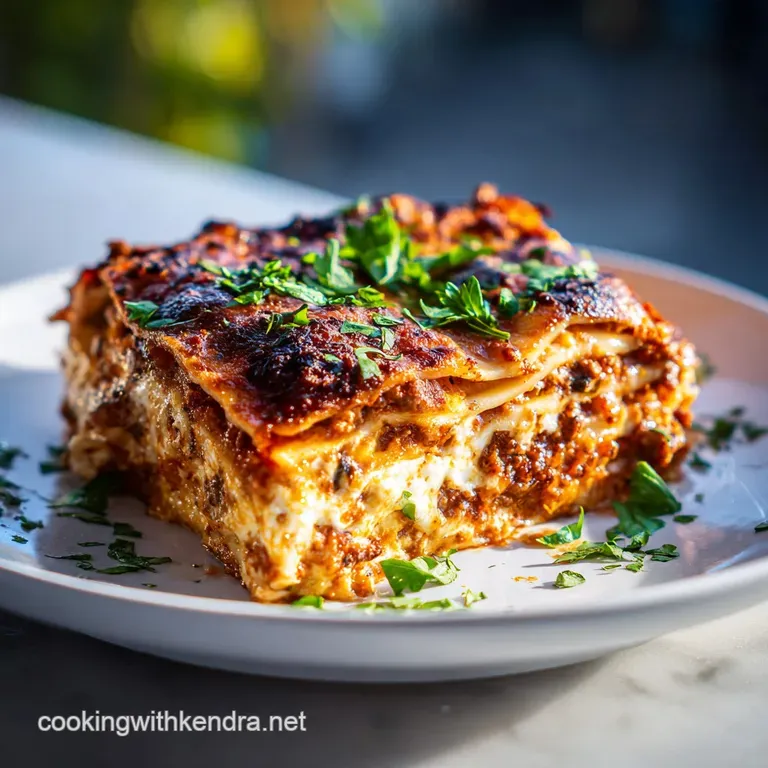
- Time: Active 25 minutes, Passive 45 minutes, Total 1 hour 10 minutes
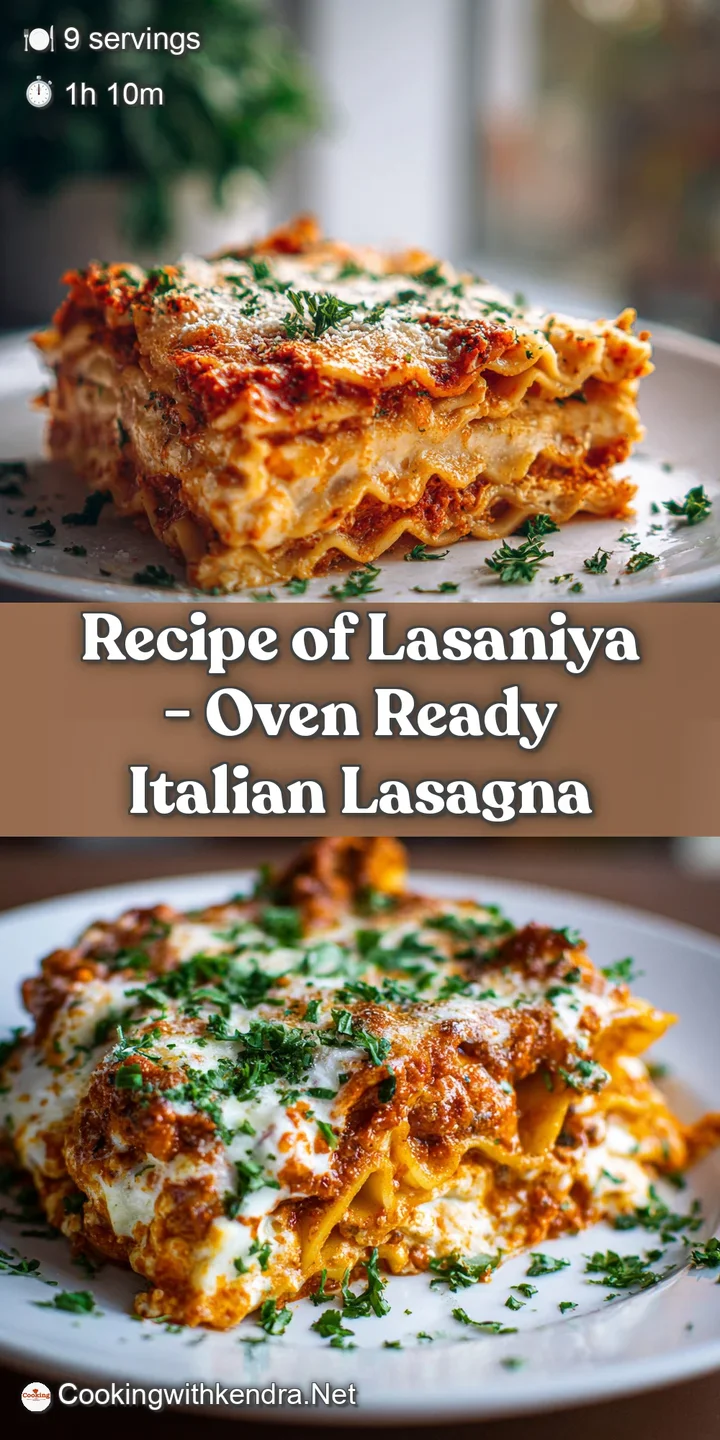
- Flavor/Texture Hook: Rich, velvety layers with a crispy cheese crust
- Perfect for: Family Sunday dinner or high yield meal prepping
- Master the Ultimate Recipe of Lasaniya
- The Science of Sauce Stability
- Essential Numbers for Success
- Component Analysis and Selection
- Simple Pantry Items You Need
- Kitchen Tools for Easy Prep
- Step-by-Step Guide to Success
- Fixes for Common Kitchen Errors
- Easy Ways to Swap Flavors
- Storing and Using Your Leftovers
- Plating Tips for Better Results
- Very High in Sodium
- Recipe FAQs
- 📝 Recipe Card
Master the Ultimate Recipe of Lasaniya
The first thing you hear is that aggressive sizzle when the Italian sausage hits the bottom of the heavy pot. Within seconds, the aroma of garlic and toasted oregano drifts through the kitchen, signaling that something heavy and comforting is on the way.
I remember the very first time I tried to tackle this dish; I didn't drain the fat from the meat properly, and the whole thing ended up looking more like a soup than a casserole. It was a greasy, delicious mess, but it taught me that the secret to a slice that actually holds its shape isn't magic - it's moisture control.
We've all been there, staring at a box of noodles wondering if the "oven ready" claim is a total lie. I’m here to tell you that it works beautifully, provided you give them enough sauce to drink up.
This recipe of lasaniya is designed for the busy home cook who wants that deep, slow cooked flavor without standing over a boiling pot of pasta for half an hour. We’re focusing on a thick, concentrated meat sauce and a herb packed ricotta mixture that stays exactly where you put it.
Right then, let's get the oven preheated and move on to why this method actually holds together.
The Science of Sauce Stability
The Maillard Reaction: Searing the beef and sausage at high heat creates complex flavor compounds that simple boiling can't achieve. This browning provides the savory backbone that cuts through the heavy cheese layers.
Starch Hydration Theory: Oven ready noodles rely on the water content of the crushed tomatoes to soften. By skipping the boiling step, the noodles absorb the flavored sauce directly, which binds the layers together as they bake.
Protein Coagulation: Adding a beaten egg to the ricotta acts as a thermal binder. As the lasagna heats, the egg proteins set, preventing the cheese from turning into a runny liquid when you slice into it.
| Cooking Method | Total Time | Texture Result | Best Use Case |
|---|---|---|---|
| Traditional Oven | 1 hour 10 mins | Crispy edges, firm layers | Classic family dinner |
| Stovetop Skillet | 35 minutes | Softer, more "pasta like" | Quick weeknight fix |
| Slow Cooker | 6 hours | Extremely tender, melty | Set it and forget it |
If you love these kinds of hearty, soul warming meals, this recipe of lasaniya pairs incredibly well with a side of greens or even a starter like my Traditional Pinto Bean recipe to keep the comfort food theme going strong.
Essential Numbers for Success
| Precision Metric | Target Value | Why It Matters |
|---|---|---|
| Internal Temp | 165°F (74°C) | Ensures the egg in the ricotta is fully set |
| Resting Time | 15 minutes | Allows the sauce to thicken for clean slices |
| Sauce Volume | 1/2 cup per layer | Provides exact hydration for the dry noodles |
To ensure the best results, use a deep 9x13-inch baking dish. If your pan is too shallow, the sauce will bubble over the edges and cause a smoky mess in your oven. I usually place a baking sheet on the rack below just in case.
Component Analysis and Selection
| Ingredient | Science Role | Pro Secret |
|---|---|---|
| Tomato Paste | Umami Concentrator | Sauté it with the onions until it turns rust colored to remove the metallic edge. |
| Ricotta Cheese | Moisture Barrier | Use whole milk versions; low-fat yields a grainy, watery texture that ruins the mouthfeel. |
| Italian Sausage | Fat and Flavor | The fennel seeds in the sausage provide a classic "Italian" profile without extra spices. |
This recipe relies on the balance between the acidity of the tomatoes and the creaminess of the dairy. If you find your sauce is too acidic, a tiny pinch of sugar can balance the pH without making the dish sweet. Trust me, even a half teaspoon makes a massive difference in how the flavors land on your tongue.
Simple Pantry Items You Need
For this recipe of lasaniya, we are using standard imperial measurements to keep things consistent with classic home baking.
- 1 lb lean ground beef (80/20): Provides the meaty base.
- 0.5 lb Italian sausage: Adds fat and spice. Why this? The sausage fat carries the flavor of the dried herbs better than lean beef.
- 2 cloves garlic, minced: Essential aromatic.
- 1 small onion, finely diced: Sweetness and texture.
- 28 oz crushed tomatoes: The primary hydration source.
- 6 oz tomato paste: For thickness and color.
- 1 tbsp dried oregano: Traditional earthy notes.
- 1 tsp red pepper flakes: A subtle back end heat.
- 15 oz whole milk ricotta cheese: The creamy middle.
- 1 large egg, beaten: The structural binder.
- 0.5 cup freshly grated Parmesan cheese: Adds salty punch.
- 0.25 cup fresh parsley, chopped: Brightness for the cheese.
- 15 oven ready lasagna noodles: No boil convenience.
- 4 cups shredded mozzarella cheese: The ultimate melty topper.
| Original Ingredient | Substitute | Why It Works |
|---|---|---|
| Italian Sausage | Ground Pork + Fennel | Similar fat content and flavor profile. |
| Ricotta Cheese | Small Curd Cottage Cheese | Note: Creates a lumpier texture but adds more protein and salt. |
| Ground Beef | Ground Turkey | Lower fat. Note: Requires more seasoning to avoid a bland finish. |
If you're looking for a different spin on a layered pasta dish during the week, you might also enjoy the velvety textures found in my Pasta Primavera Recipe. It’s a great way to use up seasonal veggies while still getting that creamy fix.
Kitchen Tools for Easy Prep
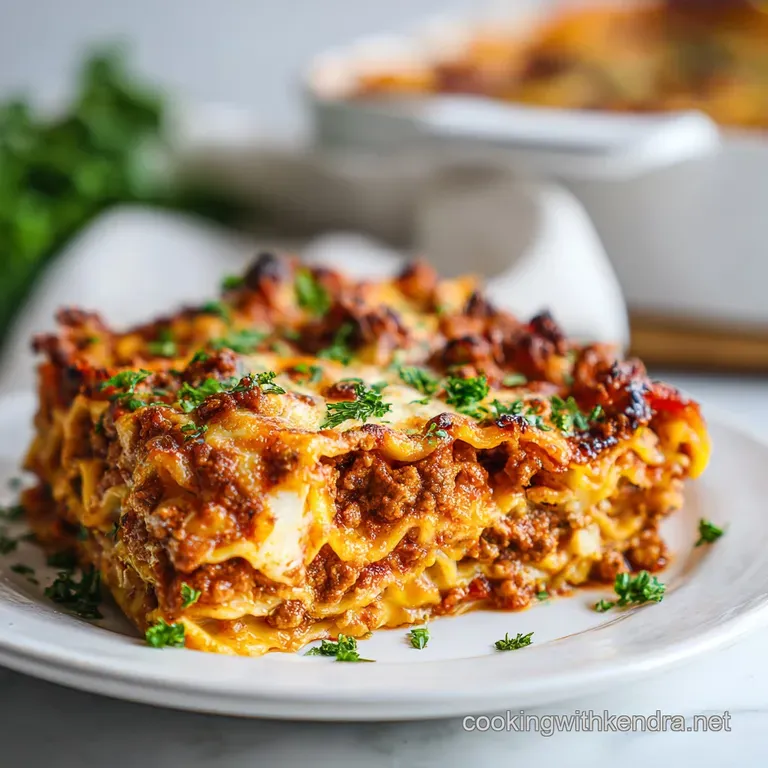
You don't need a professional kitchen for this, but a few specific tools make the assembly much smoother. I highly recommend a heavy bottomed Dutch oven for the sauce. It holds heat better than thin pans and prevents the bottom from scorching while the tomatoes simmer.
You'll also need a large mixing bowl for the ricotta mixture and a sturdy spatula. When it comes to the cheese, a box grater is your best friend. Pre shredded cheese is coated in potato starch to prevent clumping, but that starch also prevents it from melting into that velvety, stretchy layer we're looking for.
step-by-step Guide to Success
- Brown the meats. Add 1 lb ground beef and 0.5 lb sausage to a pot over medium high heat until browned and crumbly.
- Sauté aromatics. Toss in the diced onion and garlic. Cook for 5 minutes until the onions are translucent. Note: Don't let the garlic burn or it will turn bitter.
- Build the sauce. Stir in 6 oz tomato paste and 28 oz crushed tomatoes. Add the oregano and red pepper flakes.
- Simmer. Lower the heat and let the sauce bubble for 15 minutes until it thickens and smells rich.
- Mix the cheese. In a bowl, combine 15 oz ricotta, the beaten egg, 0.5 cup Parmesan, and 0.25 cup parsley.
- Start layering. Spread 1 cup of meat sauce on the bottom of a 9x13 dish. Note: This prevents the bottom noodles from sticking.
- Layer the noodles. Place 3 to 4 oven ready noodles over the sauce. They can overlap slightly.
- Add cheese and sauce. Spread 1/3 of the ricotta mixture over the noodles, followed by 1 cup of mozzarella and more meat sauce.
- Repeat steps. Continue layering until you use all 15 noodles, ending with a thick layer of 4 cups mozzarella on top.
- Bake. Cover with foil and bake at 375°F (190°C) for 25 minutes. Remove foil and bake 20 minutes more until the cheese is bubbly and golden.
Chef's Tip: Lightly spray the underside of your tinfoil with non stick cooking spray before covering the dish. This prevents the beautiful top layer of cheese from sticking to the foil and tearing off when you uncover it!
Fixes for Common Kitchen Errors
Why Your Lasagna Is Soupy
If your lasagna falls apart into a puddle on the plate, it’s usually because the meat sauce wasn't simmered long enough or the ricotta wasn't drained. High water content in the vegetables can also leach out during the bake.
To Prevent Hard Edges
Oven ready noodles can sometimes stay crunchy at the corners. This happens if the sauce doesn't completely cover every inch of the pasta. Make sure you spread the sauce all the way to the very edges of the pan to "seal" the noodles in moisture.
| Problem | Root Cause | Solution |
|---|---|---|
| Dry noodles | Not enough sauce coverage | Ensure sauce touches all noodle edges before baking. |
| Greasy top | Low quality cheese or meat | Drain the fat thoroughly after browning the beef/sausage. |
| Rubbery cheese | Overbaking uncovered | Keep covered for the first 25 minutes of the bake. |
Common Mistakes Checklist:
- ✓ Forgot to drain the meat fat (leads to an oil slick on top).
- ✓ Using "cold" sauce during assembly (increases total bake time significantly).
- ✓ Skipping the egg in the ricotta (the layers won't hold their shape).
- ✓ Cutting the lasagna immediately (the sauce needs time to set).
- ✓ Overcrowding the pan with too many noodle layers (leads to uneven cooking).
Easy Ways to Swap Flavors
If you want to change things up, this recipe of lasaniya is incredibly flexible. For those who prefer white sauces, you can swap the crushed tomatoes for a heavy cream and garlic base. This creates a much richer, heavier dish that feels very "restaurant style."
- For an Easy White Chicken Lasagna: Swap the beef for shredded rotisserie chicken and use a Parmesan bechamel sauce instead of tomato.
- For a Vegetarian Variation: Replace the meat with sautéed spinach, mushrooms, and zucchini slices.
- For a Spicy Kick: Double the red pepper flakes and use "Hot" Italian sausage instead of mild.
Decision Shortcut:
- If you want a lighter meal, use ground turkey and part skim ricotta.
- If you want a crispy crust, broil the top for the last 2 minutes of cooking.
- If you want a deeper flavor, add a splash of dry red wine to the sauce while it simmers.
| Premium Option | Budget Alternative | Flavor Impact | Savings |
|---|---|---|---|
| Fresh Buffalo Mozzarella | Low moisture Shredded Mozz | Less "creamy" but browns much better | Save $5-7 |
| San Marzano Tomatoes | Standard Crushed Tomatoes | Slightly more acidic, less naturally sweet | Save $3-4 |
| Fresh Basil Leaves | Dried Basil / Oregano | Less aromatic "pop" but still savory | Save $2-3 |
Storing and Using Your Leftovers
This recipe of lasaniya is actually one of those rare dishes that tastes even better on the second day. As it sits in the fridge, the flavors of the garlic and herbs continue to permeate the pasta. You can store leftovers in an airtight container in the fridge for up to 4 days.
For long term storage, lasagna freezes like a dream. I recommend cutting it into individual squares, wrapping them tightly in plastic wrap, and then placing them in a freezer bag. They will stay fresh for up to 3 months.
To reheat, let it thaw in the fridge overnight and then pop it in the oven at 350°F (180°C) until the center is hot.
Zero Waste Tip: If you have a little bit of the ricotta mixture left over, don't toss it! It makes a fantastic spread for toast the next morning, or you can dollop it into a bowl of plain pasta for a quick lunch.
Plating Tips for Better Results
To get that shatter crisp edge on the cheese while keeping the inside velvety, let the dish rest on the counter for at least 15 minutes before you even think about touching it with a knife. This allows the internal temperature to drop slightly, which "locks" the layers together.
If you cut it too soon, the sauce will run, and you'll lose that beautiful striped look on the side of the slice.
When serving, use a wide, offset spatula to get all the way under the bottom noodle. A sprinkle of fresh parsley or a few torn basil leaves right before serving adds a hit of color and freshness that cuts through the richness of the cheese.
Honestly, don't worry if the first piece looks a bit messy - the first slice is always the "chef's tax" anyway!
Very High in Sodium
1140 mg mg of sodium per serving (50% of daily value)
The American Heart Association recommends limiting sodium intake to about 2,300mg per day for overall cardiovascular health.
Sodium Reduction Tips for Your Lasagna
-
Swap Sausage-25%
Italian sausage is a major sodium contributor. Replace it with an equal amount of lean ground beef or turkey, or use a low-sodium Italian sausage if available. This can significantly reduce sodium content.
-
Low-Sodium Tomatoes-20%
Canned tomatoes can be high in sodium. Choose no-salt added crushed tomatoes and tomato paste. This swap can make a noticeable difference in the overall sodium level.
-
Reduce Parmesan-15%
Parmesan cheese is quite salty. Reduce the amount by half or substitute with a lower sodium cheese option like part skim mozzarella or ricotta. You can also try nutritional yeast for a cheesy flavor with less sodium.
-
Low-Sodium Ricotta-10%
Certain brands of ricotta cheese can have added sodium. Try to use low-sodium ricotta, or drain the regular ricotta well to remove some of the excess liquid and sodium.
-
Fresh is Best-5%
Omit the salt you would normally add while browning the ground beef and sausage. Rely on fresh garlic and onion, in larger quantities if desired, to boost the flavor naturally.
-
Herb Power
Enhance the flavors with fresh herbs and spices! Increase the amount of oregano, red pepper flakes, and parsley to compensate for reduced sodium. These add flavor without adding sodium.
Recipe FAQs
Can I skip boiling the lasagna noodles if I use the oven ready kind?
Yes, absolutely. Oven ready noodles are designed to hydrate solely from the moisture in your sauce during baking.
Ensure your meat sauce is slightly runnier than usual, as the pasta will absorb a significant amount of liquid to become tender.
What is the critical step to ensure the layers hold together and don't collapse when sliced?
Mixing an egg into the ricotta filling is essential. The egg acts as a thermal binder, helping the cheese proteins set firmly as the lasagna bakes.
Also, resting the finished dish for 15 minutes post bake allows the structure to firm up before slicing.
Why does my finished lasagna sometimes have a layer of oil or grease floating on top?
No, you likely skipped draining the meat fat. Ground beef and Italian sausage release a lot of fat during browning, which separates during baking.
You must fully drain the rendered fat after browning the meat before adding the tomato products.
How long does the lasagna need to bake covered versus uncovered?
Bake covered for the first 25 minutes at 375°F (190°C). This initial period steams the pasta and heats the interior thoroughly.
Remove the foil for the final 15-20 minutes to allow the top mozzarella layer to brown and crisp up nicely.
Is it true that using low-fat ricotta ruins the texture of the cheesy filling?
Yes, low-fat ricotta often leads to a grainy, watery texture. Whole milk ricotta contains more stabilizing fat, resulting in a much creamier, cohesive middle layer.
If you must use lower fat, try adding an extra tablespoon of Parmesan to help absorb excess moisture.
How can I build deeper, slow cooked flavor into the meat sauce in under an hour?
Sauté the tomato paste until it turns a dark rust color before adding liquids. This step caramelizes the sugars and removes the raw, metallic taste.
If you enjoyed mastering the browning and flavor concentration technique here, see how the same principle applies to building richness in our Homemade Au Jus recipe.
What is the best way to prepare this dish ahead of time for stress free baking later?
Assemble the entire lasagna, cover it tightly, and refrigerate for up to 24 hours. Do not bake it while cold; add about 15-20 minutes to the covered baking time.
For longer storage, you can freeze the assembled, uncooked dish for the best flavor retention.
Recipe Of Lasaniya
Ingredients:
Instructions:
Nutrition Facts:
| Calories | 691 kcal |
|---|---|
| Protein | 39.8 g |
| Fat | 33.2 g |
| Carbs | 46.5 g |
| Fiber | 4.2 g |
| Sugar | 8.4 g |
| Sodium | 1140 mg |
