Roasted Butternut Squash Soup: Caramelized Flavor
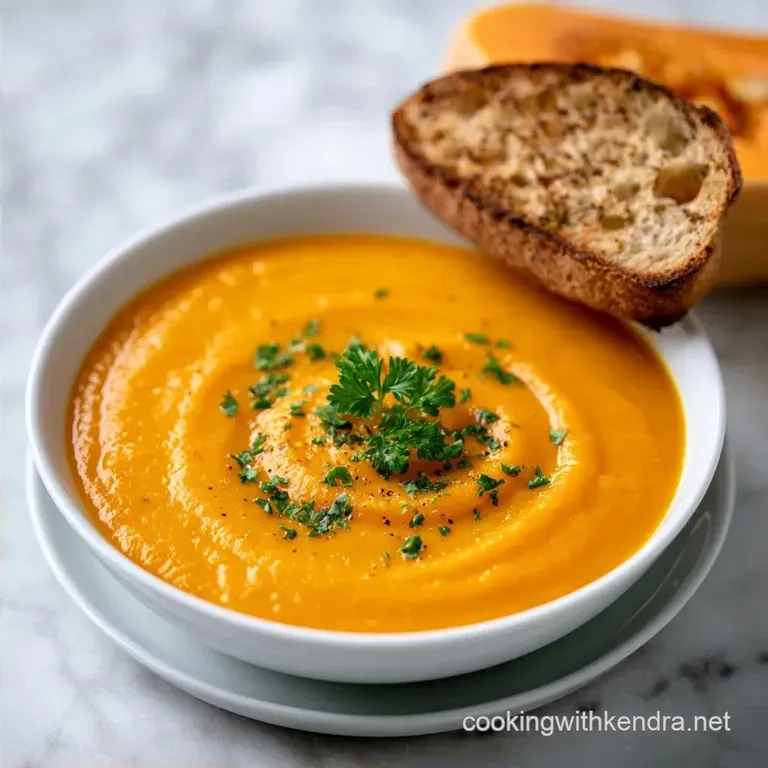
- Time: 15 min active + 45 min cook
- Flavor/Texture Hook: Rich, caramelized squash with a silky finish
- Perfect for: Busy weeknight dinners or autumn meal prep
Roasted Butternut Squash Soup
The smell of roasting squash and onions hitting a 400°F oven is the only way to start October. For years, I thought the standard way to make soup was to throw everything in a pot of water and boil it until soft. Honestly, it tasted like bland baby food.
There was no depth, just a pale orange liquid that felt empty.
The real shift happened when I started roasting my vegetables on a sheet pan. When the squash edges turn a deep mahogany, the flavor changes entirely. It goes from simple "vegetable" to something nutty and complex.
This Butternut Squash Soup doesn't need a dozen fancy spices to taste like a restaurant dish. It relies on the oven to do the heavy lifting. You'll get a thick, comforting bowl of autumn that actually satisfies your hunger without requiring you to spend four hours in the kitchen.
The Quick Summary
I've found that the flow of this recipe is what makes it work for families. You spend 15 minutes prepping, let the oven handle the squash for 30, and then a quick 10 minute simmer finishes the job. It's a low stress process that fits into a hectic evening.
Right then, let's look at how the prep compares. Using a fresh squash is great, but pre cut cubes can save you a lot of arm strength.
| Method | Prep Time | Flavor Depth | Best For |
|---|---|---|---|
| Fresh Squash | 20 mins | High | Weekend cooking |
| Pre cut Cubes | 5 mins | Medium High | Weeknight meals |
And if you're wondering about the goals for your bowl, here is a quick way to adjust the results.
| Goal | What to change |
|---|---|
| Thicker soup | Use 2 cups broth instead of 3 |
| More sweetness | Add 1 extra tsp maple syrup |
| More spice | Add 1/4 tsp cayenne pepper |
Why This Works
Roasted Sugars: High heat browns the squash and onions, creating savory notes through caramelization. Coconut Fat: The fats in coconut milk bind with the pureed vegetables to create a smooth, consistent texture.
What You'll Need
I suggest using full fat coconut milk for this dish. low-fat varieties often separate during blending, which can ruin the creamy mouthfeel. Heavy cream is a suitable alternative if needed, but the coconut milk adds a hint of sweetness that complements the maple syrup perfectly.
| Ingredient | What It Does | Best Swap |
|---|---|---|
| Butternut Squash | Offers body and natural sweetness | Pumpkin or Kabocha squash |
| Coconut Milk | Provides creamy richness | Heavy cream or cashew cream |
| Vegetable Broth | Acts as the liquid base | Chicken broth for a savory depth |
| Maple Syrup | Cuts through the earthy tones | Honey or brown sugar |
The Full List:
- 2.5 lb butternut squash, peeled and cubedWhy this? High starch content makes the soup naturally thick
- 6 oz yellow onion, quartered
- 4 garlic cloves, peeled
- 2 tbsp extra virgin olive oil
- 1 tsp kosher salt
- 1/2 tsp cracked black pepper
- 3 cups vegetable or chicken broth
- 1/2 cup full fat coconut milkWhy this? Stabilizes the texture and adds richness
- 1 tbsp maple syrup
- 1 tsp dried thyme
- 1/2 tsp ground nutmeg
When choosing substitutes, aim to keep the overall fat content consistent.
| Original Ingredient | Substitute | Why It Works |
|---|---|---|
| Coconut Milk (1/2 cup) | Heavy Cream (1/2 cup) | Similar fat levels. Note: Lacks the subtle coconut flavor |
| Vegetable Broth (3 cups) | Chicken Broth (3 cups) | Equivalent liquid amount. Note: Offers a saltier, meatier taste |
| Maple Syrup (1 tbsp) | Honey (1 tbsp) | Natural sweetener. Note: Honey has a more pronounced floral note |
Essential Kitchen Tools
No fancy equipment is required. Just a basic baking sheet and a large pot will do the trick.
I strongly suggest using an immersion blender. It allows you to blend the Butternut Squash Soup directly in the pot, which means fewer dishes to clean. If you're using a traditional blender, be cautious with the hot liquid.
Leave the lid slightly open to let steam escape, otherwise you risk a "soup explosion" in your kitchen.
Chef's Note: If peeling the squash is a struggle, poke a few holes in the skin and microwave it for 2 minutes first. The skin will loosen right up.
From Prep to Plate
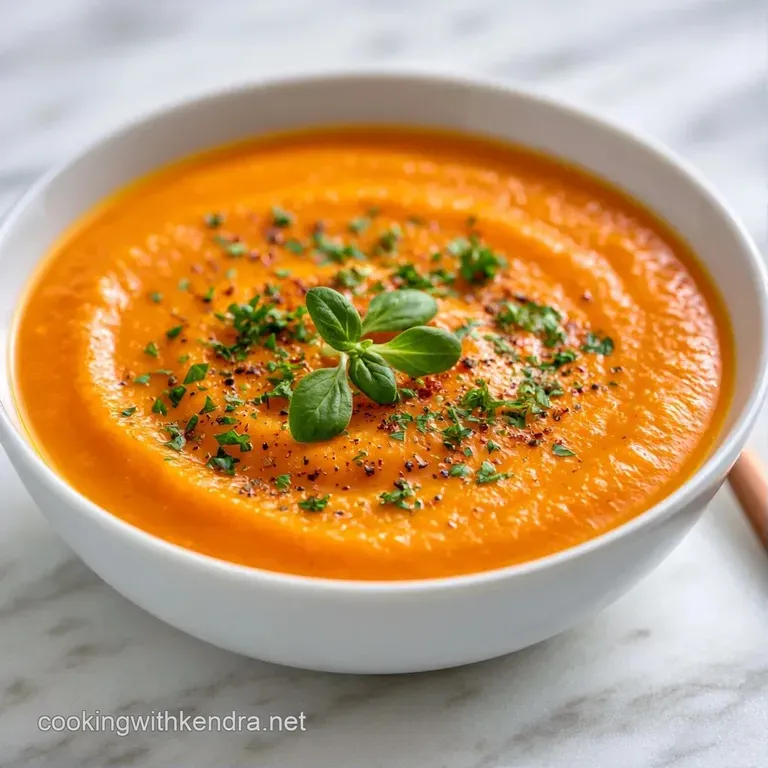
- Set the oven to 400°F (200°C). On a baking tray, combine the cubed squash, quartered onion, and garlic cloves with olive oil, salt, and pepper. Arrange them in a single layer to ensure they roast rather than steam.
- Roast for 25–30 minutes, stirring once halfway through, until the edges are mahogany colored and the squash is soft.
- Move the roasted vegetables directly into a pot. Pour in the broth and stir in the thyme and nutmeg.
- Let the mixture simmer gently over medium heat for approximately 10 minutes. Note: This allows the herbs to infuse into the liquid.
- Take the pot off the heat. Mix in the coconut milk and maple syrup.
- Process the soup with an immersion blender until it is completely smooth.
- Taste and add more salt if needed.
The High Heat Roast
The focus here is caramelization. If the pan is too crowded, the vegetables will steam instead of browning. I suggest using two trays when preparing a double batch. Look for those deep brown edges on the squash cubes.
The Simmer Phase
Avoid letting the soup reach a rolling boil once the broth is added. A low simmer prevents the flavors from becoming too aggressive and allows the nutmeg to truly stand out.
The Finish
Blending is the final touch. I blend for about 2 full minutes to eliminate any remaining onion chunks, which gives the Butternut Squash Soup its professional, silky consistency.
What Makes This So Good
The key is the contrast. You have the deep, roasted savoriness from the oven, the warmth of the nutmeg, and the sweetness of the maple syrup. It's a balance of flavors that hits different parts of your palate.
Serious Eats' testing shows that roasting vegetables instead of boiling them concentrates the sugars, which is why this method beats the traditional pot simmer. By removing some of the water through roasting, the flavor becomes more intense.
Fixing Common Issues
Sometimes things go sideways in the kitchen. Usually, it's an easy fix.
Fixing Thick Soup
If the soup looks more like a puree than a soup, it's probably because your squash was particularly starchy. Simply whisk in an additional 1/4 cup of broth at a time. Keep stirring until it pours easily from a spoon.
Fixing Bland Flavor
A lack of "pop" usually means it needs a hit of acidity. Add a teaspoon of lemon juice or a splash of apple cider vinegar. This cuts through the fat of the coconut milk and wakes up the roasted squash notes.
Fixing Grainy Texture
Graininess happens if the garlic or onions didn't soften enough during the roast. If you've already blended it and still feel grit, pass the soup through a fine mesh strainer. It's an extra step, but it makes the Butternut Squash Soup feel much more refined.
Storage and Reheating
Store this soup in a closed glass jar in the fridge for up to 4 days. It often tastes even better on the second day, as the nutmeg and thyme have more time to blend.
When freezing, leave an inch of headspace at the top. This prevents the lid from popping off, since liquids expand as they freeze. The soup will keep for about 3 months.
To reheat, use the stove on medium low heat. If the soup has become too thick while chilled, stir in a bit of broth or water. Try to avoid the microwave, which can cause the coconut milk to separate.
Eco-friendly Tip: Save your squash seeds. Give them a rinse, pat them dry, and roast them at 325°F with salt and paprika for a crunchy snack.
Dietary Adaptations
This recipe is already vegan friendly if you use vegetable broth. But you can tweak it further depending on what's in your pantry.
For a different vibe, you can try a Quick Squash Bisque if you want something even faster. , if you have extra squash on hand, check out how to make Roasted Spaghetti Squash for a different texture.
The Spicy Twist
Add 1/2 tsp of curry powder and a pinch of cayenne pepper during the simmer phase. This turns the Butternut Squash Soup into something reminiscent of an Indian style curry.
The Orchard Blend
Swap the maple syrup for 1/2 a diced apple that you roast along with the squash. This adds a bright, tart sweetness that cuts through the richness.
Low Carb Version
Skip the maple syrup and use a drop of liquid stevia or monk fruit sweetener. The coconut milk is already keto friendly, so the rest of the base works well for low carb diets.
Perfect Complements
To balance the richness of this dish, I suggest serving it alongside a toasted baguette or a piece of crusty sourdough. That crunch provides a wonderful contrast to the velvety soup.
If you're looking for a complete meal, a crisp side salad with a tangy vinaigrette is the perfect match. The acidity cuts through the Butternut Squash Soup, refreshing your palate with every bite.
For a final touch, add a swirl of pesto or some toasted pumpkin seeds. This adds a pop of color and a salty dimension that completes the bowl. In my opinion, the pumpkin seeds are essential for that true autumn experience.
Recipe FAQs
What makes the soup taste more complex?
Roast the vegetables at 400°F. This step creates mahogany colored edges on the squash and onions, adding a deep, caramelized sweetness.
How to make this soup vegan?
Select vegetable broth over chicken broth. The coconut milk already ensures the recipe is plant based and creamy.
Is it true that pumpkin spice is actually just squash spice?
That's a myth. Pumpkin spice is a specific blend of warm spices, while this soup uses nutmeg and thyme to emphasize the squash's natural flavor.
Can diabetics enjoy butternut squash?
Yes, in controlled portions. The vegetable is nutrient dense, though the maple syrup adds a small amount of sugar.
Which side dishes pair best with this?
Serve it with a savory protein. The sweetness of the squash balances perfectly with a rich dish like our tender lamb shanks.
Butternut Squash Soup in 55 Minutes