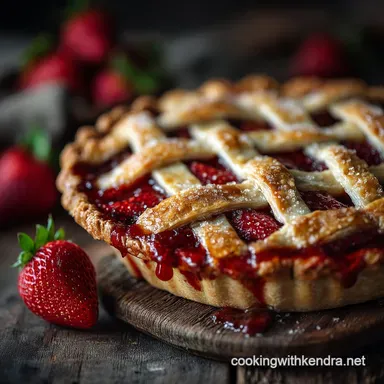
The Summer Cracker Rustic Farmhouse Strawberry Pie
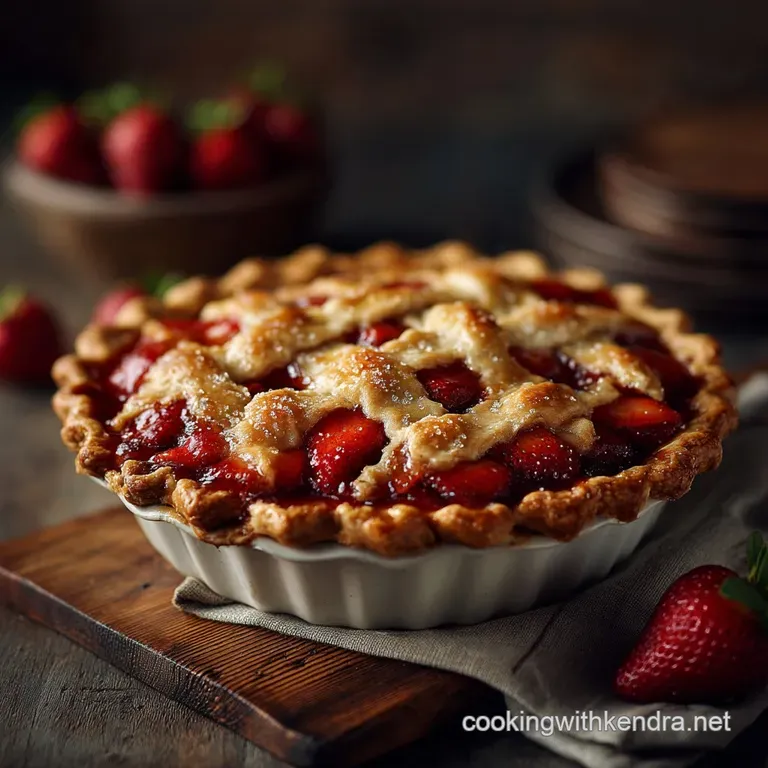
Capturing the Essential Flavor of High Summer
Nothing signals the true arrival of peak summer like the sight of ruby red strawberries piled high, fresh from the field. This classic Farmhouse Strawberry Pie is designed to bottle that exact moment a sweet, tangy, and profoundly satisfying summer strawberry dessert .
This recipe is less about elaborate decoration and more about maximizing the incredible, unadulterated flavour of the fruit, making it the perfect centerpiece for any gathering, whether you're hosting a picnic or just enjoying a quiet evening on the porch.
The medium difficulty level ensures that while the process requires attentiveness particularly when handling the dough and managing temperature the results are tremendously rewarding, yielding approximately eight generous slices of a truly authentic, homemade strawberry pie .
Embracing the Rustic Aesthetic: Why Perfect Edges Don't Matter
The joy of baking a pie that channels the spirit of a traditional British kitchen, much like the famous Farmhouse on boone strawberry pie aesthetic, is the freedom it grants the baker.
We are aiming for a Rustic Strawberry Pie Recipe , which means embracing the charming imperfections inherent in homemade pastry. Don't fret over exact measurements for your crimp or a flawless top lattice.
The slight bumps, the uneven dusting of turbinado sugar, and the golden brown peaks are what give this dessert its character. This relaxed approach allows the baker to focus their energy on the technical steps that truly matter: ensuring a flaky crust and a perfectly set filling.
The Essential Role of All-Butter Pastry
While vegetable shortening or lard can yield a tender crust, nothing compares to the rich flavour depth provided by a double crust made entirely with unsalted butter. For this pie, we utilize a full cup (225g) of very cold, cubed butter cut into the flour.
When handled correctly kept cold and minimally mixed these solid fat pieces melt during baking, creating layers of steam that result in the desired lightness and flakiness.
This tender, flavourful casing is the indispensable foundation, capable of standing up to the substantial volume of juicy berries without crumbling.
Selecting Peak Season Strawberries for Maximum Flavor
The quality of the fruit dictates the success of any Fresh Strawberry Pie . To achieve that bright, intense flavour, use strawberries that are ripe but still firm. Avoid overly soft or bruised fruit, as this will introduce too much excess liquid into the filling.
We require a generous six cups (900g to 1 kg) of hulled and thinly sliced berries. Slicing them uniformly, at approximately ¼ inch thickness, ensures the fruit cooks evenly and maximizes surface area for the thickening agent, leading to a much better set when compared to using whole or halved berries.
Gathering the Essential Components for Your Farmhouse Strawberry Pie
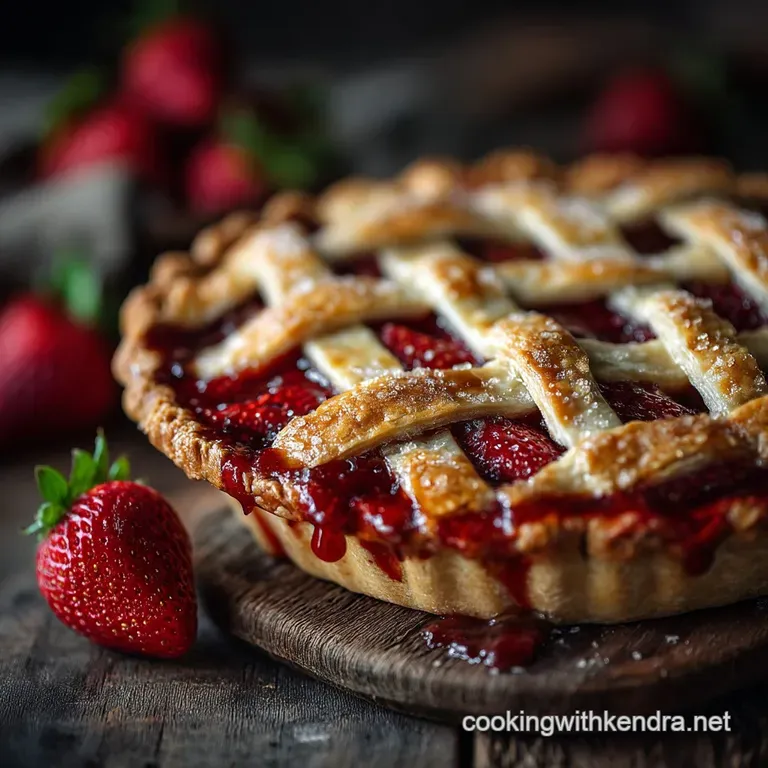
The transition from concept to creation starts with gathering and accurately measuring your components. Pie baking is fundamentally chemistry, meaning precise measurements are critical, especially for the crust.
Precise Measurements for the Perfect Pie Dough
For a successful, non-tough pastry, the ratio of fat to flour, and the control of hydration, must be perfect. The dry base requires 2 ½ cups (315g) of all-purpose flour, balanced with a tablespoon of granulated sugar (for tenderness) and a teaspoon of fine sea salt (for flavour enhancement).
The hydration relies on ice water crucially, start by adding only ½ cup (120 ml). You should only add more, up to a total of ¾ cup (180 ml), incrementally, only if the dough absolutely refuses to come together when pinched. This cautious approach prevents the dough from becoming sticky and tough.
Essential Baking Tools for a Successful Crust
While a food processor speeds up the process, traditional tools often lead to better temperature control. A pastry blender is ideal for cutting the cold butter into the flour without introducing too much warmth from your hands.
Crucially, invest in a 9 inch (23 cm) deep dish ceramic or glass pie plate, which encourages even baking. To ensure a flawless crust base a critical step in preventing the dreaded soggy bottom you will need pie weights or dried beans for the partial blind baking stage, and a parchment lined baking sheet to catch any filling drips during the long bake time.
Smart Ingredient Swaps (dairy-free or gluten-free)
This Strawberry Pie Recipe is highly adaptable for various dietary needs. For those avoiding dairy, substituting the butter in the crust with a combination of chilled vegetable shortening and a dairy-free oil can mimic the flake and richness, though the overall flavour profile will be slightly different.
For a gluten-free crust, use a high-quality GF flour blend (preferably one that already includes xanthan gum) and follow the method exactly, ensuring the dough remains ice cold. Within the filling, if tapioca starch is unavailable, cornstarch can be swapped in, but use slightly less (about 3 tablespoons), keeping in mind cornstarch results in a slightly cloudier filling texture.
Related Recipes Worth Trying
- The Ultimate Southern Pecan Pie Flaky Crust Fudgy Filling — Master this Traditional Southern Pecan Pie recipe and guarantee a flaky buttery crust every time Our Deep South version features a rich fudgy filling never...
- The Best Farmhouse Strawberry Pie Recipe Glossy Fresh Filling — Forget fussy tarts Master this truly authentic Farmhouse Strawberry Pie with a glossy perfectly set filling Your new favourite summer dessert recipe awaits
- The Best Apple Pie Pizza Recipe with Crispy Crumble — This Apple Pie Pizza delivers all the comfort of a classic pie without the fuss Featuring a creamy base and spiced apples its an easy apple dessert
Mastering the Method: Building the Rustic Summer Cracker
Achieving success with this Homemade strawberry pie involves patience and adherence to temperature guidelines, particularly during the dough phase.
Creating the Tender, Flaky Dough Base
After whisking the dry ingredients, the cubed, cold butter must be swiftly cut into the flour until the pieces range in size from tiny crumbs to small peas. This uneven texture is what promotes flakiness.
Once the ice water is added, stop mixing the second the dough begins to adhere overworking develops gluten, which leads to a tough crust. The dough must then be divided, shaped into flat disks, wrapped, and chilled for a mandatory minimum of 60 minutes.
However, chilling for 90 minutes or longer dramatically improves workability.
Preparing the Bright Strawberry Filling (No Soggy Bottoms!)
The secret to a beautifully set and bright strawberry pie filling from fresh strawberries is the combination of lemon and starch. Combine the sliced berries with ¾ cup of granulated sugar, ¼ cup (35g) of tapioca starch, lemon zest, lemon juice, salt, and optional vanilla extract.
The tapioca starch is superior here because it provides a clear, glossy finish and sets well during the cooling period. Gently fold the ingredients until fully coated, then allow the filling to sit while the crust is rolled out.
This crucial rest period allows the starch to begin absorbing the liquid the sugar is drawing out of the berries.
Blind Baking and Final Assembly Steps
To definitively banish the "soggy bottom," partial blind baking is recommended. Roll out the bottom crust, fit it into the pie dish, and dock the base with a fork. Bake at 375°F (190°C) for 15 minutes with pie weights, then remove the weights and bake for an additional 5 minutes until just set.
Once the crust has cooled, spoon the filling in. Roll the second disk of dough and finish with either a simple vented top crust or a rustic lattice. Before baking, brush the top crust with an egg wash (one beaten egg mixed with a teaspoon of milk) and sprinkle with turbinado sugar for a beautiful crunch.
A crucial technique to prevent crust shrinkage is to place the entire assembled pie in the freezer for 15 minutes before baking.
Achieving Golden Perfection: Baking Times and Temperatures
Learning how to make strawberry pie perfectly depends on managing the oven heat. Start by preheating your oven to a high 425°F (220°C). This initial blast is essential for setting the pastry structure quickly and creating layers.
Bake the pie at this high temperature for 15 to 20 minutes, until the crust edges are visibly set. Immediately reduce the heat to 375°F (190°C) and continue baking for another 45 to 50 minutes.
If the edges begin to brown too aggressively, loosely tent them with strips of foil. The pie is fully cooked when the internal filling is visibly bubbling slowly and thickly through the vents.
Serving, Storage, and Common Troubleshooting for Farmhouse Strawberry Pie
The final stage of this Farmhouse Strawberry Pie experience involves patience allowing the thickener to set and knowledge of post bake care.
How to Store Leftovers and Optimize Freshness
The most critical step immediately following baking is the cooling period. While tempting, slicing the pie before the filling is fully set will result in a messy, runny dessert. You must allow the pie to cool for a minimum of four hours at room temperature on a wire rack.
Once cooled, store leftovers loosely covered at room temperature for up to two days. For longer storage, cover and refrigerate for up to four days, though the crust texture may slightly soften.
Pairing Recommendations: What to Serve Alongside (Cream vs. Ice Cream)
The bright, acidic sweetness of the baked strawberries pairs wonderfully with creamy, contrasting textures. While classic vanilla bean ice cream is a perfect match the warmth of the pie meeting the cold richness for a truly sophisticated, farmhouse touch, consider serving it with a dollop of cold whipped crème fraîche.
The slight tanginess of the crème fraîche cuts through the sugary sweetness of the fruit, elevating the complexity of the flavour. An iced Earl Grey tea makes a refreshing non-alcoholic beverage pairing.
Seasonal Variations: Adding Rhubarb or Other Berries
One of the great pleasures of this Strawberry Pie Recipe is its flexibility. For a classic tangy twist, substitute two cups (300g) of the strawberries with finely chopped rhubarb. When using rhubarb, increase the sugar content by about two tablespoons to balance the tartness.
Alternatively, for a deeper complexity, add a sophisticated whisper of flavour by incorporating one teaspoon of balsamic vinegar and a light dusting of fresh ground black pepper into the filling before assembly.
Fixing Common Pie Mistakes (Cracked Crust or Runny Filling)
If your crust cracked during baking, it usually indicates the dough was slightly too dry or not chilled adequately before rolling. For a runaway runny filling, the primary cause is almost always slicing the pie too soon.
If the filling doesn't bubble thickly in the centre during the final bake, it hasn't reached the temperature required to activate the starch. If you fear the filling is undercooked, you can return the pie to a 350°F (175°C) oven for another 15 minutes, tenting the crust heavily with foil to prevent burning.
Finally, if you experience significant shrinkage, remember the rule: always chill the assembled pie for at least 15 minutes before the initial high heat bake to relax the gluten.
Recipe FAQs
I'm terrified of getting a soggy bottom! How do I ensure a flaky crust for this Farmhouse Strawberry Pie?
Ah, the dreaded soggy bottom the bane of every British baker's life! The best way to combat this is by blind baking the bottom crust slightly before adding the filling, as suggested in the instructions.
Furthermore, ensure all your pastry components (butter, water, and even flour) are absolutely ice-cold, which is key to achieving that right proper, flaky texture.
My pie filling was runny when I cut into it. Did I mess up the starch?
Patience, dear baker, patience is a virtue! The biggest culprit for a runny fruit pie is slicing it too soon. The tapioca starch (or cornstarch) needs a minimum of 4 hours or ideally, cooling overnight to fully gel and set up the gorgeous filling.
If you're still having issues, ensure you didn’t skip the crucial step of draining any excess liquid from the sliced strawberries after they’ve sat with the sugar and starch mixture.
Can I prep the pie dough or filling ahead of time for a quick bake?
Absolutely! The dough is brilliant for prep ahead; you can wrap those discs tightly and keep them chilled in the fridge for up to three days, or even freeze them for a later date. However, we strongly recommend preparing the strawberry filling right before assembly.
Strawberries release moisture as soon as they meet sugar, so preparing the filling too early will leave you with a watery mess that even extra starch might struggle to fix.
I couldn't find fresh berries. Can I use frozen strawberries for this Farmhouse Strawberry Pie recipe?
You can certainly substitute, but frozen berries will release substantially more liquid when thawed. You must completely thaw the strawberries first, then drain off the excess liquid through a sieve for at least 30 minutes, otherwise the filling will struggle to set.
As a safeguard, consider increasing your tapioca starch by one extra tablespoon to account for any residual moisture left behind.
How should I store leftover slices and is it best served warm or cold?
Once cooled, any leftover pie can be stored tightly covered at room temperature for up to two days, or refrigerated for up to four days. If refrigerating, let the pie come to room temperature or give it a quick five minute gentle reheat in a low oven (around 300°F/150°C).
This pie is utterly delightful served slightly warm with a generous dollop of clotted cream, but it’s just as satisfying cold alongside a proper cuppa.
Rustic Farmhouse Strawberry Pie