Salmon Seasoning: Smoky Sweet Crust
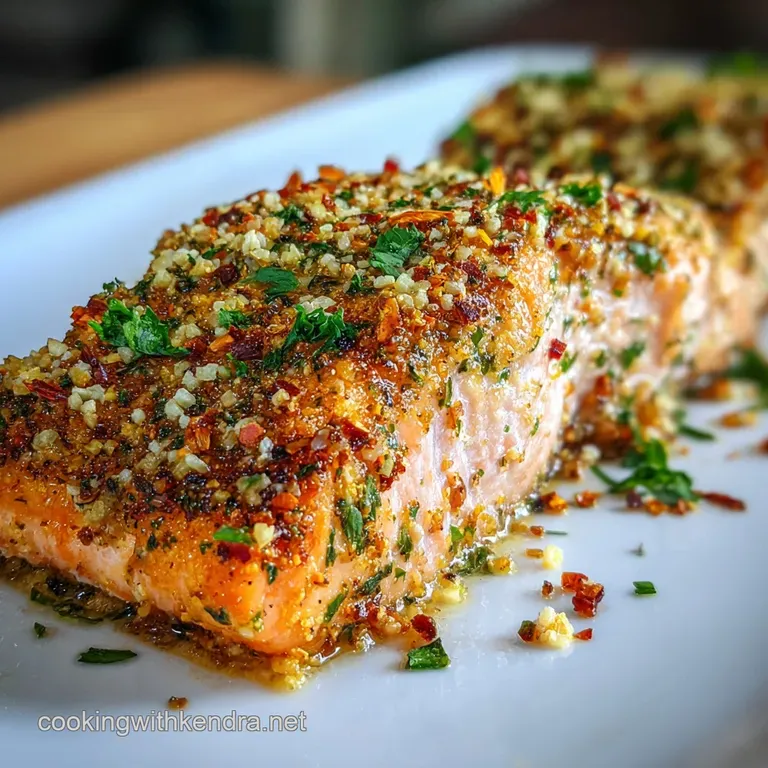
- Time: Active 5 minutes, Passive 12 minutes, Total 17 minutes
- Flavor/Texture Hook: Smoky sweet crust with a zingy citrus finish
- Perfect for: Stress free weeknight dinners or healthy meal prep batches
- The Busy Cook Guide to Perfect Salmon Seasoning
- Essential Recipe Details for Stress Free Meal Prep
- The Flavor Profile and Component Breakdown Analysis
- Minimal Kitchen Tools Required for Best Results
- Step by Step Methods for Seared or Baked Success
- How to Fix Problems and Common Cooking Mistakes
- Simple Flavor Adaptations for Your Weekly Meal Plan
- Storing Your Seasoning Blend and Reducing Food Waste
- Professional Plating Ideas for a Better Family Dinner
- Kitchen Myths Debunked
- High in Sodium
- Salmon Seasoning FAQs
- 📝 Recipe Card
The Busy Cook Guide to Perfect Salmon Seasoning
The moment that salmon hits the hot pan, you should hear a sharp, aggressive sizzle. If you’ve ever pulled a bland, grey piece of fish out of the oven, you know the disappointment of a wasted fillet.
I remember a Tuesday night three years ago when I was so rushed I just threw some table salt on a beautiful piece of Coho and called it a day. It was boring, dry, and my kids barely touched it.
That was the night I realized that a solid salmon seasoning isn't just about flavor it's about creating a protective, flavorful barrier.
Now, whenever I crack open my spice jar, the aroma of smoked paprika and dried lemon peel instantly makes the kitchen feel like a high end bistro. This blend is my "emergency" kit for busy nights.
It takes exactly 5 minutes to whisk together, and it transforms a basic protein into something that looks like it belongs on a magazine cover. We’re talking about a shatter-crisp exterior and a velvety, buttery center every single time.
Whether you're looking for the best salmon seasoning for a quick sear or a slow roast, this recipe is designed to be forgiving. It's not just a random mix; it's a calculated balance of salt to draw out moisture, sugar to encourage browning, and aromatics to cut through the fatty richness of the fish.
Trust me on this: once you try this homemade salmon seasoning, those pre packaged store bottles will stay on the shelf forever.
Essential Recipe Details for Stress Free Meal Prep
Before we get into the mixing, let's talk about why this specific ratio works. We aren't just tossing things in a bowl; we're building a structural "rub."
- Maillard Magic: The coconut sugar isn't just for sweetness. It reacts with the protein under heat to create those dark, flavorful brown bits we all crave.
- Aromatic Balance: Garlic and onion powder provide a savory base that lingers, while the celery salt adds an "under the-radar" umami kick.
- Citrus Stability: Using dried lemon peel instead of fresh juice in the rub prevents the fish from turning "mushy" during the cook time while still providing that bright, punchy acidity.
The Chemistry of the Crust
The coconut sugar lowers the caramelization temperature, allowing the fish to develop a dark, crispy exterior before the inside overcooks. Meanwhile, the kosher salt penetrates the fibers to season the meat deeply rather than just sitting on the surface.
| Method | Time | Texture | Best For |
|---|---|---|---|
| Stovetop Sear | 8-10 minutes | Maximum "shatter" crunch | Achieving restaurant style crispy skin |
| Oven Baked | 12-15 minutes | Uniformly tender and flaky | Large family portions or hands off cooking |
| Air Fryer | 8-12 minutes | Ultra fast and very crispy | Quick lunches or single servings |
Working with a reliable 25Minute Crispy PanSeared recipe can really show off how this seasoning reacts to direct heat. The sugars in this blend are much more likely to caramelize beautifully in a heavy skillet.
The Flavor Profile and Component Breakdown Analysis
Understanding your ingredients is the first step to becoming a more intuitive cook. When we look at this easy salmon seasoning, every element has a job to do, from texture to preservation.
| Ingredient | Science Role | Pro Secret |
|---|---|---|
| Smoked Paprika | Color and Depth | Provides a "grilled" flavor even when using an indoor oven. |
| Coconut Sugar | Caramelization | Has a higher burn point than brown sugar, preventing a bitter, charred taste. |
| Kosher Salt | Moisture Control | The large grains dissolve slowly, seasoning the meat without making it "hammy." |
| Dried Lemon Peel | Acid Balance | Concentrated citrus oil adds brightness without the moisture of fresh juice. |
You'll find that using this as a baked salmon seasoning provides a different experience than pan frying. In the oven, the spices have more time to hydrate and form a thick, concentrated paste on top of the fillet, which is exactly what we want for a juicy finish.
Minimal Kitchen Tools Required for Best Results
You don't need a high end laboratory to make a killer spice rub. Honestly, the simpler the better. I usually just use a small mason jar so I can shake everything together and store the leftovers immediately.
- Small Glass Jar: Essential for mixing and long term storage (plastic can absorb the strong scent of garlic).
- Whisk or Fork: You need to break up any clumps in the onion powder or sugar to ensure an even distribution.
- Measuring Spoons: Precision matters here so the salt doesn't overwhelm the delicate fish.
- Paper Towels: My #1 tool you must pat the fish bone dry before applying the rub, or it will steam instead of sear.
step-by-step Methods for Seared or Baked Success
Right then, let's get to the actual work. This process is fast, so have your salmon ready to go before you start mixing.
- Measure the bases. Combine 3 tbsp Smoked Paprika, 1 tbsp Garlic Powder, and 1 tbsp Onion Powder in your jar.
- Add the texture. Whisk in 1.5 tbsp Kosher Salt and 1 tbsp Coconut Sugar. Note: The salt is the most critical part for flavor extraction.
- Incorporate aromatics. Toss in 1 tsp Black Pepper, 1 tsp Dried Thyme, and 0.5 tsp Celery Salt.
- Brighten it up. Add 1 tbsp Dried Lemon Peel and stir until the color is a uniform deep rust red.
- Prep the fish. Pat your salmon fillets dry with paper towels on all sides.
- Apply the rub. Sprinkle the mix generously over the flesh side, pressing it down firmly with your fingers.
- Let it sit. Wait 5 minutes before cooking. Wait until the seasoning looks slightly damp, which means the salt is starting to work.
- Heat the pan. Add a high smoke point oil (like avocado oil) to a skillet over medium high heat.
- The Sear. Place salmon flesh side down and cook for 4-5 minutes until a dark, caramelized crust forms.
- The Flip. Turn the fish and finish on the skin side for 3-4 minutes until it flakes easily with a fork.
If you prefer a hands off approach, this works perfectly as a salmon seasoning for oven use. Simply follow my Baked Salmon recipe for specific temperature settings to ensure the fish stays succulent.
How to Fix Problems and Common Cooking Mistakes
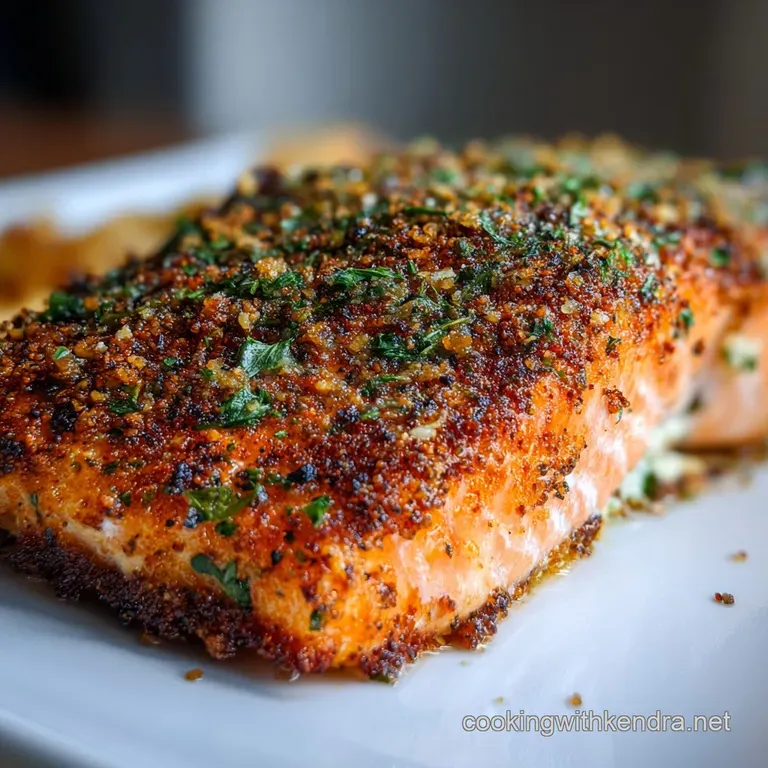
Even the best of us hit a snag sometimes. Maybe the heat was too high, or the fish was a bit too cold when it hit the pan. If things aren't looking quite right, don't panic.
Why Your Seasoning is Burning
If the crust looks black and tastes bitter before the fish is cooked, your heat is likely too high. The sugars in the rub will burn if they spend too much time over an aggressive flame. To fix this, lower the heat to medium and add a small knob of butter to the pan to help regulate the temperature.
Why the Crust is Soggy
This usually happens because the fish wasn't dried properly or the pan wasn't hot enough. If you see grey liquid bubbling around the fish, it's steaming. Next time, make sure the oil is shimmering before the fish goes in.
| Problem | Root Cause | Solution |
|---|---|---|
| Rub falls off | Fish was too wet or rub wasn't pressed in | Pat dry and press the seasoning firmly into the flesh. |
| Overly salty | Using table salt instead of kosher | Reduce salt by half if using fine grain table salt. |
| No crust formation | Cold pan or too much oil | Ensure pan is medium high and use just enough oil to coat the bottom. |
Common Mistakes Checklist
- ✓ Never skip the "dry pat" step; moisture is the enemy of a good crust.
- ✓ Don't use "low-fat" cooking sprays; you need a real oil with a high smoke point.
- ✓ Avoid moving the fish once it hits the pan; let it sit for at least 3 minutes to develop that sizzle-formed crust.
- ✓ Check the expiration date on your dried herbs; if the thyme doesn't smell like anything in the jar, it won't add flavor to your fish.
Simple Flavor Adaptations for Your Weekly Meal Plan
One of the reasons this is the best salmon seasoning is its versatility. You can tweak a couple of ingredients to change the entire vibe of the meal without starting from scratch.
| Original Ingredient | Substitute | Why It Works |
|---|---|---|
| Coconut Sugar (1 tbsp) | Brown Sugar (1 tbsp) | Similar moisture level and molasses depth. Note: Browns slightly faster than coconut sugar. |
| Smoked Paprika (3 tbsp) | Chili Powder (3 tbsp) | Changes the profile to a Tex Mex style. Note: Adds significantly more heat. |
| Dried Lemon Peel (1 tbsp) | Fresh Lemon Zest (1 tbsp) | Provides a more vibrant, floral aroma. Note: Apply immediately before cooking to avoid sogginess. |
If you are looking for a salmon seasoning air fryer version, I suggest adding a pinch of cayenne pepper to this mix. The circulating air in the fryer intensifies the heat of the spices, making for a really exciting "blackened" effect.
Storing Your Seasoning Blend and Reducing Food Waste
I always make a double or triple batch of this. There is nothing better than reaching into the pantry and having dinner half ready.
Storage: Keep the dry mix in an airtight glass jar in a cool, dark place. It will stay potent for up to 6 months. If the mixture clumps up (which can happen with coconut sugar), just give the jar a vigorous shake or break it up with a fork before using.
Zero Waste Tip: Don't throw away those salmon skins! If you prefer your salmon skinless, peel the skin off after cooking and fry it separately in a little oil until it's as crispy as a potato chip. Sprinkle a tiny bit of the seasoning on top for a "chef's snack" while you plate the rest of the meal.
Also, if you have leftover seasoning that touched the raw fish, toss it but if you kept it in a separate bowl, it’s amazing on roasted chickpeas or even popcorn!
Professional Plating Ideas for a Better Family Dinner
You've done the hard work of getting the flavors right, so don't let the presentation fall flat. Since this seasoning creates such a beautiful dark red/brown crust, it looks incredible against bright green vegetables.
For Restaurant Quality Plating
Place a bed of vibrant sautéed spinach or roasted asparagus on the plate first. Position the salmon fillet at a slight angle on top of the greens. This "stacking" method adds height to the dish, making it feel more expensive than it actually was to make.
The Final Acid Hit
While the rub has dried lemon peel, a final squeeze of fresh lemon juice right before serving "wakes up" all the dried spices. The liquid cuts through the crust and carries the flavors of the garlic and paprika straight to your taste buds.
The Herb Garnish
A sprinkle of fresh parsley or dill provides a color contrast that makes the deep red of the paprika pop. It’s a 5 second step that tells your family, "I really cared about this meal," even on a hectic Monday.
Kitchen Myths Debunked
Many people believe that you should season fish hours in advance, like a steak. In reality, salt starts to break down the delicate protein structures of fish almost immediately. If you leave this rub on for more than 15-20 minutes before cooking, the salmon can take on a firm, slightly "cured" texture that isn't as pleasant as a fresh flake.
Another common misconception is that "smoked" paprika is too spicy for kids. Actually, smoked paprika is usually quite mild; it’s the "Pimentón de la Vera" (sweet variety) that we use here.
It provides a deep, wood fired aroma without the tongue scorching heat of cayenne or red pepper flakes, making it a total winner for family dinners.
High in Sodium
1082 mg of sodium per serving (47% of daily value)
American Heart Association recommendation: Limit sodium intake to about 2,300mg per day for overall cardiovascular health.
Sodium Reduction Tips for Your Recipe
-
Reduce Kosher Salt-25%
Kosher salt is a major contributor to sodium. Reduce the amount of Kosher salt by half (to 0.75 tbsp), and taste as you go. You can always add more to taste, but you can't take it away!
-
Eliminate Celery Salt-15%
Celery salt adds a significant amount of sodium without contributing unique flavor. Eliminate it entirely from the recipe and rely on other herbs and spices for seasoning.
-
Fresh Lemon Zest-5%
Replace dried lemon peel with freshly grated lemon zest. This will enhance the lemon flavor without adding any sodium. Use the zest of one lemon for every tablespoon of dried peel.
-
Spice It Up!
Experiment with sodium free herbs and spices to enhance flavor. Consider adding a pinch of red pepper flakes for heat or a dash of smoked paprika to intensify the smoky taste. Herbs and spices contribute flavor, but not sodium.
Salmon Seasoning FAQs
What seasonings go well with salmon?
Herbs, spices, and citrus are excellent. Classic pairings include dill, parsley, lemon, garlic powder, onion powder, smoked paprika, and black pepper. These complement salmon's rich flavor without overpowering it.
What does Gordon Ramsay season salmon with?
Often simple, high-quality ingredients. Gordon Ramsay frequently seasons salmon with salt, pepper, and fresh herbs like dill or thyme, often finished with a squeeze of lemon or a simple butter sauce.
What is the most flavorful way to cook salmon?
Pan-searing for a crispy crust and flaky interior. This method creates maximum flavor through browning and caramelization. You can achieve this with a simple seasoning blend, much like the one described in our guide to mastering a crispy crust. For a similar technique, see how we control texture in the Best Lemon Garlic Butter Salmon Recipe Ready Under 30 Mins.
What is the best seasoning for salmon steaks?
A balanced blend of salt, fat, and aromatics. For salmon steaks, a good choice is a mix including kosher salt, black pepper, garlic powder, and a touch of smoked paprika for depth. This combination creates a flavorful crust. Consider using the principles of flavor balancing, as seen in the Salmon Bites Easy Speedy Bites with LemonDill Aioli, for a vibrant taste.
Can I season salmon with just salt and pepper?
Yes, it's a perfectly acceptable base. high-quality salt and freshly ground black pepper are fundamental for enhancing salmon's natural flavor. However, adding other spices or herbs can introduce more complex notes and aromas.
What are common spice blends for salmon?
Dill and lemon are very popular. Many recipes utilize a combination of dried dill, lemon zest or juice, garlic powder, and black pepper. For a more robust flavor, a blend like smoked paprika, onion powder, and a hint of brown sugar can create a delicious caramelized crust, as detailed in our guide to achieving perfect results.
Should I season salmon before or after cooking?
Seasoning before cooking is generally preferred for most methods. Applying salt and spices to the salmon before it hits the heat allows them to adhere better and begin to penetrate the flesh, creating a more flavorful and textured result. This approach is key for achieving the crust in recipes like the The Ultimate Bang Bang Salmon Bowl Effortless Entertaining Made Simple.
Salmon Seasoning Rub
Ingredients:
Instructions:
Nutrition Facts:
| Calories | 20 kcal |
|---|---|
| Protein | 0.5 g |
| Fat | 0.3 g |
| Carbs | 4.2 g |
| Fiber | 0.9 g |
| Sugar | 1.4 g |
| Sodium | 1082 mg |
