Slow Cooker Chicken Parmesan Casserole: Crispy Baked
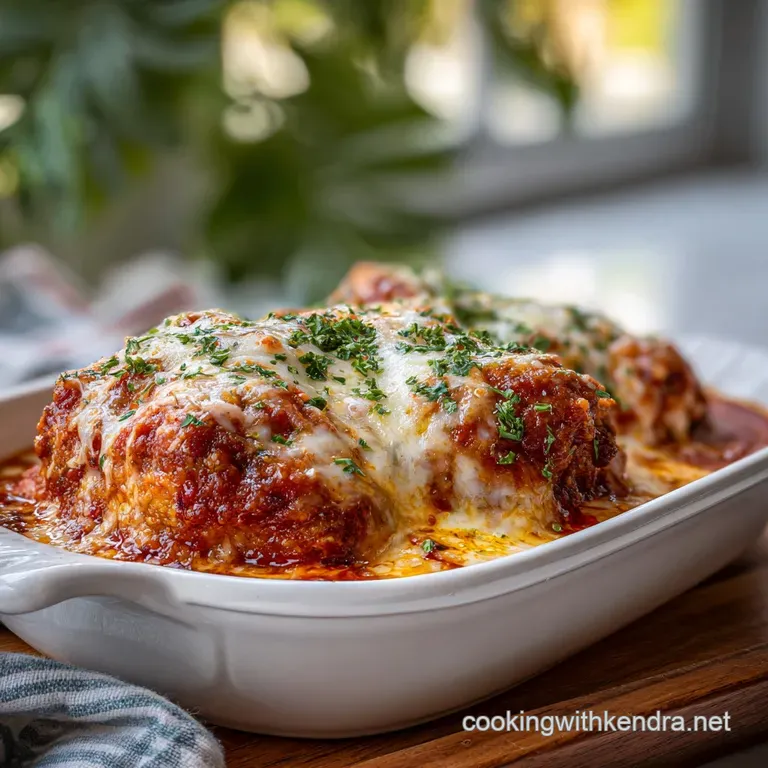
- Time: Active 15 minutes, Passive 4 hours, Total 4 hours 15 minutes
- Flavor/Texture Hook: Velvety mozzarella pull with a shattering Panko crust
- Perfect for: Busy weeknight sanity or a crowd-pleasing Sunday meal prep
- Crafting a Slow Cooker Chicken Parmesan Casserole
- The Logic Behind Slow Cooker Success
- Essential Components for a Balanced Casserole
- Tools Needed for a Seamless Preparation
- Walking Through the Cooking Sequence
- Solving Common Texture and Sauce Issues
- Creative Ways to Customize the Flavor
- How to Adjust for Different Group Sizes
- Essential Realities of Chicken Prep
- How to Store and Reuse Leftovers
- Adding Visual Appeal to the Plate
- Critical in Sodium
- Recipe FAQs
- 📝 Recipe Card
Crafting a Slow Cooker Chicken Parmesan Casserole
Imagine walking through your front door after a long day and being hit with the aroma of simmering garlic, sweet basil, and bubbling marinara. We've all been there, staring at a pack of chicken at 5:00 PM, wishing dinner would just make itself.
This casserole is my answer to those chaotic nights when you want a "real" meal without standing over a splattering frying pan for an hour.
The beauty of this method is how it solves the biggest heartbreak of traditional chicken parm: the soggy breading. In a classic preparation, that crispy crust often turns into a wet blanket once the sauce hits it.
Here, we lean into the casserole style, letting the chicken braise to tenderness in the sauce while saving the crunch for a buttery, toasted topping that stays perfectly flaky.
I'll be honest, the first time I tried a crockpot version of this, I ended up with a soup. I made the mistake of adding too much water and using thin, watery sauce. After several rounds of testing in my own kitchen, I've figured out the exact ratio of pasta to liquid so the noodles come out tender but still have a bit of a bite.
You won't need to boil the pasta separately, which is a massive win for the person doing the dishes.
The Logic Behind Slow Cooker Success
Protein Denaturation: Using chicken thighs instead of breasts allows the connective tissue to break down slowly without drying out, resulting in a tender, succulent texture.
Starch Gelatinization: The dry pasta absorbs the moisture from the marinara and the chicken juices, releasing starch that naturally thickens the sauce into a velvety coating.
Maillard Reaction: While the slow cooker doesn't brown the meat, the pre toasted Panko topping provides the complex, nutty flavors typically associated with traditional frying.
| Method | Total Time | Texture | Effort Level |
|---|---|---|---|
| Traditional Fried | 1 hour | Crispy but heavy | High (Dredging/Frying) |
| Slow Cooker Casserole | 4 hours 15 mins | Silky and tender | Low (Dump and go) |
| Oven Bake | 45 minutes | Crunchy edges | Medium (Boiling pasta first) |
This comparison highlights why the slow cooker is the unsung hero of family dinners. While the traditional method gives you that immediate fried crunch, it lacks the deep flavor infusion that happens when chicken simmers in marinara for hours. If you are looking for more effortless ways to feed the family, my Proper Homemade Chicken recipe is another delivery standard favorite that beats the clock.
Essential Components for a Balanced Casserole
To get the most out of your slow cooker chicken parmesan casserole, the quality of your sauce is everything. Since the chicken and pasta will be soaking in it for hours, avoid the bargain bin watery versions. Look for a brand that lists olive oil and whole tomatoes high on the list.
| Ingredient | Science Role | Pro Secret |
|---|---|---|
| Chicken Thighs | Fat content prevents overcooking | Cut into uniform 1 inch cubes for even cooking |
| Uncooked Pasta | Absorbs excess sauce moisture | Add in the last 30-45 mins to prevent mushiness |
| Low Moisture Mozzarella | Provides the iconic "cheese pull" | Grate it yourself for a smoother melt than pre shredded |
For the Casserole Base
- 2 lbs boneless, skinless chicken thighs: These stay juicy during the long cook. Why this? Thighs have more fat and won't turn stringy or dry like breasts.
- 28 oz high-quality marinara sauce: This is your primary liquid. Substitute with crushed tomatoes and extra seasoning if needed.
- 1 tbsp extra virgin olive oil: Adds richness to the sauce. Substitute with avocado oil.
- 3 cloves garlic, minced: Essential for that classic aroma. Substitute with 1 tsp garlic powder in a pinch.
- 1 tsp dried oregano: Provides the earthy herb base. Substitute with Italian seasoning.
- 0.5 tsp red pepper flakes: Just enough for a tiny kick. Substitute with a pinch of black pepper if sensitive to heat.
- 8 oz penne or rotini pasta, uncooked: These shapes hold onto the sauce well. Why this? Ridged pasta captures the cheese and sauce in every bite.
For the Cheese & Finishing
- 1.5 cups low moisture shredded mozzarella cheese: For the gooey layer. Substitute with provolone for a sharper bite.
- 0.5 cup freshly grated Parmesan cheese: Adds salty, umami depth. Substitute with Pecorino Romano.
- 0.5 cup Panko breadcrumbs: For the essential crunch. Substitute with crushed crackers or gluten-free breadcrumbs.
- 2 tbsp salted butter, melted: Binds the crumbs and helps them brown. Substitute with olive oil.
- 0.25 cup fresh basil, chiffonade: For a burst of freshness at the end. Substitute with fresh parsley.
Tools Needed for a Seamless Preparation
You won't need a kitchen full of gadgets for this one. A 6 quart slow cooker is the sweet spot for this volume of ingredients. If your slow cooker is larger, the sauce might spread too thin and burn around the edges, so keep an eye on it.
If it's smaller, you might find the pasta doesn't cook evenly because it's too cramped.
A sturdy cutting board and a sharp chef's knife are vital for cubing the chicken. I also recommend a small microwave safe bowl for melting the butter and a separate bowl for mixing the Panko topping.
This keeps the topping prep away from the moisture of the slow cooker until the very last second, which is the secret to maintaining that "shatter" texture we want in the crust.
| Original Ingredient | Substitute | Why It Works |
|---|---|---|
| Panko Breadcrumbs (0.5 cup) | Crushed Pork Rinds (0.5 cup) | Maintains crunch while making the topping keto friendly. |
| Penne Pasta (8 oz) | Chickpea Pasta (8 oz) | Adds protein. Note: Reduce cook time by 10 mins as it softens faster. |
| Marinara Sauce (28 oz) | Spicy Arrabbiata (28 oz) | Increases the heat profile without changing the liquid ratio. |
The transition from prep to cooking is where most people get nervous, especially with raw pasta. But trust the process. As the chicken releases its juices, it combines with the marinara to create the perfect hydration level for the noodles.
Walking Through the Cooking Sequence
- Prep the chicken. Cut the 2 lbs chicken thighs into 1 inch pieces. Note: Uniform size ensures every piece is done at the same time.
- Season the base. Place the chicken in the slow cooker and toss with 1 tbsp olive oil, minced garlic, oregano, and red pepper flakes.
- Add the sauce. Pour the 28 oz marinara over the chicken. Stir until the chicken is fully submerged.
- Slow cook. Cover and cook on LOW for 3 hours 30 minutes. Note: This allows the flavors to meld without boiling the chicken.
- Incorporate the pasta. Stir in the 8 oz uncooked pasta. Ensure the noodles are pushed down into the liquid.
- Final simmer. Cover and cook for another 30-45 minutes until the pasta is tender.
- Toast the topping. While the pasta finishes, mix 0.5 cup Panko, 0.5 cup Parmesan, and 2 tbsp melted butter in a small bowl.
- Add the cheese. Sprinkle 1.5 cups mozzarella over the casserole. Wait until the cheese is melted and bubbly.
- Finish with crunch. Top with the Panko mixture. If your slow cooker insert is oven safe, you can pop it under the broiler for 2 minutes for extra color.
- Garnish and serve. Sprinkle with 0.25 cup fresh basil. Let it stand for 5 minutes before scooping.
This workflow ensures that the pasta doesn't spend 4 hours turning into mush. It’s a trick I learned the hard way after a few "porridge" incidents. This technique is quite similar to how I balance textures in The Chicken Marsala recipe, where the sauce needs to be thick enough to coat but not so thick it burns.
Solving Common Texture and Sauce Issues
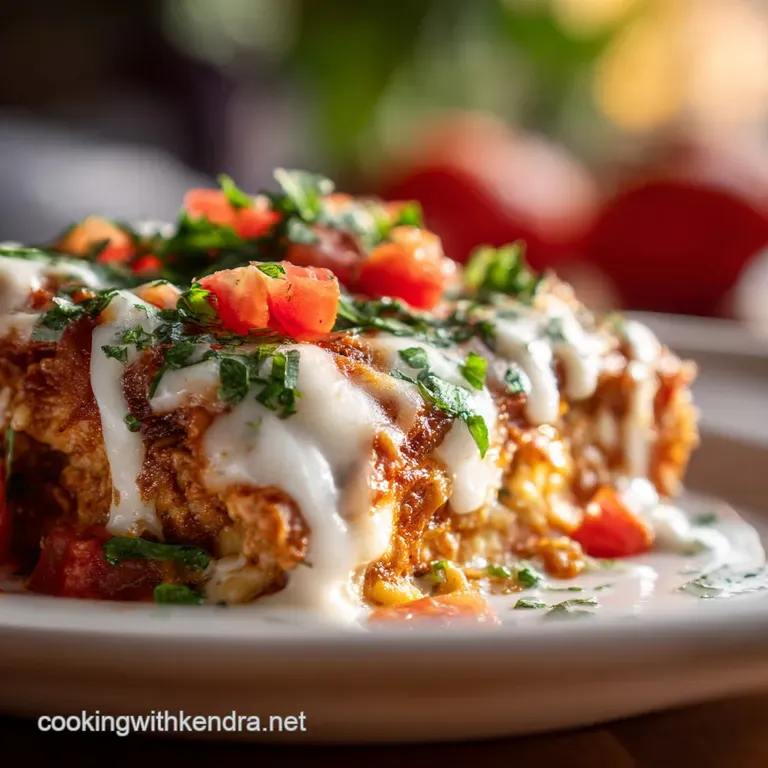
One of the most frequent hurdles with any slow cooker pasta dish is the starch balance. If the sauce is too thick before you add the pasta, the noodles won't have enough liquid to hydrate. Conversely, if it's too thin, the whole thing feels like a soup rather than a casserole.
Why Your Pasta Is Crunchy
If you find the pasta is still hard after 45 minutes, it usually means there wasn't enough liquid contact. Next time, ensure the pasta is fully submerged. To fix it now, add 0.5 cup of hot chicken broth and cook for an extra 15 minutes.
Why Your Sauce Is Watery
Chicken thighs release a significant amount of juice. If the sauce looks thin, leave the lid off for the final 20 minutes of cooking. The evaporation will concentrate the flavors and thicken the consistency naturally.
| Problem | Root Cause | Solution |
|---|---|---|
| Dry Chicken | Cooked on HIGH for too long | Always use LOW setting for thighs to maintain moisture. |
| Bland Flavor | Low quality sauce or lack of salt | Add a splash of balsamic vinegar or extra salt at the end. |
| Soggy Topping | Added Panko too early | Only add the breadcrumb mixture in the final 5 minutes. |
Common Mistakes Checklist
- ✓ Never use "Quick Cook" pasta, as it will disintegrate in the slow cooker environment.
- ✓ Don't skip the butter in the Panko; it’s the only way to get a golden color without a deep fryer.
- ✓ Avoid opening the lid during the first 3 hours; every "peek" adds 15 minutes to the cook time.
- ✓ Pat the chicken dry with paper towels before cubing to ensure the oil and spices stick.
- ✓ Use low moisture mozzarella rather than fresh (the balls in water), or the casserole will become soggy.
Creative Ways to Customize the Flavor
If you want to shake things up, the base of this slow cooker chicken parmesan casserole is incredibly forgiving. For those who love heat, I often swap the standard marinara for a spicy Arrabbiata and double the red pepper flakes.
It gives it that restaurant style "angry" kick that pairs beautifully with the cooling mozzarella.
For a veggie packed version, you can stir in two cups of fresh spinach during the last 10 minutes of cooking. It wilts instantly and adds a lovely pop of color and iron.
You could also toss in some sliced mushrooms with the chicken at the very beginning; they release a deep umami flavor that makes the sauce taste like it's been simmering for days.
- If you want it Low Carb
- Replace the pasta with cauliflower florets (add them at the start) and use crushed pork rinds for the topping.
- If you want it Extra Creamy
- Stir in 0.5 cup of heavy cream or ricotta cheese just before adding the mozzarella.
- If you want it Budget Friendly
- Use 1 lb chicken and 1 lb of sliced zucchini to bulk up the volume without the cost of extra meat.
How to Adjust for Different Group Sizes
Scaling this recipe is straightforward, but you need to be mindful of the surface area of your cooker. If you're cutting the recipe in half for two people, use a 3 quart slow cooker. If you use a large one for a half batch, the sauce will evaporate too quickly and your chicken will scorch.
When doubling the recipe for a big family gathering (up to 12 servings), use a 7 or 8 quart cooker. You don't need to double the spices exactly; I usually go with 1.5x the oregano and red pepper flakes to keep the flavors balanced. For the liquids, stick to the 1:1 ratio to ensure the pasta still cooks correctly.
Chef's Note: If you are doubling the recipe, the pasta might take an extra 15-20 minutes to reach al dente because the sheer mass of the food takes longer to heat back up after you open the lid.
Essential Realities of Chicken Prep
One major misconception is that you must brown the chicken before it goes into the slow cooker to "lock in the juices." In reality, searing doesn't seal anything; it just adds a crust through the Maillard reaction.
Since this chicken is submerged in sauce, that crust would soften anyway, so skipping the sear saves you a pan and 10 minutes of work with no loss in juiciness.
Another myth is that you can't cook pasta in a slow cooker. You absolutely can, as long as you treat the sauce as the cooking liquid. The key is timing. If you put the pasta in at the beginning, you'll end up with a starch paste.
Adding it at the end allows it to absorb the seasoned liquid while retaining its structural integrity.
How to Store and Reuse Leftovers
This casserole actually tastes better the next day. As it sits in the fridge, the pasta continues to absorb the nuances of the garlic and herbs. It will stay fresh in an airtight container for up to 4 days.
When reheating, I recommend adding a tiny splash of water or extra marinara before microwaving to loosen the sauce back up.
For freezing, this dish is a superstar. You can freeze the cooked casserole for up to 3 months. I suggest freezing it in individual portions. To reheat, let it thaw in the fridge overnight, then bake it at 350°F (175°C) for 20 minutes to crisp up that Panko topping again.
Zero Waste Tip: Don't toss the parmesan rind! If you have the hard end of a parmesan wedge, drop it into the slow cooker at the beginning. It will melt slightly and infuse the entire sauce with an incredible salty depth. Just fish out whatever is left of the rind before serving.
Adding Visual Appeal to the Plate
We eat with our eyes first, and let's be honest, slow cooker meals can sometimes look a bit "brown." To make this look as good as it tastes, the fresh basil is non negotiable. The bright green against the deep red sauce and white cheese makes the dish pop.
When serving, try to get a good mix of the crispy topping and the gooey cheese in every scoop. Use a wide, shallow bowl rather than a flat plate to keep the sauce contained. A final dusting of extra Parmesan cheese and a crack of fresh black pepper right at the table adds that "finished" look that makes a simple weeknight meal feel like a special occasion.
If you have a few extra minutes, serve this with a side of charred broccolini or a simple arugula salad with a lemon vinaigrette. The acidity of the salad cuts through the richness of the cheese and pasta perfectly, creating a balanced meal that your family will ask for week after week.
It’s all about those little touches that turn a "dump meal" into a family tradition.
Critical in Sodium
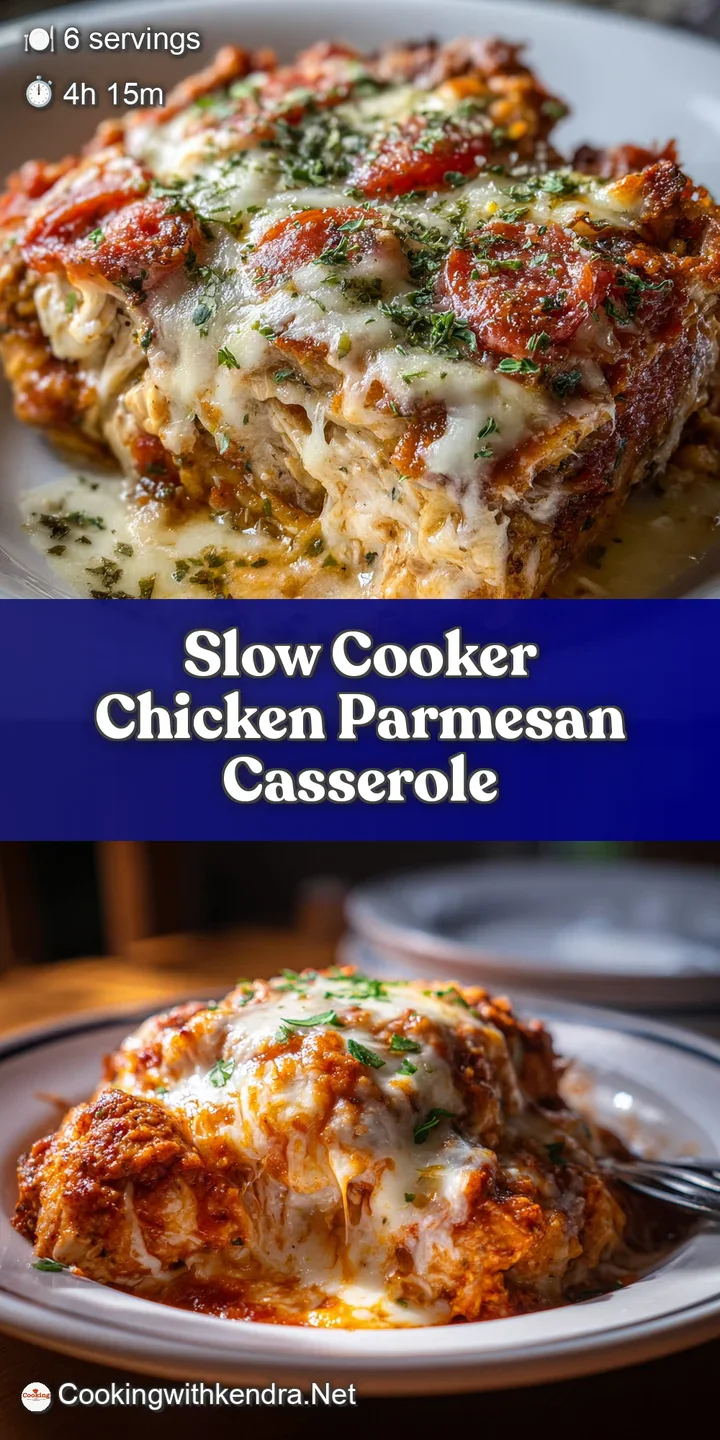
1180 mg mg of sodium per serving (51% % of daily value)
The American Heart Association recommends limiting sodium intake to no more than 2,300mg per day for most adults. Aim for even less no more than 1,500mg per day for added heart health benefits.
Sodium Reduction Tips for Chicken Parmesan Bake
-
Low-Sodium Marinara-20%
Opt for a low-sodium or no-salt added marinara sauce. Many brands offer these alternatives, significantly reducing the overall sodium content. Alternatively, make your own marinara to have ultimate control over the ingredients.
-
Reduce & Substitute Cheese-15%
Use less mozzarella and Parmesan cheese. Consider using part skim mozzarella for slightly less sodium. Substituting some of the Parmesan with a lower sodium cheese like ricotta salata can also help.
-
Unsalted Butter Swap-10%
Replace the salted butter with unsalted butter in the breadcrumb topping. This eliminates a significant source of added sodium without compromising flavor or texture.
-
DIY Breadcrumbs-10%
Make your own breadcrumbs from stale bread instead of using store-bought Panko, which can contain added salt. Season them yourself with herbs and spices.
-
Fresh Herb Power
Enhance the flavor with a generous amount of fresh herbs like basil, parsley, and oregano. Fresh herbs add depth of flavor without any sodium.
Recipe FAQs
Can I use chicken breasts instead of thighs?
No, stick with thighs. Chicken thighs have more fat and connective tissue, which makes them more forgiving in the slow cooker and prevents them from drying out or becoming stringy over the long cooking time.
Why is my pasta crunchy after cooking?
The pasta likely didn't have enough liquid contact. Ensure all the uncooked pasta is submerged in the marinara sauce and chicken juices before you cover and cook. If it's still crunchy, add about half a cup of hot broth and cook for an additional 15 minutes.
How do I prevent the sauce from being too watery?
Allow excess liquid to evaporate. If the sauce seems thin towards the end of cooking, remove the lid for the last 20 minutes. This helps to concentrate the flavors and thicken the sauce naturally.
Do I need to pre-cook the pasta?
No, add it uncooked at the end. Adding dry pasta directly to the slow cooker during the last 30-45 minutes allows it to absorb the seasoned liquid and cook perfectly without becoming mushy.
Can I make this ahead of time?
Yes, it's great for meal prep. You can chop the chicken and mince the garlic up to 24 hours in advance. The finished casserole also stores well in the refrigerator for up to 4 days and tastes even better the next day.
What's the secret to the crispy topping?
Keep the topping separate until the very end. Mix the Panko breadcrumbs and Parmesan cheese with melted butter just before adding it to the casserole. If your slow cooker insert is oven safe, a quick broil can add extra golden color and crispness.
Is it true that searing the chicken is essential?
No, this is a common misconception. Searing chicken before slow cooking doesn't "lock in juices"; it primarily adds color. Since this chicken simmers in sauce, skipping the sear saves time without sacrificing tenderness, similar to how we achieve deep flavor without pan-frying in our Dump And Go Crockpot Spaghetti Sauce Slow Cooker S: 10-Min Prep Flavor Bomb.
Slow Cooker Chicken Parmesan Casserole
Ingredients:
Instructions:
Nutrition Facts:
| Calories | 713 kcal |
|---|---|
| Protein | 46 g |
| Fat | 38 g |
| Carbs | 45 g |
| Fiber | 4 g |
| Sugar | 9 g |
| Sodium | 1180 mg |
