Italian Pasta Sauce: Chefs Signature Slow-Simmered Tomato Sugo
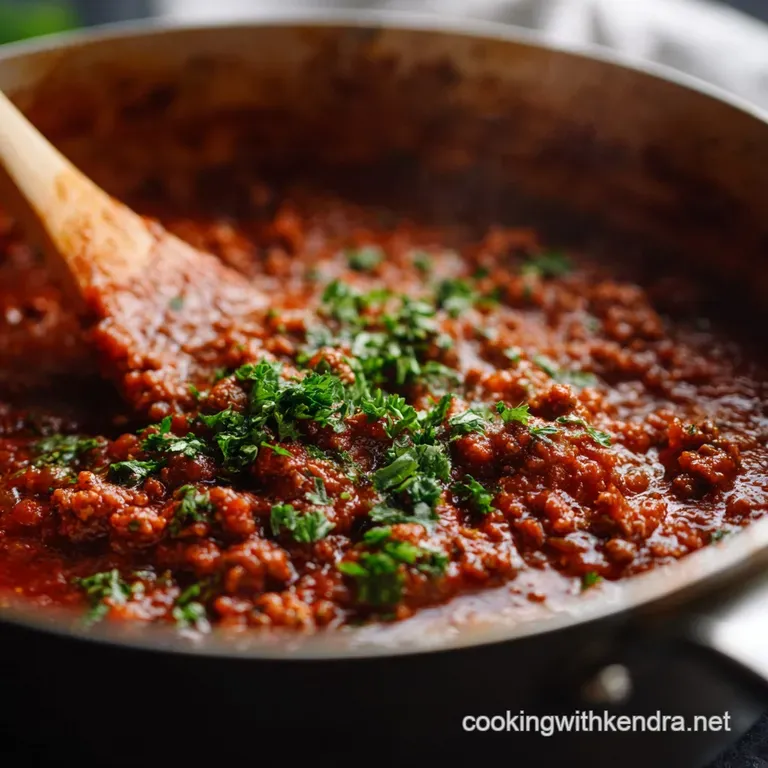
- The Soul of Italian Cooking: Authentic Sugo di Pomodoro
- Essential Components for the Perfect Sugo (Ingredients & Tools)
- Unlocking Depth: Why Slow Simmering Elevates This Italian Pasta Sauce
- Crafting the Sugo: Step-by-Step Method for the Richest Italian Pasta Sauce
- Mastering the Sugo: Chef's Secrets and Troubleshooting Guide
- Practical Kitchen Guide: Storing and Freezing Your Tomato Sugo
- Beyond Spaghetti: Creative Uses and Serving Suggestions
- Recipe FAQs
- 📝 Recipe Card
The Soul of Italian Cooking: Authentic Sugo di Pomodoro
You know that scent, right? That deep, comforting aroma that wraps around your kitchen and shouts, "Dinner is ready, and it's going to be glorious." That’s the smell of this slow simmered, fundamental Italian Pasta Sauce the one they call Sugo di Pomodoro .
It’s rich, velvety, and tastes like sunshine mixed with a deep, earthy savouriness.
This recipe is my pantry MVP, a true lifesaver for busy weeks. It uses humble ingredients you probably already have, proving that the most magnificent food doesn't have to be complicated or expensive.
Seriously, ditch the jarred stuff; this homemade meat sauce recipe (minus the actual meat, today!) is the only way to get that deep flavour that feels like a hug.
If you’ve ever wondered how Nonna gets her sauce so perfectly smooth, sweet, and robust, it all comes down to patience and technique. We aren't making a quick splashy Marinara today; we're crafting a foundational Sugo that will be the heart of countless dishes, earning the title of the best ever spaghetti sauce you’ve ever made from scratch.
Let’s crack on.
Defining the Difference: Sugo vs. Quick Marinara
Everyone throws around the term "Marinara," which simply means "mariner’s style," implying a quick sauce suitable for a short fishing trip meal. A Marinara is fast, zesty, and often contains fewer ingredients, cooked in about 30 minutes flat.
A proper Sugo, however, is a different beast entirely. It translates roughly to "juice" or "gravy." This sauce relies on an extended simmer to naturally sweeten the tomatoes, deepen the colour, and fully meld the aromatics.
This lengthy process is why you can call it an all day spaghetti sauce (even though ours only takes about 90 minutes).
The Philosophy of Low and Slow Cooking
The secret to why this recipe produces such a magnificent Italian Pasta Sauce from scratch is time. You cannot rush the soffritto , which is the Italian equivalent of a flavour base, made from onion, carrot, and celery gently cooked in olive oil.
Rushing these aromatics guarantees a harsh, oniony sauce. By contrast, cooking them low and slow (until they are almost dissolving) transforms the harsh flavours into natural sugars and depth. This patience pays off handsomely.
Kitchen Equipment: What You Need for the Perfect Simmer
You don't need fancy tools, but a great pot makes all the difference. A heavy bottomed Dutch oven or stock pot is essential because it holds heat evenly and prevents scorching, which is crucial during the extended simmer phase.
Trust me, scraping burnt tomato from the bottom is a terrible way to spend an afternoon.
Essential Components for the Perfect Sugo (Ingredients & Tools)
| Ingredient | Why It Matters | Substitute Option |
|---|---|---|
| San Marzano Tomatoes | They have fewer seeds and lower acidity, making the finished sauce naturally sweeter. | Mutti or Cento brand whole peeled tomatoes (the next best quality). |
| Good Olive Oil | Forms the base of the soffritto . Use extra virgin, but not your most expensive finishing oil. | Standard high-quality light olive oil. |
| Carrot/Celery | Adds sweetness and complexity to the foundational flavour without relying on added sugar. | Omit if you want a classic Marinara flavor, but your sauce will be slightly less round. |
| Fresh Basil | It provides that classic, bright, anise like finish. | Use 1 tbsp dried basil added with the oregano, but it won’t have the same vibrancy. |
Unlocking Depth: Why Slow Simmering Elevates This Italian Pasta Sauce
Choosing the Right Tomato: Crushed vs. Whole Peeled San Marzanos
If you’re wondering how to make good spaghetti sauce, the answer starts with the can. You must use whole peeled tomatoes. Why? Canners reserve their highest quality fruit for whole peeled, so you get better, more uniform flavour.
Don't buy crushed or diced tomatoes if you can avoid it; they are often made from lesser quality scraps.
Crucial Chef’s Note: Always crush the whole tomatoes yourself, ideally by hand. This avoids incorporating too much air and keeps the texture slightly rustic, which is exactly what we want.
Aromatic Foundation: Garlic, Onion, and Herb Proportions
This Sugo uses a simple, potent blend of dried oregano and red pepper flakes. The oregano provides that classic Italian note, while the pepper flakes (peperoncino) add a necessary, subtle warmth. We also add carrot and celery to the onion this trio is the classic Italian soffritto .
The key is ensuring the aromatics cook down until they are practically dissolved before the tomatoes even enter the pot.
Ingredient Swaps for Dietary Needs
Making this sauce vegetarian is simple since it’s already naturally meat free! If you're managing nightshade sensitivities, obviously this recipe won't work, but for minor tweaks, here are a few ideas.
- Garlic sensitivity? Use a whole, peeled clove placed in the oil during the soffritto phase, remove it before adding the tomatoes. It still imparts flavour without being intensely overwhelming.
- Oiling Swaps: You can use good quality lard or rendered bacon fat (if you're okay with pork) for an incredibly rich base, though it won't be traditional Sugo di Pomodoro anymore.
Balancing Acidity: The Magic of Patience
Tomatoes are acidic. It’s science! The magic of the extended, slow simmer is that it naturally breaks down and mellows that harsh acid, concentrating the fruit’s natural sugars. This is why you rarely need to add sugar to a properly simmered sauce.
If, at the end, your sauce still has a tinny bite, a pinch of sugar or a knob of unsalted butter will work wonders. Trust me on the butter tip.
Crafting the Sugo: step-by-step Method for the Richest Italian Pasta Sauce
Phase 1: Building the Soffritto Base
This step is non-negotiable for real flavor. Get your Dutch oven heating up over medium low heat and add your olive oil. Now, toss in the finely diced onion, carrot, and celery. Stir them frequently. This should take 10 to 12 minutes no shortcuts allowed.
They must be soft and translucent, almost melting, not browned at all. Once they’re soft, add your minced garlic, oregano, and red pepper flakes. Cook for 30 to 60 seconds until you smell the garlic, then move on immediately.
Phase 2: Introducing the Tomatoes and Bringing to a Bubble
Open those beautiful cans of whole peeled tomatoes. Using your hands over a large bowl, squeeze and crush every single tomato thoroughly. Add the crushed tomatoes and their juice to the pot. Stir in your initial salt and pepper.
We're bringing this up to a bubble a good, happy simmer before we dial the heat way, way down.
Phase 3: The Extended Simmer and Reduction
Reduce the heat to the absolute lowest setting. We want a lazy, slow bubble happening only every few seconds. This is the stage where the magic happens and you get that proper homemade meat sauce recipe depth (even without the meat!).
Partially cover the pot to prevent the steam from condensing back into the sauce while still preventing splatter. Simmer for at least 75 minutes. You’ll know it’s done when the sauce has thickened significantly and a layer of bright red, flavorful oil separates and floats on the top.
Phase 4: Final Adjustments and Finishing the Sauce
Once reduced, taste it. This is the moment for serious seasoning adjustments. If it’s bland, it needs salt. If it’s too acidic, add that tiny pinch of sugar or, my favourite trick, a tablespoon of unsalted butter for instant richness. Remove the pot from the heat completely.
Tear your fresh basil and stir it into the hot sauce. The residual heat will wilt it perfectly and release all its essential oils.
Mastering the Sugo: Chef's Secrets and Troubleshooting Guide
Fixing a Bitter or Too-Acidic Sauce
If you taste the sauce and it makes you pucker, it's too acidic. The easiest fixes are either a small pinch of baking soda (seriously, just a tiny bit, it neutralizes acid fast!) or incorporating that tablespoon of butter I mentioned earlier. Both will instantly round out the flavor profile.
Don't Make This Mistake: The Danger of High Heat
The most common failure point for home cooks making Italian Pasta Sauce is impatience. If you boil the sauce rapidly, the heat will break down the flavour compounds and leave you with a flat, thin tasting sauce. Always maintain the lowest possible simmer.
This gentle cooking method allows the natural sugars to concentrate without scorching.
Achieving Maximum Thickness Without Reduction
If you cut the simmering time short and the sauce is a little watery, don't panic. You can cheat the thickness by adding a teaspoon of cornstarch or flour mixed with a tiny bit of cold water (a slurry) and simmering for five more minutes.
Alternatively, remove the lid entirely for the last 15 minutes of cooking to allow rapid water evaporation.
Practical Kitchen Guide: Storing and Freezing Your Tomato Sugo
Refrigerator Shelf Life and Container Best Practices
This sauce is amazing for batch cooking! Once cooled completely, store the Italian Pasta Sauce in airtight containers in the refrigerator. It will keep beautifully for up to 5 days.
Freezing for Long Term Flavor Retention
Does it freeze well? Absolutely! This is the best way to keep that rich flavor for months. Pour the cooled sauce into heavy duty freezer bags or wide mouth freezer safe containers. Leave about an inch of headspace if using containers, as liquids expand when frozen. It will hold its quality for 4 to 6 months.
To reheat, thaw overnight in the fridge and warm slowly in a saucepan, adding a splash of water or red wine to loosen it up.
Beyond Spaghetti: Creative Uses and Serving Suggestions
Classic Pasta Pairings for Sugo di Pomodoro
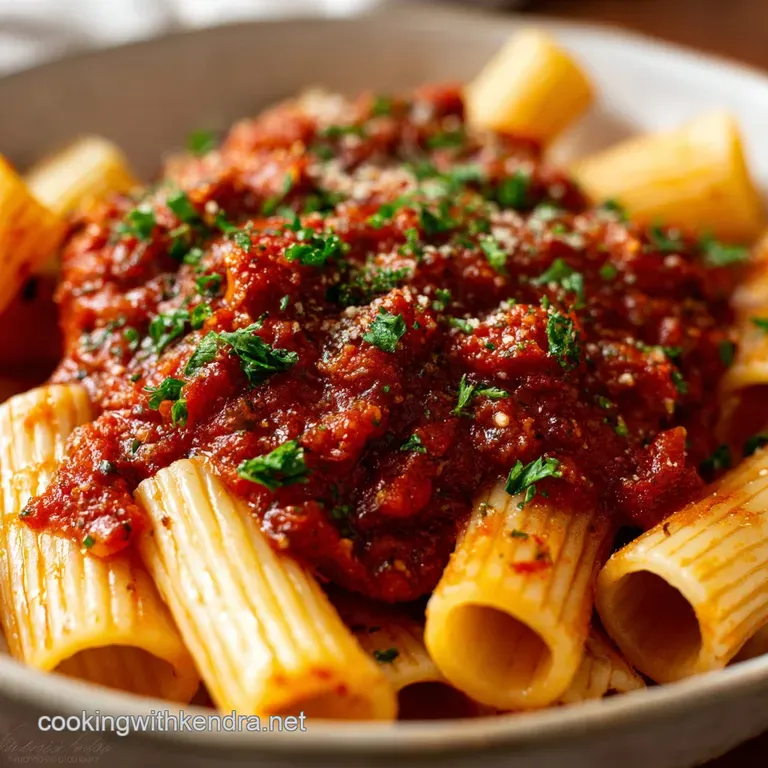
This incredibly versatile Sugo is fantastic with any dried pasta shape. I particularly love it with thick, sturdy shapes like Rigatoni or Bucatini it just clings so beautifully! Don't forget the generous grating of salty Parmigiano Reggiano right before serving.
You can also use this finished Sugo as the base for many other recipes. If you want to transform it into a robust, hearty meal, I often use a cup or two of this concentrated flavour as the base for things like my Italian Sausage Potato Soup: Creamy Zuppa Toscana Style, Easy 55 Minute Recipe . It saves hours of layering flavour!
Recipe FAQs
Why does my slow simmered sauce still taste acidic or bitter?
Acidity often occurs if the sauce hasn't simmered long enough, or if low-quality, less sweet tomatoes were used. To neutralize unwanted acidity quickly, add a tiny pinch of baking soda to the pot this chemically balances the pH without altering the flavor profile.
Ensure the sauce bubbles gently, uncovered, for at least 90 minutes to allow the natural sugars to fully develop.
How long can I store this Sugo, and is it suitable for freezing?
This foundational sugo stores excellently due to its long cooking time and high acidity. In an airtight container, it will keep fresh for up to 5 days in the refrigerator. For longer storage, freeze the cooled sauce in heavy duty freezer bags or containers, where it will maintain quality for up to 6 months.
My sauce is too watery. How can I thicken it without adding flour?
A watery sauce means the liquid hasn't fully reduced during simmering. To correct this, simply remove the lid and turn the heat up slightly to encourage faster evaporation. Alternatively, scoop out about a cup of the sauce, purée it until smooth, and stir it back into the pot; the concentrated tomato solids act as a natural binder.
What is the best way to enhance the umami (savory depth) of the sauce?
For an intense savory backbone, be sure to deeply sauté your tomato paste until it darkens slightly and caramelizes before adding the liquid. A professional trick is to add a discarded Parmesan rind to the sauce during the last hour of simmering, then retrieve and discard it before serving.
Anchovy fillets, dissolved completely into the initial fat, also provide incredible depth without tasting fishy.
Can I use a slow cooker instead of simmering the sauce on the stovetop?
Yes, a slow cooker is a superb method for this recipe as it naturally facilitates the required 'low and slow' process. After sautéing your aromatics on the stovetop, transfer everything to the cooker and simmer on the low setting for 6 to 8 hours.
This process ensures even cooking and minimizes the risk of scorching.
Is it better to use canned or fresh tomatoes for this foundational sugo?
For consistent richness and flavor, high-quality canned whole peeled tomatoes, such as D.O.P. certified San Marzanos, are typically recommended year round. They are picked at their absolute peak ripeness, ensuring optimal sweetness and low acidity.
If using fresh tomatoes, always blanch, peel, and seed them first, and increase the initial simmering time.
How can I make this traditional Sugo recipe completely vegan?
The core of this sauce is naturally vegetarian, but ensure you replace any traditional additions like butter or a meat base (e.g., pancetta) with high-quality olive oil. To compensate for lost savory flavor, add extra sautéed mushrooms, a small pinch of dried oregano, and a tablespoon of sundried tomato paste for increased umami depth.
Slow Simmered Italian Pasta Sauce Recipe
Ingredients:
Instructions:
Nutrition Facts:
| Calories | 256 kcal |
|---|---|
| Protein | 5.6 g |
| Fat | 18.0 g |
| Carbs | 21.9 g |
