Spaghetti and Meatballs: Our Best Sunday Slow-Simmer Recipe for Tender Results
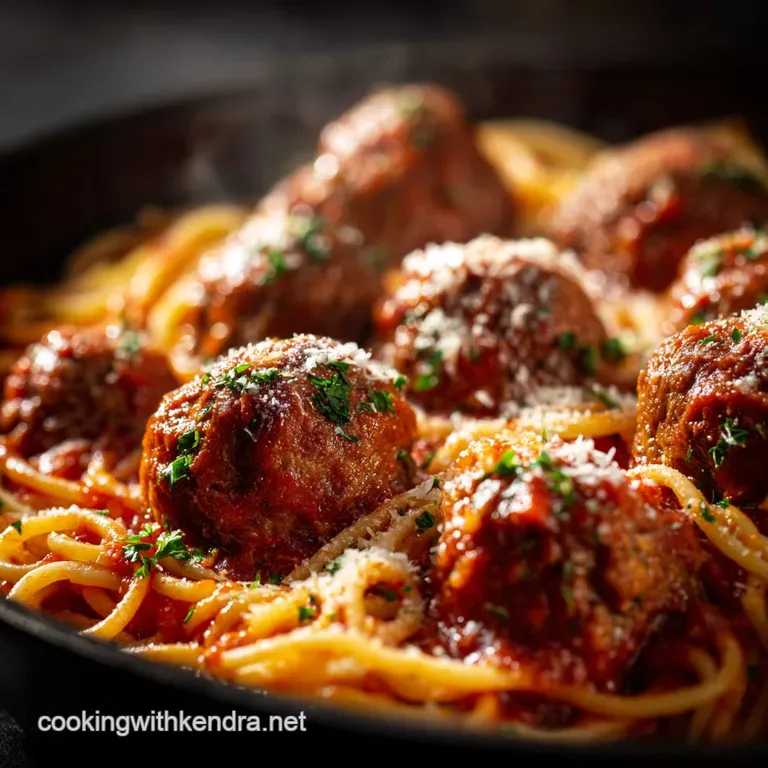
- The Sunday Slow-Simmer: Mastering Proper Spaghetti and Meatballs
- The Science of Comfort: Why This Recipe Delivers Deep Flavor
- Gathering Your Arsenal: Essential Ingredients for Authentic Spaghetti and Meatballs
- Ingredient Focus: Notes on Quality and Swaps
- The Method: A Step-by-Step Guide to Perfect Spaghetti and Meatballs
- Achieving Excellence: Chef's Tips and Troubleshooting Common Issues
- Beyond the Bowl: Ideal Pairings and Serving Strategies
- Practical Kitchen Guide: Storage and Freezing the Finished Meal
- Recipe FAQs
- 📝 Recipe Card
The Sunday Slow Simmer: Mastering Proper Spaghetti and Meatballs
Can you practically smell this dish? That deep, rich aroma of slow simmered tomato sauce, garlic, and basil just hits you right in the soul, doesn't it? That perfect twirl of spaghetti, slick with concentrated ragu, topped with a tender, massive meatball it is the definition of true, unpretentious comfort food.
Look, this isn’t a 30 minute weeknight sprint; it’s low-effort cooking that demands patience. The main work happens at the beginning when you prep your ingredients, then the Dutch oven just does the heavy lifting for two hours straight.
It’s affordable, wildly comforting, and yields enough leftovers that make the initial time investment totally worth it.
I’ve personally messed up my fair share of dry meatballs and watery sauces over the years, trust me. We are going to skip those amateur mistakes today and dive into the exact method that guarantees a deep, authentic flavor and unbelievably tender results every single time. Let's make some magic happen.
The Science of Comfort: Why This Recipe Delivers Deep Flavor
This isn't just about throwing ingredients into a pot; we're applying specific techniques that build layers of savory depth.
The History of the Classic Comfort Dish
The spaghetti and meatballs we know and love is actually an Italian American invention. It's a gorgeous dish born out of necessity, where immigrant families used accessible ingredients like larger cuts of meat and canned tomatoes to create a substantial, filling meal. While my recipe for Spaghetti and meatballs: Proper Sunday Gravy with Tender Homemade Meatballs takes inspiration from that proper, long Sunday Gravy, this version streamlines the process just a little.
Why We Brown the Meatballs First
Browning the meatballs achieves the Maillard reaction, which is basically the scientific term for flavor gold. Searing them quickly creates a gorgeous, caramelized crust on the outside. Crucially, this is not about cooking them through.
That crust seals in the juices and gives the finished product a fantastic texture that holds up during the long simmer.
Setting Up Your Mise en Place for Success
"Mise en place" simply means having all your ingredients prepped and ready before you start cooking. Because this recipe involves transitioning quickly from sautéing aromatics to caramelizing tomato paste, you need that diced onion and minced garlic ready to go.
You do not want to be desperately chopping garlic while your tomato paste burns.
The Low and Slow Philosophy of the Sauce
The key to an incredible spaghetti and meatballs sauce is time. Simmering the sauce for at least two hours allows the acid in the tomatoes to mellow out and for the complex flavors of the herbs and garlic to marry together completely.
This process concentrates the sauce and makes it thick and rich, perfect for coating pasta.
Building Umami Through Tomato Paste Caramelization
The step where you cook the tomato paste until it turns a rusty red color is non-negotiable. This caramelization intensifies the paste's natural sugars and develops a deep, savory umami flavor. If you skip this, your sauce will taste flat and overly acidic it’s brilliant, simple chemistry.
The Secret to Tender, Never Dry Meatballs
The secret weapon here is the panade that is just a fancy name for the milk soaked bread binder. Soaking fresh bread in milk and mixing that into the meat mixture keeps the meatballs incredibly moist as they simmer for hours in the sauce.
It practically guarantees they will melt in your mouth instead of tasting like tough little rocks.
Gathering Your Arsenal: Essential Ingredients for Authentic Spaghetti and Meatballs
| Ingredient | Use | Notes & Substitutes |
|---|---|---|
| Ground Meat (Pork & Beef) | Meatball Base | Substitute: Use 100% ground pork for richness, or combine 80/20 beef with Italian sausage (casing removed) for extra spice. |
| Whole Peeled Tomatoes | Sauce Base | Substitute: Crushed tomatoes in a pinch, but the whole ones taste fresher. Avoid diced tomatoes; they don't break down well. |
| Fresh Bread & Milk | Binder/Panade | Substitute: 1/4 cup Panko breadcrumbs soaked in 1/3 cup milk. Let it sit for 10 minutes until mushy. |
| Parmesan Cheese | Flavor & Binder | Substitute: Pecorino Romano for a saltier, sharper kick. Grana Padano works well too. |
| Fresh Basil | Finishing Touch | Substitute: Dried basil is okay (1 tablespoon added during the simmer), but the fresh stuff is worth the trip. |
| Extra Virgin Olive Oil | Sauté Base | Substitute: A neutral oil like avocado or canola, though olive oil imparts a better base flavor. |
Ingredient Focus: Notes on Quality and Swaps
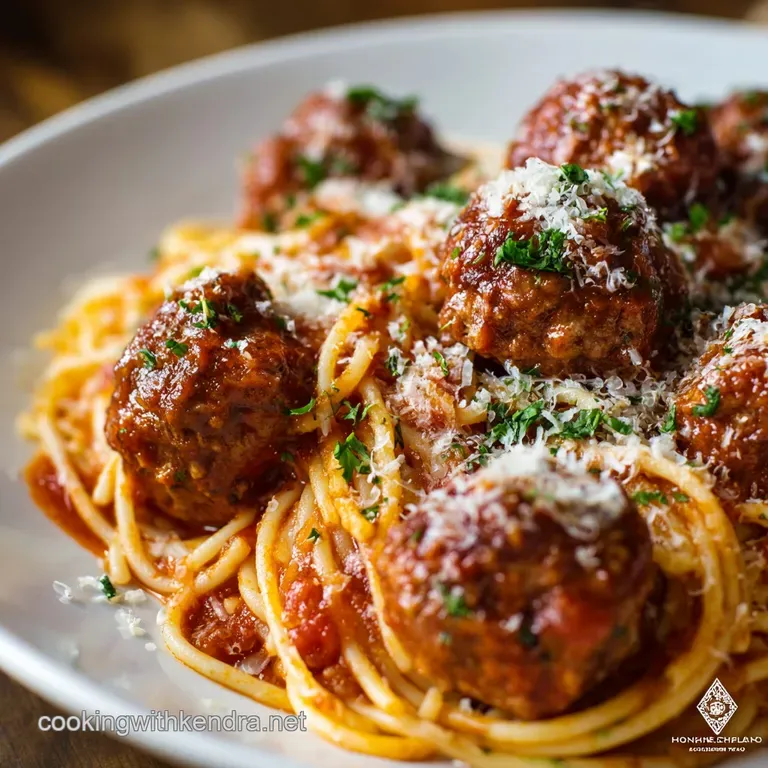
Choosing the Perfect Grind (Meatball Composition)
We use an 80/20 blend of ground beef combined with ground pork because fat equals flavor and tenderness. Leaner meats, like ground turkey, can work, but you risk dryness. Do not use meat leaner than 85/15, or you will need to add extra moisture.
The pork adds a beautiful, savory richness that beef alone sometimes lacks.
Defining the Gold Standard Tomato Base (Sauce Essentials)
Your sauce is only as good as your tomatoes. Spend the extra money on high-quality whole peeled tomatoes, ideally San Marzano or a reputable Italian brand. You crush them by hand or with a masher; this gives the sauce a great rustic texture while preserving the tomato’s natural sweetness.
Pasta Selection: Rigidity vs. Texture
While spaghetti is traditional, this sauce is so rich it also works beautifully with slightly thicker, more rigid shapes. I love using linguine or even bucatini (the hollow spaghetti) when I want a bit more bite. Remember to reserve some starchy pasta water!
Optimal Binder Alternatives (Breadcrumbs vs. Panko)
Fresh bread soaked in milk (the panade) is truly unbeatable, but life happens. If you must use dried breadcrumbs, choose Panko, which absorbs moisture better and keeps the meat light. Just ensure they are fully hydrated before you mix them in.
Utilizing Dried vs. Fresh Herbs
Dried oregano and garlic powder go into the meatballs because their flavors withstand the long cooking time. However, fresh basil and parsley should be stirred in right at the end. That blast of fresh, herbaceous flavor brightens the entire dish, cutting through the richness beautifully.
Oil Choices for the Sauté Base
Always use a good quality Extra Virgin Olive Oil to start your sauce. It provides a foundational Italian flavor. While some recipes call for butter, the oil provides a higher smoke point and a clean, fruity base that pairs perfectly with tomatoes.
The Method: A step-by-step Guide to Perfect Spaghetti and Meatballs
Crafting and Setting the Meatballs (Prep)
- Activate the Binder: Place 2 slices of crust removed bread in a bowl with 1/4 cup whole milk and let it soak for five minutes. Squeeze the excess milk out of the bread, then break it up into a fine paste; set the reserved milk aside.
- Mix the Non-Meat: In a large bowl, combine the soaked bread paste, the reserved milk, 1 beaten egg, 1/2 cup Parmesan, parsley, oregano, garlic powder, salt, and pepper. Mix lightly until uniform.
- Add the Meat: Gently fold in 1 lb ground beef and 8 oz ground pork. Use your hands and mix only until the ingredients are just combined— stop immediately when you no longer see streaks of dry meat.
- Form and Chill: Roll the mixture into 1.5 inch balls and place them on a baking sheet. Chill them for 20 minutes; this critical step helps them firm up so they don’t fall apart when browning.
Developing the Simmered Tomato Ragu
- Sauté Aromatics: Heat 3 tablespoons of olive oil in a large Dutch oven over medium heat. Add the diced onion and cook until softened and translucent, about 6 minutes.
- Caramelize the Paste: Stir in 4 minced garlic cloves and 1/2 teaspoon red pepper flakes. Cook for 1 minute, then add 2 tablespoons of tomato paste. Cook the paste for 2 minutes, stirring until it turns dark, rusty red you’re building umami!
- Deglaze and Add Tomatoes: Pour in 1/2 cup of water or stock, scraping up any delicious browned bits from the bottom of the pot. Add two 28 oz cans of whole peeled tomatoes, crushing them thoroughly with your hands or a potato masher in the pot.
- Season: Add 1 bay leaf, salt, and pepper. Bring the mixture to a gentle simmer.
Integrating the Meatballs and Finishing the Simmer
- Brown the Meatballs: In a separate skillet, add a splash of olive oil and brown the chilled meatballs on all sides over medium high heat (3– 4 minutes total). They only need a nice crust, not to be cooked through.
- Simmer Time: Carefully transfer the browned meatballs to the simmering sauce, making sure they are submerged. Reduce the heat to very low, cover the pot slightly ajar, and simmer for at least 2 hours, stirring gently every 30 minutes.
Timing and Cooking the Spaghetti Al Dente
- Cook Pasta: About 20 minutes before the sauce is ready, bring a massive pot of salted water to a rolling boil. Cook the spaghetti until al dente —that is, slightly firm to the bite.
- Finish the Sauce: Remove the bay leaf. Stir in the fresh torn basil leaves and check the seasoning, adding more salt if needed.
- Combine: Drain the pasta well, reserving a cup of the starchy water. Toss the spaghetti directly into the sauce pot to coat thoroughly. If the sauce seems too thick, add a splash of the reserved pasta water.
Achieving Excellence: Chef's Tips and Troubleshooting Common Issues
Chef's Note: Browning the meatballs separately, rather than cooking them in the sauce from raw, ensures the sauce stays clean, rich, and vibrant, instead of greasy and cloudy.
The Danger Zone: Why Overmixing Meatballs is a Mistake
Listen up, this is where most people fail and end up with tough, rubbery meatballs. When you mix the meat for too long, you develop the protein structure (gluten equivalent), resulting in a springy, unpleasant texture.
Mix until just combined the second you stop seeing dry meat, stop stirring.
How to Adjust Sauce Acidity
Sometimes, even after two hours of simmering, canned tomatoes can taste a little sharp. The fix is simple: add a tiny pinch of sugar (about 1/2 teaspoon) at a time until the sharp edge is rounded off. This isn't meant to make it sweet, just to balance the pH.
Stopping the Sauce from Splattering (Lid Technique)
When the sauce is simmering, tiny bubbles pop and splatter hot tomato everywhere which means more scrubbing later! To prevent this, cover the Dutch oven almost completely, but leave the lid slightly ajar.
This traps most of the splatter while still allowing steam to escape, helping the sauce reduce and thicken beautifully.
Beyond the Bowl: Ideal Pairings and Serving Strategies
Wine Pairing Suggestions for Rich Tomato Sauce
A robust, acid friendly Italian red is your best friend here. Look for a Chianti Classico or a hearty Montepulciano d'Abruzzo. If you're going white, try a crisp, dry Pinot Grigio it’s surprisingly refreshing against the savory meat.
Side Dishes That Complement the Classic Flavor
You need something simple and fresh to cut through the richness of the slow simmered sauce. A sharp, simple green salad tossed with a punchy lemon vinaigrette works perfectly. And, seriously, don't skip the garlic bread. You need something crusty to wipe up every last drop of ragu. (If you’re feeling extra daring, you could even follow up this meal with a hearty sandwich like my Chile Relleno Grilled Cheese Sandwich: The Ultimate Spicy Remix — maybe the next day, though!)
Garnishes to Elevate the Final Presentation
The final presentation is all about freshness and texture. A generous grating of fresh Parmesan or Pecorino Romano is essential. A final drizzle of high-quality extra virgin olive oil over the top and a sprinkle of chopped parsley make it look professional and taste even better.
Practical Kitchen Guide: Storage and Freezing the Finished Meal
Spaghetti and meatballs is truly a meal that tastes better the next day. It is an amazing make-ahead dish.
Refrigerator Storage: The sauce and meatballs (separated from the pasta) will keep wonderfully in an airtight container for 4 to 5 days. Cooked pasta will keep for 3 days, but it tends to absorb moisture, so I recommend storing the components separately if possible.
Freezing Instructions: Meatballs and sauce freeze like champions. Once completely cooled, transfer the sauce and meatballs to a freezer safe container or heavy duty freezer bags. Press out all the air before sealing. It will keep well for up to 4 months.
Reheating: Thaw the sauce and meatballs overnight in the fridge. Reheat gently on the stove over low heat until simmering hot. If it seems too thick, add a splash of water or stock. Reheat cooked pasta quickly in the microwave or briefly dunk it into boiling water (30 seconds!) to freshen it up.
Recipe FAQs
Why did my meatballs come out tough and dry?
Overmixing the meatball mixture is the most common reason for toughness, as it develops the protein excessively. Ensure you mix the ingredients only until they are just combined, and never pack the balls too tightly before searing them.
Using milk soaked bread instead of dry breadcrumbs can also significantly boost moisture retention.
How do I prevent the pasta from sticking together or absorbing all the sauce?
This issue often results from insufficient salt in the boiling water or letting the pasta sit too long after draining. Always cook the pasta to al dente, drain it immediately, and then toss it with a generous ladle of the reserved starchy pasta water and your sauce.
This starchy water helps emulsify the sauce and coats the pasta perfectly.
Can I freeze the cooked spaghetti and meatballs?
Yes, both the slow simmered tomato sauce and the cooked meatballs freeze exceptionally well, but it is best to freeze them separately from the cooked pasta. Store the sauce and meatballs together in an airtight, freezer safe container for up to three months.
When reheating, thaw them slowly in the refrigerator overnight before warming gently on the stovetop.
How long should the sauce simmer to achieve the deepest flavor?
While the sauce is edible after a 30-minute simmer, the deep, complex flavors inherent to this classic recipe develop best after at least 90 minutes of low, consistent simmering. A true "Sunday sauce" is often simmered for 2 to 3 hours, which fully allows the acid in the tomatoes to soften and all the flavors to perfectly meld.
What can I use as a binding agent if I don't have breadcrumbs?
Ricotta cheese is an excellent substitute for breadcrumbs, as it adds moisture and richness while acting as a reliable binder. Alternatively, you can finely crumble stale white bread and soak it in a little milk before adding it to the mixture, which is a traditional Italian technique for tender meatballs.
Can I use ground turkey or Italian sausage instead of the traditional beef/pork mix?
Absolutely, but adjust your moisture content accordingly; ground turkey or chicken is leaner and may require adding extra olive oil or ricotta to prevent dryness. If using Italian sausage, be sure to reduce the added salt in both the meatball mixture and the sauce, as sausage is typically heavily pre-seasoned.
How can I make this recipe completely gluten-free?
To convert this meal, simply substitute traditional spaghetti with a high-quality gluten-free pasta made from corn, rice, or legumes. For the meatballs, swap standard breadcrumbs for gluten-free panko, finely ground almond flour, or use potato flakes as a binder instead.
Slow Simmered Spaghetti And Meatballs 2
Ingredients:
Instructions:
Nutrition Facts:
| Calories | 900 calories |
|---|---|
| Fat | 40 g |
| Fiber | 8 g |
