Classic Southern Smothered Chicken
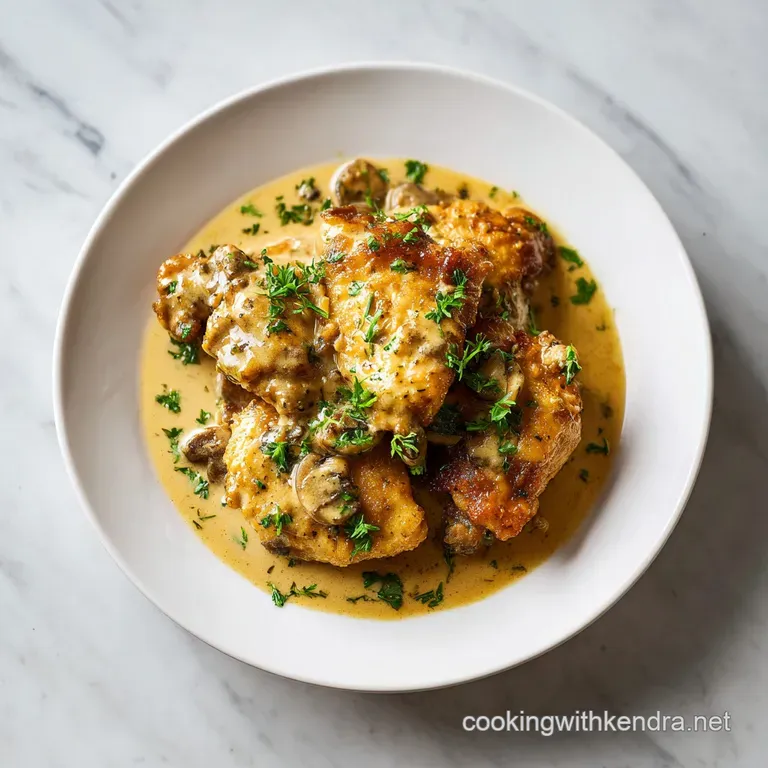
- Time: Active 15 minutes, Passive 45 minutes, Total 1 hour
- Flavor/Texture Hook: Succulent chicken with a velvety, onion infused gravy
- Perfect for: Sunday family dinners or a cozy weeknight treat
- Southern Soul in This Smothered Chicken Recipe
- Essential Recipe Specs and Timing
- Analyzing Our Core Flavor Components
- Gear Needed for Silky Gravy
- Executing the Braising Technique Correctly
- Correcting Common Cooking Texture Issues
- Simple Ways to Adapt Flavor
- Proper Storage and Reheating Methods
- Serving Ideas for This Dish
- Quick Decision Shortcut
- Very High in Sodium
- Recipe FAQs
- 📝 Recipe Card
Southern Soul in This Smothered Chicken Recipe
The sizzle of chicken thighs hitting a hot cast iron pan is a sound that makes my heart skip. There’s something about that first pop and hiss that promises a meal worth waiting for, especially on those rainy Sunday afternoons when the house feels a bit chilly.
I remember the first time I tried making this, I ended up with a gray, soggy mess because I was too impatient to let the skin truly brown.
I’ve made all the mistakes so you don’t have to. I used to think a "smothered" dish meant boiling the life out of the meat, but it’s actually about that delicate balance between a hard sear and a gentle braise. This isn't just food; it’s a hug in a pan.
We’re going to build layers of flavor starting with a seasoned dredge and ending with a gravy so silky it puts standard pan sauces to shame.
Trust me, once you see those onions melt into the chicken stock, you'll understand why this is a staple in my kitchen. We aren't looking for "nice" here; we are going for absolute comfort that sticks to your ribs. It’s simple, honest cooking that relies on technique rather than fancy ingredients.
Let's crack on and get that skillet hot.
Essential Recipe Specs and Timing
The Alchemy of Fond: Searing the floured chicken creates a "fond," or those browned bits on the pan, which acts as a concentrated flavor base for the gravy. This Maillard reaction provides the deep, savory notes that define a traditional smothered chicken recipe.
| Chicken Thickness | Internal Temp | Rest Time | Visual Cue |
|---|---|---|---|
| 1 inch | 165°F | 5 minutes | Juices run clear |
| 1.5 inches | 165°F | 8 minutes | Meat pulls from bone |
| 2 inches | 165°F | 10 minutes | Firm to the touch |
Getting the temperature right is the difference between succulent meat and something that feels like cardboard. This comforting method reminds me of the slow simmered depth found in my Chicken Stew recipe, where time is the most important ingredient in the pot.
Analyzing Our Core Flavor Components
When we talk about the science of this dish, it's all about starch gelatinization. The flour on the chicken doesn't just help with browning; it migrates into the liquid to thicken the stock into a luscious sauce as it hydrates and swells during the simmer.
| Ingredient | Science Role | Pro Secret |
|---|---|---|
| All purpose Flour | Thickening Agent | Toast it in the fat until it smells like popcorn for extra nuttiness. |
| Chicken Thighs | Fat & Gelatin | Always go skin on; the rendered fat is liquid gold for the gravy. |
| Yellow Onions | Natural Sugar | Slice them paper thin so they dissolve into the sauce completely. |
For Chicken and Dredge
- 3 lbs (1.36 kg) bone in, skin on chicken thighs: The bone keeps the meat juicy during the braise. Why this? Dark meat handles the long simmer without drying out like breasts do.
- Substitute: Chicken drumsticks. They offer the same gelatinous benefits.
- 1 cup (125g) all purpose flour: This provides the crust and the roux.
- Substitute: Cornstarch (use half the amount) for a gluten-free coating.
- 1 tbsp (15g) seasoning salt: Essential for that classic Southern profile.
- Substitute: Kosher salt mixed with a pinch of paprika.
- 1 tsp (2g) black pepper: Adds a subtle heat.
- Substitute: White pepper for a more floral, hidden heat.
- 1 tsp (3g) garlic powder: Deepens the savory notes.
- Substitute: Granulated garlic for a similar texture.
- 1 tsp (3g) onion powder: Layers the onion flavor.
- Substitute: Shallot powder for a more delicate touch.
- 0.5 tsp (1g) cayenne pepper: Just enough to wake up the palate.
- Substitute: Red pepper flakes, though the texture will be coarser.
For the Gravy
- 2 tbsp (30g) unsalted butter: Adds richness and helps sauté the aromatics.
- Substitute: Rendered bacon grease for a smoky, salty kick.
- 2 large yellow onions, thinly sliced: These provide the "smother." Why this? Yellow onions have a high sugar content that caramelizes beautifully.
- Substitute: White onions for a sharper, more pungent flavor.
- 3 cloves garlic, minced: Essential aromatic base.
- Substitute: 1 tsp garlic paste for easier incorporation.
- 3 cups (710ml) low sodium chicken stock: The body of your sauce.
- Substitute: Vegetable stock, though it will lack the same body.
- 0.25 cup (60ml) heavy cream: For that final silky finish.
- Substitute: Whole milk with a teaspoon of butter melted in.
- 2 tbsp fresh parsley: For a pop of color and freshness.
- Substitute: Fresh chives or green onions for a mild bite.
Gear Needed for Silky Gravy
You don't need a kitchen full of gadgets, but a heavy bottomed skillet is non negotiable for southern smothered chicken. I prefer a 12 inch cast iron skillet (like a Lodge) because it holds heat like a champ, ensuring the chicken sears rather than steams.
A high-quality whisk is also your best friend here to prevent any flour lumps from ruining your velvety finish.
Chef Tip: Freeze your butter for 10 minutes before adding it to the pan. Cold butter creates a more stable emulsion in the sauce, resulting in a glossier gravy.
If you don't have cast iron, a heavy stainless steel pan works too, but avoid non stick. You actually want the chicken to "stick" slightly to create those brown bits on the bottom. Without that fond, your gravy will taste flat and uninspired.
Executing the Braising Technique Correctly
- Prep the chicken. Pat the 3 lbs of thighs completely dry with paper towels. Note: Moisture is the enemy of a good sear.
- Mix the dredge. Combine 1 cup flour, seasoning salt, black pepper, garlic powder, onion powder, and cayenne in a shallow bowl.
- Coat the meat. Toss each thigh in the flour mixture, shaking off any excess. Ensure every nook is covered.
- Sear the chicken. Heat a large skillet over medium high heat with a splash of oil. Cook 5-7 minutes per side until skin is golden and shatter crisp.
- Remove and rest. Set the chicken aside on a plate; it won't be cooked through yet.
- Sauté the aromatics. Melt 2 tbsp butter in the same pan. Add sliced onions and cook until softened and slightly browned, about 8 minutes.
- Add the garlic. Stir in the 3 minced cloves and cook for 1 minute until fragrant and translucent.
- Build the gravy. Sprinkle 2 tablespoons of the leftover dredge flour over the onions. Whisk in 3 cups chicken stock slowly.
- Simmer the dish. Nestle the chicken back into the gravy. Simmer for 25-30 minutes until meat is tender.
- Finish the sauce. Stir in 0.25 cup heavy cream and top with fresh parsley until the sauce is glossy and thick.
This technique results in a sauce as luscious as my Velvet Dream Classic recipe, which focuses on that same high fat, high flavor profile.
Correcting Common Cooking Texture Issues
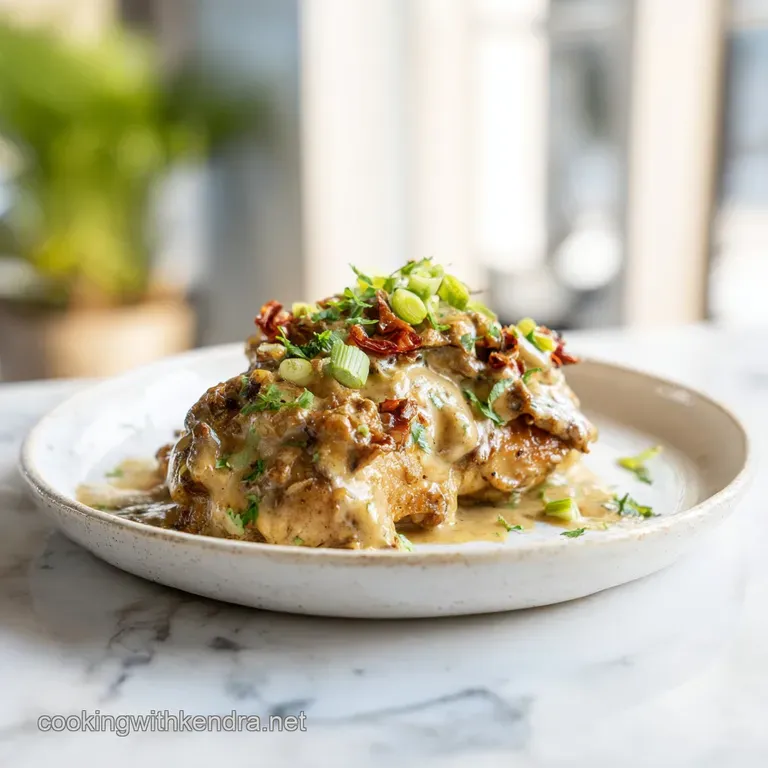
Why is gravy lumpy?
Lumpy gravy usually happens when the liquid is added too fast to the flour fat mixture (the roux). If the stock hits the flour all at once, the starch granules on the outside hydrate and form a waterproof shell around the dry center.
To fix this, always add your liquid in a slow, steady stream while whisking aggressively.
Sauce too thick?
If your smothered chicken with gravy looks more like a paste than a sauce, it simply means too much liquid evaporated or you used a bit too much flour in the dredge. This is an easy fix. Whisk in an extra 1/4 cup of warm stock or water at a time until you reach your desired consistency.
| Problem | Root Cause | Solution |
|---|---|---|
| Thin Gravy | Not enough simmering | Simmer uncovered for 10 mins to reduce liquid. |
| Tough Chicken | High heat boil | Lower heat to a gentle bubble; avoid a rolling boil. |
| Bland Sauce | Under seasoned flour | Add a splash of soy sauce or extra seasoning salt at the end. |
Common Mistakes Checklist
- ✓ Skipping the "pat dry" step (leads to soggy, steamed skin).
- ✓ Crowding the pan during searing (lowers the temp and prevents browning).
- ✓ Using cold chicken stock (can cause the fat in the roux to seize).
- ✓ Walking away during the onion sauté (burnt onions make the gravy bitter).
- ✓ Forget to rest the chicken (juices will run out and leave meat dry).
Simple Ways to Adapt Flavor
If you're feeling adventurous, you can easily turn this into a smothered chicken breast dish for a leaner option, though you'll need to reduce the simmer time to 15 minutes to avoid drying out the white meat.
For those who love a bit of earthiness, adding 8 ounces of sliced cremini mushrooms during the onion sauté phase adds a wonderful "forest" flavor to the gravy.
| Original Ingredient | Substitute | Why It Works |
|---|---|---|
| Heavy Cream (0.25 cup) | Full fat Coconut Milk (0.25 cup) | Provides similar fat. Note: Adds a subtle tropical undertone. |
| Seasoning Salt (1 tbsp) | Smoked Paprika & Salt | Adds a deep, wood fired aroma without extra sodium. |
| All purpose Flour (1 cup) | Almond Flour (1 cup) | High fat content. Note: Will result in a grainier, less stable gravy. |
Making it with rice?
To serve smothered chicken with rice, I recommend making about 20% more gravy by adding an extra half cup of stock. The rice acts like a sponge, and you'll want plenty of that liquid gold to soak into every grain. It’s the ultimate way to ensure no sauce goes to waste.
Proper Storage and Reheating Methods
This dish actually tastes better the next day as the onions continue to break down and sweeten the sauce. Store leftovers in an airtight container in the fridge for up to 4 days. When you’re ready to eat, reheat it on the stovetop over low heat with a splash of water or stock to loosen the gravy, as it will thicken significantly when cold.
You can freeze smothered chicken for up to 3 months. However, be aware that the heavy cream might separate slightly upon thawing. To fix this, whisk the gravy vigorously while reheating.
For a zero waste tip, save the chicken bones and any leftover onion peels in a freezer bag; they make the most incredible base for a homemade stock later on.
Serving Ideas for This Dish
Right then, let's talk about the plate. While smothered chicken in oven or on the stovetop is the star, the supporting actors matter. A pile of garlic mashed potatoes is the classic choice, but don't overlook a side of honey glazed carrots or some spicy collard greens to cut through the richness of the cream and butter.
- Classic Comfort: Serve over white rice with a side of cornbread.
- Low Carb: Pair with roasted cauliflower or a big green salad.
- The "Sunday Best": Add a side of mac and cheese and green beans.
Myth: Searing seals juices
Searing does not "seal in" juices. Moisture loss happens regardless of the crust. The real reason we sear is for the Maillard reaction, which creates dozens of new flavor compounds that simply don't exist in boiled meat.
Myth: Bone in takes too long
While bone in thighs do take longer than boneless, the bone acts as an insulator, ensuring the meat cooks more evenly and stays moist. The extra 10 minutes of cooking time is a small price to pay for the massive jump in texture quality.
Quick Decision Shortcut
- If you want a crispier skin, sear for an extra 2 minutes per side and keep the chicken skin side up during the simmer, ensuring the liquid only comes halfway up the meat.
- If you want a thicker gravy, whisk in a "slurry" of 1 tsp cornstarch and 1 tbsp cold water at the very end of the cooking process.
- If you want a deeper flavor, let the onions reach a dark mahogany color before adding the garlic and stock.

Very High in Sodium
1235 mg mg of sodium per serving (54% % of daily value)
American Heart Association recommends limiting sodium intake to about 2,300mg per day.
Sodium Reduction Tips
-
Broth Swap-30%
Replace the 3 cups of low-sodium chicken stock with no-sodium chicken broth. This simple substitution can significantly reduce the sodium content.
-
Seasoning Savvy-25%
Eliminate the 1 tbsp of seasoning salt entirely. Replace it with a blend of individual spices like paprika, more garlic powder, and herbs to control sodium intake.
-
Chicken Prep-10%
Consider using boneless, skinless chicken thighs instead of bone-in, skin-on. While not a direct sodium reduction, it allows more control over seasoning and reduces the temptation to add salt later.
-
Butter Boost-5%
Ensure the 2 tbsp of unsalted butter is truly unsalted. Some butter products labeled 'unsalted' may still contain small amounts of sodium.
-
Herb Power
Experiment with fresh and dried herbs like thyme, rosemary, and oregano to enhance flavor without adding sodium. Get creative with your blends!
Recipe FAQs
What is smothered chicken?
It is chicken gently braised in a savory gravy. This dish involves searing seasoned chicken (usually thighs) until golden brown, then simmering it low and slow in a rich sauce made from sautéed onions and stock until fork tender.
Why is it called smothered chicken?
It is called smothered because the meat is completely covered by the gravy. The defining technique requires the seared chicken to be nestled entirely beneath the liquid layer while it finishes cooking.
What's the secret to the best smothered chicken?
The secret is achieving a deep fond before adding the liquid. Searing the floured chicken properly creates concentrated browned bits on the bottom of the pan, which dissolve into the stock to build the base flavor of the gravy.
How long should you smother chicken thighs?
Simmer for 25 to 30 minutes. This duration, after searing and adding the liquid, ensures the dark meat becomes completely tender and the collagen breaks down into the sauce.
Can I use chicken breasts instead of thighs for smothered chicken?
Yes, but significantly reduce the simmering time. White meat dries out easily, so reduce the smothering time to about 15 minutes to keep the breasts succulent, unlike dark meat which benefits from longer cooking.
Is it true that searing the chicken seals in the juices?
No, this is a common misconception. Searing does not trap moisture; its purpose is to create intense flavor through the Maillard reaction, which builds the necessary savory base for the gravy.
What should I serve with smothered chicken to soak up the gravy?
Serve it over creamy mashed potatoes or plain white rice. Both sides are excellent canvases for the rich, velvety sauce; you need something neutral to absorb all that liquid gold.
Smothered Chicken Recipe
Ingredients:
Instructions:
Nutrition Facts:
| Calories | 692 kcal |
|---|---|
| Protein | 43.5 g |
| Fat | 47.8 g |
| Carbs | 21.4 g |
| Fiber | 1.6 g |
| Sugar | 3.2 g |
| Sodium | 1235 mg |
