Cajun Shrimp and Rice: the Speedy Bayou Blitz Skillet Recipe
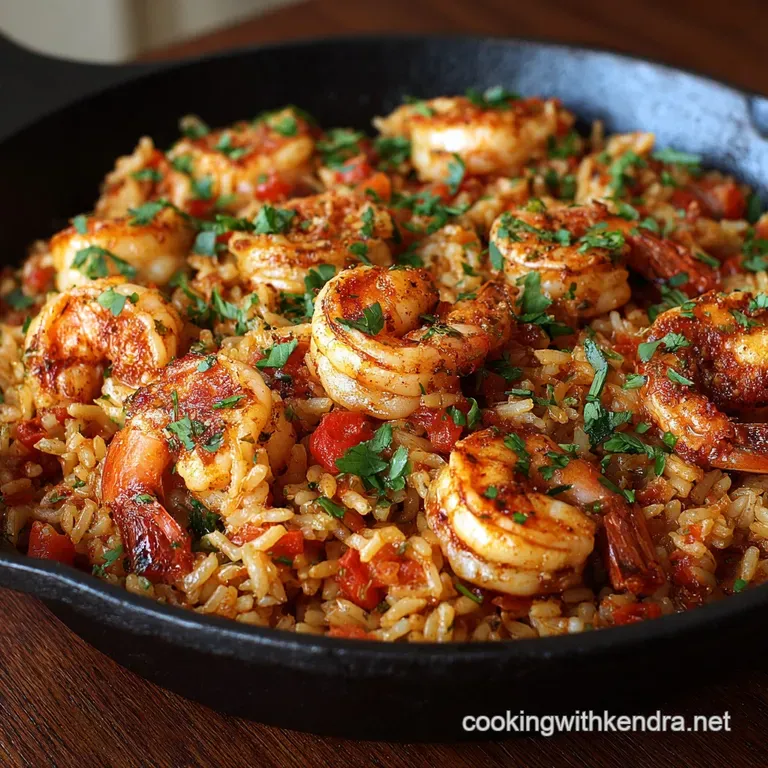
- Capturing the Soul of Louisiana: Mastering Cajun Shrimp and Rice
- The Science of Flavor: Why This Cajun Shrimp and Rice Recipe Sings
- Ingredients Breakdown: What You Need for Authentic Cajun Shrimp and Rice
- The Kitchen Method: Step-by-Step Directions for Speedy Execution
- Troubleshooting the Bayou Blitz: Expert Tips and Avoiding Common Errors
- Make-Ahead and Storage: Keeping Your Cajun Shrimp and Rice Fresh
- What to Serve With Cajun Shrimp and Rice: Complete Meal Pairings
- Recipe FAQs
- 📝 Recipe Card
Capturing the Soul of Louisiana: Mastering Cajun Shrimp and Rice
Can we just talk about the aroma of this dish? When the smoked paprika and garlic hit that hot butter, it’s not just dinner; it’s an absolute sensory experience that pulls everyone into the kitchen.
The deep, earthy, slightly smoky spice, paired with the snappy texture of perfectly seared shrimp, makes this an instant classic. Honestly, I make this at least twice a month because the smell alone cures my mid-week blues.
This Cajun Shrimp and Rice is my ultimate lifesaver recipe, especially on those days when I’m too tired for a complicated braise but still crave serious flavor. It takes traditional jambalaya flavors and speeds up the process significantly, getting you that soulful, comforting plate in under 45 minutes.
Plus, shrimp and pantry staples mean it’s incredibly budget friendly without skimping on satisfaction.
We’re going beyond just tossing spices on protein here, my friend. We are focusing on technique that crucial Holy Trinity sauté and the essential spice bloom which elevates this simple skillet dinner into authentic, complex Louisiana soul food.
Grab your largest skillet and a big appetite, because we are about to crack on with the best Cajun Shrimp and Rice recipe you’ve ever made.
The Science of Flavor: Why This Cajun Shrimp and Rice Recipe Sings
The secret to making this dish feel genuinely authentic and not just "spicy" lies in layering. We are building flavor from the bottom up, which ensures every bite is deeply satisfying. It’s the difference between a good dinner and one you’ll dream about later.
The Difference Between Cajun and Creole Flavors
A quick note, because people always ask: What separates Cajun from Creole? Cajun food is traditionally more rustic, relying heavily on the Holy Trinity (onion, celery, bell pepper) and strong spice blends, but usually excludes tomato.
Creole food, influenced by city living in New Orleans, often includes tomatoes, garlic, and sometimes a splash of wine. Since this recipe leans heavily on the Trinity and deep, smoky paprika, we are squarely in the Cajun camp.
Prep Time, Cook Time, and Yield At a Glance
| Stage | Time Estimate | Note |
|---|---|---|
| Prep Time: | 20 minutes | Chopping the Trinity takes the longest! |
| Cook Time: | 25 minutes | Mostly simmering time. |
| Total Time: | 45 minutes | Fast enough for a Tuesday night, you bet. |
| Yield: | 4 generous servings | Great for leftovers if you manage to have any. |
Essential Equipment Check: Skillets and Spatulas
You need one star player here: a large, deep, heavy bottomed skillet or a Dutch oven. This is your foundation. Using heavy cookware ensures even heat distribution, which prevents the rice from scorching at the bottom while still allowing the vegetables to sauté beautifully.
The Maillard Reaction on Shrimp: Perfect Sear for Texture
We only cook the shrimp partially in the first stage, which is the key to perfect texture. The Maillard reaction that magical browning process needs high heat and dry surfaces. Always pat your shrimp thoroughly dry before seasoning.
Searing them quickly, just until they develop color, locks in their sweetness and prevents them from becoming rubbery when they are added back in later with the hot rice.
Building the Flavor Base: Maximizing the Holy Trinity Sauté
Do not rush the sauté of the onion, celery, and bell pepper (the Holy Trinity). This step is non-negotiable. Cooking them over medium heat for 6 to 8 minutes until they become translucent and soft, what cooks call "sweating," is essential.
It releases their natural sugars, which balances the aggressive spice blend we use later.
The Spice Bloom: Activating the Cajun Seasoning Oils
This is my biggest secret for deep flavor! We reserve a small amount of the Cajun seasoning and add it to the hot oil after the vegetables are soft, along with the minced garlic.
Cooking the dried spices in hot fat for just 60 seconds (called "blooming") wakes up their essential oils, deepening their flavor profile tenfold. It’s what gives this rice that beautiful, burnished red color and incredible complexity.
Ingredients Breakdown: What You Need for Authentic Cajun Shrimp and Rice
Keep it simple, keep it fresh, and you’ll be golden. Remember, the quality of your spice blend and the freshness of your shrimp make all the difference.
Choosing the Right Shrimp Size and Prep (Peeling and Deveining)
I recommend using large (21/25 count) shrimp for this recipe. They stand up better to the searing process and don't get lost in the rice. If you buy frozen, thaw them in cold water right before use, and please, for the love of all things holy, pat them bone dry before seasoning.
Tails on or off is completely up to your serving preference, but I usually take them off for a cleaner eat.
Mastering the Cajun Spice Blend (DIY vs. store-bought)
While I included my favorite blend in the recipe card below (heavy on smoked paprika and thyme), if you are short on time, a high-quality store-bought blend works perfectly. Look for blends with low or controllable sodium levels so you can salt the dish properly yourself.
Tony Chachere's or Zatarain’s are excellent choices if you are going for the pre-mixed route.
| Ingredient | My Recommended Swap |
|---|---|
| Shrimp | Firm tofu or pre-cooked Andouille sausage (sear first) |
| Green Bell Pepper | Red or yellow bell pepper (though green is most authentic) |
| Long Grain Rice | Parboiled rice (requires slightly more liquid/simmer time) |
| Chicken Stock | Vegetable stock or just water (increase salt by ¼ tsp) |
Smart Swaps for the Holy Trinity Vegetables
The onion, celery, and green bell pepper are mandatory for that classic Cajun taste. They provide the perfect earthy, slightly bitter base that defines the dish. If you absolutely cannot find green bell pepper, use red or yellow, but be warned, they are sweeter and will change the final profile slightly.
Rice Varieties: White Rice vs. Parboiled for Best Results
I prefer regular long grain white rice (like Jasmine or Basmati) because it absorbs the stock and spices beautifully and stays separated, preventing a mushy final product. Parboiled rice (often labeled conversion rice) works well, too, as it is very forgiving, but it requires a slightly longer simmer time and sometimes a bit more liquid to hydrate fully.
The Kitchen Method: step-by-step Directions for Speedy Execution
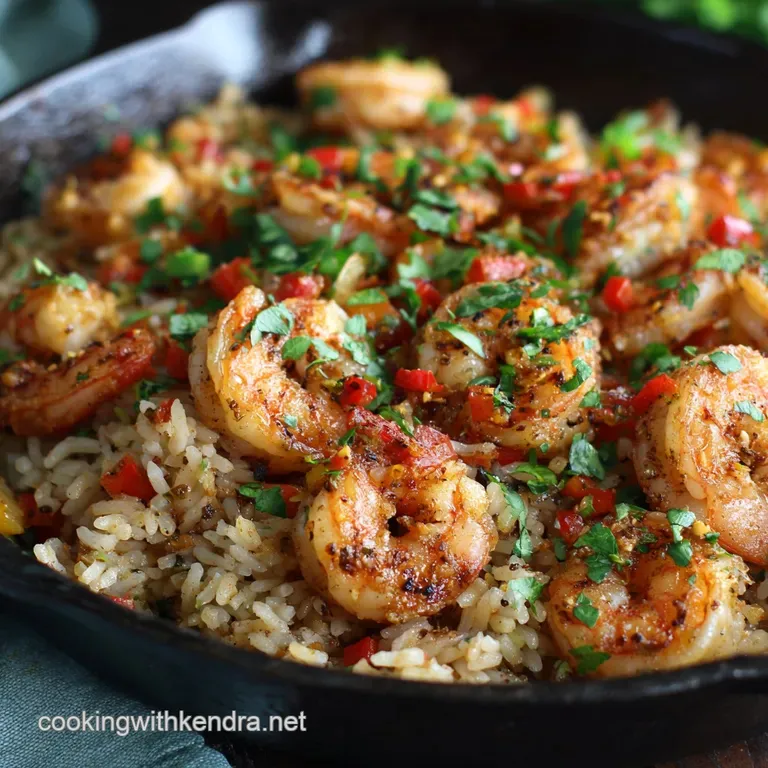
This recipe moves fast once the chopping is done. Have all your ingredients measured and ready to go before you light the burner.
Phase 1: Searing the Shrimp Quickly and Setting Aside
- Prep the Rice: Get the rice, stock, and salt cooking in a separate saucepan. Bring to a boil, then cover and simmer on low for 15 minutes. Do not lift the lid.
- Season the Shrimp: Pat the shrimp dry. Toss them with 1 Tbsp of oil and most of the Cajun seasoning (reserve 1 tsp for the vegetables).
- Sear: Heat your large skillet over medium high heat with 1 Tbsp of butter. Add the shrimp in a single layer. Cook for just 1.5 to 2 minutes per side until they turn pink and start to curl, but are not fully cooked through. Remove them immediately and set them aside.
Phase 2: Sweating the Vegetables and Building the Roux Base
- Sauté the Trinity: Reduce the heat to medium. Add the remaining 2 Tbsp of olive oil to the same skillet. Add the diced onion, celery, and bell pepper. Sauté gently for 6– 8 minutes until they are soft and translucent, scraping up any browned bits left by the shrimp.
- Bloom the Spices: Add the minced garlic and the reserved 1 teaspoon of Cajun seasoning to the soft vegetables. Cook for 1 minute until highly fragrant. This step smells incredible; don't skip it!
Phase 3: Combining Liquid, Rice, and Achieving the Perfect Simmer
- Fluff the Rice: Once your 15 minutes are up, the rice should be tender. Use a fork to gently fluff the rice in its pot.
- Combine: Add the fluffy rice directly into the skillet with the sautéed vegetables. Stir gently but thoroughly until the rice is evenly coated in the spice blend and heated through (about 2- 3 minutes).
Phase 4: Folding the Shrimp Back In and The Essential Rest Period
- Finish: Fold the seared shrimp back into the rice mixture. Add the final 1 Tbsp of butter and a splash of fresh lemon juice. Stir briefly until the butter has melted and the shrimp are piping hot and cooked through (they will curl fully at this point).
Chef's Note: After adding the shrimp, turn the heat off, cover the skillet, and let it sit for 5 minutes. This resting period allows the moisture to redistribute and the spices to truly meld into the rice. It’s a game changer!
- Serve: Garnish generously with fresh parsley and serve immediately.
Troubleshooting the Bayou Blitz: Expert Tips and Avoiding Common Errors
I’ve made every mistake possible when learning Louisiana cooking, trust me. I once threw raw cayenne straight into cold rice and the result was inedible. Here is how you can avoid the biggest errors.
Preventing Overcooked, Rubbery Shrimp
This is the most common failure point. The Fix: Cook the shrimp in high heat for a very short time (1. 5 minutes per side) and remove them from the pan while they are still slightly underdone.
They will finish cooking perfectly when folded back into the hot rice at the very end. If your skillet is small, sear the shrimp in two batches so they don’t steam.
Fixing Mushy Rice: Liquid Ratios and Heat Control
Mushy rice usually happens if you peek at the pot or use too much liquid. The Fix: Use exactly the 2:1 liquid-to-rice ratio (or slightly less, 1.75:1 if you are nervous).
Once the stock boils, reduce the heat to the absolute lowest setting and do not lift the lid for the entire 15 minute simmer. Trapping that steam is essential for light, fluffy results.
Adjusting the Heat Level Safely (Adding Hot Sauce vs. Cayenne)
If you need more heat, don't just dump in raw hot sauce until the end. The Fix: If you want more warmth in the rice, add an extra dash of cayenne pepper (or a pinch of chili flakes) when you bloom the spices in Phase 2.
If you want a brighter, acidic heat, serve the dish with your favorite hot sauce (like Crystal or Tabasco) on the side, allowing guests to adjust their bowl personally.
make-ahead and Storage: Keeping Your Cajun Shrimp and Rice Fresh
Safe Refrigeration Guidelines for Shellfish Dishes
This dish stores beautifully for a quick lunch the next day. Place cooled leftovers in an airtight container and refrigerate promptly. Because it contains seafood, it should be consumed within 3 to 4 days.
Best Practices for Reheating Leftovers (Avoiding Dryness)
The microwave will dry out the shrimp and stiffen the rice; avoid it if you can! The Fix: Reheat leftovers on the stovetop in a skillet over medium low heat. Add 1 2 tablespoons of chicken stock or water per serving to reintroduce moisture.
Cover the skillet and let it heat gently until piping hot.
Can You Freeze Cajun Shrimp and Rice? (Storage Considerations)
Yes, you can freeze it, but be aware that the texture of the rice may become slightly softer upon thawing. Place completely cooled rice and shrimp in freezer safe bags, squeezing out all the air. It lasts up to 3 months.
Thaw overnight in the fridge and reheat as directed above, making sure to add that crucial splash of liquid.
What to Serve With Cajun Shrimp and Rice: Complete Meal Pairings
Since this is a hearty, spicy dish built around rice, you need something fresh and bright to cut through the richness.
Freshness and Acidity
A light, crunchy, vinegary side salad is the perfect counterpart. I often make a simple coleslaw, or a green salad tossed in something sharp, like the vinaigrette from my favorite Chinese Chicken Salad Dressing Recipe (Best Mandarin Vinaigrette) .
The Perfect Starch Companion
Though the rice is already in the dish, serving warm cornbread on the side is a Southern tradition that can’t be beaten. It’s perfect for soaking up any leftover spicy sauce from the bottom of your bowl.
Comparing Weeknight Comforts
This Cajun skillet is great when you need something fast, but sometimes you need a hands off bake. If you’re looking for a completely different kind of comfort food say, something sticky and sweet you might want to check out my recipe for Teriyaki Chicken Casserole: The Ultimate Sticky Chicken and Rice Bake next time.
Recipe FAQs
Why is my rice mushy or overly dry?
Mushy rice usually results from stirring too often or using too much liquid, which releases excess starch and breaks down the grains. If your rice is dry, ensure your pot has a tight fitting lid during simmering to trap all the necessary steam for proper absorption.
For dry rice, add a small splash of broth before the final rest period.
I prefer less heat. How can I lower the spice level in this dish?
The primary source of heat comes from the cayenne pepper in the Cajun seasoning and any optional added chili flakes or jalapeños. To reduce the spice, simply halve the amount of pre-made Cajun seasoning or omit the direct addition of cayenne pepper entirely.
You can also substitute green bell pepper for any suggested mild chili pepper.
How should I store leftover Cajun Shrimp and Rice, and how do I safely reheat it?
Store any leftovers in an airtight container in the refrigerator for up to 3 days; reheating seafood dishes beyond this is generally discouraged. To reheat, sprinkle a teaspoon of water or chicken broth over the rice mixture, cover it loosely, and microwave in short bursts, or reheat gently in a skillet over medium low heat.
Can I substitute the shrimp for another protein, like chicken or sausage?
Absolutely. Sliced smoked andouille sausage or diced chicken thighs are traditional and excellent substitutes. If using chicken, ensure it is browned and cooked through before incorporating the rice, which may require adding 5-7 extra minutes to the initial cooking stage.
My finished dish tastes a bit flat; what crucial flavor components might I be missing?
A flat flavor often indicates insufficient salt or a lack of acid to brighten the savory spices. Ensure you use enough salt, especially if using low-sodium broth, and always finish the dish with a generous squeeze of fresh lemon juice or a dash of vinegar/hot sauce right before serving.
What is the best type of rice to use for achieving the right texture?
Long grain white rice, such as converted rice or Jasmine, is highly recommended for this recipe. These varieties hold their structure well during cooking and prevent the dish from becoming overly starchy, which can happen with shorter grain options.
Can this recipe be adapted for vegetarians or vegans?
Yes, simply substitute the shrimp with smoked tofu, large sliced mushrooms, or hearty black beans for protein. It is essential to replace the chicken or seafood broth with a high-quality, flavorful vegetable broth to maintain the required depth and savory base.
Speedy Cajun Shrimp And Rice Skillet
Ingredients:
Instructions:
Nutrition Facts:
| Calories | 443 kcal |
|---|---|
| Protein | 20.6 g |
| Fat | 13.2 g |
| Carbs | 44.4 g |
