Spice Rubbed Steak with Savory Dry Rub
- Time: Active 10 minutes, Passive 12 minutes, Total 22 minutes
- Flavor/Texture Hook: Smoky, craggy, and intensely savory
- Perfect for: Busy weeknights or a low stress date night
- Tips for making Spice Rubbed Steak
- The Chemistry of the Crust
- Component Analysis for Better Beef
- Selecting Your Elements
- Essential Gear for the Sear
- Step by Step Walkthrough
- Fixes for Common Issues
- Smarter Swaps and Flavor Tweaks
- Storing and Reheating Your Leftovers
- Better Ways to Flavor
- Very High in Sodium
- Recipe FAQs
- 📝 Recipe Card
Tips for making Spice Rubbed Steak
The sizzle of a cold steak hitting a ripping hot cast iron skillet is the soundtrack of my favorite Friday nights. I remember the very first time I tried to make a dry rub. I was overly ambitious, piling on handfuls of brown sugar and cheap chili powder, thinking more was better. The result?
A kitchen full of acrid smoke and a steak that tasted like a burnt campfire. It was a mess, but that failure taught me the most important lesson in beef: balance is everything.
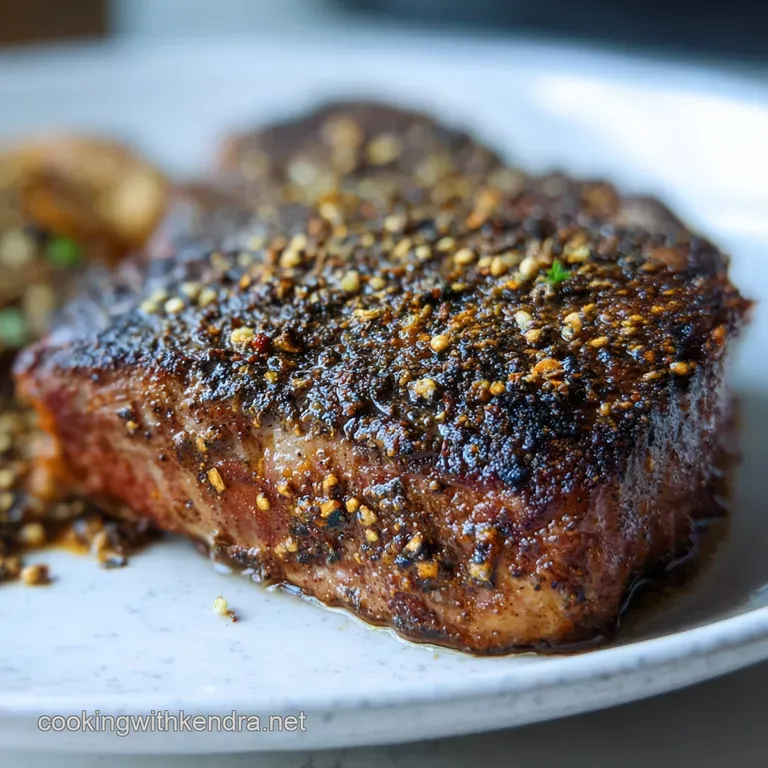
You don't need a professional kitchen or a thousand dollar grill to get that deep, mahogany crust we all crave. This specific blend of spices is designed to work with the natural fats in a ribeye or New York strip.
We're looking for that specific moment when the spices bloom in the rendering fat, creating a texture that's almost like a savory bark. Trust me on this, once you nail the ratio of salt to sugar, you'll never reach for a pre mixed bottle at the grocery store again.
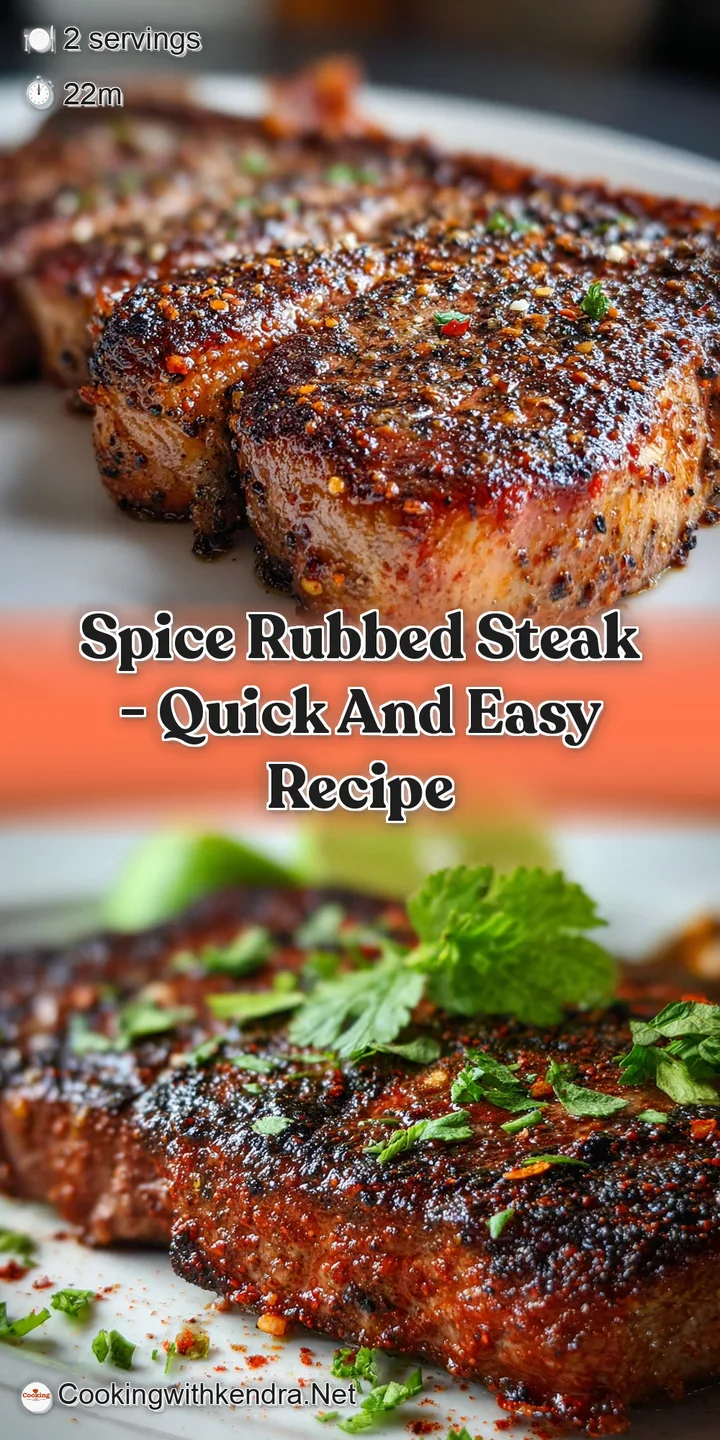
What we're aiming for here is a steak that looks rugged on the outside but stays velvety and crimson on the inside. It’s about managing the heat so the spices toast rather than scorch.
My family actually prefers this over a plain salted steak now because every bite has a little bit of kick and a whole lot of soul. It's comfort food that feels a little bit fancy, even if you’re eating it in your pajamas on a Tuesday.
The Chemistry of the Crust
The Maillard Reaction: The dark brown sugar reacts with the beef proteins and heat to create hundreds of new flavor compounds. This process, combined with the smoked paprika, builds a complex profile that tastes much more expensive than it actually is.
Osmotic Pressure: Salt draws moisture out of the steak, dissolves into a brine, and is then reabsorbed back into the muscle fibers. This seasons the meat deeply while the surface stays dry enough to achieve a legendary sear.
Fat Soluble Flavor: Compounds in cumin and chili powder are fat soluble, meaning they need the rendering beef fat to fully "unlock" their aromatic potential. This prevents the spices from tasting "raw" or gritty on the tongue.
| Thickness | Target Temp | Rest Time | Visual Cue |
|---|---|---|---|
| 1 inch | 135°F (Med Rare) | 5 mins | Warm pink center |
| 1.5 inches | 135°F (Med Rare) | 8 mins | Deep red center |
| 2 inches | 135°F (Med Rare) | 10 mins | Very juicy, red center |
The resting period is non negotiable for this recipe. If you cut into that steak the second it leaves the pan, you'll lose all the work the salt did to keep those juices tucked inside the fibers.
Component Analysis for Better Beef
| Ingredient | Science Role | Pro Secret |
|---|---|---|
| Kosher Salt | Protein Denaturant | Use coarse grains for better surface area coverage |
| Smoked Paprika | Color and Depth | High oil content helps create a thicker crust |
| Dark Brown Sugar | Caramelization | The molasses content adds a deeper, earthy sweetness |
| Avocado Oil | Heat Transfer | Its high smoke point prevents the rub from burning |
For those looking for a different kind of comfort, similar flavor profiles appear in my Salisbury Steak is recipe which uses a rich gravy to complement the beef.
Selecting Your Elements
- 2 (12 oz) Ribeye or New York Strip Steaks: 1.5 inches thick. Why this? Thick cuts allow the crust to form without overcooking the inside.
- 2 tbsp Smoked Paprika: Why this? Provides the "charred" flavor without a grill.
- 1 tbsp Garlic Powder: Why this? Distributes flavor more evenly than fresh garlic in a over high heat rub.
- 1 tbsp Onion Powder: Why this? Adds savory depth and helps the rub stick.
- 1 tsp Cumin: Why this? Adds an earthy, nutty undertone.
- 1 tsp Chili Powder: Why this? Provides a mild, background heat.
- 1 tsp Dark Brown Sugar: Why this? Essential for the Maillard reaction and crust color.
- 2 tsp Kosher Salt: Why this? Essential for juice retention and flavor.
- 1 tsp Freshly Cracked Black Pepper: Why this? Adds a sharp, pungent bite.
- 1 tbsp Avocado oil: Why this? High smoke point (520°F) is vital for searing.
| Original Ingredient | Substitute | Why It Works |
|---|---|---|
| Smoked Paprika | Liquid Smoke + Sweet Paprika | Note: Use only 1 drop of liquid smoke; it's very potent |
| Dark Brown Sugar | Coconut Sugar | Similar caramelization point but slightly less sweet |
| Avocado Oil | Ghee (Clarified Butter) | High smoke point with a rich, buttery finish |
| Ribeye | Chuck Eye Steak | Similar fat content to ribeye but much more budget friendly |
If you are debating between different cuts of meat, checking out a guide like Hanger Steak vs recipe can help you understand how different grains and fat contents react to over high heat seasonings.
Essential Gear for the Sear
To get that shatter crisp crust on your Spice Rubbed Steak, a heavy bottomed pan is your best friend. I swear by a 12 inch cast iron skillet. Cast iron holds heat better than stainless steel, meaning when you drop a cold piece of meat onto the surface, the temperature doesn't plummet.
This ensures the spices sear immediately instead of steaming.
You'll also need a reliable instant read thermometer. Since the spice rub creates a dark exterior quickly, you can't rely on "eye balling" the doneness. A thermometer takes the guesswork out and prevents you from serving a dry, overdone steak to your family.
step-by-step Walkthrough
- Remove the steaks from the fridge 30 minutes before cooking. Note: This ensures even cooking throughout the center.
- Pat the meat completely dry with paper towels. Note: Moisture is the enemy of a good sear.
- Whisk the smoked paprika, garlic powder, onion powder, cumin, chili powder, brown sugar, salt, and pepper in a small bowl.
- Coat both sides of the steaks generously with the spice mixture, pressing it firmly into the meat.
- Heat the avocado oil in a cast iron skillet over medium high heat until the oil shimmers and barely wisps smoke.
- Place the steaks in the pan carefully, laying them away from you to avoid splashes.
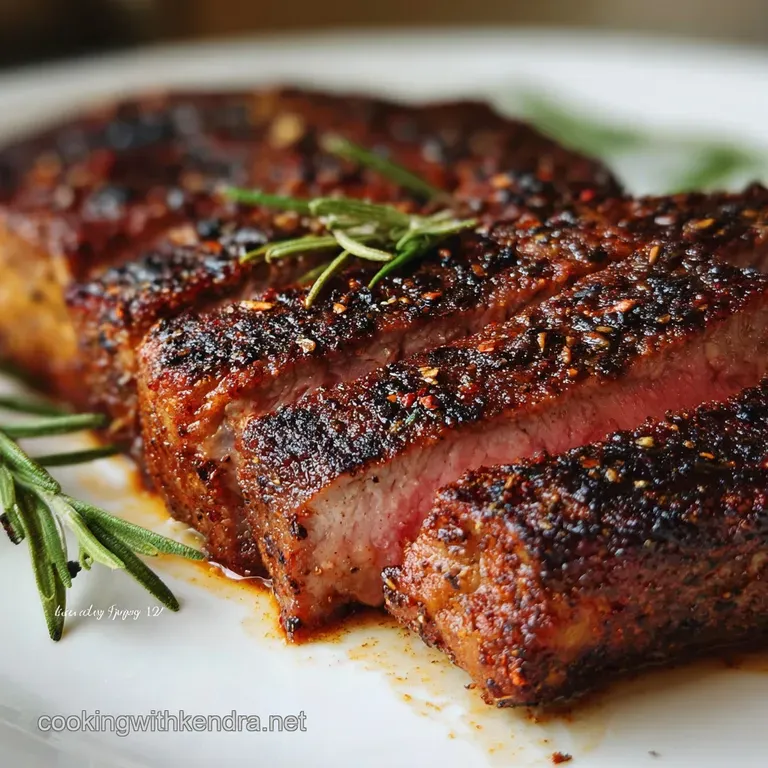
- Sear for 4 to 5 minutes without moving them until a dark, craggy crust forms.
- Flip the steaks and cook for another 4 to 6 minutes until the internal temperature reaches 135°F.
- Transfer the beef to a cutting board or warm plate.
- Rest the meat for at least 8 minutes until the juices redistribute within the fibers.
| Method | Time | Texture | Best For |
|---|---|---|---|
| Stovetop (Cast Iron) | 12 mins | Maximum crust, very even | Thick ribeyes |
| Oven (Broil) | 8-10 mins | Charred edges, less mess | Thinner strips |
| Outdoor Grill | 10 mins | Smoky, flame kissed | Summer entertaining |
If you find that you've got a lot of rub left over, don't throw it away. You can use it on roasted potatoes or even cauliflower to keep that theme going through the whole meal.
Fixes for Common Issues
Rub Scorching and Tasting Bitter
This usually happens when the pan is too hot or the brown sugar content is too high for the length of time you're cooking. If you see the spices turning black and smelling like burnt toast, turn the heat down immediately and add a small knob of butter to the pan to help regulate the temperature.
Spices Falling Off the Meat
If the rub isn't sticking, the steak was likely too wet. Even if the meat looks dry, it often has surface moisture that creates a barrier. Another culprit is not pressing the spices in. You really have to use the palm of your hand to "anchor" that rub into the muscle fibers.
Steak Grey and Not Crusted
This is the result of "steaming" rather than searing. It happens if the pan wasn't hot enough when the meat was added, or if you overcrowded the pan. Cook one steak at a time if your skillet isn't large enough to leave at least an inch of space around each piece.
| Problem | Root Cause | Solution |
|---|---|---|
| Spices taste raw | Under toasted rub | Increase heat slightly or press into meat better |
| Meat is dry | Overcooked or no rest | Pull at 130°F and rest for a full 8 minutes |
| No crust formation | Surface moisture | Pat dry with multiple paper towels before rubbing |
- ✓ Pat the meat bone dry with paper towels before applying the rub.
- ✓ Press the spices firmly into the meat with your palms to ensure contact.
- ✓ Let the pan heat for at least 3-4 minutes before adding the oil.
- ✓ Use an oil with a high smoke point to avoid off flavors from burnt oil.
- ✓ Never crowd the pan; work in batches if necessary for heat retention.
Smarter Swaps and Flavor Tweaks
If you're cooking for a smaller crowd, you can easily halve this recipe. For a single steak, use half of each spice measurement. If you find yourself needing to feed a larger group, don't just double the salt and chili powder blindly. Spices can become overwhelming in large batches.
I recommend doubling the base spices (paprika, garlic, onion) but only increasing the salt and chili powder by 1.5 times to keep the flavors balanced.
For those who want to use this on a larger cut like a tri tip, the stovetop only method won't work. You'll want to sear the tri tip in the skillet first to set the crust, then transfer the whole pan into a 350°F oven to finish cooking.
This prevents the outside spices from burning while the thick interior reaches the proper temperature.
Storing and Reheating Your Leftovers
Steak is best served fresh, but if you have leftovers, they make an incredible salad topper the next day. Store cooked steak in an airtight container in the fridge for up to 3 days.
To keep the crust from getting soggy, avoid wrapping it tightly in foil while it's still warm, as the steam will soften those lovely charred bits.
When reheating, avoid the microwave at all costs. It will turn your beautiful medium rare steak into a rubbery piece of leather. Instead, place the steak in a 250°F oven for about 10 to 15 minutes. This gentle heat warms the meat through without overcooking it.
If you want to revive the crust, give it a quick 30 second flash sear in a hot pan with a drop of oil just before serving.
For zero waste, save any fat and leftover spices from the pan. You can toss roasted carrots or even popcorn in the leftover "red oil" for a massive flavor boost. The bones from a ribeye can also be frozen and thrown into your next batch of beef stock.
Better Ways to Flavor
A spice rub doesn't mean you have to skip the sauces. In fact, a creamy element can provide a beautiful contrast to the sharp, smoky spices of the rub. I often serve this with a side of Horseradish Sauce recipe because the heat of the horseradish cuts through the richness of the ribeye fat perfectly.
Another myth I want to clear up is the idea that you should salt your steak hours in advance for a rub like this. While that works for a plain steak, doing it with a spice rub can sometimes create a "cured" texture that feels more like ham than steak.
For the best results with this specific blend, apply the rub and cook it within 20 minutes.
Finally,, don't worry about the sugar making the steak sweet. It's there for the science of the sear, not to make it taste like dessert. The savory spices and the salt will always be the stars of the show, while the sugar just helps them perform their best.
Enjoy your kitchen time and don't be afraid to get a little smoke in the air that's just the smell of a good dinner happening.
Very High in Sodium
2360 mg mg of sodium per serving (103% % of daily value)
The American Heart Association recommends limiting sodium intake to no more than 2,300mg per day for most adults. This recipe exceeds that limit significantly.
Tips to Reduce Sodium in Your Steak Recipe
-
Reduce Salt by Half-25%
Cut the Kosher salt in half, using only 1 tsp instead of 2 tsp. This is the most impactful change.
-
Eliminate Salt Completely-25%
Experiment with removing the Kosher salt entirely from the recipe. You might be surprised how flavorful the steak remains with the other spices.
-
Fresh Spices Boost-10%
Enhance the flavor with fresh herbs like rosemary or thyme. These add depth without adding sodium, and can help compensate for reduced salt.
-
Fresh Over Powder-10%
Use fresh garlic and onion instead of garlic and onion powder. The fresh ingredients contain much less sodium.
-
Omit the Sugar
Consider omitting the dark brown sugar. While it adds a subtle sweetness, it doesn't significantly contribute to the overall flavor profile and won't affect the overall sodium content.
Recipe FAQs
What are the primary spices included in a high heat steak rub?
A standard high heat rub features paprika, garlic powder, onion powder, cumin, chili powder, brown sugar, salt, and black pepper. The dark brown sugar is crucial as it aids in rapid caramelization via the Maillard reaction, creating the signature dark crust.
The ratio of savory spices to the sugar must be balanced so the crust toasts rather than scorches.
What is the 3 3 3 3 rule for steaks?
The 3 3 3 3 rule is not standard for a spice rubbed steak cooked on the stovetop. This rule usually refers to grilling times (3 minutes per side, flipping three times, etc.) or temperature checks, which can lead to overcooking with this intense searing method.
Rely on your internal thermometer reading to achieve precise doneness instead.
How long should you let a dry rub sit on a steak before cooking?
Apply the rub and cook within 20 minutes for best results with this specific recipe. While salting steak hours ahead works for plain seasoning, a heavy spice rub with sugar can start to cure the meat if left too long, changing the intended texture.
If you are cooking a larger cut, like a tri tip, the initial sear is the key step before moving it to the oven.
Should you rub the seasoning firmly into the steak surface?
Yes, press the spices firmly into the meat using the palm of your hand. You need to ensure maximum surface contact between the spices and the beef fibers to prevent the rub from falling off during the sear. If you enjoyed mastering the stability of this rub, see how the same principle of forceful integration applies to creating a stable emulsion in our Velvety Beurre Rouge recipe.
What temperature should the pan be before adding the spice rubbed steak?
Heat the oil in your cast iron skillet until it shimmers and just begins to smoke lightly. This high initial heat is non-negotiable because it immediately activates the Maillard reaction, creating the crust before the interior has time to overcook.
If the pan is too cool, the steak will steam, resulting in a grey, soggy exterior instead of a rich sear.
Is it necessary to rest a spice rubbed steak after searing?
Yes, resting the steak for a minimum of 8 minutes is absolutely necessary. During the high heat sear, the muscle fibers contract and push the juices toward the center; resting allows those fibers to relax and redistribute the moisture evenly.
If you cut it too soon, all the accumulated juices will pour out onto the board, leaving the steak dry.
Can I substitute smoked paprika with regular paprika?
No, you should not substitute smoked paprika with plain paprika if you want the characteristic flavor. Smoked paprika provides the essential deep, charred flavor that mimics a grill or smoker, which is a key component of this recipe. If you were seeking a similar depth of flavor in a wet preparation, consider how we build savory notes in our Bordelaise Sauce recipe.
Spice Rubbed Steak Recipe
Ingredients:
Instructions:
Nutrition Facts:
| Calories | 945 kcal |
|---|---|
| Protein | 74g |
| Fat | 71g |
| Carbs | 7.2g |
| Fiber | 1.8g |
| Sugar | 2.8g |
| Sodium | 2360mg |
