The Ultimate Fall-Apart Corned Beef Brisket
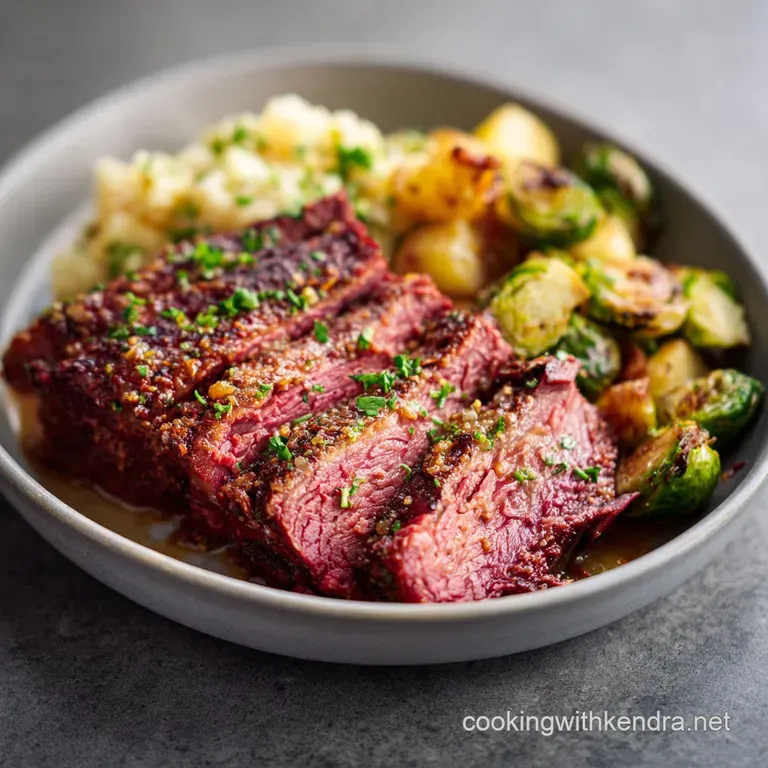
- Time: Active 20 minutes, Passive 210 minutes, Total 230 minutes
- Flavor/Texture Hook: Silky, salt savory beef with buttery vegetables
- Perfect for: St. Patrick’s Day or a comforting Sunday family dinner
- Complete Guide on How to Cook Corned Beef
- The Physics of a Low Simmer
- Essential Brisket and Spice Selections
- Basic Kitchen Tools for Success
- Mastering the Slow Braise Steps
- Solving Common Texture Problems
- Simple Dietary and Flavor Adjustments
- Debunking Braising Myths
- Safe Storage and Leftover Ideas
- Best Serving and Plating Methods
- CRITICAL: Very High in Sodium
- Recipe FAQs
- 📝 Recipe Card
Complete Guide on How to Cook Corned Beef
Have you ever wondered why corned beef is so pink even after hours in a pot? It’s not just a quirk of the kitchen; it’s actually a bit of a historical mystery involving large grains of salt the "corns" used to preserve the meat long before we had refrigerators.
I remember the first time I tried to make this for my family; I treated it like a regular pot roast and ended up with something that tasted like a salt lick. It was a disaster, but it taught me that this meat requires a specific kind of patience.
When you pull that brisket out of its vacuum sealed bag, the aroma is intense it’s vinegary, salty, and heavy with spices like mustard seed and bay leaf. But the real magic happens about two hours into the simmer.
The kitchen starts to smell like a cozy Irish pub, even if you’re just in a suburban kitchen on a Tuesday. This recipe is designed for the busy home cook who wants that traditional "melt in-your mouth" texture without having to hover over the stove all afternoon.
We are going to walk through every step of this corned beef and cabbage recipe, from the initial rinse to the final rest. You’ll learn how to tame the saltiness and why a "barely there" bubble is the difference between a tender slice and a rubbery mess.
Whether you are looking for the best corned beef recipe for a holiday or just want a solid meal for the week, I’ve got you covered with the tricks I’ve learned through years of trial and error.
The Physics of a Low Simmer
The secret to a tender brisket isn't just time; it's the specific way heat interacts with the muscle fibers over those 210 minutes.
- Collagen Conversion: At temperatures around 190°F (88°C), tough connective tissue slowly melts into gelatin, creating a velvety mouthfeel.
- Osmotic Balance: Soaking the meat in fresh water before cooking draws out excess surface salt through a process of diffusion, preventing a salt saturated broth.
- Fiber Relaxation: Maintaining a very gentle simmer prevents the muscle proteins from tightening up and squeezing out all their moisture like a wrung out sponge.
- Acid Interaction: The carbonation and slight acidity in the stout beer help to subtly break down surface proteins while adding a layer of complex flavor.
| Method | Total Time | Texture Result | Best For |
|---|---|---|---|
| Stovetop Simmer | 3 hours 50 mins | Maximum tenderness | Total control over heat |
| Oven Braise | 4 hours | Deeply browned top | Hands off consistency |
| Slow Cooker | 8-10 hours | Shred apart soft | Set and forget convenience |
Every home cook has a favorite vessel, but for this specific corned beef brisket recipe, the stovetop gives you the most control over that crucial "barely there" bubble.
If you decide to try an oven baked corned beef, keep the temperature at a steady 325°F (160°C) and ensure the lid is sealed tight to prevent the liquid from evaporating.
| Ingredient | Science Role | Pro Secret |
|---|---|---|
| Beef Brisket | Provides structure and fat | Choose "point cut" for more fat and flavor, or "flat cut" for neat slices. |
| Stout Beer | Enzyme breakdown | The malty sugar balances the salt of the brine perfectly. |
| Yellow Onion | Flavor foundation | Leave the skins on for a deeper, golden color in your finished broth. |
| Fresh Thyme | Aromatic lift | Crushing the sprigs slightly before adding them releases oils faster into the cold water. |
Using a stout or amber ale is a classic trick for corned beef recipes for beginners. The bitterness of the hops and the sweetness of the malt create a flavor profile that water alone just can't touch.
If you’re worried about the alcohol, don't be it mostly cooks off, leaving behind a rich, savory essence that makes the potatoes taste incredible.
Essential Brisket and Spice Selections
To make this easy corned beef recipe, you will need to gather these specific items. I always recommend checking the spice packet included with your meat; sometimes it’s tucked underneath the brisket in the packaging!
- 4 lb (1.8 kg) corned beef brisket: Look for a piece with a nice fat cap on top. Why this? The fat melts down during the long braise, basting the meat from within.
- 1 spice packet: Usually contains mustard seeds, peppercorns, and bay leaves. Why this? It provides that essential, nostalgic pickled flavor profile.
- 1 large yellow onion: Quartered. Why this? Provides a sweet, savory aromatic base for the liquid.
- 4 cloves garlic: Smashed. Why this? Smashing releases allicin, which infuses the broth much better than whole cloves.
- 2 sprigs fresh thyme: Whole. Why this? Adds a bright, earthy note to balance the heavy, salty meat.
- 12 oz (355 ml) stout or amber ale: Use a quality local brew if you can. Why this? The maltiness cuts through the salt and adds a dark, rich color.
- 1 lb (450 g) baby potatoes: Keep them whole to prevent them from falling apart. Why this? They absorb the seasoned braising liquid like little flavor sponges.
- 4 large carrots: Peeled and cut into 3 inch (7.5 cm) batons. Why this? Thick cuts stand up to the long cooking time without becoming mushy.
- 1 head green cabbage: Cut into 8 thick wedges. Why this? It’s the traditional pairing that provides a sweet, soft contrast to the beef.
If you want to swap things out, here is a quick guide to help you stay on track without ruining the dish.
| Original Ingredient | Substitute | Why It Works |
|---|---|---|
| Stout/Amber Ale | Beef Broth (low sodium) | Provides a savory liquid base without the malt notes. |
| Yellow Onion | Leeks | Adds a milder, more buttery onion flavor. |
| Baby Potatoes | Quartered Russets | Starchy and absorbent, though they may break down more. |
| Fresh Thyme | Dried Thyme (1 tsp) | Concentrated herbal flavor; use less as it's more potent. |
For a different flavor profile entirely, some people love an instant pot corned beef method, which speeds things up significantly. However, even if you change the method, the ingredient quality remains the most important factor for a successful family meal.
Basic Kitchen Tools for Success
You don't need a pantry full of gadgets for this. A heavy bottomed Dutch oven (like a Le Creuset or Lodge) is your best friend here because it holds heat so steadily. If you don't have one, a large, thick stockpot will work just fine.
You’ll also need a sharp carving knife trust me, a dull knife will shred this tender meat rather than slicing it.
I once tried to slice a brisket with a serrated bread knife in a pinch, and it looked like I’d put the meat through a woodchipper. A long, smooth blade is the way to go. You also want a pair of sturdy tongs to move the meat; it gets heavy once it's saturated with liquid, and the last thing you want is a 4 pound splash back of hot broth.
Mastering the Slow Braise Steps
- Prep the meat. Remove the brisket from its packaging and throw away the original brine. Rinse it thoroughly under cold running water to get rid of that excess surface salt.
- The salt soak. Place the rinsed brisket in a bowl of fresh cold water for 30 minutes. Note: This is a vital step for a family friendly salt level.
- Arrange the pot. Place the meat in your Dutch oven. Toss in the spice packet, quartered onion, smashed garlic, and those thyme sprigs.
- Add liquids. Pour the 12 oz (355 ml) of stout over the beef, then add enough cold water so the meat is submerged by at least one inch (2.5 cm).
- Start the simmer. Bring the pot to a very gentle simmer over medium high heat. Watch for the first bubbles.
- Lower the heat. As soon as it simmers, drop the heat to low. You want a "barely there" bubble (about 190°F/88°C) and put the lid on tight.
- The long braise. Let it cook for 3 to 3.5 hours. Until the meat is tender when pierced with a fork.
- Add the roots. In the last 45 minutes, nestle the potatoes and carrots around the meat in the liquid.
- Finish with greens. In the final 15 minutes, tuck the cabbage wedges into the broth. Until the cabbage is bright and tender.
- The essential rest. Take the brisket out and let it sit on a cutting board for 15 minutes. Note: Skipping this makes the meat dry out instantly when sliced.
- The final cut. Slice the beef thin and perpendicular (against the grain). Serve it up with the vegetables and a ladle of that rich broth.
Solving Common Texture Problems
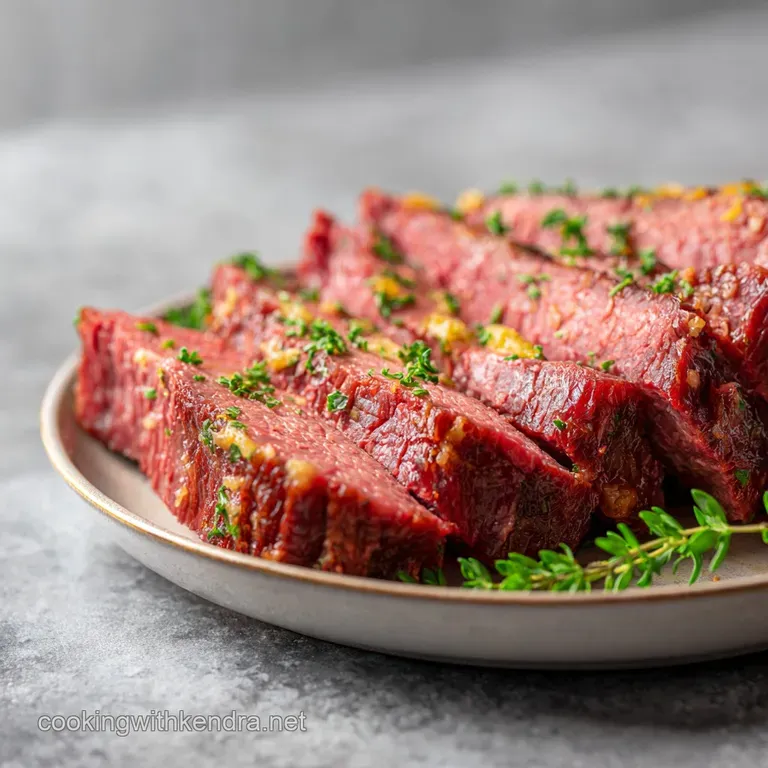
One of the most frustrating things is waiting nearly four hours only to find your meat is still "tough as boots." Usually, this just means it needs more time, not more heat!
The Meat is Tough and Chewy
If your fork doesn't slide into the beef like it’s butter, it simply hasn't cooked long enough for the collagen to break down. Brisket is a very hardworking muscle, and it only yields when it's ready.
If you've been simmering for 3 hours and it's still firm, give it another 30 minutes.
The Dish is Overwhelmingly Salty
This usually happens if you skipped the rinse and soak step. If you find the broth is too salty midway through, you can remove half the liquid and replace it with fresh water. You might lose a bit of the beer flavor, but it’s better than a meal you can't eat.
| Problem | Root Cause | Solution |
|---|---|---|
| Grey/Dull Meat | Oxygen exposure | Keep the meat fully submerged during the entire cook. |
| Crumbling Slices | Slicing with the grain | Always cut against the grain to shorten the muscle fibers. |
| Bitter Broth | Burnt spices/beer | Ensure the heat stays at a simmer, never a rolling boil. |
If you find your broth is still a bit thin after all that work, you can actually use a Beef Gravy recipe as a base to turn some of that liquid into a thicker sauce, though traditionally, the thin "pot liquor" is what most families prefer.
Common Mistakes Checklist
- ✓ Rinsing the meat is non negotiable; that packing brine is purely for preservation, not flavor.
- ✓ Never let the pot reach a rolling boil; high heat turns the proteins into rubber.
- ✓ Keep the lid on; if the liquid evaporates and the meat is exposed to air, it will toughen up.
- ✓ Check the "grain" of the meat before it's fully cooked and soft; it’s easier to see the direction of the fibers when the meat is raw.
- ✓ Let it rest! 15 minutes feels like forever when you're hungry, but it’s the difference between juicy and dry.
Simple Dietary and Flavor Adjustments
If you are cooking for a crowd with different needs, don't worry. This recipe is surprisingly flexible. For a keto/low carb swap, simply ditch the potatoes and add more cabbage or even some radishes, which take on a potato like texture when braised.
When scaling this recipe down for two people, you can use a 2 lb (0.9 kg) brisket. You’ll want to reduce the cook time by about 20%, but keep an eye on it smaller cuts can actually dry out faster if the heat is too high.
If you are scaling up to an 8 lb (3.6 kg) monster for a party, don't double the spices or the salt. Use about 1.5 times the aromatics and ensure you have a pot large enough to keep everything submerged. You may need to increase the cook time to 4 or 5 hours depending on the thickness of the meat.
| Servings | Meat Weight | Liquid Adjustment | Cook Time (approx) |
|---|---|---|---|
| 4 people | 2 lb (0.9 kg) | 6 oz beer, water to cover | 2.5 hours |
| 8 people | 4 lb (1.8 kg) | 12 oz beer, water to cover | 3.5 hours |
| 12 people | 6 lb (2.7 kg) | 18 oz beer, water to cover | 4.5 hours |
Debunking Braising Myths
There is a common misconception that you should sear corned beef before braising it, like you would a pot roast. Honestly, don't even bother. Searing doesn't "seal in juices," and because the meat is already cured in salt, the surface doesn't brown the same way fresh beef does.
You’ll just end up with a messy pan and no real benefit to the final texture.
Another myth is that you must use the spice packet that comes in the bag. While it's convenient, you can totally make your own blend with peppercorns, mustard seeds, coriander, and allspice. I often add a few extra cloves or a cinnamon stick if I want a warmer, deeper flavor.
Safe Storage and Leftover Ideas
Corned beef is actually one of those rare dishes that might taste better the next day. The flavors have more time to mingle, and the meat becomes even easier to slice when it's cold.
- Storage: Keep the beef and vegetables in an airtight container in the fridge for up to 4 days. I like to store the meat in a little bit of the braising liquid so it stays moist.
- Freezing: You can freeze the cooked beef for up to 3 months. Wrap it tightly in plastic wrap and then foil to prevent freezer burn.
- Zero Waste: Don't throw away those leftover scraps! Chopping them up for a how to cook corned beef hash the next morning is a family tradition in my house. You can also use small bits of leftover beef in a Stuffed Peppers recipe for a salty, savory twist on the classic.
Best Serving and Plating Methods
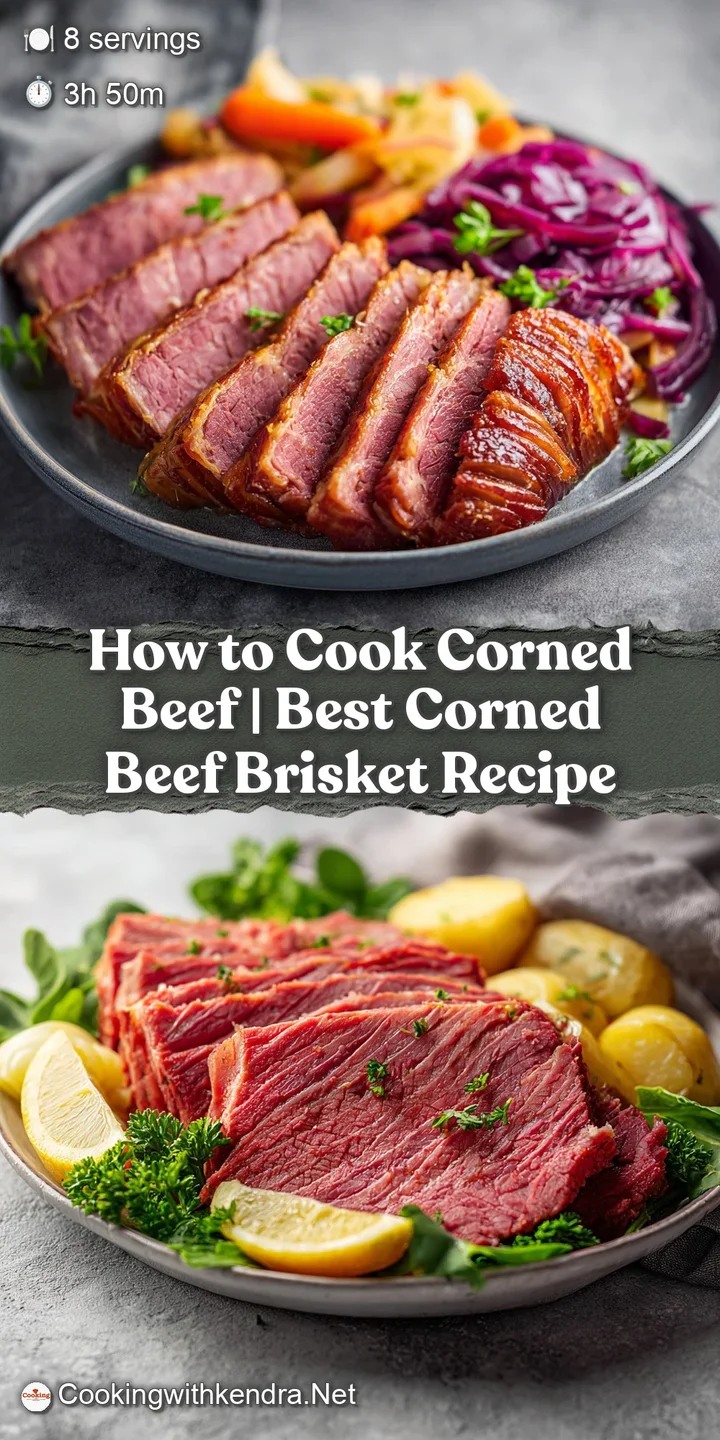
When it comes to serving, presentation is everything. I like to lay the sliced beef down the center of a large platter and surround it with the colorful carrots, potatoes, and cabbage. It looks like a rustic feast.
Make sure you have plenty of grainy mustard or creamy horseradish sauce on the table. The sharp heat of horseradish cuts through the richness of the fat and the salt of the beef perfectly.
If you have extra broth left over, serve it in a small bowl on the side so people can dip their meat or pour a little extra over their potatoes. It’s pure comfort food at its finest, and after 230 minutes of waiting, you and your family definitely deserve it!
CRITICAL: Very High in Sodium
1680 mg 1680 mg of sodium per serving (73% 73% of daily value)
The American Heart Association recommends a limit of about 2,300mg per day for most adults, ideally moving toward an ideal limit of 1,500mg per day.
Tips to Reduce Sodium in Your Corned Beef Brisket
-
Rinse the Corned Beef-25%
Rinse the corned beef brisket thoroughly under cold water before cooking. This can remove a significant amount of surface salt. Discard the rinse water.
-
Limit or Omit the Spice Packet-20%
The included spice packet is often high in sodium. Try using only half of the packet or omitting it entirely and creating your own low-sodium spice blend using herbs and spices like peppercorns, mustard seeds, and bay leaves.
-
Control Added Salt and Flavor-10%
The corned beef itself is the primary sodium source. Avoid adding any extra salt during the cooking process. Rely on the aromatics like onion, garlic, thyme, and the ale for flavor.
-
Boost Flavor with Fresh Herbs
While not directly reducing sodium, using fresh herbs like thyme, rosemary, or parsley can enhance the overall flavor profile of the dish, making it more satisfying without needing extra salt.
Recipe FAQs
What is the best method to cook corned beef?
Braise the brisket in a liquid bath. Submerging the meat in stout or amber ale and water creates a gentle, moist heat environment that breaks down tough connective tissue for ultimate tenderness.
Is corned beef ok for diabetics?
Consult your healthcare provider regarding sodium content. While the protein content is high, corned beef is cured in a salt brine, which often makes it unsuitable for those monitoring sodium intake.
Is it better to boil or bake corned beef?
Neither; use a low-temperature simmer. Boiling causes proteins to toughen, and baking often dries out the meat; if you enjoyed mastering the gentle braising technique here, you can apply similar logic to other tough cuts to maintain moisture.
Is corned beef ok for IBS?
No, it is typically discouraged. The high sodium, fat content, and curing agents can act as significant triggers for individuals with sensitive digestive tracts.
How to ensure the meat is tender?
Maintain a consistent 190°F simmer. Keeping the liquid at a "barely there" bubble prevents the fibers from seizing up, and finishing with a 15-minute rest allows the internal juices to redistribute properly.
How to slice the beef properly?
Identify the direction of the muscle fibers and cut perpendicularly. Slicing against the grain shortens the fibers, which makes each bite significantly easier to chew.
How to avoid an overly salty flavor?
Rinse the brisket thoroughly under cold running water and soak it for 30 minutes. Removing the surface salt from the storage brine is the most critical step to ensure the final dish remains palatable.
Tender Braised Corned Beef
Ingredients:
Instructions:
Nutrition Facts:
| Calories | 512 kcal |
|---|---|
| Protein | 33 g |
| Fat | 31 g |
| Carbs | 22 g |
| Fiber | 5 g |
| Sugar | 6 g |
| Sodium | 1680 mg |
