The Perfectly Managed Duck Confit Crispy Skin Tender Meat
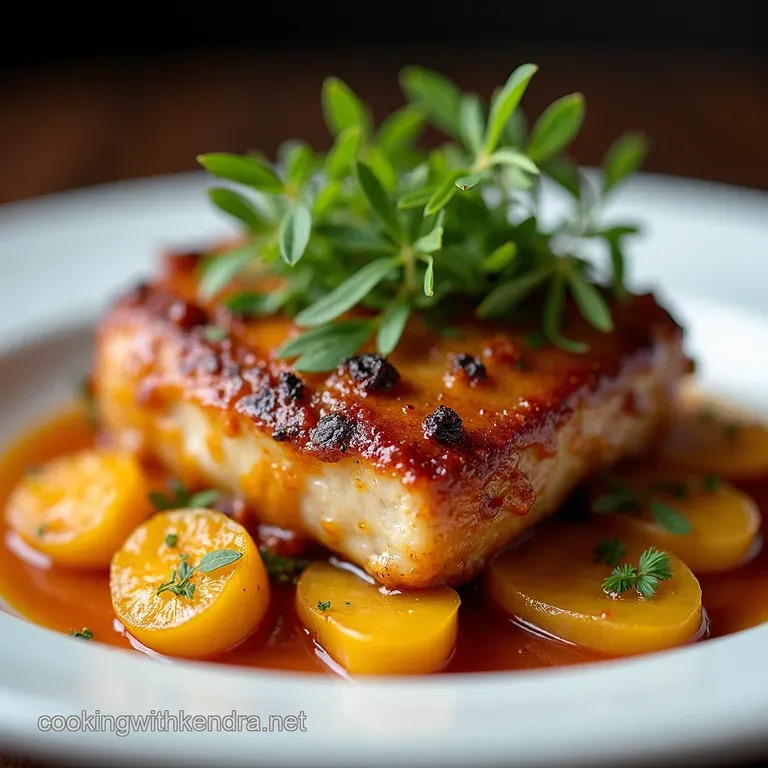
- The Perfectly Managed Duck Confit: Low-Stress, High-Impact French Bistro Classic
- Why This Technique is a Game Changer
- Your Secret Weapon for Success
- Beyond the Duck Leg
- The Essential Toolkit: Setting Up for Restaurant-Quality Duck Confit
- What You Need to Pull Off This Foolproof French Bistro Technique
- Essential Gear for Meticulous Heat Management
- Prepping for Perfection: Managing the Cure and the Gear
- Slow and Steady Wins the Race: Controlled Cooking
- Pro Tips: Crisp Finish and Liquid Gold
- Making the Magic Last: The Ultimate Confit Notes
- Frequently Asked Questions
- 📝 Recipe Card
The Perfectly Managed Duck Confit: Low-Stress, High Impact French Bistro Classic
Oh my gosh, have you ever wanted to cook something ridiculously fancy that looks like you spent hours sweating in the kitchen? But secretly, you just sat on the sofa watching telly? That’s exactly where Restaurant quality duck confit comes in.
This recipe is not about frantic, complex cooking. It is about being brilliantly organized. The result is the most melting, savoury meat with that iconic, achieving shatteringly crisp duck skin .
Honestly, the hardest part is actually waiting! The whole process is carefully managed through time and temperature.
Why This Technique is a Game Changer
Duck confit is a fantastic, foolproof French bistro technique . It actually started centuries ago as a simple way of preserving duck legs in rendered fat .
While the final flavour is incredible, the ingredient list is surprisingly short. You need to be patient, though. This dish demands careful planning and meticulous heat management , not speed.
We are talking about 40 minutes of active prep time, tops. The rest is waiting 24 to 48 hours for the essential duck confit curing process .
Then, it’s just 3 hours of glorious, hands off slow cooking submerged in duck fat . This low and slow method transforms tough duck leg muscle into pure buttery tenderness.
Your Secret Weapon for Success
The biggest benefit of mastering this is instantly looking like a culinary genius. This is perfect for replacing a traditional Sunday roast or pulling out a spectacular Christmas Eve treat.
Plus, did you know duck fat is actually full of heart healthy monounsaturated fats? It’s rich, but in a good way, you know?
The key to keeping this whole process stress free is embracing precise low-temperature cooking . You absolutely need a reliable digital probe thermometer essential for success.
When I first tried this, I was genuinely terrified I’d accidentally deep fry the duck! But I quickly learned that keeping that fat bath between 185° F and 200° F ( 85° C and 93° C) makes it truly unbreakable.
Beyond the Duck Leg
Once you taste that melting meat, any fear you had of handling rendered fat will vanish. And here is the best bit: you’ll be left with a huge pot of liquid gold! This reserved fat is perfect for the side dish: the classic Pommes de Terre Sarladaises recipe .
This dish is decadent, impressive, and surprisingly simple once you understand the basic rules of temperature. Ready to dive into this French culinary project? Let’s grab the few simple things we need and get started on that cure!
The Essential Toolkit: Setting Up for Restaurant Quality Duck Confit
This isn't about expensive gizmos. It's about precision. For a process that relies on precise low-temperature cooking , your ingredients and gear need to be spot on.
Honestly, the prep is the easiest part. Once you've got this right, the oven does all the heavy lifting.
What You Need to Pull Off This Foolproof French Bistro Technique
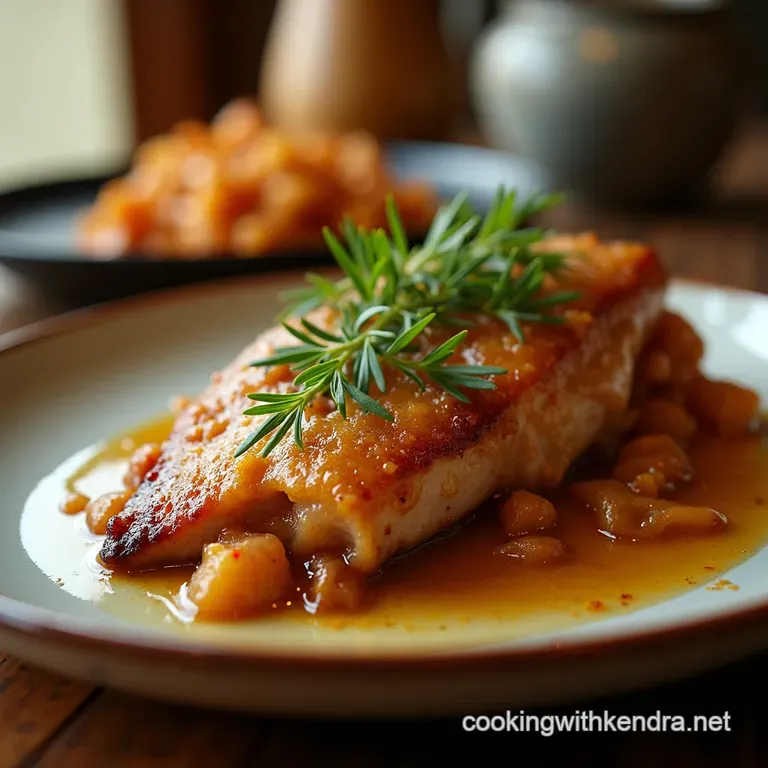
The Heart of the Meal: Duck & Fat
You’re starting with four beautiful duck legs. They need to be bone-in and skin-on. Try to get them locally if you can.
Quality really matters here. I remember once trying to confit frozen legs I bought on a whim. Total disaster. They never quite tasted the same.
Next up, the fat. You need the good stuff: rendered duck fat . Approximately 4 cups (1 kg) . Yes, it sounds like a lot.
That’s the secret! The legs must be completely submerged for slow cooking submerged in duck fat . This process is key for preserving duck legs in rendered fat and creating that buttery texture we all crave.
The Duck Confit Curing Process : Salt & Herbs
Our seasoning list is simple, but powerful. The cure isn’t just for flavour; it’s a vital prep step. Use Kosher Salt (1/4 cup / 60 grams) and fresh thyme.
The salt draws out moisture. This flavour foundation is carefully managed to ensure the meat is seasoned perfectly, never salty, before it hits the fat bath.
This careful blend transforms the raw meat. Fun fact: The curing process is so effective at preserving, people have been using this method for centuries, way before refrigerators were even invented!
Essential Gear for Meticulous Heat Management
Forget the complicated gadgets, but you need one non-negotiable item.
The Digital Life Saver
You absolutely, positively need a Digital probe thermometer essential for this recipe. Seriously. Don't skip this. Your oven dial might lie to you, especially at low temperatures.
When I first attempted confit, I didn't use one, and my fat got too hot it fried the duck instead of confiting it.
The result was dry and tough. Lesson learned!
You must keep the fat between 185° F and 200° F ( 85° C and 93° C) . The probe guarantees this meticulous heat management .
The Heavy Hitter & Finishing Touches
Grab your heavy bottomed Dutch oven. It’s perfect for the low, slow cook because it holds heat so consistently. After the low-temperature bath, you’ll need a wire rack and baking sheet for cooling.
Oh, and a quick tip: once you’ve finished cooking, save every drop of that beautiful fat! It's the absolute best ingredient for cooking your side dish, like making perfect Pommes de Terre Sarladaises recipe potatoes fried in the gold standard of fat.
That’s how you complete the journey to achieving shatteringly crisp duck skin and a full French feast!
Prepping for Perfection: Managing the Cure and the Gear
Honestly, when I first heard of duck confit , I thought, "That sounds like something only a French granny or a Michelin chef could pull off.
" But trust me, once you break it down, it’s actually a foolproof French bistro technique that is mostly just waiting around.
Our goal here is achieving that amazing restaurant quality duck confit right in your own kitchen.
Getting Organised: The Essential Cure
The single most critical step happens before the oven even turns on: the duck confit curing process . You start by mixing up salt, sugar, and your herbs.
This mixture needs to be heavily massaged into the four duck legs. This isn't just seasoning, this is survival. The salt pulls out moisture, which concentrates the flavour and preps the skin for later crispiness.
Cover them up and stick them in the fridge for at least 24 hours .
When the time is up, you absolutely must rinse off every single grain of that cure mixture. Then, pat them completely, totally bone dry.
If they are even slightly damp, you can kiss that achieving shatteringly crisp duck skin goodbye.
Slow and Steady Wins the Race: Controlled Cooking
This is where your oven becomes less a baking machine and more a hot-holding bath. Preheat the oven to a super low 200° F ( 93° C) .
Gently melt your duck fat in a deep dish you need enough to completely submerge the legs. This is the slow cooking submerged in duck fat stage.
Meticulous Heat Management is Key
We are aiming for true precise low-temperature cooking . This means the fat temperature must stay between 185° F and 200° F ( 85° C and 93° C) .
Oh my gosh, I can’t stress this enough: your oven dial is probably lying to you. This is why a digital probe thermometer essential is non-negotiable.
Stick the probe right into the fat (don't touch the meat).
Cook the legs for 2.5 to 3 hours . I promise, the meat will become unbelievably meltingly tender. I had to adjust my oven about halfway through the first time to keep the temp steady, but once I figured out how it needed to be managed , it was smooth sailing.
This meticulous heat management is everything.
Pro Tips: Crisp Finish and Liquid Gold
Once the legs are ready, carefully lift them out. If you aren't eating them immediately, put them in a container, cover them completely with the strained fat, and refrigerate.
This is preserving duck legs in rendered fat , and it makes the flavour even deeper after a couple of days.
To serve, you need that crunch. Scrape off the fat and heat a skillet with a tablespoon of the reserved fat.
Place the legs skin side down. Cook for 10 to 15 minutes until the skin is beautifully golden and shatteringly crisp .
And whatever you do, save that leftover fat! It’s liquid gold. Use it to make the classic side dish, the divine Pommes de Terre Sarladaises recipe . You won't regret it.
Making the Magic Last: The Ultimate Confit Notes
So, you’ve nailed the slow cooking submerged in duck fat part, and your kitchen smells like the best French bistro.
Oh my gosh, I bet those duck legs look amazing! Getting that restaurant quality duck confit finish is actually the easiest bit.
Now let’s talk about how to serve, save, and tweak this perfect dinner.
Serving Suggestions: Sides and Sparkle
Presentation should be simple, letting the duck be the star. The key here is contrast. That richness you created needs something sharp and acidic to cut through it.
I always serve mine on a big white plate with a dark green side.
But listen up, you absolutely cannot skip the potatoes. Using that reserved, solidified duck fat to roast some little spuds is mandatory.
You’ll be creating the classic side dish: the famous Pommes de Terre Sarladaises recipe . Seriously, this elevates the meal to pure heaven.
Pair it with a simple frisée salad dressed with a sharp Dijon vinaigrette. It’s the definition of a foolproof French bistro technique .
Storing Your Liquid Gold
This recipe is a marvel because it lasts ages! It’s designed around preserving duck legs in rendered fat . Once the legs are cooked, let them cool a little.
Then, strain the fat and pour it over the legs in an airtight container until they are totally covered. That fat acts like a natural seal, locking out oxygen.
They'll stay happily in your fridge for up to two weeks. To reheat, just pull out a leg, scrape off the solid fat (save that fat!), and place it skin side down in a hot skillet.
It’s that simple. You just need to carefully manage the heat while crisping.
Swaps, Adaptations, and Health Basics
If you need a low-sodium version, you can reduce the salt in the initial duck confit curing process , but be aware that the texture won't be quite as firm.
For seasonality, try adding a few juniper berries or a strip of orange zest to the fat while they cook in the oven.
It adds a subtle winter flavour that’s fantastic.
Honestly, this is a decadent dish. It's meant to be rich! But the good news is that because of the precise low-temperature cooking , the meat stays unbelievably juicy.
The meticulous heat management we used ensures we retained moisture, which means less shrinkage and better flavour.
Remember that a digital probe thermometer essential for keeping that fat temperature right. You need that achieving shatteringly crisp duck skin result, not a rubbery one.
It’s high in protein and high in flavour. Enjoy every single bite without guilt!
Go forth and enjoy the fruits of your slow labour. You managed a truly spectacular French classic. Bravo!

Frequently Asked Questions
I'm worried about getting the temperature right. How do I keep my confit "managed" and avoid drying out the duck?
Temperature management is the crux of a successful confit, and honestly, it’s not as scary as it sounds! The key is to never let the fat boil or bubble vigorously; if it does, you're frying, not confiting, and the duck will seize up.
You must use a digital thermometer to keep the fat consistently between 185°F and 200°F (85°C and 93°C). If your oven runs hot, simply prop the door open slightly with the end of a wooden spoon it sounds Heath Robinson, but it works a treat to regulate the heat.
I want that proper crunchy skin! What's the secret to getting a shatteringly crisp finish like the restaurants do?
The secret weapon here is dryness, mate. After you rinse the cure off, ensure the duck legs are absolutely bone dry before they go into the fat any residual moisture will steam the skin.
When it comes time to crisp them up, place them skin side down in a medium hot skillet with some reserved duck fat, and leave them alone for a good 10 15 minutes. Low and slow heat during crisping allows the fat to render out completely, resulting in that gorgeous, crackling sound we all crave.
Is the long curing process absolutely essential, or can I get away with just a few hours?
I’m afraid rushing the cure is a false economy it’s non-negotiable for achieving that signature confit texture. The salt cure does two vital jobs: it draws out excess moisture, concentrating the duck's flavour, and it begins to break down the muscle proteins.
This two-day process ensures the meat remains deeply flavourful and incredibly tender when subjected to the long, slow cook, so stick with the instructions and don't skip this mandatory step.
I've got a vat of duck fat left over can I reuse the 'liquid gold' for my next culinary caper?
Absolutely, you'd be mad not to! Duck fat is a gift that keeps on giving. Once the fat has cooled slightly, strain it through a fine mesh sieve or some muslin cloth to remove any stray herbs or meat bits.
Stored in an airtight container in the fridge, it will last for several months and is perfect for making the ultimate, crispy roast potatoes (a proper Sunday dinner staple) or enriching soups and sauces.
Duck legs are tricky to source; can I use chicken or turkey instead for this managed recipe?
You certainly can use the confit technique for other meats, though they won't replicate the rich flavour of true duck confit. Bone-in, skin-on chicken thighs or turkey drumsticks are excellent substitutes.
Just be mindful of the cook time: chicken thighs will need slightly less (around 2 hours), while large turkey drumsticks may require up to 4 or 5 hours of managed low heat to become fork tender.
The Perfectly Managed Duck Confit Crispy Skin Te
Ingredients:
Instructions:
Nutrition Facts:
| Calories | 615 kcal |
|---|---|
| Protein | 38 g |
| Fat | 50 g |
| Carbs | 1 g |
| Fiber | 0 g |
| Sodium | 500 mg |
