Turkey Breast Recipe with Garlic and Herbs
- Time: Active 20 minutes, Passive 1 hours 15 mins, Total 1 hours 35 mins
- Flavor/Texture Hook: Shatter crisp skin meets silky, garlic infused herb butter
- Perfect for: Small family gatherings or stress free holiday meal prep
- Simple Turkey Breast Recipe with Garlic and Herbs
- Why This Method Ensures Juicy Results
- Component Analysis for Maximum Flavor
- Essential Components for Flavor and Texture
- Basic Kitchen Tools for Easy Cooking
- Step by Step From Prep to Plate
- Professional Culinary Advice for Better Results
- Simple Adaptations for Every Diet Type
- Smart Storage and Leftover Management Ideas
- Simple Ways to Serve a Stunning Roast
- Debunking Common Roasting Misconceptions
- Recipe FAQs
- 📝 Recipe Card
Simple Turkey Breast Recipe with Garlic and Herbs
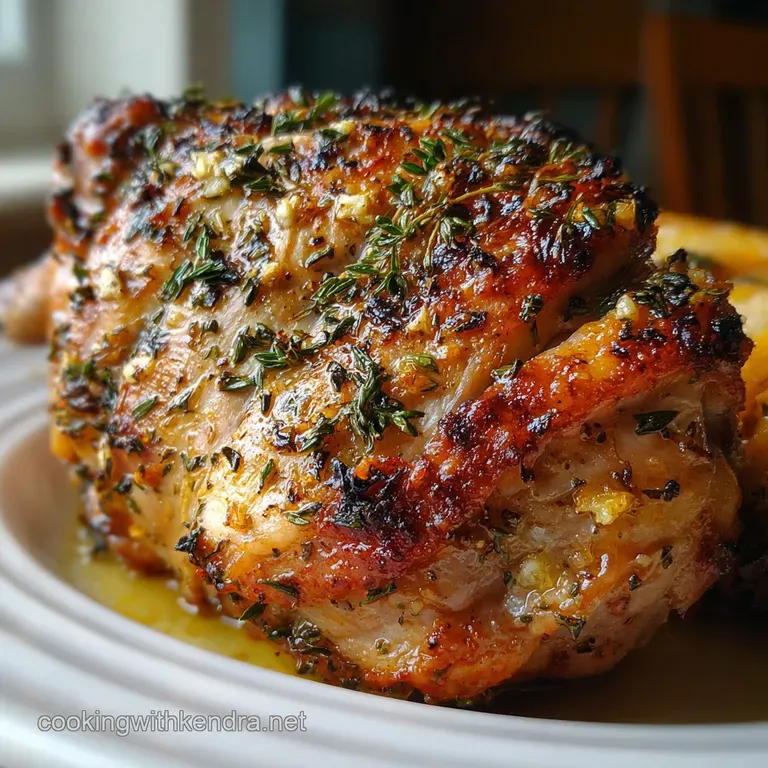
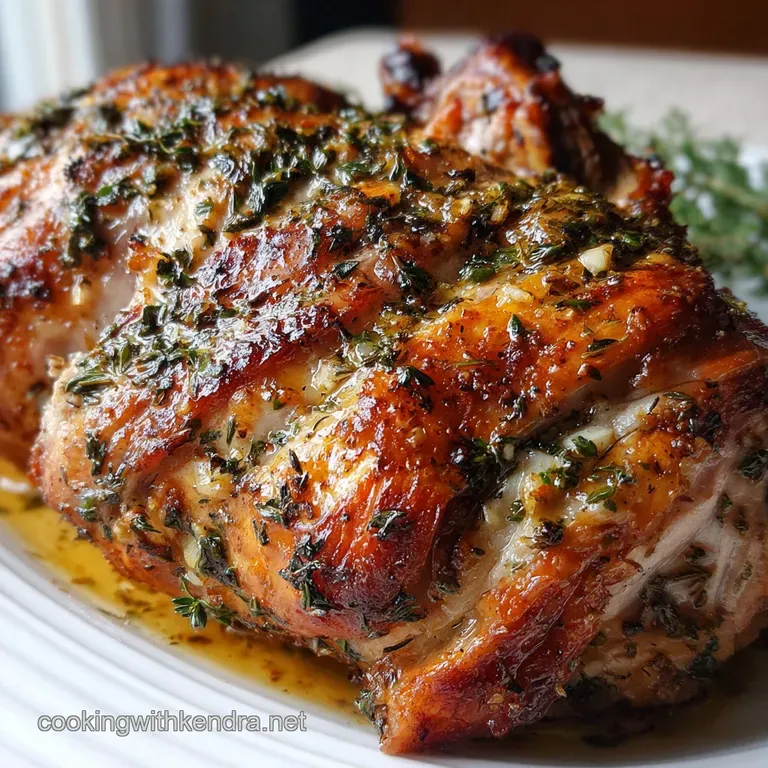
Picture this: you pull a roasting pan from the oven, and the sound is the first thing you notice. It is that distinctive, high pitched crackle of turkey skin finishing its transformation into something glass like and golden.
Then the scent hits rosemary and toasted garlic swirling together in a way that makes the whole kitchen feel like a cozy sanctuary. This Turkey Breast Recipe with Garlic and Herbs will be your new go to for a flavorful and simple main course.
I remember my first attempt at roasting just the breast. I was so worried about it drying out that I checked the oven every five minutes, which honestly just let all the heat out and made the skin rubbery. Total disaster.
Since then, I’ve learned that the secret isn't hovering; it is all about the "butter blanket" we create under the skin. It’s a game changer for busy weeknights when you want that Sunday roast feeling without the eight hour commitment.
We are going for big flavors with minimal fuss here. No brining for twenty four hours or complicated basting schedules. Just good quality fat, fresh aromatics, and a reliable meat thermometer.
This recipe is designed for those of us who love the comfort of a home cooked meal but don't have the time to wrestle with a twenty pound bird. Let’s get stuck into why this method actually works every single time.
Why This Method Ensures Juicy Results
- Fat Insulation: Placing the garlic herb butter directly against the flesh creates a physical barrier that prevents moisture from escaping during the over high heat roasting process.
- Maillard Reaction: The natural sugars in the lemon zest and the proteins in the butter solids react with the turkey skin to create a deep, savory crust and complex aromatic profile.
- Compound Emulsification: Softened butter holds the minced herbs in suspension, ensuring that the rosemary and sage oils penetrate the meat rather than just burning on the surface of the skin.
- Bone In Thermal Mass: Keeping the breast on the bone acts as an insulator, slowing down the heat transfer to the center of the meat to prevent overcooking the delicate lean fibers.
| Thickness | Internal Temp | Rest Time | Visual Cue |
|---|---|---|---|
| 10 cm (approx. center) | 74°C (165°F) | 15 minutes | Juices run clear when pierced |
| 8 cm (smaller cut) | 74°C (165°F) | 12 minutes | Skin is mahogany and taut |
| 12 cm (large breast) | 74°C (165°F) | 20 minutes | Meat feels firm to the touch |
When you are aiming for that restaurant quality finish, the resting time is just as important as the oven time. If you slice into it too early, all those silky juices will end up on your cutting board instead of in the meat.
Trust me, waiting those extra fifteen minutes makes the difference between a "good" dinner and a "phenomenal" one.
Component Analysis for Maximum Flavor
| Ingredient | Science Role | Pro Secret |
|---|---|---|
| Unsalted Butter | Moisture Barrier | Use European style butter for higher fat content and less water, which leads to crispier skin. |
| Fresh Rosemary | Aromatic Infusion | Bruise the leaves with the back of your knife before mincing to release the essential oils faster. |
| Lemon Zest | Acid Balance | The citrus oils cut through the heavy fat of the butter, brightening the overall flavor profile. |
| Kosher Salt | Protein Denaturation | Salt helps the muscle fibers hold onto water, ensuring the breast stays velvety even at high temperatures. |
Choosing the right fats and seasonings isn't just about taste; it is about how they interact with the heat. For instance, using extra virgin olive oil on the outside of the skin provides a different smoking point than the butter inside, which helps prevent the exterior from scorching before the middle is cooked through. This is very similar to the technique I use in my Skillet Chicken with recipe, where we balance fat types for the perfect sear.
Essential Components for Flavor and Texture
- 1 (approx. 2.9 kg / 6.5 lb) bone in turkey breast, skin on: Look for a plump, evenly shaped breast. Why this? The bone provides structure and flavor while preventing the meat from drying out.
- 2 tbsp extra virgin olive oil: This goes on the skin. Why this? It has a higher smoke point than butter, helping the skin get truly crispy.
- 2 tsp kosher salt: Essential for seasoning and moisture retention.
- 1 tsp coarse black pepper: Adds a subtle heat and texture to the crust.
- 115g (0.5 cup) unsalted butter, softened: This is the base for our herb paste.
- 4 cloves garlic, finely minced: Use fresh garlic, never the jarred stuff for this.
- 1 tbsp fresh rosemary, minced: Woody and pine like aromatics.
- 1 tbsp fresh thyme, minced: Earthy and subtle.
- 1 tbsp fresh sage, minced: The classic "poultry" flavor that defines a roast.
- 1 tsp lemon zest: To brighten the heavy, savory notes.
| Original Ingredient | Substitute | Why It Works |
|---|---|---|
| Fresh Rosemary | Dried Rosemary (1 tsp) | Concentrated flavor. Note: Use 1/3 the amount of fresh; it won't be as bright. |
| Unsalted Butter | Ghee or Clarified Butter | Higher smoke point. Note: Lacks the milk solids that help with browning. |
| Lemon Zest | Orange Zest | Provides similar acidity. Note: Adds a sweeter, more floral note to the meat. |
Basic Kitchen Tools for Easy Cooking
You really don't need a pantry full of gadgets to nail this. A simple roasting pan or even a large cast iron skillet (like a Lodge) works perfectly. The key is having a rack to sit the turkey on; this allows the hot air to circulate under the bird, ensuring the bottom doesn't get soggy.
If you don't have a rack, you can roughly chop some carrots and celery and use those as a natural "trivet" for the turkey to sit on.
A reliable instant read thermometer is your best friend here. Honestly, don't even bother trying to time it by the clock alone. Every oven has its own personality some have hot spots, some run cool. Measuring the internal temperature is the only way to guarantee you won't be serving dry meat.
You will also want a small bowl for mixing your herb butter and a sharp chef's knife for mincing those fresh herbs.
step-by-step From Prep to Plate
- Preheat the oven to 190°C (375°F). Note: Starting with a hot oven is vital for that initial skin tightening sear.
- Pat the turkey dry using paper towels until the skin feels like parchment. Note: Moisture is the enemy of crispiness; any dampness will cause the skin to steam instead of roast.
- Mix the compound butter by combining the softened butter, minced garlic, rosemary, thyme, sage, and lemon zest in a small bowl until a velvety paste forms.
- Loosen the skin by gently sliding your fingers between the skin and the meat, being careful not to tear it.
- Apply the herb butter under the skin, spreading it evenly over the breast meat. Note: This creates a self basting environment during the cook.
- Coat the exterior with the extra virgin olive oil and season generously with the kosher salt and coarse black pepper.
- Place the turkey on a roasting rack in a pan and slide it into the center of the oven.
- Roast for 1 hours 15 mins (or about 20 minutes per 500g) until the skin is deep golden and the internal temperature hits 74°C (165°F).
- Rest the meat for at least 15 minutes before carving. This allows the fibers to relax and reabsorb the juices.
| Fresh Herbs | Dried Herbs | Resulting Texture | Best For |
|---|---|---|---|
| Handful of fresh | 1-2 teaspoons | Bright, aromatic, soft | Showstopper holiday roasts |
| Dried pantry staples | 1 tablespoon | Intensely earthy, concentrated | Fast weeknight prep |
Using fresh herbs really makes the dish sing, but if you are in a pinch, dried will do. Just remember that dried herbs are much more potent. If you have leftover bones and a bit of meat, they make an incredible base for a Chicken and Vegetable Soup recipe the next day.
Professional Culinary Advice for Better Results
Preventing Rubbery Skin
The biggest mistake people make is not drying the bird enough. If the skin is even slightly damp, the heat of the oven turns that moisture into steam. Steam cooks the skin, but it won't make it crispy. Take the extra two minutes to really pat it down, even inside the crevices.
Also, avoid basting with liquid (like broth) during the cook; the fat from the butter is all you need.
Managing the Garlic
Garlic can be finicky. If it’s chopped too large and placed on the outside of the skin, it might burn and turn bitter before the turkey is done. That is why we tuck it under the skin.
The skin acts as a protective shield, allowing the garlic to mellow and sweeten in the butter without ever touching the direct heat of the oven.
| Problem | Root Cause | Solution |
|---|---|---|
| Skin is browning too fast | Oven rack too high or sugar in zest | Tent loosely with foil for the last 20 minutes of cooking. |
| Meat is dry but temp is right | Slicing too early | Ensure you rest the meat for the full 15 minutes to lock in juices. |
| Butter is leaking out | Skin was torn during prep | Use a toothpick to "sew" the skin shut if you have a large tear. |
Common Mistakes Checklist
- ✓ Forget to take the butter out of the fridge early (it must be soft to mix).
- ✓ Using a dull knife for the herbs (this bruises them and makes them bitter).
- ✓ Skipping the resting period (the most common cause of dry turkey).
- ✓ Peeking in the oven too often (every time you open the door, the temp drops 10 degrees).
- ✓ Not using a meat thermometer (guessing leads to overcooking).
Simple Adaptations for Every Diet Type
If you are cooking for someone who doesn't do dairy, don't worry. You can swap the butter for a high-quality vegan butter substitute or even a thick garlic infused olive oil paste. The texture will be slightly different less "creamy" and more "fried" but the flavor will still be incredible.
Just make sure the substitute has a similar fat content to regular butter.
For those following a Keto or Paleo lifestyle, this recipe is already nearly perfect. It is high in protein and healthy fats with almost zero carbs. Just ensure your seasonings are fresh and don't contain any hidden starches or sugars often found in pre made poultry rubs.
Chef's Tip: If you want an extra layer of flavor, toss a few halved heads of garlic and some lemon wedges into the bottom of the roasting pan. They will roast in the turkey drippings and make a beautiful garnish (and a delicious snack for the cook!).
Smart Storage and Leftover Management Ideas
Leftover turkey is basically a gift to your future self. It stays fresh in the fridge for about 3 to 4 days if kept in an airtight container. If you find you have more than you can eat, turkey freezes beautifully. I like to slice it first, then wrap it tightly in foil and place it in a freezer bag.
It will stay good for up to 3 months.
To reheat without drying it out, place the slices in a baking dish with a splash of chicken broth and cover it tightly with foil. Heat it at a low temperature (about 150°C) just until it’s warmed through. This creates a little steam chamber that revives the meat perfectly.
Don't throw away the carcass either; those bones are liquid gold for making stock.
- Fridge: 3-4 days in a sealed container.
- Freezer: Up to 3 months (slice before freezing).
- Zero Waste Tip: Finely mince the leftover herb butter bits and toss them with hot pasta or roasted potatoes the next day.
Simple Ways to Serve a Stunning Roast
Presentation doesn't have to be complicated. Once the turkey has rested, use a very sharp carving knife to slice against the grain. Slicing this way ensures every piece is tender. I like to arrange the slices on a large platter and nestle some fresh sprigs of rosemary and thyme around the edges.
It looks like you spent hours on it, but it only takes seconds.
If you are looking for a "If you want X, do Y" approach for the perfect finish: If you want a richer sauce, take the pan drippings, whisk in a little flour and broth, and simmer until thickened.
If you want extra citrus punch, squeeze the juice of the zested lemon over the meat right before serving. If you want a smoky depth, add a half teaspoon of smoked paprika to the butter mixture.
Debunking Common Roasting Misconceptions
One of the biggest myths is that you need to baste the turkey every twenty minutes. In reality, every time you open that oven door, you are letting out the dry heat that creates the crispy skin. Basting actually makes the skin soggy!
The butter we put under the skin handles all the "basting" from the inside out, which is much more effective.
Another misconception is that the juices must be clear for the bird to be safe. While clear juices are a good sign, the only scientifically accurate way to know is the internal temperature. Sometimes, bone in poultry can have a slight pinkish hue near the bone even when fully cooked due to the marrow.
Always trust your thermometer over your eyes.
Finally, people often think you need to cook turkey until it hits 82°C (180°F). That is an old school recommendation that leads to sawdust textured meat.
Modern food safety standards confirm that 74°C (165°F) is the "magic number" for poultry. With carryover cooking, you can even pull it at 71°C (160°F), and it will reach the final temp while resting.
Recipe FAQs
What internal temperature should a turkey breast reach?
74°C (165°F) is the safe internal temperature. Always use a meat thermometer to confirm; pull the turkey from the oven when it reaches this temperature, and allow it to rest.
How long does turkey breast need to rest after cooking?
Rest for at least 15 minutes. This crucial step allows the juices to redistribute throughout the meat, ensuring a moist and tender result.
Can I use dried herbs instead of fresh for the garlic butter?
Yes, but use less. Substitute 1 teaspoon of dried herbs for every 1 tablespoon of fresh herbs, as dried are more concentrated in flavor.
Why is my turkey breast skin not crispy?
Likely due to moisture or insufficient heat. Ensure the turkey skin is patted thoroughly dry before applying oil and seasonings, and check that your oven reached the correct temperature.
How do I prevent the garlic from burning under the turkey skin?
Tuck it under the skin securely. This creates a barrier that protects the garlic from direct heat, allowing it to mellow and sweeten rather than burn.
What is the best way to store leftover turkey breast?
Refrigerate in an airtight container for 3-4 days. For longer storage, slice the turkey, wrap it tightly, and freeze for up to 3 months.
Can I use a whole turkey recipe for just the breast?
No, cooking times are vastly different. A whole turkey requires significantly longer and more complex cooking methods, whereas a breast cooks much faster. For a different approach, consider our How to Smoke a Turkey: Juicy, Smoky Perfection! for whole bird techniques.
Turkey Breast Recipe Garlic Herbs
Ingredients:
Instructions:
Nutrition Facts:
| Calories | 612 calories |
|---|---|
| Protein | 74 g |
| Fat | 33 g |
| Carbs | 1 g |
| Fiber | 0 g |
| Sugar | 0 g |
| Sodium | 525 mg |
