Turkey Sausage Recipe: Savory & Spiced
- Time: Active 10 minutes, Passive 40 minutes, Total 50 minutes
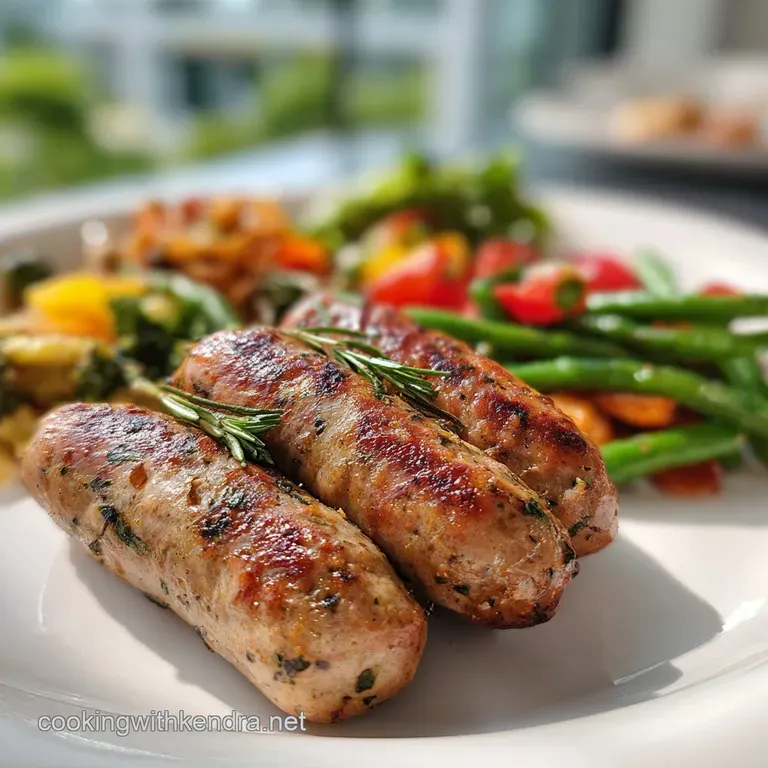
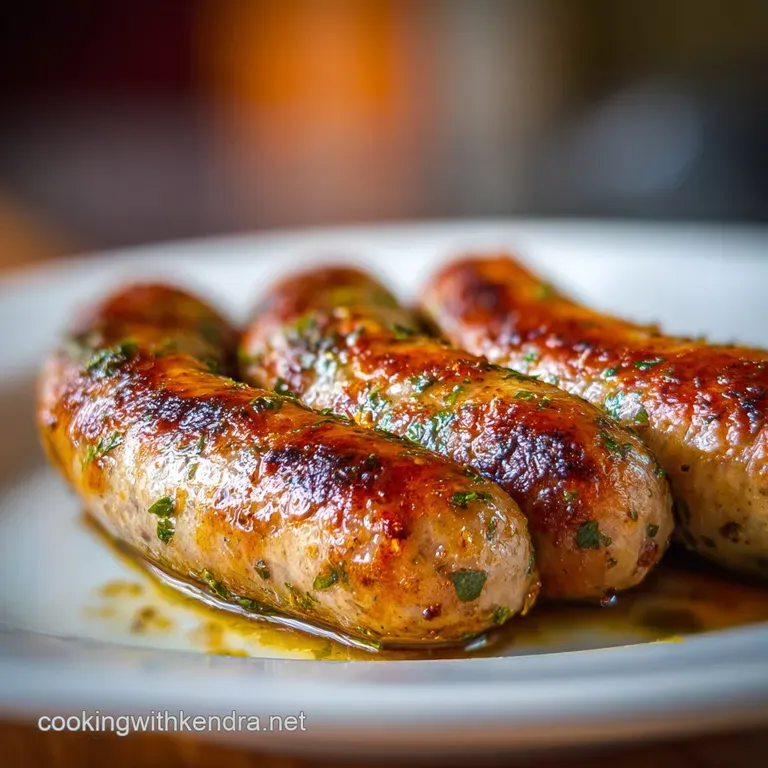
- Flavor/Texture Hook: Crispy, caramelized exterior with a tender, herb forward center
- Perfect for: High protein meal prep or a slow Sunday brunch
- Mastering the Science of Savory Protein Binding
- Component Analysis for Optimal Flavor
- Precise Metrics for Success
- Tools for Achieving the Perfect Golden Sear
- Executing the Ideal Sear and Flavor Bloom
- Correcting Common Texture and Seasoning Mistakes
- Customizing Your Blend for Every Meal
- Preserving Freshness and Reducing Kitchen Waste
- Styling Your Plate for Maximum Visual Appeal
- Turkey Sausage Recipe FAQs
- 📝 Recipe Card
Close your eyes and imagine the sound of a cold patty hitting a shimmering, hot cast iron skillet. That immediate, aggressive hiss is followed by the smell of toasted sage and warm maple syrup drifting through your kitchen. It's the kind of aroma that pulls people out of bed before the coffee is even finished brewing.
For the longest time, I thought "healthy" meant "flavorless," and my early attempts at a turkey sausage recipe usually ended up tasting like spiced cardboard.
I remember one specific Saturday morning when I was determined to get it right. I had a pound of ground turkey and a spice cabinet that looked like a disaster zone. I realized the mistake most of us make: we treat turkey like beef.
Turkey needs a little more help in the fat and moisture department, and it absolutely demands a "resting" period before it ever touches the heat. Once I figured out that a bit of maple syrup and a cold rest changed the chemistry of the meat, I never went back to the store-bought links.
This isn't just a recipe; it's a blueprint for making breakfast the best part of your day. We’re going to talk about why cold meat matters, how to get that perfect shatter on the crust, and how to balance those classic savory herbs with just enough heat to wake up your taste buds.
Trust me, once you see how easy this is, you'll be making batches of these to keep in the freezer for busy mornings.
Mastering the Science of Savory Protein Binding
Getting the texture right in a turkey sausage recipe isn't magic; it's mostly about managing proteins and temperature. Turkey is naturally leaner than pork, which means it has less "wiggle room" before it becomes tough and dry.
- Cold Emulsion Physics: Keeping the meat near freezing while mixing prevents the fat from melting prematurely, which ensures a velvety internal texture rather than a grainy one.
- Myosin Extraction: Salt dissolves a protein called myosin, which acts as a "glue" to hold the patty together without needing fillers like breadcrumbs.
- Hygroscopic Sugars: The maple syrup doesn't just add sweetness; it attracts moisture and helps create a faster Maillard reaction (browning) on the surface.
- Aromatic Blooming: Fat soluble compounds in the sage and thyme dissolve into the olive oil and turkey fat during the 40 minute rest, intensifying the overall flavor profile.
| Thickness | Internal Temp | Rest Time | Visual Cue |
|---|---|---|---|
| 0.5 inch | 165°F | 3 minutes | Deep mahogany crust, clear juices |
| 0.75 inch | 165°F | 5 minutes | Firm to the touch, no pink edges |
| 1 inch | 165°F | 5 minutes | Springy center, browned surfaces |
If you find yourself craving something a bit more traditional after mastering this, you might enjoy the seasoning profile in my Proper British Sausage Rolls recipe. The way the salt interacts with the meat proteins is very similar, though the pastry adds a completely different textural dimension.
Component Analysis for Optimal Flavor
| Ingredient | Science Role | Pro Secret |
|---|---|---|
| Ground Turkey (93%) | Lean protein base | Use 93/7 blend; 99% lean is too dry for patties |
| Kosher Salt | Protein binder | Always use Diamond Crystal or adjust volume for sea salt |
| Rubbed Sage | Primary aromatic | Rub it between your palms to release volatile oils |
| Pure Maple Syrup | Caramelization agent | Use Grade A Dark for a more intense, smoky sweetness |
### For Maximum Juiciness via Cold Binding
The most important trick I can give you is to keep everything cold. I actually put my mixing bowl in the freezer for 10 minutes before I start. When the turkey stays cold, the fats stay solid, creating tiny pockets of moisture that "burst" when they hit the heat.
If the meat gets warm while you're working it with your hands, the fat smears, and you end up with a dry, rubbery sausage.
### For a Mahogany Crust via the Maillard Reaction
The maple syrup in this turkey sausage recipe isn't just for that "breakfast y" vibe. Sugar accelerates the Maillard reaction, which is the chemical dance between amino acids and reducing sugars that creates that beautiful brown crust. Because turkey is pale, it often looks unappetizing even when it's cooked through.
The syrup ensures it looks as good as it tastes.
Precise Metrics for Success
Gathering your ingredients is the first step toward a successful cook. You don't need a lot, but the quality of your dried herbs makes a massive difference here. If your sage has been sitting in the back of the pantry since three Thanksgivings ago, it's time for a fresh jar.
- 1 lb ground turkey (93% lean)
- 1 tbsp extra virgin olive oil Why this? Adds necessary healthy fats to the lean turkey base.
- 1.5 tsp kosher salt Why this? Essential for texture and "curing" the meat protein.
- 1 tsp rubbed sage
- 1 tsp dried thyme
- 0.5 tsp smoked paprika
- 0.5 tsp crushed fennel seeds Why this? Provides that "classic sausage" flavor profile.
- 0.25 tsp red pepper flakes
- 0.5 tsp garlic powder
- 0.5 tsp onion powder
- 1 tbsp pure maple syrup
- 0.5 tsp freshly cracked black pepper
For substitutions, if you don't have maple syrup, you can use brown sugar (same sweetness, slightly different caramel notes). If you're out of rubbed sage, use half the amount of ground sage, as it's much more potent.
| Original Ingredient | Substitute | Why It Works |
|---|---|---|
| Ground Turkey (1 lb) | Ground Chicken (1 lb) | Similar lean protein profile. Note: Chicken is slightly softer; handle gently. |
| Maple Syrup (1 tbsp) | Honey (1 tbsp) | Provides necessary sugar for browning and floral sweetness. |
| Smoked Paprika (0.5 tsp) | Liquid Smoke (2 drops) | Mimics the wood fired flavor without the red tint. |
Tools for Achieving the Perfect Golden Sear
You don't need fancy gadgets, but a few specific pieces of gear will make your life significantly easier. I'm a huge fan of using a heavy bottomed skillet cast iron is king here because it holds heat so well.
When you drop a cold patty onto a thin pan, the temperature plunges, and you end up "steaming" the meat instead of searing it.
A good digital thermometer is your best friend. Since we're working with poultry, we have to hit 165°F for safety, but every degree past that is a step toward "dry town." A quick probe ensures you pull them off the heat the second they're safe.
I also highly recommend using a small cookie scoop (about 2 tablespoons) to portion out the meat. This keeps your hands cleaner and ensures every sausage is the same size, so they all finish cooking at the exact same time.
If you're looking for ways to use these patties in a larger meal, they work beautifully when crumbled into my How to Make recipe. The sweetness of the apple in that dish perfectly complements the sage and fennel in this sausage.
Executing the Ideal Sear and Flavor Bloom
- Chilling the gear. Place a large glass mixing bowl in the fridge for 15 minutes before starting. Note: This prevents the turkey fat from melting during the mixing process.
- Combining the aromatics. In a small ramekin, stir together the salt, sage, thyme, paprika, fennel, red pepper, garlic, onion powder, and black pepper.
- Incorporating the binder. Add the 1 lb ground turkey to the chilled bowl, then drizzle over the maple syrup and olive oil.
- Seasoning the meat. Sprinkle the spice blend evenly over the turkey.
- Mixing with intention. Use your hands or a sturdy fork to mix until just combined. Stop as soon as the spices are evenly distributed to avoid overworking the protein.
- The flavor bloom. Cover the bowl and refrigerate for 40 minutes. Note: This allows the salt to work on the proteins and the herbs to hydrate.
- Portioning the patties. Scoop the meat into 8 equal portions and gently pat them into discs about 0.5 inch thick.
- Preheating the surface. Heat a skillet over medium heat for 3 full minutes before adding a light coating of oil.
- The initial sear. Place the patties in the pan, leaving space between each.
- Cooking to doneness. Sear for 4 minutes on the first side until a deep brown crust forms, flip, and cook for another 3 to 4 minutes until the internal temperature hits 165°F.
Correcting Common Texture and Seasoning Mistakes
One of the biggest heartbreaks is biting into a sausage you worked hard on, only to find it's as tough as a rubber ball. This usually happens because of "over mixing." When you work meat too much, the proteins cross link so tightly that they squeeze out all the moisture.
Think of it like kneading bread; the more you do it, the more "structure" you get. In a sausage, you want just enough structure to hold a shape, not enough to win a wrestling match.
### Fixing Rubbery Texture
If your sausages are turning out bouncy or tough, check your mixing technique. You aren't kneading dough; you're just distributing flavor. Use a "folding" motion or even a pair of chopsticks to break up the meat and mix in the spices.
Also, make sure you aren't pressing down on the patties with a spatula while they cook. That "sizzle" you hear when you press them is actually the moisture escaping and evaporating forever.
### Addressing Lack of Flavor
If the sausage tastes "flat," it's usually a salt or "bloom" issue. Salt is the volume knob for all other flavors. If you skipped the 40 minute rest, the dried herbs didn't have time to wake up.
| Problem | Root Cause | Solution |
|---|---|---|
| Patties falling apart | Meat was too warm or not enough salt | Chill meat longer; ensure 1.5 tsp salt per lb for binding. |
| Gray, steamed appearance | Pan was not hot enough or overcrowded | Preheat pan for 3 mins; cook in two batches if needed. |
| Intense saltiness | Used table salt instead of Kosher | Reduce salt by half if using fine table salt. |
### Common Mistakes Checklist
- ✓ Pat the turkey gently; don't squeeze it into a dense puck.
- ✓ Keep the meat cold until the very moment it hits the pan.
- ✓ Don't skip the fennel seeds they provide the "traditional" sausage flavor.
- ✓ Allow the pan to recover heat for 1 minute between batches.
- ✓ Use a splatter screen to keep your stovetop clean while allowing steam to escape.
- ✓ Let the patties rest for 3 minutes after cooking to redistribute juices.
Customizing Your Blend for Every Meal
Once you have the base turkey sausage recipe down, you can start playing with the "vibe." For a classic Italian turkey sausage recipe, I usually double the fennel seeds and add a tablespoon of fresh chopped parsley.
If I'm feeling like something spicy for a "Dinner Scramble" power bowl, I'll toss in a little extra red pepper flakes and maybe a dash of cayenne.
If you are following a specific lifestyle, this recipe is incredibly flexible. For a Keto friendly version, simply swap the maple syrup for a monk fruit maple alternative or omit it entirely and add a splash of heavy cream to maintain the moisture.
If you want a Whole30 swap, use a tablespoon of unsweetened applesauce instead of the syrup; it provides the same moisture and a hint of fruitiness without the added sugar.
### Serving Size and Scaling Guidelines
| Servings | Ingredient Adjustments | Pan Size | Cook Time |
|---|---|---|---|
| 4 people | 0.5 lb turkey, half spices | 8 inch skillet | 8 minutes |
| 8 people | 1 lb turkey (as written) | 12 inch skillet | 10 minutes |
| 16 people | 2 lb turkey, 1.5x spices | Two 12 inch pans | 20 minutes (batches) |
If you're making a massive batch for a brunch party, you can actually bake these. Line a sheet pan with parchment paper, space them out, and bake at 400°F for about 15 minutes.
You won't get the same aggressive sear as the stovetop, but they stay incredibly juicy and it's much easier than standing over a hot stove for an hour.
Preserving Freshness and Reducing Kitchen Waste
I rarely make just one pound of this turkey sausage recipe. Since you're already getting your hands messy, you might as well double it. These freeze beautifully. The best way to do it is to "flash freeze" the raw patties on a baking sheet for an hour before transferring them to a freezer bag.
This prevents them from sticking together in one giant meat brick. They'll stay fresh for up to 3 months.
When it comes to leftovers, don't just microwave them they'll get rubbery. Instead, toss them back into a hot pan with a tiny splash of water and a lid for 2 minutes. The steam will reheat the center while the pan re crisps the bottom. If you have extra "crumbles" that didn't make it into a patty, don't throw them away! Those bits are gold. I save them to toss into a Spaghetti and meatballs recipe or use them as a protein packed topping for a breakfast pizza.
- Fridge
- Keep cooked patties in an airtight container for up to 4 days.
- Freezer
- Raw or cooked patties last 3 months.
- Zero Waste
- Use leftover cooked crumbles in omelets, breakfast burritos, or as a savory addition to a kale salad with lemon vinaigrette.
Styling Your Plate for Maximum Visual Appeal
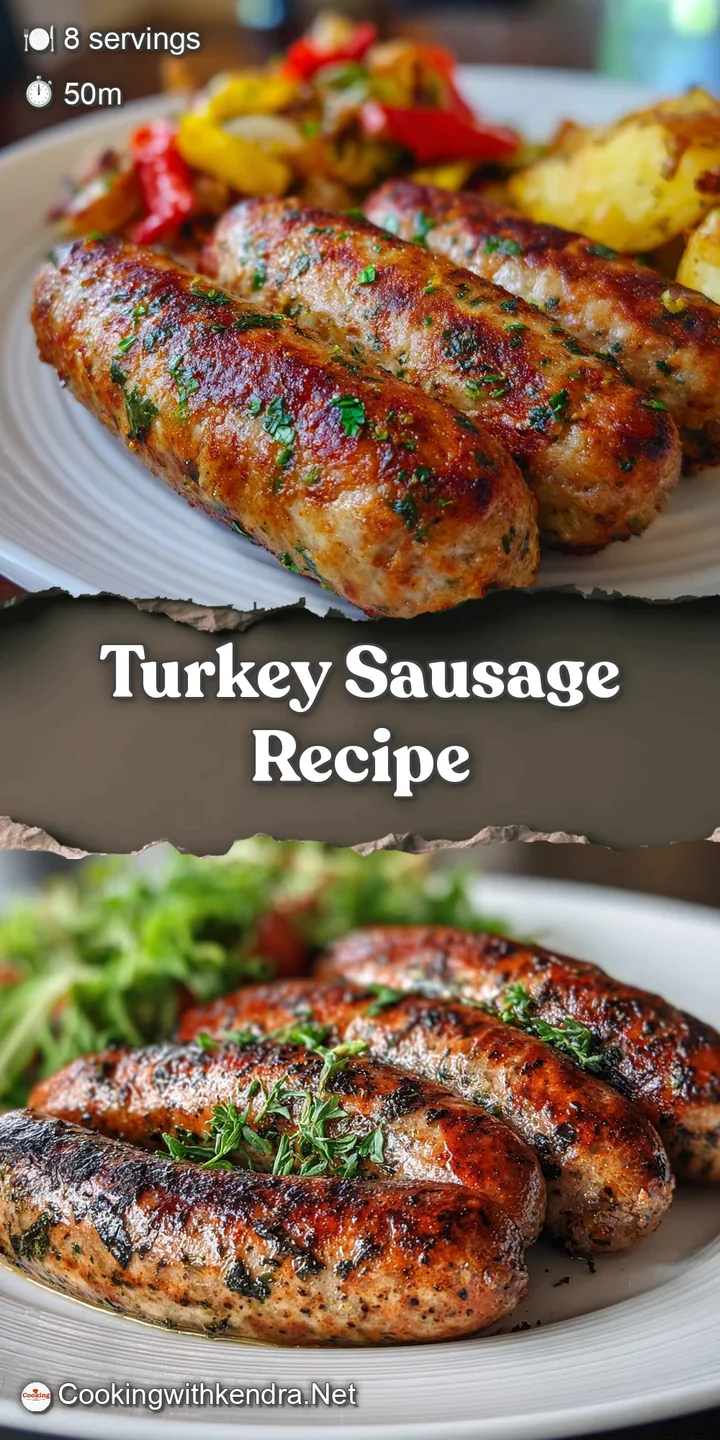
We eat with our eyes first, and let's be honest, turkey can look a little "meh" on its own. To make these look as good as they taste, I always finish them with a tiny sprinkle of fresh herbs parsley or a few more leaves of fresh sage. It signals to your brain that the dish is fresh and vibrant.
If you're serving these as part of a breakfast spread, lean into the colors. The deep mahogany of the sausage looks incredible next to the bright yellow of soft scrambled eggs or the vibrant green of sliced avocado.
I like to serve mine on a warm plate (run it under hot water for a second) so the juices don't congeal the moment the sausage hits the ceramic. It's the little things that make a home cooked meal feel like a five star brunch.
A quick note on the "sealing juices" myth: you'll often hear that searing "locks in" the moisture. Science actually tells us that's not true moisture is lost during the sear due to heat. However, the sear creates the flavor we crave.
The real way to keep them juicy is the cold mix technique and not overcooking them past 165°F. Trust the thermometer, not the timer!
Whether you're making this for a quick Tuesday morning or a fancy holiday breakfast, it's a reliable, budget friendly way to get high-quality protein on the table without all the additives of processed meats. Give it a shot, and don't be afraid to make it your own!
Turkey Sausage Recipe FAQs
What spices go into turkey sausage?
Sage and fennel are key. Classic turkey sausage often includes rubbed sage, crushed fennel seeds, thyme, paprika, garlic powder, and onion powder for that traditional savory flavor.
How to make your own breakfast turkey sausage?
Mix cold ground turkey with salt and spices, then chill. Keep the turkey and ingredients cold throughout the mixing process. Incorporate seasonings like sage, fennel, and a touch of maple syrup, then let it rest for at least 40 minutes to allow flavors to meld before forming patties and cooking.
Are turkey sausages healthy to eat?
Yes, homemade can be healthier than store-bought. Homemade turkey sausage is typically lower in sodium and preservatives compared to many processed options, and you control the ingredients for a leaner, protein rich meal.
How long should I cook turkey sausage?
Cook until internal temperature reaches 165°F. For 0.5 inch thick patties, this usually takes about 7-8 minutes total, 3-4 minutes per side, ensuring a safe internal temperature without overcooking.
Can I substitute pork for turkey in sausage recipes?
Yes, but adjust cooking time and fat content. Pork is naturally fattier than turkey, which can lead to a more tender sausage. If you substitute, be mindful that pork sausage may require slightly less cooking time and can render more fat.
Why is my turkey sausage dry?
Likely due to overmixing or overcooking. Overworking the lean turkey meat causes it to become tough. Always mix gently until just combined and cook to an internal temperature of 165°F, no higher, to retain moisture.
How do I get a good sear on turkey sausage patties?
Start with a hot pan and don't overcrowd. Ensure your skillet is well heated before adding the patties. Cook them in batches if necessary to maintain a high cooking temperature, which promotes browning rather than steaming. If you enjoy mastering texture control, see how the same principles apply to achieving a perfect crust in our Ultimate Baked Penne Recipe Cheesy Classic with SlowSimmered Ragu.
Turkey Sausage Recipe
Ingredients:
Instructions:
Nutrition Facts:
| Calories | 108 kcal |
|---|---|
| Protein | 10.5 g |
| Fat | 6.6 g |
| Carbs | 1.7 g |
| Fiber | 0.2 g |
| Sugar | 1.5 g |
| Sodium | 442 mg |
