The Ultimate Penne Alla Vodka Creamy Classic and Effortlessly Elegant
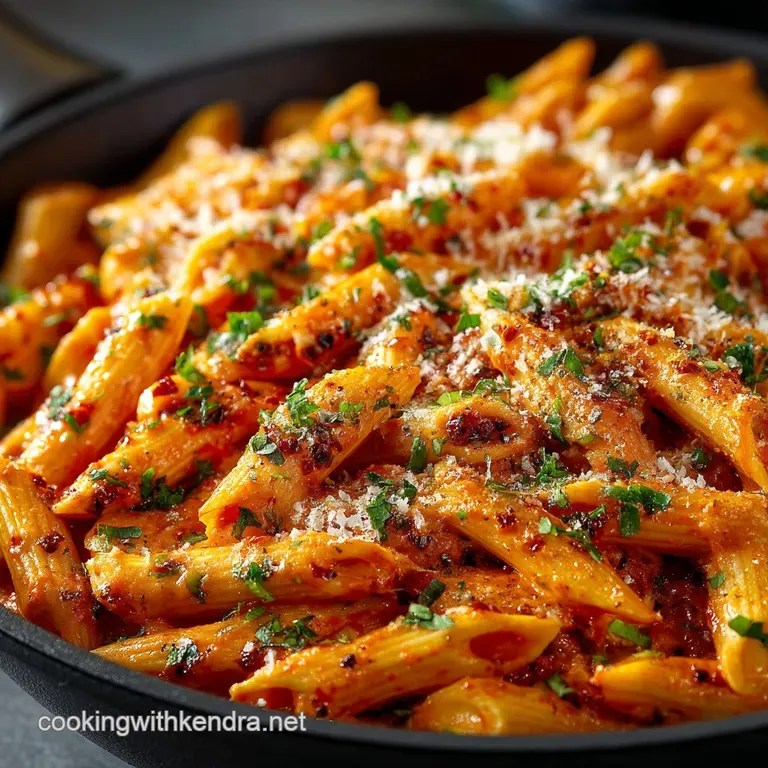
Achieving the Perfect Penne Alla Vodka Emulsion
The Culinary Science Behind the Glossy Sauce
The signature of an exceptional Penne Alla Vodka is its luxurious, velvety mouthfeel. This texture is the result of a precise culinary emulsion, a stable binding of two liquids that normally resist mixing in this case, the fat (butter, cream, and cheese oil) and the water (from the tomatoes and pasta water).
This stability is where the spirit plays its pivotal role. Vodka, being both water soluble and fat-soluble, acts as a solvent, preventing the fats and liquids from separating when the dairy and acid from the tomatoes combine. The goal is a uniform sauce that clings perfectly to the pasta.
On top of that,, the starch released from the penne rigate during the final toss acts as the crucial thickening agent, sealing the deal and ensuring the finished Vodka Sauce Recipe is beautifully glossy rather than greasy or pooled at the bottom of the plate.
A Brief History of the Iconic Dish
The origins of the classic Alla Vodka Sauce Recipe are widely debated, largely claimed by both New York and Italy in the 1970s and 80s. Regardless of its exact birthplace, the dish soared to popularity in North America, becoming the ultimate comfort food for a generation.
It represented a sophisticated departure from simple marinara, blending creamy Italian American richness with the punch of a deglazing spirit. What began as a somewhat trendy restaurant item quickly became a staple, beloved specifically for its ability to transform high acidity tomatoes into a rich, approachable Vodka Tomato Sauce without making it overly heavy.
Our modern preparation elevates this nostalgic favorite by focusing on premium, high-quality ingredients.
Essential Kitchen Tools for Pasta Success
While the preparation for this Vodka Penne Pasta Recipe is relatively straightforward, having the right gear is non-negotiable for achieving restaurant quality results. You will need a large stockpot for boiling the pasta remember that generously salted water is critical here.
More importantly, a large, deep sauté pan or Dutch oven is absolutely essential for sauce construction, allowing ample space for the careful simmering and, crucially, the vigorous final toss required to properly emulsify the sauce.
Finally, keep a fine mesh sieve or a sturdy measuring cup nearby to reserve that precious starchy pasta water, the indispensable secret ingredient to a perfectly finished sauce.
Core Ingredients for Superior Vodka Sauce
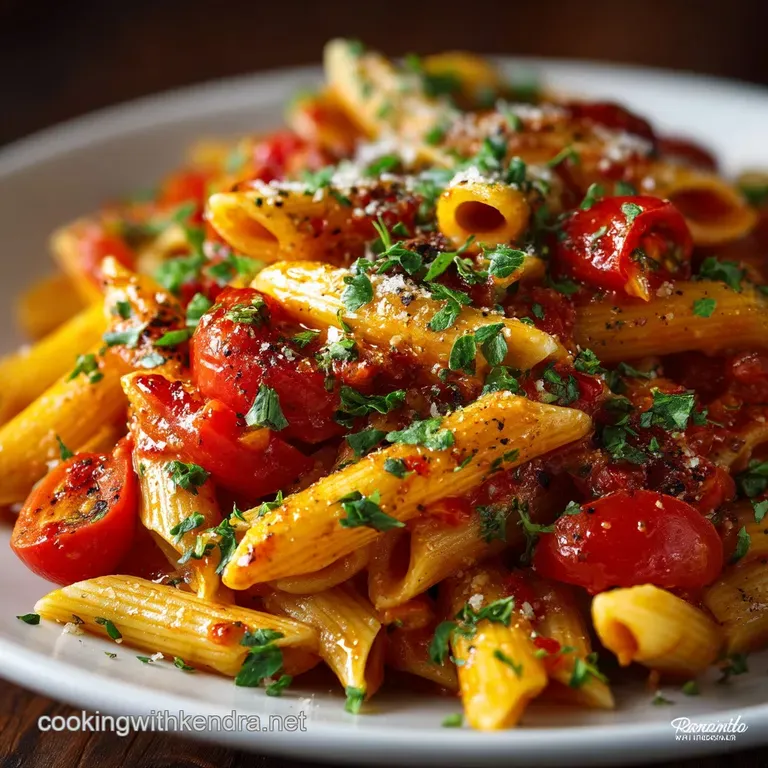
Choosing Premium Crushed Tomatoes
The backbone of any excellent Penne Alla Vodka is the tomato base. We are looking for balance: high acidity to cut through the richness of the cream, but also inherent sweetness.
Using DOP-certified crushed San Marzano tomatoes is highly recommended, as they offer low acidity and a concentrated flavor profile that ensures the finished Vodka Marinara Sauce Recipe is deep and complex.
When combined with the "bloomed" tomato paste, these premium tomatoes give the sauce a deep, brick red color and robust flavor that cheap canned varieties simply cannot replicate, forming the ideal foundation for the creamy elements.
The Role of Butter and Cream in Richness
The luxurious richness that defines this dish comes from high-quality dairy. We incorporate both unsalted butter and full fat heavy cream. The key here is temperature management it is crucial that both the butter and the cream are brought to room temperature before use.
Introducing cold dairy to a hot, acidic tomato base is the fastest way to cause the sauce to split or curdle. The butter is used both at the beginning to sauté the aromatics and again at the end, added piece by piece off the heat, alongside the cream, to contribute to the final smooth, polished finish.
Preparing Garlic and Shallots for the Sauté
These aromatics form the crucial foundational layer for the sauce. Unlike a basic marinara where a rough chop might suffice, shallots and garlic for a creamy Penne Alla Vodka must be very finely minced.
The shallots should be cooked slowly over medium low heat with olive oil and butter until they are completely translucent a process that takes five to seven minutes to ensure their sweet, gentle flavor fully integrates without leaving any visible chunks in the smooth sauce.
Red pepper flakes are added at this stage, infusing the oil with subtle, background warmth before the garlic is introduced for its brief, fragrant minute of cooking.
What Specific Pasta Shape Works Best?
While the dish is named for Penne, it is the 'Rigate' (ridged) variety that is paramount for an outstanding result. The ridges and tubular shape of quality penne are perfectly designed to trap the thick, clingy vodka sauce, delivering maximal flavor in every bite.
Substituting a smooth pasta like spaghetti or linguine will result in an inferior texture, as the luxurious sauce cannot adhere as effectively. Cooking the pasta al dente (two minutes shy of package directions) is also necessary, as it allows the final cooking stage to occur in the sauce, ensuring the pasta is perfectly flavored and contributing its necessary starch to the emulsion.
Related Recipes Worth Trying
- Ultimate Baked Penne Recipe Cheesy Classic with SlowSimmered Ragu — This Baked Penne is a proper weekend feast Built on a rich ground beef ragu and topped with a glorious ricotta mozzarella and Parmesan crust Simply the best...
- FallApart Crock Pot Lemon Garlic Chicken A Midweek Champion — Achieve perfectly tender velvety Crock Pot Lemon Garlic Chicken This foolproof recipe works with thighs or breast and can be finished creamy A weeknight...
- Foolproof Mississippi Pot Roast FallApart Beef Recipe — Meet your new favourite Slow Cooker Pot Roast This Mississippi Pot Roast Recipe is incredibly easy and yields the most tender flavourpacked beef every time...
Executing the Dish: Cooking the Penne Alla Vodka
Step 1: Infusing the Olive Oil with Aromatics
The cooking process begins with layering flavor in the large sauté pan. We start by melting a portion of the room temperature butter with the olive oil. The finely minced shallots, along with a pinch of salt and the red pepper flakes, are added first.
This initial slow cooking, taking patience over medium low heat, allows the shallots to soften completely without browning. Only once the shallots are tender and fragrant is the minced garlic introduced, cooking briefly for just sixty seconds to prevent it from burning, which would impart bitterness to the resulting sauce.
Step 2: Incorporating the Tomato Paste and Spirits
After the aromatics are softened, they are pushed aside to make way for the tomato paste. This thick, double concentrated paste must be "bloomed" cooked directly on the exposed hot surface, stirring constantly, for about two to three minutes until it deepens from bright red to a dark, brick red color.
This essential step caramelizes the sugars and removes any tinny flavor. Following the blooming, the unflavored vodka is immediately poured in. The high heat rapidly deglazes the pan, and the vodka must be allowed to reduce completely by half.
This reduces the raw alcohol flavor, leaving behind only the compounds necessary for flavor extraction and the crucial role as an emulsifier.
Step 3: Achieving Smoothness Through Careful Emulsification
Once the vodka has reduced and the crushed tomatoes have simmered for ten minutes to allow the flavors to marry, we move to the critical emulsification phase. The pan must be removed from direct heat before the room temperature heavy cream and the remaining pats of butter are stirred in.
Adding these off the heat minimizes the risk of the acidic tomato base curdling or splitting the dairy. After the cream is smoothly incorporated, the partially cooked al dente penne and half a cup of reserved starchy pasta water are added.
The mixture is then returned to very low heat and vigorously tossed for one to two minutes to ensure the sauce begins to hydrate the pasta and thicken properly.
Step 4: The Final Toss and Perfect Plating
The sauce achieves its final, glossy consistency right off the heat. Remove the pan completely and quickly stir in the freshly grated Parmesan Reggiano. The residual heat melts the cheese while the starch from the reserved pasta water, added tablespoon by tablespoon, helps bind the fat (cheese and cream) to the liquid.
This crucial, vigorous tossing creates that beautiful, stable emulsion that fully coats the pasta. Adjusting the seasoning with salt and freshly ground black pepper is the last step before serving this phenomenal Vodka Penne Pasta Recipe immediately in warm bowls, perhaps garnished with a final shave of Parmesan.
Customizations, Pairings, and Storage Solutions
Creative Variations (Adding Chicken or Sausage)
While the classic preparation is vegetarian, this comforting dish adapts beautifully to added proteins. For a heartier meal, considering making a Penne Alla Vodka with Chicken : slice grilled or pan-seared chicken breast and stir it through during the final toss.
Alternatively, for deep, savory flavor, sauté diced Italian sausage or crispy Penne Alla Vodka with Pancetta until golden brown, removing most of the rendered fat before starting the shallot step.
If you need a version specifically avoiding alcohol, creating a perfect Penne Alla Vodka without Vodka is possible by substituting the spirit with an equal amount of dry white wine or vegetable stock, though the final emulsion may require extra starchy water to compensate for the missing solvent properties.
Ideal Side Dishes and Wine Pairings
The richness of a finished Penne Alla Vodka demands bright, fresh accompaniments to cut through the creaminess and cleanse the palate. A simple, crisp Arugula Salad dressed only with bright lemon vinaigrette offers a wonderful acidic counterpoint.
For scooping up the remaining glossy sauce (the honored 'scarpetta'), serve warm, crusty artisan bread or homemade focaccia. In terms of beverages, the deep flavors pair beautifully with a medium bodied, acidic Italian red wine, such as Chianti Classico, or a robust, dry rosé, which has enough structure to stand up to the creaminess without overwhelming the delicate Alla Vodka Sauce Recipe .
Storing and Reheating Leftover Vodka Sauce
Cooked Penne Alla Vodka stores well, but pasta tends to absorb the sauce quickly in the refrigerator, resulting in a drier texture the next day. To maximize the quality of leftovers, it is often best to store the remaining sauce and the leftover pasta separately, if possible.
The sauce itself can be stored in an airtight container for up to three days. To reheat, warm the sauce gently in a saucepan over low heat, adding a splash of fresh cream or reserved pasta water to restore the silky texture, which often tightens overnight. Then, toss with the stored pasta just before serving.
Nutritional Overview
Given the generous use of heavy cream, butter, and cheese, this comforting dish is calorie dense, reflecting the high fat and high carbohydrate content necessary for the luxurious texture and flavor.
This full fat preparation of Vodka Tomato Sauce yields estimated calories between 750 800 for a generous fourth of the recipe, alongside robust protein content from the cheese and pasta.
This classic preparation is designed for maximum flavor and texture, making it a deeply satisfying and indulgent meal.
Recipe FAQs
Crikey, do I really need the vodka in Penne Alla Vodka, and what does it actually do?
No worries if you need to skip it, but the vodka is actually key to achieving that perfect, velvety result. It acts as a scientific emulsifier, binding the fat (cream/butter) and the water (tomatoes/pasta water) into a stable, incredibly glossy sauce.
While the raw alcohol flavour is cooked off, if you must substitute, a splash of dry white wine or vegetable stock will keep the liquid balance, but the final emulsion might require extra vigorous tossing to settle everything.
My sauce seems to have split into a right mess! What did I do wrong when adding the cream and cheese?
Ah, the dreaded split sauce a total pain, that! This usually happens when the temperature differential is too high, often if the cream is cold or if you add the Parmesan while the sauce is bubbling furiously.
Remember the golden rule: incorporate the heavy cream and grated cheese off the direct heat to prevent shocking the mixture. Ensuring the cream is at room temperature before you start is also a massive help.
I’ve got loads leftover; can I freeze this classic pasta dish, or will it be a disaster?
While technically possible, freezing any cream based pasta like this is a bit of a gamble, frankly. The dairy can often separate and become grainy upon thawing, leaving the sauce texture quite disappointing.
It’s best stored in an airtight container in the fridge for 3-4 days; when reheating on the hob, add a few tablespoons of reserved pasta water or a little milk to bring that glossy sheen back to life.
The recipe calls for 'blooming the paste' is that just fancy talk, or is it important for the final flavour?
It’s absolutely vital not just fancy talk! Blooming the tomato paste means cooking it separately in the butter and oil for a couple of minutes until it darkens from bright red to a richer brick colour.
This crucial step caramelizes the natural sugars and cooks out that raw, slightly metallic tin flavour, giving your entire sauce a much deeper, more complex backbone. Don't skip it!
I need a lighter version; can I use half and-half or milk instead of heavy cream?
You can certainly use lighter creams, but be warned: the sauce's texture and stability will suffer a bit. Heavy cream has the high fat content needed to create the perfect emulsion that clings to the penne.
If you opt for half and-half or single cream, you must be extremely careful to keep the heat very low and avoid bringing the sauce to a vigorous boil, otherwise, it is likely to curdle.
Ultimate Creamy Penne Alla Vodka
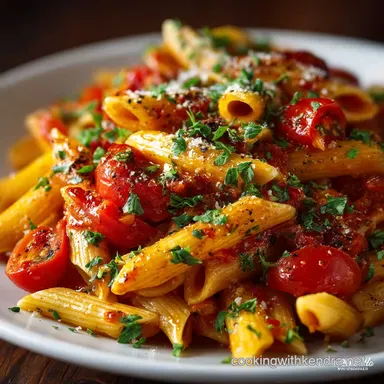
Ingredients:
Instructions:
Nutrition Facts:
| Calories | 1062 kcal |
|---|---|
| Protein | 23.7 g |
| Fat | 47.0 g |
| Carbs | 71.6 g |
| Fiber | 19.8 g |
| Sodium | 428 mg |
