Crock Pot Beef Stew: the Ultimate Flavor-Rich Slow Cooker Sunday Dinner
- The Ultimate Slow-Cooker Sunday Meal: Mastering Crock Pot Beef Stew
- The Science of Slow Cooking: Why This Stew Tastes Better
- Detailed Ingredient Breakdown: What You Need and Why
- How to Assemble Your Ultimate Crock Pot Beef Stew: A Step-by-Step Guide
- Troubleshooting and Expert Tips for Stew Perfection
- Storing Your Leftovers: Freezing and Refrigeration Guidelines
- Complementary Sides: What to Serve with Crock Pot Beef Stew
- Recipe FAQs
- 📝 Recipe Card
The Ultimate Slow Cooker Sunday Meal: Mastering Crock Pot Beef Stew
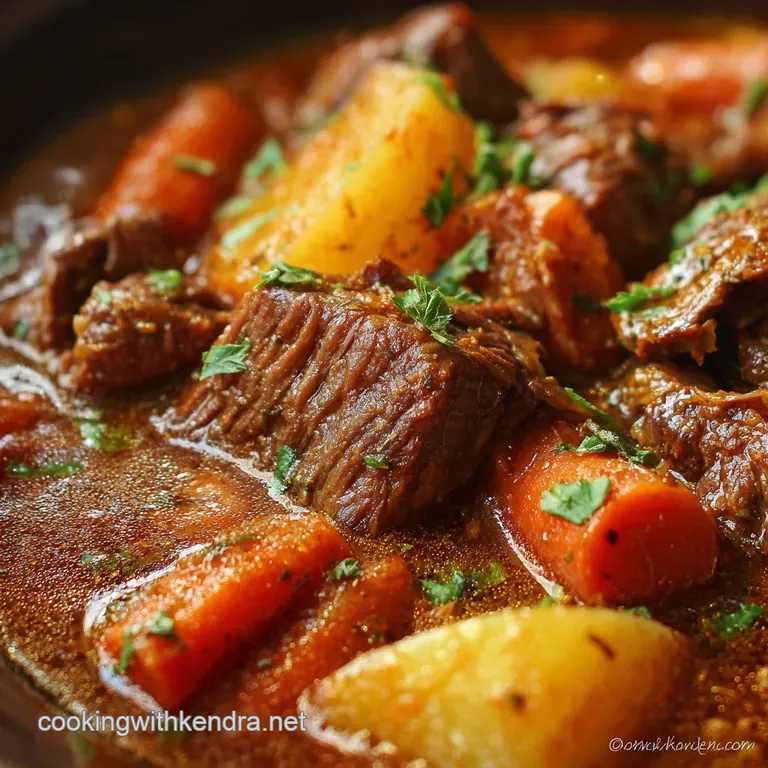
Listen, when that deep, savory aroma starts creeping out of your kitchen, you know exactly what kind of day it’s going to be. It’s the smell of beef and herbs simmering low and slow, promising a velvety, mahogany colored gravy and fork tender chunks of potato.
Seriously, nothing beats the cozy sensory explosion of a proper Crock Pot Beef Stew filling the house.
This specific crockpot recipe is my weeknight MVP, my kitchen lifesaver when I need to feel like a culinary genius without actually doing any work. It's affordable, it’s massively forgiving if you get distracted, and it allows you to walk away for eight hours knowing dinner is quietly sorting itself out.
We are talking maximum flavor yield for minimum effort here.
We are not making a bland, gray pot roast soup today, okay? This version is rich, deeply satisfying, and completely no faff , but it does require just a little pre-planning.
Trust me, spending 20 minutes on the front end means the difference between "meh" and "OMG, this is the best slow cooker beef stew I’ve ever had." Let’s crack on.
The Science of Slow Cooking: Why This Stew Tastes Better
Why We Call This the “No Faff” Method
The beauty of the slow cooker, or Crock Pot, is that it manages two things brilliantly: consistency and containment. It holds everything at a low, steady temperature for hours, preventing the rapid evaporation and scorching that ruins stovetop stews.
This consistency is exactly what tough cuts need to break down the connective tissue and turn into that ridiculously soft texture we crave.
Prep Time vs. Cook Time: Setting Expectations
While the active prep time is only about 25 minutes, don't be fooled the flavor develops over the full seven to eight hours. You’re essentially trading monitoring time for deep, complex flavor.
The cook time on the low setting is perfect for Sunday afternoon football or a full workday, giving the liquid time to transform into a truly incredible gravy.
Required Tools: Is Searing Truly Necessary?
Yes, absolutely. Do not skip the sear. While it’s technically possible to throw everything into the crock pot without browning, you will sacrifice about 80% of the potential depth. All you need is a good heavy bottomed skillet or Dutch oven, and your slow cooker, of course.
The Crucial Step That Creates Deep Flavor (The Maillard Advantage)
We are chasing the Maillard reaction here, which is just the fancy term for browning. Searing the flour coated beef chuck creates hundreds of new flavor compounds that simply cannot be developed in liquid.
When you deglaze that pan later with the wine or stock, you scrape up all those beautiful, caramelized brown bits, which then form the foundation of our incredibly savory stew base.
Achieving the Perfect Fork Tender Texture
We rely on beef chuck for this slow cooker beef stew recipe. Chuck is rich in collagen and connective tissue, which sounds scary but is actually our best friend. Over the long, slow heat, that collagen melts into gelatin, enriching the gravy and moisturizing the meat, resulting in that unbelievably fork tender, melt-in-your mouth experience.
Balancing the Richness: The Role of Acidity and Herbs
A rich, heavy stew needs balance, otherwise, it tastes flat. We use a little tomato paste for savory depth (umami) and a splash of Worcestershire sauce for necessary funk and acidity.
These ingredients, combined with the dried herbs like thyme and bay leaf, prevent the stew from tasting like just cooked meat and potatoes; they make it taste cohesive and complex.
Detailed Ingredient Breakdown: What You Need and Why
Selecting the Right Cut for Your Slow Cooker (Focus on Beef Chuck)
Beef chuck (or stewing beef labeled as chuck) is the reigning champion for the crock pot. It’s inexpensive, rich in flavor, and designed for long, wet cooking.
Chef's Note: If you can't find chuck, look for beef round or brisket flat. They will still yield a fantastic result, but you might need to adjust the cook time slightly shorter.
Essential Aromatics for the Stew Base
Onions, garlic, and celery form the essential holy trinity of our flavor base. We cook them gently until softened, making sure they release their sweet aromas before adding the liquid. They completely melt into the gravy over the long cook time.
Root Vegetable Guide: Prepping and Pre-Sizing
The biggest mistake I made when I first started making crock pot beef stew was cutting my vegetables too small. Carrots and potatoes must be cut into large, uniform 1.5 inch pieces. This ensures they soften beautifully but don't dissolve into grainy mush, keeping the final texture lovely.
Flavor Boosters and Necessary Substitutions (Liquids and Stock)
| Ingredient | Role in the Stew | Viable Substitution |
|---|---|---|
| Beef Chuck | Tender, rich protein source | Brisket or Beef Round (less fat) |
| All-Purpose Flour | Beef coating and initial thickener | Rice Flour or Potato Starch (for GF) |
| Red Wine (Dry) | Acidity, depth, deglazing agent | 1/2 cup Beef Stock + 1 Tbsp Balsamic Vinegar |
| Worcestershire Sauce | Umami, fermented flavor boost | Soy Sauce (less salt needed) or Tamari |
| Potatoes (Waxy) | Starchy bulk, holds shape well | Swede (Rutabaga) or parsnips |
| Beef Stock | The primary liquid and base | Beef Broth or a high-quality vegetable stock |
How to Assemble Your Ultimate Crock Pot Beef Stew: A step-by-step Guide
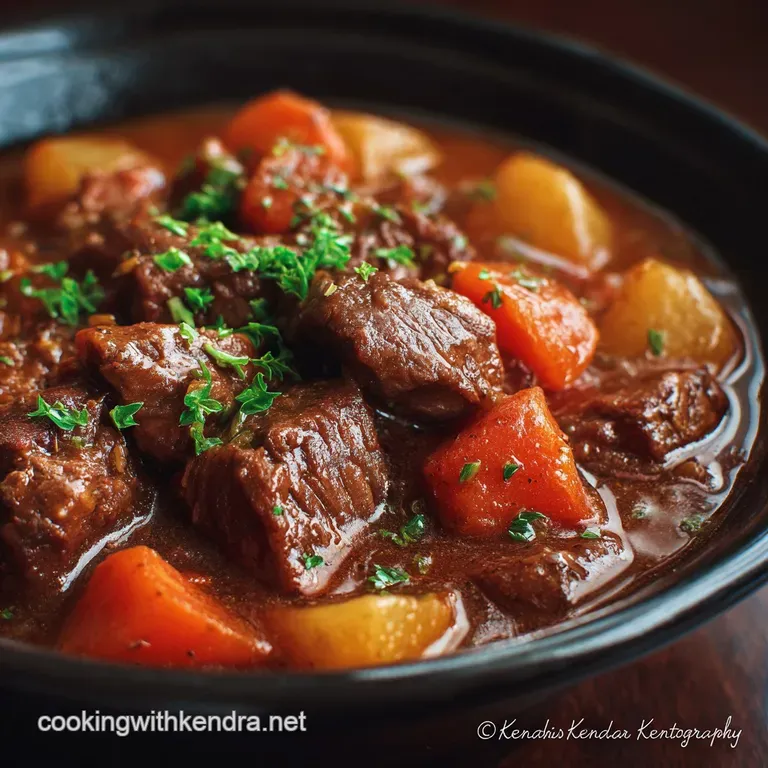
Phase I: Searing the Beef and Building the Aromatic Base
- Prep and Coat: Cube your beef chuck (trim excess fat!), season it seriously well with salt and pepper, and then toss it with the flour until lightly coated. That flour helps the browning and eventually thickens the gravy.
- Sear in Batches: Heat your oil until it shimmers. Sear the beef in single layers this is key! Cook for about 2 minutes per side until deeply browned. Don't crowd the pan, or the beef will steam instead of sear. Transfer only the seared beef to the crock pot bowl.
- Sauté Aromatics and Deglaze: Reduce the heat to medium. Add the diced onion and celery to the skillet and sauté until soft, soaking up all the leftover beef flavor. Stir in the garlic and tomato paste, cooking for one minute until that fragrant, nutty aroma hits you.
- Scrape the Goodness: Pour in your red wine (or substitution) and use your spoon to scrape up every brown bit stuck to the skillet bottom (that’s the 'fond,' and it’s pure flavor gold). Let this liquid bubble and reduce for two minutes.
Phase II: Combining All Ingredients in the Slow Cooker
- Load the Cooker: Pour the onion/wine mixture over the seared beef. Now add the beef stock, Worcestershire sauce, dried herbs, carrots, and potatoes. Give it a gentle stir just to combine everything evenly.
- Set It and Forget It: Cover the crock pot. Cook on LOW for 7– 8 hours or HIGH for 3.5– 4 hours . The beef is done when it shreds easily with a fork. I prefer the low setting because it guarantees maximum collagen breakdown and tenderness.
Phase III: The Final 30 Minutes (Thickening and Resting)
- Check and Adjust: Once the beef is tender, fish out those bay leaves. Give it a good taste test and adjust the seasoning (salt is usually needed).
- The Slurry: If your stew is too liquidy, make a slurry by mixing 1 tablespoon of cornstarch with 2 tablespoons of cold water. Pour the slurry into the simmering stew, stir it well, and let it cook on high for the final 15– 20 minutes. It will become noticeably glossy and thick.
- Rest and Serve: Skim off any large pools of surface fat. Stir in fresh parsley for a hit of brightness and let the whole thing rest for 10 minutes before serving. This resting period allows the beef to redistribute juices and the gravy to set perfectly.
Troubleshooting and Expert Tips for Stew Perfection
Why Is My Stew Too Watery? (Fixing the Consistency)
This usually happens because you skipped the flour coating on the beef, or maybe you used a thinner broth instead of stock. The fix is simple: use the cornstarch slurry outlined in Phase III. Do not add dry flour or cornstarch directly to the stew , as it will clump instantly and ruin your life.
Always dissolve it in cold liquid first.
How to Ensure the Vegetables Don’t Turn to Mush
The main secret is cutting your root vegetables chunky we're talking 1.5 inch pieces, okay? If you want to be extra cautious (maybe you're running the crock pot on high), you can add the carrots and potatoes during the last two hours of cooking instead of the start.
The Best Way to Skim Excess Fat Post Cook
Beef chuck is fatty, which is great for flavor but not always great for mouthfeel. Use a ladle to gently skim the pools of oil off the top before serving. Even better: cook the stew the day before, refrigerate it overnight, and the fat will solidify into a disk you can easily lift right off the top.
This trick makes the gravy unbelievably rich and clean!
Storing Your Leftovers: Freezing and Refrigeration Guidelines
Safe Handling: How Long Does Slow Cooker Stew Last?
Properly cooled and stored, your crock pot beef stew will happily last 3 to 4 days in an airtight container in the fridge. But honestly, it rarely lasts past day two because the flavors are so intense the next day.
The Best Way to Freeze and Reheat Stew Portions
Stew freezes beautifully. Ladle individual portions into freezer safe containers, leaving about an inch of headspace, as the liquid will expand. It keeps well for up to 3 months. To reheat, thaw overnight in the fridge and then warm gently in a pot on the stove until simmering, or use the microwave.
If it seems too thick after thawing, add a splash of beef stock while reheating.
Complementary Sides: What to Serve with Crock Pot Beef Stew
The Best Carbs for Sopping Up the Gravy (Starches and Bread)
A proper stew is nothing without a carb vehicle to transport that glorious gravy to your mouth. You absolutely need something soft and sturdy.
- Mashed Potatoes: This is the classic for a reason. Serving the stew over a mound of creamy, buttery mash is truly the ultimate comfort meal. If you love this kind of hearty, classic pub food, you should totally check out my recipe for Cottage Pie: The Rich Pub-Style Recipe with Cheesy Potato Mash .
- Crusty Bread: A warm, crusty baguette is non-negotiable for cleaning the bowl.
- Egg Noodles: For a slightly different take, spoon the stew over broad egg noodles instead of potatoes.
If you are looking for a lighter take on the slow simmered classic, you might enjoy my recipe for Chicken Stew: The Classic Comfort Recipe (Slow Simmered for Flavor) . But honestly, nothing beats this deep, savory crock pot beef stew when the weather turns cold. Enjoy, my friend!
Recipe FAQs
Can I skip searing the beef chuck before placing it in the slow cooker?
While technically possible, searing the beef is highly recommended as it is crucial for maximizing flavor depth. The Maillard reaction created during browning develops complex, savory compounds that are essential to a rich stew base.
Skipping this initial step often results in a flatter, less complex final product that lacks the "long simmered" taste.
How do I thicken the stew if it is too runny after the cooking time is complete?
If the stew is too thin, create a simple slurry by mixing 1 tablespoon of cornstarch with 2 tablespoons of cold water until smooth. Turn the slow cooker setting to high, then slowly stir the cornstarch mixture into the hot stew. Allow it to simmer uncovered for the last 30 minutes, which activates the thickening agent.
What is the best cut of beef to use, and can I substitute chuck?
Beef chuck is ideal because its high amount of connective tissue breaks down perfectly over a long, slow cook, yielding extremely tender and moist results. You can substitute short ribs or beef round, but avoid very lean cuts like sirloin or tenderloin.
Leaner cuts will dry out and become tough before the root vegetables are fully cooked.
My potatoes and carrots were mushy. How can I prevent the vegetables from becoming overcooked?
To prevent mushiness, ensure your potatoes and carrots are cut into large, uniform 1.5 inch pieces, as smaller cuts cook too quickly. You can also add heartier vegetables later in the process, around the 4 to 5 hour mark if cooking on low.
Alternatively, add soft vegetables like peas or mushrooms only during the last 30 minutes of the cooking cycle.
Can I cook the Crock Pot Beef Stew on the high setting instead of low?
Yes, you can cook the stew on the high setting, though cooking low and slow is always preferred for maximizing tenderness. Cooking on high typically cuts the total time by about half, requiring 3.5 to 4 hours instead of 7 to 8 hours. Always ensure the internal temperature reaches 160°F (71°C) before serving.
Why does my beef stew taste bland or watery, even after simmering all day?
Blandness usually stems from insufficient seasoning or lack of acidity to balance the richness. Ensure you are tasting and seasoning aggressively with salt and pepper before serving; seasoning throughout the cook is key.
If it still tastes flat, a splash of red wine vinegar or balsamic vinegar stirred in at the end will brighten the entire flavor profile.
How long does leftover beef stew last, and can I freeze it?
Leftover beef stew keeps well in an airtight container in the refrigerator for 3 to 4 days. For freezing, cool the stew completely before transferring it to freezer safe bags or containers; it can be stored for up to 3 months.
Note that some root vegetables, especially potatoes, may develop a slightly mealy texture upon thawing and reheating.
Ultimate Crock Pot Beef Stew Recipe
Ingredients:
Instructions:
Nutrition Facts:
| Calories | 514 kcal |
|---|---|
| Protein | 47.8 g |
| Fat | 30.6 g |
| Carbs | 9.7 g |
