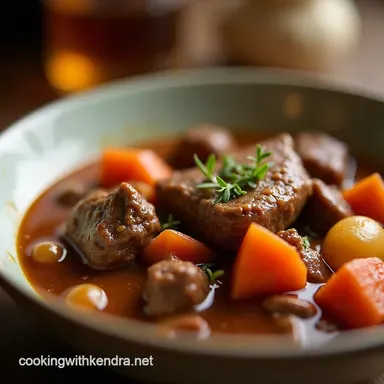
The Set It and Forget It Classic Deeply Flavourful Slow Cooker Beef Stew
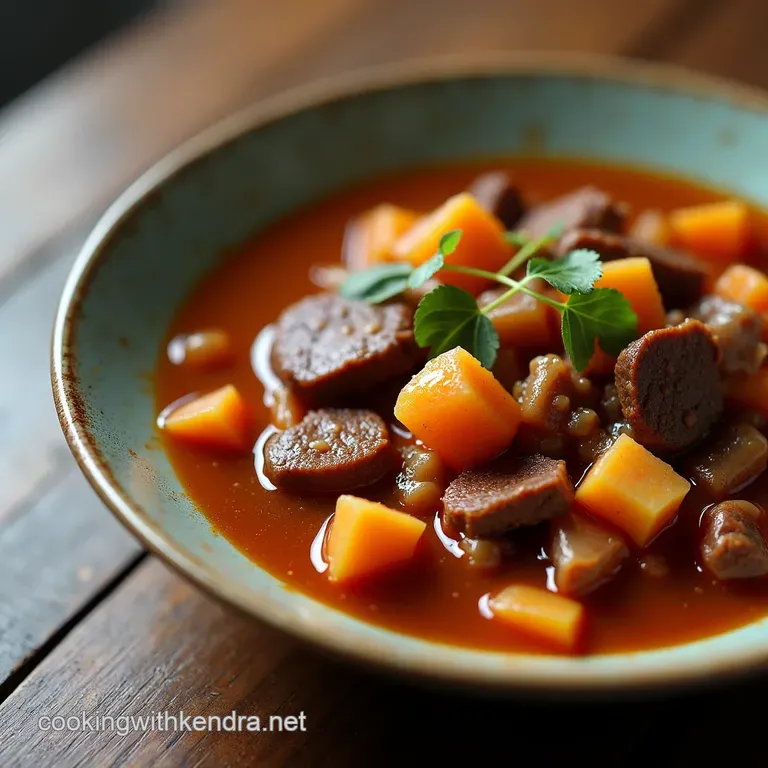
- The Ultimate Comfort Dish: Why This Slow Cooker Beef Stew Shines
- Unlocking Deep Savoury Flavours Without the Fuss
- Sourcing the Stars: Essential Components for Richness
- Building the Flavor Base: The Initial Searing Step
- The Low and Slow Journey: Cooking Timeline Explained
- Elevating Your Bowl: Serving Suggestions and Garnishes
- Troubleshooting and Storing Your Leftover Slow Cooker Masterpiece
- Recipe FAQs
- 📝 Recipe Card
The Ultimate Comfort Dish: Why This Slow Cooker Beef Stew Shines
There is a specific kind of culinary magic that happens when you combine simple ingredients, low heat, and time. This Slow Cooker Beef Stew is the epitome of that magic a dish that transforms tough cuts of meat into fork tender perfection while you carry on with your busy day.
It embodies everything we crave from a home cooked meal: deep, resonant flavour, satisfying textures, and a comforting aroma that welcomes you home. This isn't just another stew; it’s an affirmation that the best food often requires the least amount of active supervision.
Unlocking Deep Savoury Flavours Without the Fuss
The brilliance of using a slow cooker lies in its ability to coax incredible depth from ingredients that might otherwise need hours of attention on the stovetop. Our objective here is to create a Hearty Beef Stew Crockpot version that rivals any pub classic, yet demands minimal hands-on time.
We achieve this by layering foundational flavours right at the beginning, ensuring that every minute the stew spends simmering contributes significantly to the final taste profile.
This Beef Stew Recipe Slow Cooker is designed to be incredibly forgiving, making it accessible even for those new to cooking.
Why Batch Cooking This Stew is Your Weeknight Secret Weapon
The beauty of preparing this substantial meal lies in its inherent scalability and superior flavour evolution upon refrigeration. Once you have prepared this Easy Slow Cooker Beef Stew , you have several future dinners handled.
The flavour profile deepens considerably overnight as the beef continues to absorb the seasoned broth. Portioning out leftovers for lunch the next day or freezing full meals ensures that you have ready-to-go sustenance for weeks, turning a single afternoon of chopping into a strategic time saver.
Defining the 'Hearty Hug' Factor in Every Bite
What makes this a true Comfort Food Stew Beef ? It’s the balance: the yielding texture of the potatoes and carrots against the succulent, shredded beef, all suspended in a glossy, rich gravy.
We use chuck roast, a cut inherently rich in connective tissue, which breaks down beautifully in the moist heat of the slow cooker, releasing gelatin that naturally enriches the sauce. It’s a meal that satisfies on a primal level, offering warmth and substance in every spoonful.
Tools Required for Effortless Crockpot Cooking
While the actual cooking is hands off, preparation requires a few key implements. You’ll certainly need your trusty 6-quart or larger slow cooker, but before anything goes into that vessel, a heavy bottomed skillet or Dutch oven is essential for the crucial initial browning step.
This initial sear is what develops the complex, browned flavour compounds. Finally, a chef’s knife, cutting board, and a small bowl for mixing your finishing slurry are all you need to prepare this truly simple recipe.
Sourcing the Stars: Essential Components for Richness
A magnificent stew begins with quality components. We are aiming for a deeply savoury outcome, which relies heavily on the primary ingredients we choose for the beef and the accompanying liquids.
Choosing the Premier Cut of Beef for Slow Cooker Beef Stew
For the best results in this Slow Cooker Beef Stew , texture is paramount. Skip the lean steaks; they tend to dry out. The champion cut is Beef Chuck . Cut into roughly 1.5 inch cubes, the chuck contains the right amount of marbling and connective tissue.
As it cooks slowly, this tissue melts into rich gelatin, creating that desirable, almost buttery tenderness in the meat and thickening the sauce naturally. Aim for about 2.5 pounds of good quality chuck roast for six generous servings.
The Essential Pantry List: Spices, Liquids, and Aromatics
The liquids are the backbone of our gravy. We rely on a robust, low-sodium beef broth (about 4 cups) as the primary liquid base. To introduce acidity and depth, tomato paste and Worcestershire sauce are incorporated early on.
For aromatics, fresh herbs like rosemary and thyme sprigs, along with two bay leaves, infuse the stew with traditional, woodsy notes during the long simmer. If you wish to make this a Slow Cooker Beef Stew No Wine version, the acidity can be compensated for by adding a teaspoon of balsamic vinegar to the broth mixture.
Preparing Your Root Vegetables for Optimal Texture
The root vegetables potatoes, carrots, and celery are added later in the cooking process to prevent them from turning to mush. About 1.5 pounds of Yukon Gold or Russet potatoes, cut into uniform 1 inch chunks, provide satisfying heft.
Carrots should be cut similarly, while celery stalks should be sliced thickly. Adding these components later, approximately 2 hours before the end of cooking, ensures they retain their shape while becoming perfectly tender.
Don't forget a half cup of frozen peas, added right at the very end for a pop of colour and sweetness.
Related Recipes Worth Trying
- Foolproof Mississippi Pot Roast FallApart Beef Recipe — Meet your new favourite Slow Cooker Pot Roast This Mississippi Pot Roast Recipe is incredibly easy and yields the most tender flavourpacked beef every time...
- Easy Slow Cooker Garlic Butter Beef Bites Recipe — Forget pans These Slow Cooker Garlic Butter Beef Bites cook themselves into meltinyourmouth perfection A foolproof way to make hearty slow cooker comfort food
- Velvet Beef and Broccoli StirFry Better Than Takeaway — Unlock the secret to truly tender beef with this Homemade Beef and Broccoli recipe Quick glossy and deeply flavourful sauce awaits
Building the Flavor Base: The Initial Searing Step
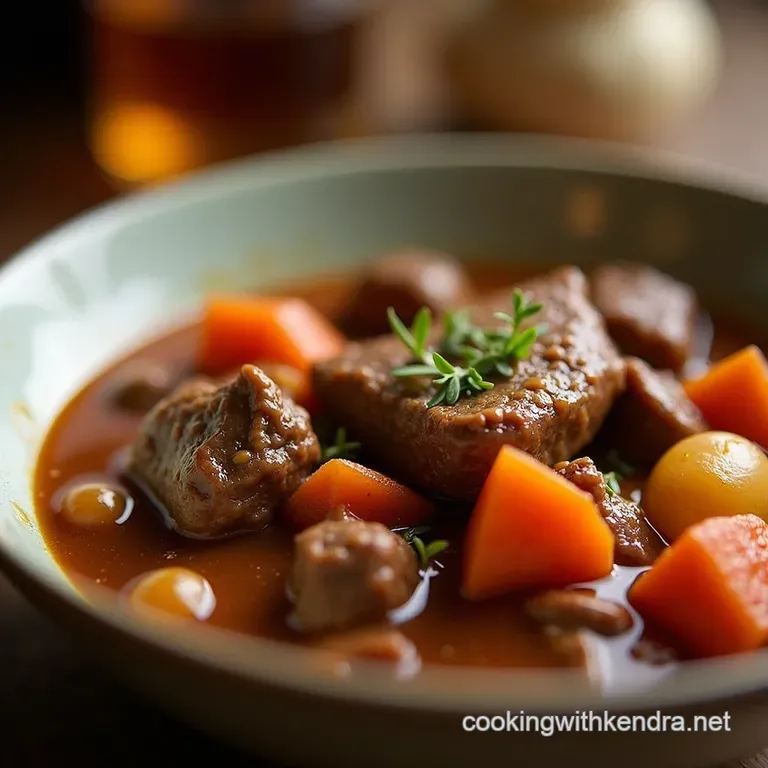
This initial stage is arguably the most important step in transforming simple ingredients into a rich Classic Beef Stew Recipe . If you are tempted to skip this, I strongly urge you not to; the development of flavour here is crucial for the final result.
Quick Technique: Browning Your Beef Chunks Effectively
Before the beef enters the slow cooker, we must develop the Maillard reaction. Take your cubed beef and toss it thoroughly in a mixture of all-purpose flour, kosher salt, and black pepper. This light coating helps create a superior crust when searing and contributes slightly to the final thickness of the gravy.
Heat two tablespoons of olive oil in your Dutch oven over medium high heat. Sear the floured beef in batches do not overcrowd the pan until deep brown on all sides. Remove the browned beef and set it aside while you move to the next step.
The Low and Slow Journey: Cooking Timeline Explained
Once the foundational flavours are established, the slow cooker takes over, working its magic over many hours to tenderize the meat and meld the seasonings into a cohesive sauce.
Layering Ingredients for the Perfect Slow Cooker Beef Stew Assembly
After searing the beef, you’ll return to the same skillet to sauté the roughly chopped yellow onion in the rendered fat until soft. Add three cloves of minced garlic and two tablespoons of tomato paste, cooking until fragrant.
This is where we deglaze: pour in one cup of dry red wine (or broth substitute) and use a wooden spoon to scrape up every flavourful browned bit stuck to the pan bottom. Once reduced slightly, transfer all the contents the beef, the onion/wine mixture, the beef broth, Worcestershire sauce, and the fresh herbs (rosemary, thyme, bay leaves) into the slow cooker insert.
Stir everything gently.
When to Introduce Thickeners for a Glossy Finish
The initial cooking phase should run for a full 6 hours on the Low setting . This is the tenderizing stage. Only after the beef has softened should you introduce the chunky root vegetables (potatoes, carrots, celery).
Continue cooking for another 2 hours on Low, ensuring the vegetables reach tenderness. To create the glossy, thick gravy essential for a great Slow Cooker Beef Stew Recipe , prepare a slurry of 2 tablespoons of cornstarch whisked thoroughly with 3 tablespoons of cold water.
Stir this slurry into the hot stew and cook on High for the final 15 to 20 minutes until the gravy visibly thickens.
Verifying Doneness: When Is Your Stew Ready to Serve?
Doneness is defined by two factors. First, the root vegetables should yield easily to the pressure of a fork. Second, the beef should shred apart with almost no resistance when nudged with that same fork. If the beef still feels chewy, it needs more time; the connective tissue hasn't fully broken down yet.
If the stew seems too thin after the initial thickening, you can always add a very small second slurry batch.
Elevating Your Bowl: Serving Suggestions and Garnishes
Once the stew has rested for ten minutes off the heat allowing the gravy to settle and deepen its texture it’s time to serve. The richness of this meal pairs beautifully with simple, absorbent sides.
Pairing Perfection: What to Serve Alongside This Stew
For the quintessential experience, serve this stew over creamy, buttery mashed potatoes the perfect vehicle for soaking up that flavourful gravy. Alternatively, a hunk of crusty sourdough or a simple homemade biscuit is ideal for dipping.
If you are looking for a slightly lighter foundation, buttered egg noodles are a wonderful classic accompaniment that complements the hearty nature of the beef perfectly.
Troubleshooting and Storing Your Leftover Slow Cooker Masterpiece
Even the most foolproof recipes occasionally need minor adjustments, and leftovers are a gift that keeps on giving when handled correctly.
The Secret to a Perfectly Thickened Gravy (Without Extra Cornstarch)
If, after adding the cornstarch slurry and cooking on high for 20 minutes, your stew is still thinner than you’d like, the secret is patience and incremental adjustment.
Whisk together a tiny second slurry (1 teaspoon of cornstarch to 2 teaspoons of cold water) and stir it in, cooking for an additional 15 minutes. If you’ve skipped the initial flour dredge on the beef entirely, you might need a bit more encouragement here to achieve that signature texture of a premium Healthy Slow Cooker Beef Stew base.
Creative Twists: Alternative Vegetables and Herb Infusions
While we stick to a classic profile, feel free to experiment. Swapping half the potatoes for sweet potatoes or adding parsnips adds complexity. For herbaceous variation, consider substituting the rosemary and thyme for a bay leaf and a teaspoon of dried Italian seasoning blend stirred in with the broth, creating a subtle shift in the overall aromatic profile.
Freezing Instructions for Future Weekday Feasts
This stew freezes exceptionally well, making it an ideal meal prep candidate. Cool the stew completely before transferring it into heavy duty, freezer safe containers or zip-top bags, ensuring you leave about an inch of headspace if using rigid containers.
When ready to enjoy, thaw overnight in the refrigerator and reheat gently on the stovetop or in the microwave. This ensures you always have a high-quality meal ready, perhaps even something you can serve with Crockpot Beef Stew Dumplings next time around!
Recipe FAQs
Do I really have to sear the beef before putting it in the Slow Cooker Beef Stew? It looks like extra faff!
Honestly, while it feels like an extra step, searing is the secret weapon here! It creates a deep, savoury crust through the Maillard reaction, which is flavour that the slow cooker just can't replicate on its own.
Think of it as the difference between a lukewarm cup of tea and a proper builder's brew it’s worth the effort for that rich, traditional taste.
My stew seems a bit watery after 8 hours how do I get that thick, pub-style gravy?
That's a common query, especially since we add the vegetables later! The solution is our cornstarch slurry, which you add right at the end. Whisk 2 tablespoons of cornstarch with cold water until it's smooth, then stir it into the hot stew and cook on High for 15-20 minutes.
It thickens beautifully; just don't add the slurry right at the beginning, or it won't work its magic.
Can I make this Slow Cooker Beef Stew ahead of time, or is it better fresh?
This stew is even better the next day! Once cooled, store it in an airtight container in the fridge for up to 3-4 days, or freeze portions for up to three months. When reheating, you might find it needs a tiny splash of extra broth or water to loosen the gravy back up, but the flavours will have married wonderfully overnight.
What if I want to leave out the red wine? What’s the best substitution?
No worries at all if you're avoiding alcohol; you won't lose all the acidity! For a non-alcoholic alternative, swap the wine for an equal amount of extra beef broth mixed with about one teaspoon of balsamic vinegar. The vinegar provides that little acidic lift needed to balance the richness, much like the wine would.
When should I add the potatoes and carrots so they aren't mush by dinner time?
To prevent your root vegetables from turning to complete mush, add them in the final 2 hours of cooking. We suggest cooking the beef alone for 6 hours on Low first, then adding the chopped potatoes, carrots, and celery. This gives them just enough time to become tender without dissolving into the gravy.
Classic Slow Cooker Beef Stew