The Ultimate Sunday Best Slowcooked Pot Roast with Rich Onion Gravy
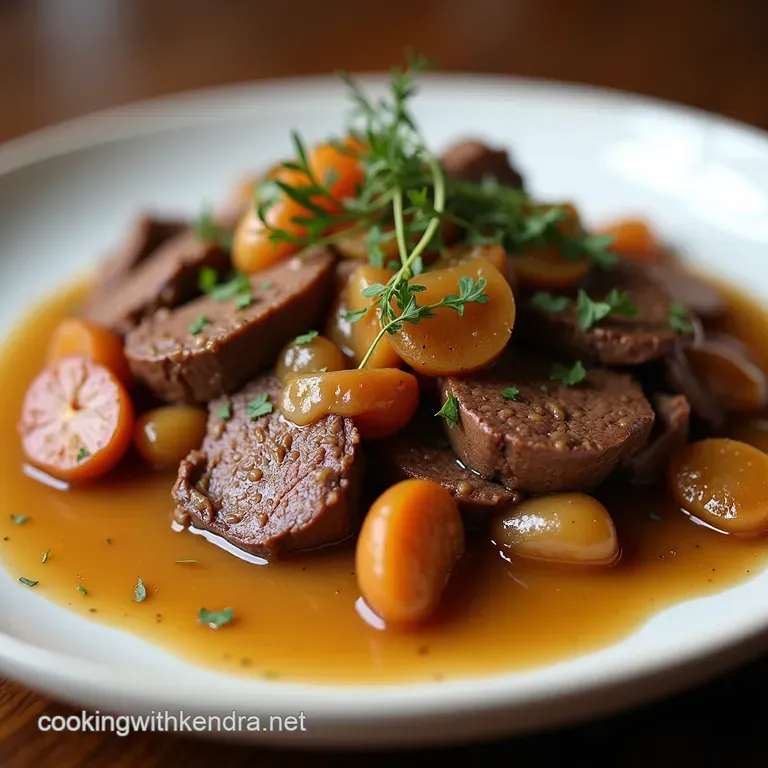
- Unlocking the Secrets to Truly Fork-Tender Pot Roast
- The Definitive Guide to Sunday Comfort Cooking
- Sourcing Your Star Ingredient: Choosing the Best Roast Cut
- Mastering the Searing Technique: Building the Maillard Crust
- The Braising Ballet: Simmering to Sublime Texture
- Elevating Your Meal: Serving Suggestions and Side Dishes
- Storing and Reheating Your Leftover Pot Roast Feast
- Recipe FAQs
- 📝 Recipe Card
Unlocking the Secrets to Truly Fork Tender Pot Roast
There is a certain magic that happens in the kitchen when you commit to a slow cooked meal. The aroma alone a deep, savory promise can transform a regular weekday into something approaching a celebration. Our focus today is mastering the quintessential comfort food: the Pot Roast .
This isn't merely throwing ingredients into a pot; it’s an art form built on technique, patience, and layering foundational flavour. Achieving that fall apart, melt-in-your mouth texture from a sturdy cut of beef is entirely achievable, turning what seems like a humble ingredient into a centerpiece worthy of any Sunday Dinner Recipes spread.
The Definitive Guide to Sunday Comfort Cooking
The recipe we are exploring today champions the traditional method of low-and-slow cooking, transforming a tougher cut of beef into something unbelievably succulent. We aim to build deep flavour layers, starting with a flavour packed sear, moving through aromatic vegetables, and culminating in a deeply satisfying gravy crafted right in the roasting vessel.
This Pot Roast Recipe is hearty, deeply comforting, and guaranteed to have everyone asking for seconds it’s pure culinary contentment. While this falls into the 'Medium' difficulty range, that designation speaks more to the necessary patience than complex execution; the steps themselves are delightfully straightforward.
We are looking at about 30 minutes of active prep time, culminating in a total cook time of 3.5 to 4. 5 hours, yielding 6 generous servings.
Why Low and Slow is Non-Negotiable for Beef Success
The secret weapon in creating the Perfect Pot Roast lies in understanding connective tissue. Cuts like the chuck are full of collagen, which, when cooked quickly, results in tough, chewy meat.
However, when subjected to moist heat at low temperatures ideally around 300° F ( 150° C) in the oven that collagen slowly dissolves into luscious gelatin.
This gelatin coats the muscle fibers, lending incredible moisture and that signature, fork tender texture. Rushing this process guarantees disappointment; honoring the low and slow mandate guarantees success.
Aromatic Foundations: Setting the Stage for Deep Flavour
Before the beef even hits the heat, we must establish a robust flavour base. This starts with properly preparing your aromatics. We utilize classic mirepoix onions, carrots, and celery but we don’t just toss them in raw.
They are sautéed first to release their inherent sugars and deepen their earthy profiles. Following this, the addition of tomato paste, which needs a moment to cook out its raw edge and caramelize, provides crucial depth and acidity that balances the richness of the beef broth.
Sourcing Your Star Ingredient: Choosing the Best Roast Cut
Selecting the right beef is perhaps the most critical decision when preparing an Easy Pot Roast . We are not aiming for tenderness upfront; we are aiming for texture that becomes tender through braising.
Selecting the Ideal Beef for Maximum Tenderness
For this application, the Chuck Roast Recipes are the gold standard. Look for a 3 lb (approx. 1.35 kg) piece that is well marbled with intramuscular fat. If available, a "mock tender" or "shoulder roast" works beautifully.
The marbling melts during the long cook, basting the meat from within, ensuring it doesn't dry out while the collagen breaks down. Tying the roast with butcher’s twine is optional but recommended as it helps the roast hold a uniform shape during searing and cooking, promoting even moisture distribution.
The Mirepoix Magic: Essential Root Vegetables
While the beef is the star, the supporting cast of vegetables provides essential sweetness and body to the final gravy. For our braise, we use 2 large yellow onions, 3 large carrots cut into rustic 1 inch chunks, and 3 medium celery stalks sliced thickly.
These hardy vegetables stand up well to the hours long cooking process without turning to complete mush, offering texture when you finally serve the dish. Don’t forget 4 smashed garlic cloves for that potent, savory punch.
Essential Cookware for Achieving Perfect Pot Roast Results
While you can achieve this result using a Slow Cooker Pot Roast method, the most superior crust development and flavour concentration are achieved in a heavy Pot Roast Dutch Oven .
This heavy cast iron vessel retains heat incredibly well and moves seamlessly from the stovetop (for searing and sautéing) directly into the oven for the long braise. If a Dutch oven isn't available, any heavy, oven safe pot with a tight fitting lid will suffice.
Related Recipes Worth Trying
- Easy Crock Pot Party Meatballs with Grape Jelly Glaze — Whip up the ultimate Slow Cooker Meatballs for your next gathering These easy Crock Pot Party Meatballs are foolproof and packed with flavour Get the recipe
- The Ultimate Crock Pot Sloppy Joes Recipe Low Effort Big Flavor — Skip the pan These Slow Cooker Sloppy Joes deliver rich tangy comfort food with almost zero handson time Perfect for an easy weeknight meal or feeding a crowd
- The Best SlowCooked Pot Roast Recipe with Red Wine Gravy — Unlock forktender meat every time This classic Pot Roast Recipe uses the Dutch Oven method for the richest gravy imaginable Learn how to make pot roast in...
Mastering the Searing Technique: Building the Maillard Crust
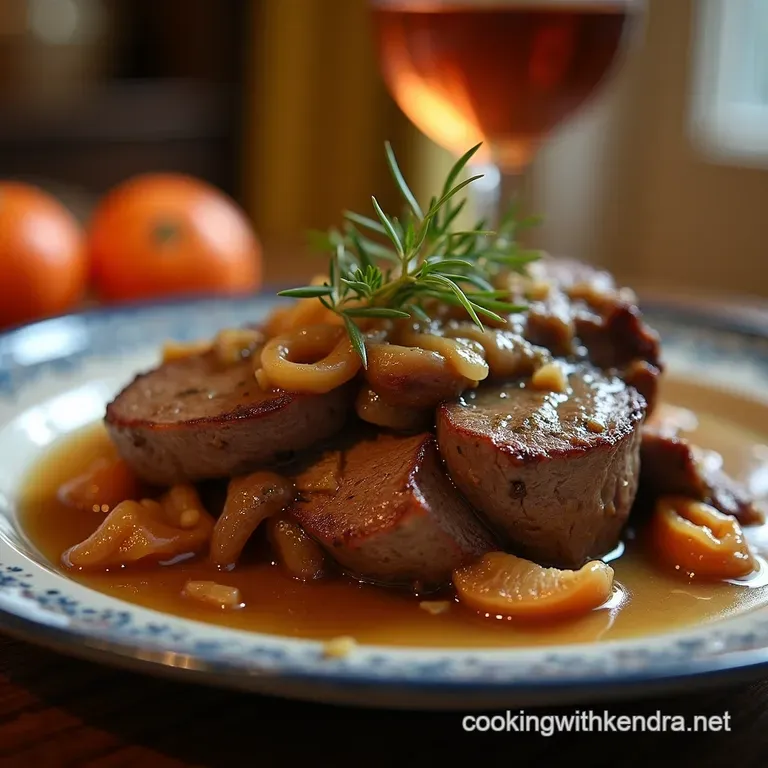
This step is non-negotiable for building true flavour complexity. We season a 3 lb chuck roast generously with 2 teaspoons of kosher salt and 1 teaspoon of black pepper, then lightly dredge it in ¼ cup of all-purpose flour, shaking off the excess.
Heat 2 tablespoons of olive oil in your Dutch oven over medium high heat until shimmering hot. Sear the meat on all sides about 3 to 4 minutes per side until a deep, dark brown crust, known as the Maillard reaction, has formed.
This crust is the essence of savoury depth; once achieved, transfer the roast to a plate and set aside.
The Braising Ballet: Simmering to Sublime Texture
With the beef seared and set aside, the real flavour extraction begins in the same pot, using the flavorful remnants left behind.
step-by-step: Creating the Savoury Beef Foundation
First, reduce the heat to medium and add your chopped onions, carrots, and celery. Sauté these aromatics for about 8 minutes until they begin to soften and sweeten.
Next, stir in 2 tablespoons of tomato paste and cook for one full minute until it darkens, signalling that its flavour has concentrated. Now is the time to add 4 smashed garlic cloves and 4 sprigs of fresh thyme and 2 dried bay leaves, cooking until fragrant.
Deglazing Secrets for Velvety Gravy Base
If you opt for the depth that dry red wine provides (1 cup, such as a Merlot), pour it into the pot now. Bring it to a steady simmer and use a wooden spoon to aggressively scrape up every browned bit the fond —from the bottom of the pot. This dissolved flavour anchors your final gravy.
Let this wine reduce by about half. If omitting wine, you can use a teaspoon of apple cider vinegar mixed into the broth for necessary acidity. Following this reduction, return the seared roast to the pot.
Pour in 4 cups of low-sodium beef broth and 1 tablespoon of Worcestershire sauce, ensuring the liquid comes about two-thirds of the way up the side of the meat.
Timing the Tenderizing Phase: Oven vs. Slow Cooker Methods
For the oven method, bring the liquid just to a gentle simmer on the stovetop, then cover the Dutch oven tightly and transfer it immediately to a preheated oven set at 300° F ( 150° C).
Allow it to roast undisturbed for 3 hours, then gently turn the roast over. If you are incorporating 1.5 lbs of quartered Yukon Gold potatoes, nestle them around the meat at this stage.
Continue cooking until the beef is entirely fork tender typically 3.5 to 4 hours total. For the Slow Cooker Pot Roast enthusiast, transfer the seared beef and sautéed aromatics to the slow cooker, use only 3 cups of broth, and cook on LOW for 8 to 10 hours or HIGH for 4 to 5 hours.
Elevating Your Meal: Serving Suggestions and Side Dishes
Once the meat yields effortlessly to a fork, remove the roast and vegetables to a platter and tent loosely with foil to rest for at least 15 minutes this resting period allows the juices to redistribute. While the roast rests, focus on the gravy.
Strain all the cooking liquid into a saucepan, discarding the spent herbs and solids. Skim the excess fat from the surface. This intensely flavoured liquid is the base for your gravy.
If the liquid isn't thick enough, whisk in a slurry (1 tbsp cornstarch dissolved in 2 tbsp cold water) until it reaches a desirable, velvety consistency. Taste and adjust the final seasoning before spooning it liberally over the shredded or sliced beef and root vegetables.
Storing and Reheating Your Leftover Pot Roast Feast
This dish, perhaps more than any other, tastes even better the next day. Leftover Pot Roast can be stored in an airtight container in the refrigerator for up to 4 days.
Gravy Gold: Thickening and Seasoning Adjustments
When reheating the gravy, it will likely have thickened considerably due to residual starch or gelatin. Add small splashes of water or extra broth while gently simmering to restore its original pouring consistency.
Always re-taste at this stage, as flavours concentrate during cooling; you may need a final pinch of salt or a dash of black pepper to brighten the profile.
Troubleshooting Common Pot Roast Pitfalls
If, after 4 hours, your roast is still resisting the fork, don't panic; the heat is likely too low, or you have a particularly dense cut. Simply cover it back up and return it to the oven, checking again every 30 minutes.
If you find your final gravy is too thin, use the cornstarch slurry method described earlier. If it's too salty, a starchy addition like a peeled, quartered potato simmered briefly in the gravy before removing it can absorb excess sodium.
Freezing Instructions for Future Comfort Meals
For long term storage, freeze the shredded meat and vegetables separately from the gravy, or freeze them together in airtight containers. For the best results, cool the gravy completely first, then slice the hardened fat cap off the top before freezing the liquid below.
When ready to enjoy again, thaw overnight in the refrigerator, reheat gently on the stovetop, and finish with fresh seasoning. This ensures your future Pot Roast experience is just as memorable as the first.

Recipe FAQs
How do I make sure my Pot Roast isn't dry? It seems to happen every time!
The key to succulent roast is low and slow cooking; don't be tempted to rush it! Make sure your beef reaches an internal temperature of around 200-205°F (93-96°C), which is slightly higher than standard steak temps, as this allows the connective tissue to fully break down.
Also, resting the meat loosely tented with foil after cooking is crucial to redistribute the juices before serving.
When should I add the potatoes to the Pot Roast so they don't turn to mush?
If you are using hardy root vegetables like those in the recipe (carrots, onions), they can go in with the meat initially. However, for potatoes, add them in for the last hour of cooking only.
Nestle them directly into the braising liquid so they steam and cook through without disintegrating while the beef finishes tenderising.
Can I make this beef recipe in a slow cooker or Instant Pot instead of the oven?
Absolutely! The slow cooker is brilliant for truly hands off cooking; aim for 8 to 10 hours on low after searing the beef and sautéing the vegetables. If you're using an Instant Pot, sear everything first, then cook under high pressure for about 75 minutes, followed by a natural 15-minute pressure release for the best texture.
My gravy isn't rich enough. What's the secret to that deep, restaurant quality flavour?
That deep flavour comes from the fond the browned bits left in the pot after searing! Make sure you deglaze properly with wine or broth to lift all those flavour particles before adding the main liquids.
Also, don't skip browning the tomato paste for a minute; it adds significant depth, much like adding a splash of Bovril for an extra savoury punch.
How long will leftovers keep, and can I freeze my Pot Roast?
Leftovers are magnificent the flavour deepens overnight! Store the roast and gravy in separate airtight containers in the fridge for up to 4 days. For freezing, it freezes beautifully; place cooled meat and gravy together in a freezer safe container, and it will keep well for about three months.
Thaw overnight in the fridge before reheating gently on the stovetop.
Ultimate Sunday Pot Roast
Ingredients:
Instructions:
Nutrition Facts:
| Calories | 744 kcal |
|---|---|
| Protein | 11.7 g |
| Fat | 24.8 g |
| Carbs | 67.2 g |
| Fiber | 18.0 g |
| Sodium | 718 mg |
