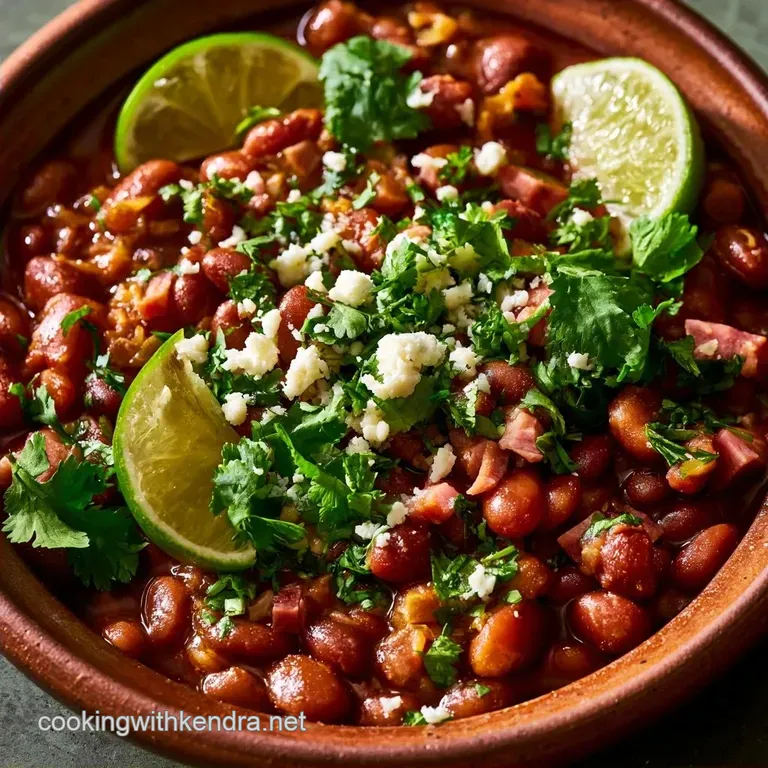
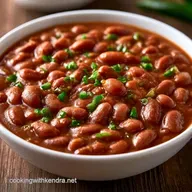
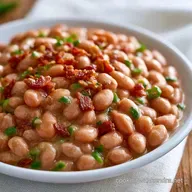
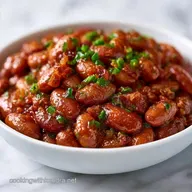
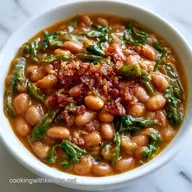
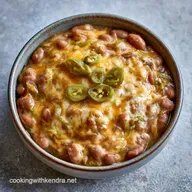
Pinto beans are the working partners of the pantry. They simmer down into a creamy gravy, smash into smooth refried beans, or toss cleanly with lime and cilantro. Busy cooks rely on them because they absorb aromatics like a sponge.
When dried beans hit the hot pot, a warm, earthy fragrance fills the kitchen. If you rush the simmer, the centers stay chalky and tough. A gentle heat softens them completely.
This collection covers everything from slow cooked Mexican style pinto beans to quick tossed summer salads. You will find reliable ways to prepare both dried and canned varieties.
What Are Pinto Beans?
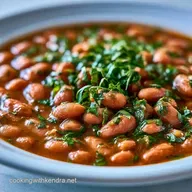
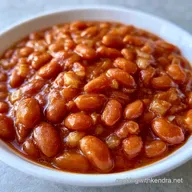
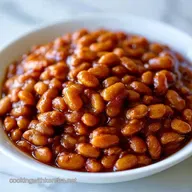
Pinto beans are speckled oval legumes. During cooking, their mottled pink and brown skins fade to a uniform pinkish tan. Their interiors become buttery and soft.
They are staples in Mexican and Southern cuisines because their starch naturally thickens cooking broths. If you cook them with salt too early, the skins sometimes remain tough. Wait until they soften before seasoning heavily.
They have a mild, nutty flavor.
How to Choose the Best Pinto Bean Recipe
Selecting the right approach depends on your schedule. Dried beans cooked from scratch yield a deeply savory, rich broth. Steam rises from the pot with a rich, ham scented aroma.
If you need dinner in fifteen minutes, canned beans save the day. Rinse them under cold water to wash away the metallic canning liquid. This step keeps your salads bright.
Cold salads suit warm summer afternoons.
Homemade Refried Beans Dishes
These recipes turn whole legumes into creamy, spreadable staples using mashing techniques. They differ from whole bean dishes by prioritizing a smooth texture that works as a taco base or dip.
Fifteen minutes and a can of pinto beans are all you need to mimic authentic lard cooked restaurant sides. Bacon grease provides the essential savory depth without hours of prep work.
Sour cream added at the end gives these mashed beans a wonderfully smooth finish. This simple technique balances the earthy notes of canned pinto beans with a pleasant, tangy richness.
Shredded cheese folded into warm beans creates a gooey, rich comfort food side. This delicious preparation pairs wonderfully with grilled chicken or fresh flour tortillas on weeknights.
These dishes utilize low, steady crockpot heat to tenderize dried legumes without any pre soaking required. While stovetop methods demand constant monitoring, these slow cooked options let you walk away for hours while a rich broth develops naturally.
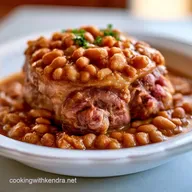
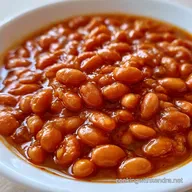
Simmering dried beans all day with a smoky ham hock creates a rich, self thickening gravy. It offers a classic Southern profile that stands apart from quicker, lighter Mexican variations.
An eight hour slow cook with Mexican oregano tenderizes these legumes perfectly. This hands off side dish lets you prepare a large batch of seasoned beans with virtually no effort.
Zero soaking is required for this crockpot method using onion, garlic, and dried legumes. This approach relies on a long eight hour simmer to soften the skins naturally.
Toasting cumin and coriander seeds before slow cooking dried beans coaxes out an incredibly aromatic base. This seasoned recipe delivers deep, complex flavor over an effortless half day simmer.
These comforting pots combine legumes with smoky meats and rich broths for complete, ladle ready meals. They stand out from dry sides by using high volume liquids to create deeply seasoned bases for cold weather dining.
Sautéing smoky chorizo and bacon first establishes a rich fat base for this quick cooking soup. It stands out from slow simmered options by delivering intense, smoky flavor in just thirty five minutes.
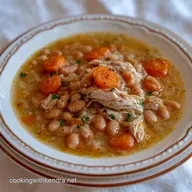
Chicken thighs get seared before joining the beans in this comforting pot. This substantial one pot soup turns simple, budget-friendly pantry legumes into a full family dinner in one hour.
Leftover ham bones find a second life in this quick pressure cooker soup. It coaxes out deep flavor from the bone in a fraction of the usual stovetop simmering time.
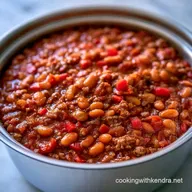
Thick chili usually requires cornstarch, but this recipe relies on mashed beans instead. Searing the beef first ensures a deep, caramelized flavor base that complements the soft beans beautifully.
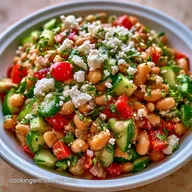
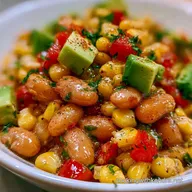
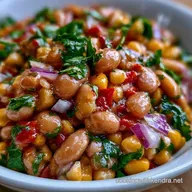
These cold preparations pair cooked legumes with crisp vegetables and bright vinaigrettes in under fifteen minutes. Unlike the warm simmered dishes, these focus on raw crunch and fresh, zesty flavors that require zero cooking time.
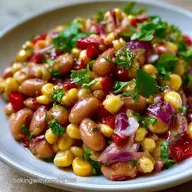
Toss cooked beans with crisp sweet corn and a bright, lime based vinaigrette for a speedy side. This version is entirely no cook. It provides a cooling contrast to heavy, warm dishes.
Whisk olive oil, lemon juice, and salty feta with pinto beans for a quick, Greek inspired lunch. This refreshing salad breaks away from Mexican flavor profiles with its bright herb dressing.
Combine buttery avocado chunks with cold pinto beans and a sharp lime dressing for a texture rich side. The richness of the avocado beautifully balances the firm bite of the legumes.
Ten minutes are all it takes to combine canned beans with prepared salsa. This extremely fast side dish requires zero chopping and works well for last minute summer picnics.
These foundational recipes teach you how to cook dry pinto beans using pressure cookers, stovetop pots, or traditional clay vessels. They differ from seasoned mains by keeping the flavor profile simple. This choice creates an ideal canvas for your own custom seasoning blends.
Skip the overnight soak entirely by using a pressure cooker to tenderize dried legumes in under an hour. It yields perfectly tender skins without turning the bean centers mushy.
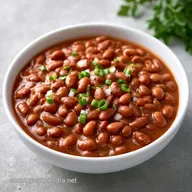
Dry beans, water, and aromatics are all you need for this traditional stovetop pot. This classic method teaches you bean cooking basics from scratch to yield a beautiful mahogany broth.
Authentic Mexican flavor shines when simmering these beans in a traditional clay pot. Epazote infuses the thin, savory cooking broth, which is delicious spooned over warm corn tortillas.
Mashing a portion of the simmered beans directly into the cooking liquid creates a thick, gravy like finish. This stovetop recipe is ideal when you want rich comfort food without bacon.
These flavorful side dishes highlight bold additions like fire roasted poblanos, green chiles, bacon, and melted cheeses. They are more intensely seasoned than basic simmered beans, and they complement savory rice or grilled meats.
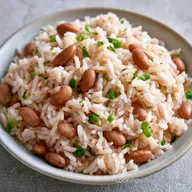
Toasting long grain rice in seasoned broth before adding the beans prevents the grains from becoming gummy. This stovetop classic makes a complete, budget-friendly meal in less than an hour.
A slow simmer with bay leaves, cumin, and chipotle peppers recreates the beloved fast casual side. It offers a smoky, mildly spiced option that is entirely plant based and vegan friendly.
Green chiles and bacon turn a plain side dish into a smoky Southwestern classic. It differs from plain sides by adding a mild, pleasant heat that cuts through starch.
Infusing simmered beans with brown sugar, jalapeños, and bacon creates a complex glaze. This sweet and heat profile offers a lively alternative to traditional baked beans or plain Mexican side dishes.
Charred poblano peppers bring mild, smoky flavor to canned beans in thirty minutes. It is a fantastic option when you want roasted pepper complexity without spicy jalapeño heat.
Monterey Jack cheese forms a bubbling crust over this spiced pinto bean bake. This dish serves as a comforting, warm center for vegetarian dinner plates on busy weeknights.
These quick appetizers blend cooked beans into smooth, scoopable spreads designed for tortilla chips. They are specifically engineered for party snacking. They maintain a thicker consistency than traditional refried sides.
Cream cheese blended into warm pinto beans creates a thick party dip. It offers a warm, scoopable alternative to cold salsa or thin bean side dishes for game day.
Five minutes in a blender turns pantry staples into a smooth, dunkable dip. This lightning fast snack has a pourable consistency that is ideal for pairing with salty tortilla chips.
Cooked beans should be cooled quickly and placed in airtight containers. If they sit at room temperature for more than two hours, harmful bacteria can develop. Look for a slippery sheen or sour smell as signs of spoilage.
They typically keep in the refrigerator for up to four days. To reduce risks, reheat them until steam billows from the pot.
How do I choose between dry and canned pinto beans?
Dry beans yield a much richer cooking broth and a firmer texture, which is ideal for slow cooking and traditional Mexican dishes. Canned beans are pre cooked and perfect for saving time in quick salads, dips, or fifteen minute refried side dishes.
Can I make these pinto bean recipes ahead of time?
Yes, pinto beans actually taste better the next day as they continue to absorb seasonings. Store them in airtight containers in the refrigerator, and add a splash of water or broth when reheating to restore their creamy consistency.
How long do pinto beans take to cook from scratch?
Stovetop cooking typically takes about two hours for unsoaked dried beans, while slow cookers require eight to ten hours. Using a pressure cooker or Instant Pot can reduce the total cooking time to under an hour without requiring an overnight soak.
How do I prevent my cooked pinto beans from becoming mushy?
Avoid boiling the beans aggressively; instead, keep them at a gentle simmer. Plus, do not add acidic ingredients like tomatoes or vinegar too early, as acid can interfere with how the starches soften.
What can I use as a substitute for ham hocks to keep recipes vegetarian?
You can achieve a similar smoky depth by adding smoked paprika, canned chipotle peppers in adobo sauce, or a few drops of liquid smoke. These plant based options provide rich flavor without using pork or other meat products.