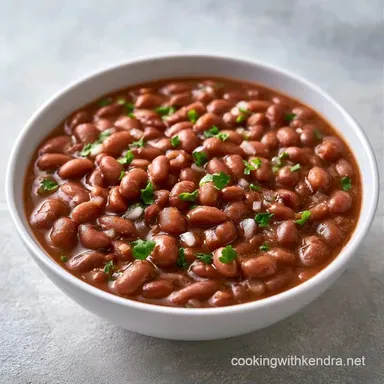
How to Cook Dry Pinto Beans with Garlic
- Time: 10 min active + 150 min simmering (10 hours 10 mins total)
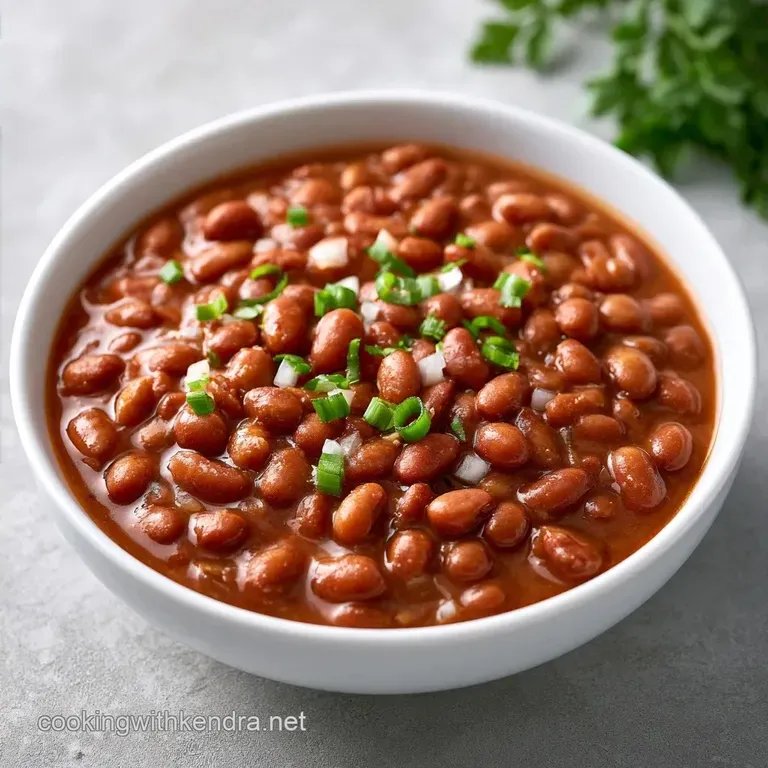
- Flavor/Texture Hook: Buttery, rich beans with a mahogany colored broth
- Perfect for: Hearty meal prep or a comforting Sunday dinner
The scent of onions sautéing in olive oil immediately creates a feeling of warmth and nostalgia. Combined with a single bay leaf, the aroma is pure comfort. I once tried to rush the process by skipping the soak, and the resulting beans were as hard as pebbles.
But when done correctly, the reward is a velvety texture that far surpasses any canned alternative. You achieve a depth of flavor that anchors the entire meal, whether served alongside cornbread or used as a base for tacos.
Mastering dry pinto beans is a skill that elevates a casual cook to a true home chef. The process isn't difficult, but it requires patience and a few specific tricks to keep the skins from bursting.
How to Cook Dry Pinto Beans
The Soak: Soaking for 8-12 hours breaks down the complex sugars. This stops the bloating and lets water reach the core, so they cook evenly.
Salt Timing: Adding salt at the very end prevents the skins from toughening. Salt early on can lock the starch in, leaving you with a bean that stays firm no matter how long it boils.
Tools You'll Need
The equipment needed is minimal. A heavy bottomed stockpot is ideal here, as it distributes heat evenly and prevents the beans from scorching. For the initial rinse, a fine mesh strainer is essential.
I also recommend using a ladle for stirring. Because beans are heavy and can stick to the bottom, a deep ladle helps you scrape the base of the pot without crushing them.
Ingredient Deep Dive
Onion and garlic establish the aromatic base. Sautéing them initially creates a savory depth that permeates every bean. A bay leaf introduces a delicate herbal quality that balances the hearty nature of the legumes.
I recommend using filtered water for the liquid. Beans can take longer to soften if your tap water is "hard" and contains high mineral levels. In my experience, filtered water ensures a more predictable cooking time.
Quick Recipe Specs
| Original Ingredient | Substitute | Why It Works |
|---|---|---|
| Dried Pinto Beans (1 lb) | Kidney Beans (1 lb) | Similar size and starch. Note: Slightly firmer texture |
| Olive Oil (1 tbsp) | Butter (1 tbsp) | Adds a richer, creamier taste to the broth |
| Yellow Onion (1) | White Onion (1) | Very similar flavor, slightly sharper |
Right then, before we start, let's look at the difference between doing this from scratch and taking the shortcut.
| Attribute | Dried Beans | Canned Beans |
|---|---|---|
| Texture | Creamy, holds shape | Often mushier |
| Flavor | Deep, earthy | Metallic, salty |
Bringing It Together
Preparing and Soaking
Use a fine mesh strainer to rinse the dry pinto beans, picking out any small stones or shriveled seeds. Transfer them to a large bowl and submerge in 6 cups (1.4L) of water. Let them soak overnight (8–12 hours), then drain and rinse again before you begin cooking.
Building the Base
Warm the olive oil in a stockpot over medium heat. Sauté the diced onion until translucent and fragrant (about 5 minutes). Mix in the black pepper and smashed garlic, cooking for 60 seconds more until the garlic smells aromatic without browning.
Slow Simmering
Pour in the soaked beans and 2 cups (480ml) of water along with the bay leaf. Ensure the water covers the beans by 2 inches, adding more if necessary. Bring everything to a gentle boil, then quickly turn the heat down to low. Place a lid on the pot, leaving it slightly ajar, and allow the beans to simmer.
Periodically check the water level and top it off as needed. This step is essential for achieving that traditional dry pinto bean flavor.
Final Texture Check
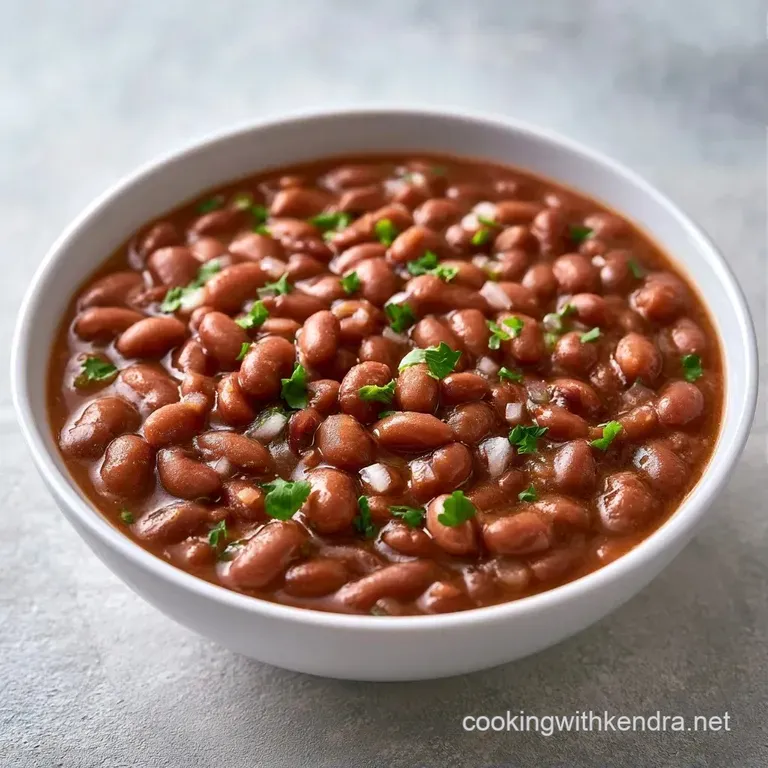
Taste the beans after roughly 2 hours. When they reach a buttery, tender consistency, stir in the sea salt. Continue simmering for another 15 minutes so the salt can fully penetrate. Discard the bay leaf before serving.
Chef Note: If a greyish foam appears on the surface during the initial 20 minutes of simmering, simply skim it away with a spoon. These are just impurities and proteins; removing them results in a clearer broth.
Fixing Common Bean Issues
Dealing With Toughness
If your beans are still firm after the 150 minute mark, it's usually a water issue. Mineral heavy water can inhibit softening. Adding a tiny pinch of baking soda to the pot can help break down the pectin in the skins.
Stopping the Blowouts
Beans that split open usually boiled too hard. Keep the heat on low. If you see aggressive bubbling, turn it down. A gentle simmer keeps the beans whole.
Managing the Broth
If the liquid disappears too fast, your beans will burn. Always keep at least 2 inches of water above the bean line.
| Problem | Fix |
|---|---|
| Beans are hard in center | Increase soak time or add pinch of baking soda |
| Skins are bursting | Lower the heat to a gentle simmer |
| Broth is too thin | Mash a handful of beans and stir them back in |
Depending on what you're making, you might want to tweak the process.
| Goal | What to change |
|---|---|
| Thicker Broth | Simmer longer with lid off |
| Faster Cook | Use a pressure cooker |
| More Earthy | Add smoked paprika to the sauté |
Keeping Beans Fresh
Keep the beans in a sealed glass jar in the cooler for 4 to 5 days. The broth will thicken in the fridge, almost like a gel, which is totally normal.
For longer storage, freeze them in freezer bags for up to 6 months. I recommend freezing them with some of the cooking liquid; this prevents them from drying out when you reheat them.
If you have leftover liquid, don't toss it. It's packed with flavor and starch. Use it as a base for a soup or add it to a stew to thicken the sauce.
Flavor Twists to Try
To introduce a smoky flavor, stir in a chopped chipotle pepper in adobo or a piece of smoked ham hock while simmering. This is a simple way to put a twist on dry pinto beans if the classic method feels repetitive. You can even transform these into a Pinto bean soup by adding diced celery and carrots to the initial sauté.
For a zesty touch, mix in some chopped cilantro and a squeeze of lime juice just before serving. The acidity helps brighten the natural earthy taste of the beans.
To achieve a more "Mexican style" result, add a pinch of oregano and a teaspoon of ground cumin along with the garlic.
Serving Your Beans
These taste fantastic in a bowl topped with a scoop of sour cream and some sliced jalapeños. I also highly recommend serving them with warm corn tortillas.
Now that you've mastered cooking dry pinto beans, the next step is making homemade refried beans. Simply mash them directly in the pot with a little extra fat and some sautéed onions.
For a more minimalist approach, enjoy them with just a pinch of salt, a dash of black pepper, and some crusty bread to mop up the savory broth. Once you experience the difference that dried beans make, you'll likely never go back to canned versions.
Recipe FAQs
Do I need to soak dry pinto beans before cooking?
Yes, soaking for 8 to 12 hours is recommended. This helps the beans cook evenly and reduces the complex sugars that cause bloating.
How to cook pinto beans without soaking overnight?
Use a quick soak method by boiling the beans for a few minutes and then letting them sit for an hour. Be aware that they may take longer to reach a buttery texture without a full soak.
What is the process for a full pot of beans?
Sauté diced onion and garlic in olive oil before simmering the beans with a bay leaf for about two hours. Stir in the sea salt at the very end to keep the skins from toughening.
Which additions make the beans taste better?
Sauté aromatics like onion and garlic in oil to build a deep flavor base. Adding a bay leaf and delaying the salt until the final 15 minutes ensures a rich, savory result.
Can pinto beans be used for chili?
Yes, simmer them until tender but firm so they maintain their shape during further cooking. These are the perfect base for a cowboy chili.
Is it true pinto beans can't lower cholesterol?
That's a myth. Their high fiber content actually helps reduce cholesterol levels in the blood.
Are pinto beans actually bad for diabetics?
Not true. They have a low glycemic index, which helps maintain stable blood sugar levels.
Cooking Dry Pinto Beans