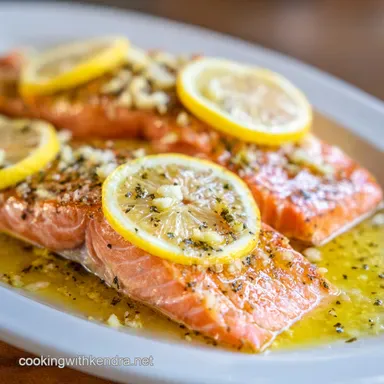
Baked Salmon in Foil: Garlic Butter
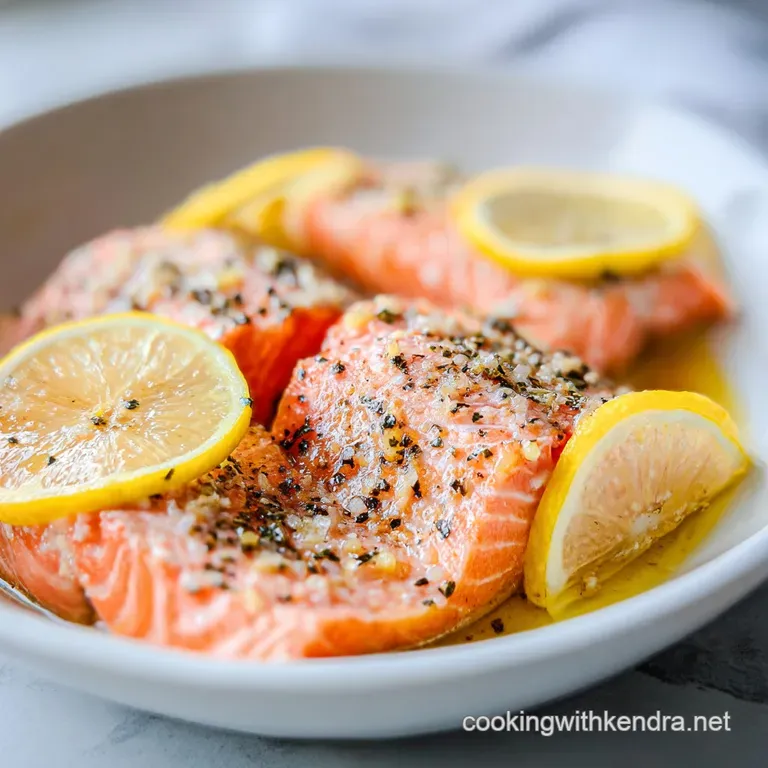
- Time: 5 min active + 15 min bake = 23 min total
- Flavor/Texture Hook: Velvety, buttery fillets with a bright lemon zip
- Perfect for: Busy weeknight dinners or beginner cooks who fear overcooking fish
- Easy Baked Salmon in Foil
- Why This Method Works
- Essential Ingredient Deep Dive
- The Ingredient List
- Essential Kitchen Tools
- The Cooking Steps
- Solving Salmon Mistakes
- Troubleshooting Common Issues
- Customizing Your Meal
- Truth About Salmon Myths
- Saving Your Salmon
- Perfect Side Pairings
- Recipe FAQs
- 📝 Recipe Card
That first moment when you peel back the foil and a cloud of garlic lemon steam hits your face is honestly the best part of the whole meal. I remember the first time I tried this, I was terrified of the "dry salmon" phenomenon.
You know the one, where the fish turns into a piece of cardboard the second you look away from the oven. I had spent way too many Tuesdays scrubbing burnt butter off of baking sheets, wondering why my fillets always felt like they'd been through a desert.
Then I tried the pouch method. I realized that by trapping the moisture, I wasn't just baking the fish, I was essentially steaming it in its own juices. It changed everything. Now, this is my go to for those nights when I have exactly zero energy but still want something that feels like it came from a bistro.
This baked salmon in foil is all about efficiency. We're talking minimal tools, minimal cleanup, and a result that's consistently velvety. You don't need to be a pro to get that flakey texture, you just need a piece of heavy duty foil and about twenty minutes.
Easy Baked Salmon in Foil
If you've ever struggled with salmon sticking to the pan or drying out in the oven, this is your solution. The magic is in the seal. By creating a closed environment, we ensure the fish cooks evenly without the harsh, dry heat of the oven sucking out the moisture.
It's a gentle way to cook that preserves the natural fats of the fish.
I've found that using a high fat butter creates a protective barrier around the fillet. This doesn't just add a rich, savory depth, it also keeps the fish from tearing when you try to lift it out of the foil.
Trust me on this, don't even bother with low-fat butter substitutes here, it's not worth the trade off in texture.
One thing I learned the hard way is to use heavy duty foil. The thin stuff tends to rip when you're pinching the top shut, and if the steam escapes, you're back to square one with dry fish. A tight seal is the secret to that melt in-your mouth consistency.
Why This Method Works
I used to think the foil was just for easy cleanup, but there's actually some cool logic behind why it works so well.
- Steam Lock
- The sealed pouch traps water vapor from the lemon juice and butter, creating a pressurized steam environment that cooks the fish faster and more evenly.
- Fat Buffer
- The melted butter coats the protein fibers, preventing them from tightening too aggressively and squeezing out their juices.
- Temperature Stability
- The foil acts as a shield, preventing the edges of the fillets from overcooking before the center reaches the safe zone.
- Aromatic Infusion
- Because the flavors have nowhere to go, the garlic and lemon are forced directly into the flesh of the salmon.
| Fresh Fillets | Frozen (Thawed) | Impact on Result | Best For |
|---|---|---|---|
| High moisture, buttery | Slightly firmer, more water | Fresh is silkier; thawed can be watery | Special dinners |
| Natural oils intact | Some oil loss during freeze | Fresh has a cleaner taste | Gourmet feel |
| Variable thickness | Often uniform cuts | Thawed is easier to time | Precise baking |
Essential Ingredient Deep Dive
Before we jump in, let's look at what each component is actually doing. I don't just throw things in a bowl, I like to know why they're there.
| Ingredient | Science Role | Pro Secret |
|---|---|---|
| Unsalted Butter | Flavor carrier & moisture seal | Use browned butter for a nuttier taste |
| Lemon Juice | Acid tenderizer | Add zest for a more intense citrus punch |
| Garlic | Aromatic base | Mince it into a paste for even distribution |
| Salt | Protein binder | Salt 10 mins early to draw out moisture |
The Ingredient List
Here is everything you'll need. I've kept it simple because that's how the best weeknight meals stay sustainable.
- 4 salmon fillets (approx. 6 oz (170g) each) Why this? Standard size for even cooking times
- 3 tbsp (42g) unsalted butter, melted Why this? Provides the velvety mouthfeel
- 3 cloves (9g) garlic, minced Why this? Punchy flavor without being overpowering
- 1 tbsp (15ml) fresh lemon juice Why this? Cuts through the richness of the fat
- 1/2 tsp (3g) salt Why this? Basic flavor enhancer
- 1/4 tsp (1g) black pepper Why this? Adds a subtle warmth
- 1 tbsp (4g) fresh parsley, chopped Why this? Freshness and color contrast
- 1 lemon, thinly sliced into rounds Why this? Adds visual appeal and steamed acidity
Ingredient Substitutions
| Original Ingredient | Substitute | Why It Works |
|---|---|---|
| Unsalted Butter | Olive Oil (3 tbsp) | Heart healthy alternative. Note: Less creamy, more "clean" taste |
| Fresh Parsley | Dried Dill (1 tsp) | Classic salmon pairing. Note: More concentrated, herbal flavor |
| Fresh Lemon | Lime Juice (1 tbsp) | Similar acidity. Note: Adds a tropical, sharper note |
| Garlic Cloves | Garlic Powder (1 tsp) | Convenience. Note: Lacks the pungent "bite" of fresh garlic |
Right then, let's talk gear. You don't need a professional kitchen for this, just a few basics.
Essential Kitchen Tools
- Heavy duty aluminum foil: This is non negotiable. The thin stuff will leak.
- Baking sheet: To keep the packets stable and prevent them from sliding.
- Small mixing bowl: For whisking your garlic butter.
- Meat thermometer: The only way to be 100% sure your fish is done.
- Parchment paper (optional): If you're worried about foil sticking to the pan.
Chef's Tip: If you want a deeper flavor, try adding a pinch of smoked paprika to the butter. It gives the salmon a "grilled" vibe even though it's being steamed in a pouch.
The Cooking Steps
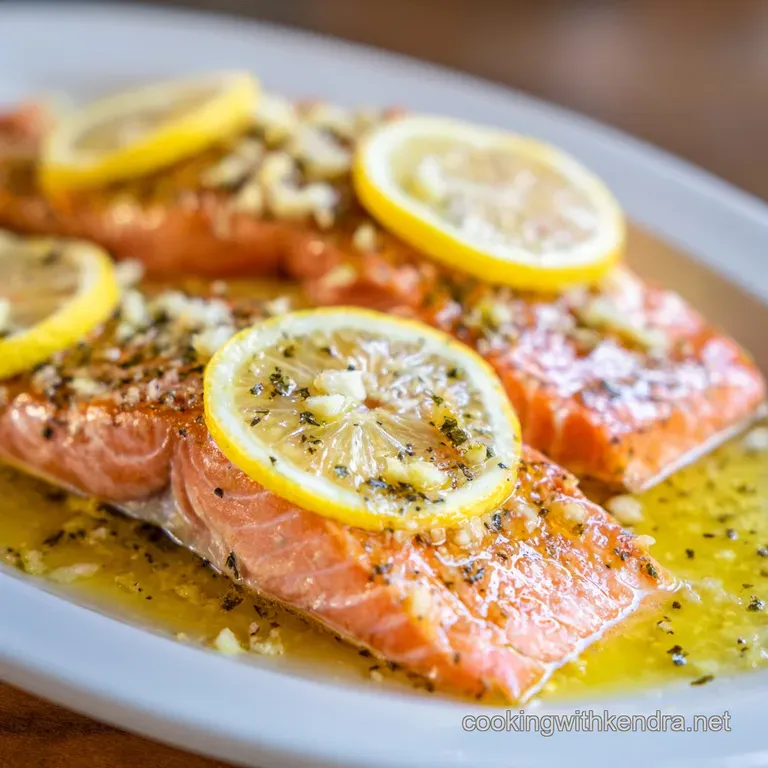
Let's get this moving. Keep an eye on your timers, as salmon can go from "perfect" to "overdone" in about 120 seconds.
- Preheat your oven to 400°F (200°C). Cut four large squares of heavy duty aluminum foil. Note: Make them large enough to fold over the fish twice.
- Place one salmon fillet in the center of each foil square.
- In a small bowl, whisk together the melted butter, minced garlic, lemon juice, salt, and pepper to create the glaze.
- Drizzle the garlic butter mixture evenly over each fillet. Top each piece of fish with 2 lemon slices and a sprinkle of fresh parsley.
- Fold the sides of the foil up and pinch them tightly at the top to create a completely sealed packet. Note: No gaps allowed, or the steam escapes!
- Place the packets on a baking sheet and bake for 12 to 15 minutes. until the fish is opaque and flakes easily with a fork.
- Use a meat thermometer to ensure the internal temperature reaches 135°F to 140°F (57°C to 60°C).
- Let the packets rest, sealed, for 3 minutes to allow the residual heat to bring the salmon to the recommended 145°F (63°C).
Solving Salmon Mistakes
The most common issue people have with baked salmon in foil is the "white stuff" appearing on top. Don't panic, it's not mold or undercooked fish.
Troubleshooting Common Issues
| Issue | Solution |
|---|---|
| Why Your Salmon Has White Goo | That white substance is called albumin. It's just a protein that pushes out of the muscle fibers when the fish gets too hot too fast. It's completely safe to eat, but if you hate the look of it, the f |
| Why Your Fish Is Sticking | If the salmon is clinging to the foil, it's usually because there wasn't enough fat at the bottom of the pouch. Always ensure the butter glaze is distributed under and over the fish. Alternatively, yo |
| Why Your Center Is Raw | This usually happens with fillets of varying thicknesses. The thin tail end cooks way faster than the thick center. To fix this, try to buy center cut fillets that are uniform in height. |
Mistakes Checklist:
- ✓ Did you use heavy duty foil?
- ✓ Is the pouch sealed tightly with no gaps?
- ✓ Did you pat the salmon dry before adding butter?
- ✓ Did you let it rest for 3 minutes after baking?
- ✓ Did you check the internal temp with a probe?
Customizing Your Meal
Depending on who you're feeding, you might want to tweak this. If you're looking for something different, you might enjoy my pan seared salmon for a crispier exterior.
Scaling Down (1-2 Fillets): If you're just cooking for yourself, you can halve the recipe. Use a smaller baking sheet and reduce the bake time by about 2 minutes. Since you're using fewer fillets, the oven heat circulates more freely, which can speed up the process.
Scaling Up (8+ Fillets): When doubling the recipe, do not crowd the packets too closely on the baking sheet. Leave at least an inch of space between each pouch so the air can flow. I recommend increasing the salt and spices to only 1.5x the original amount, as flavors can intensify in larger batches.
If you're using two separate baking sheets, rotate them halfway through the 15 minutes to ensure even browning.
The "If You Want X, Do Y" Shortcut:
- If you want a charred top → Open the foil for the last 2 minutes and broil on high.
- If you want more veg → Lay thin asparagus spears under the salmon fillet.
- If you want a creamier sauce → Stir in a tablespoon of heavy cream to the butter glaze.
Truth About Salmon Myths
There are a few things people tell you about fish that are just plain wrong. Let's clear them up.
Myth: Searing seals in the juices. Searing is for flavor and texture, not for "sealing." Moisture loss happens regardless of whether you sear or bake. The foil method is actually better for moisture retention because it prevents evaporation entirely.
Myth: Frozen salmon is lower quality. Not necessarily. Most "fresh" salmon at the grocery store was frozen on the boat anyway. The key is looking for "flash frozen" options, which lock in the quality at the peak of freshness.
Just make sure it's thawed completely in the fridge before you start this baked salmon in foil recipe.
Saving Your Salmon
If you have leftovers, don't just toss them in the microwave on high, or you'll turn your velvety fish into a rubber eraser.
Storage Guidelines: Store cooked salmon in an airtight container in the fridge for up to 3 days. If you need to freeze it, wrap it tightly in foil and then a freezer bag for up to 2 months.
Reheating Tips: The best way to reheat is in a 275°F (135°C) oven for about 10 minutes, covered in foil. This gently warms the fish without overcooking the center.
Zero Waste Tips: Don't throw away the lemon rinds after you've sliced the fruit! You can toss them into your garbage disposal to freshen it up, or soak them in white vinegar for a few weeks to make a natural, citrusy all purpose cleaner.
If you have leftover garlic butter in the bowl, drizzle it over some steamed broccoli or toss it with pasta for a quick side.
Perfect Side Pairings
Since the salmon is so rich and buttery, you need something to balance it out. I personally love pairing this with some stovetop rice to soak up all that extra garlic butter from the pouch.
If you're feeling fancy, a light arugula salad with a balsamic glaze provides a sharp contrast to the velvety fish. For a low carb option, roasted Brussels sprouts or sautéed spinach work wonders.
When you serve it, I recommend leaving the salmon in the foil packet on the plate. It looks great, and it keeps the fish warm for much longer. Just give your guests a fork and let them dive into that lemon garlic goodness. This baked salmon in foil is truly a weeknight win that feels like a weekend treat.
Recipe FAQs
How long does salmon take to cook in aluminum foil?
Bake for 12 to 15 minutes at 400°F. Use a meat thermometer to ensure the internal temperature reaches 135°F to 140°F before removing from the oven.
How to bake salmon for gastritis?
Seal the fillets tightly in foil packets. This creates a gentle steaming effect that keeps the fish moist and tender, making it easier on the digestive system.
How to cook salmon for diabetes?
Focus on the healthy fats from the salmon and butter. This preparation is naturally low-carb and contains no added sugars.
How to cook salmon in an oven in foil?
Preheat your oven to 400°F. Place fillets on foil squares, drizzle with the garlic butter glaze, seal the packets tightly, and bake for 12 to 15 minutes.
Why is there a white substance on my baked salmon?
This is albumin, a natural protein. It pushes out of the muscle fibers when the fish cooks and is completely safe to eat.
Why is my fish sticking to the aluminum foil?
Distribute the butter glaze under and over the fillet. Without enough fat at the bottom of the pouch, the protein will cling to the foil.
What is the best sauce for foil-baked salmon?
Pair the fish with a creamy or spicy accompaniment. For a bold contrast to the lemon and garlic, serve it with a horseradish sauce.
Baked Salmon In Foil in 20 Minutes