Butternut Squash Sweet Potato Soup: Silky and Golden
- Time: 15 min active + 4 hours cooking = Total 4 hours 15 mins
- Flavor/Texture Hook: Silky, golden, and warming with a hint of cinnamon
- Perfect for: Busy weeknight dinners or healthy meal prep
- Slow Cooker Butternut Squash Sweet Potato Soup with Garlic
- Why This Recipe Works
- Component Analysis
- Gathering Your Essentials
- Necessary Kitchen Tools
- Making the Soup
- Fixing Common Problems
- Creative Swaps and Twists
- Adjusting the Batch Size
- Truth About Root Veggies
- Storage and Reheating
- Best Serving Suggestions
- Recipe FAQs
- 📝 Recipe Card
The scent of sautéed garlic and a pinch of cinnamon hitting a hot pan is the same smell that tells me autumn has actually arrived. There is something about that specific aroma that makes you want to shut out the world, put on a thick sweater, and just stay inside.
This Slow Cooker Butternut Squash Sweet Potato Soup with Garlic is the ultimate cozy comfort meal.
I remember the first time I tried to make a similar soup on the stove. I spent an hour peeling, chopping, and stirring, only to have the bottom scorch because I got distracted by a phone call.
That was the moment I realized the slow cooker wasn't just for pot roasts, it was for anyone who wants a velvety result without the stress of standing over a burner.
You can expect a soup that is naturally thick and creamy, but without the heavy cream that often makes these dishes feel too rich. By using a mix of two different root vegetables, we get a depth of flavor that a single vegetable just can't provide.
It's a simple process, but the result tastes like something you'd pay twenty bucks for at a bistro.
Slow Cooker Butternut Squash Sweet Potato Soup with Garlic
The beauty of this dish is that it doesn't require any fancy techniques, just a bit of patience. Since we are using a slow cooker, the flavors have hours to meld together, creating a cohesive taste where the sweetness of the potato and the earthiness of the squash are balanced by the pungent garlic.
It's the kind of meal that makes the whole house smell welcoming the second you walk through the door.
Whether you're cooking for a crowd or just prepping for the week, this recipe scales beautifully. Because it's naturally vegan and gluten-free, it's a safe bet for guests with dietary restrictions, and honestly, nobody will even miss the dairy.
Trust me on this, the coconut milk provides a richness that is far superior to heavy cream in this specific flavor profile.
Why This Recipe Works
When you're cooking root vegetables for several hours, a few specific things happen that change the whole experience of the soup.
Starch Breakdown: Long, slow heat breaks down the complex starches in the sweet potato and squash, turning them into a natural thickener that makes the soup feel creamy without adding flour.
Aromatic Infusion: Sautéing the garlic and onion first creates a base of toasted flavors that would otherwise taste "raw" if they were just tossed into the pot cold.
Fat Integration: Adding the coconut milk at the very end prevents the emulsion from breaking, ensuring a silky mouthfeel rather than a separated or oily texture.
Spice Activation: The cinnamon and ginger are fat soluble, meaning they bloom in the olive oil during the sauté phase, spreading their warmth evenly through every spoonful.
| Feature | Fresh Prep | Shortcut (Frozen/Pre cut) | Best For |
|---|---|---|---|
| Prep Time | 20-30 mins | 5-10 mins | Busy weeknights |
| Texture | Slightly denser | More uniform | Quick blending |
| Cost | Cheapest | Slightly higher | Budget savers |
Component Analysis
Understanding how these ingredients interact helps you make better decisions if you need to swap something out on the fly.
| Ingredient | Science Role | Pro Secret |
|---|---|---|
| Butternut Squash | Base Body | Roast it first for a nuttier taste |
| Coconut Milk | Emulsifier | Use full fat for a velvety finish |
| Garlic | Flavor Bridge | Sauté until golden, never brown |
| Vegetable Broth | Hydration | Use low sodium to control salt |
Gathering Your Essentials
For this recipe, we want ingredients that provide a balance of sweetness and savory notes. Since we're aiming for a budget friendly approach, feel free to use whatever is on sale, as long as the starch content is similar.
- 3 cups butternut squash, peeled and cubed Why this? Provides the earthy base and a bright orange color
- 2 cups sweet potato, peeled and cubed Why this? Adds a natural creaminess and deeper sweetness
- 1 medium yellow onion, diced Why this? Essential for a savory, aromatic foundation
- 6 cloves garlic, minced Why this? Cuts through the sweetness of the root veg
- 4 cups vegetable broth Why this? provides the liquid base without adding calories
- 1 can (13.5 oz) full fat coconut milk Why this? Creates the silky texture and richness
- 2 tbsp olive oil Why this? Used to sauté and bloom the spices
- 1 tsp salt Why this? Enhances all the other flavors
- 1/2 tsp black pepper Why this? Adds a subtle heat to balance the sugar
- 1/4 tsp ground cinnamon Why this? Adds a warm, autumnal undertone
- 1/4 tsp ground ginger Why this? Provides a zesty, bright contrast
If you're looking for a similar comfort vibe but want something with protein, my classic chicken stew recipe is another great slow cooker option.
Necessary Kitchen Tools
You don't need a professional kitchen for this, but a few specific tools make the process a lot smoother. First and foremost is your slow cooker, preferably a 6 quart model. If you have a programmable one, that's even better so you can set it and forget it.
A skillet is necessary for the first step. While some people just throw everything in the pot, that's a mistake I once made. Without the sauté step, the onion and garlic don't develop that toasted flavor, and the soup ends up tasting a bit flat.
The real hero here is the immersion blender. Blending a hot liquid in a traditional stand blender can be dangerous because the steam builds up pressure and can blow the lid off. An immersion blender lets you blend directly in the pot, which is faster and way safer.
Making the Soup

Let's crack on with the actual cooking. This is a very forgiving process, but following the order of operations ensures you get that velvety texture.
- Heat the olive oil in a skillet over medium heat. Add the diced onion and sauté until translucent and soft (about 4-5 minutes).
- Stir in the minced garlic and cook for 60 seconds until fragrant and light golden. Transfer this mixture to the slow cooker. Note: Don't let the garlic turn dark brown or it will taste bitter
- Add the cubed butternut squash, sweet potatoes, vegetable broth, salt, pepper, cinnamon, and ginger to the pot. Stir to combine.
- Cover with the lid and cook on Low for 8 hours or High for 4 hours until vegetables are fork tender and fall apart easily.
- Stir in the full fat coconut milk. Note: Adding this at the end preserves the creamy emulsion
- Using an immersion blender, blend the soup directly in the pot until completely smooth and silky.
- Taste the soup and add an extra pinch of salt or pepper if needed.
- Let the soup sit for 5 minutes to allow the texture to settle before serving.
According to Serious Eats, slow cooking root vegetables helps preserve their structure while breaking down the pectins, which is why this method creates such a consistent thickness.
Fixing Common Problems
Even with a simple recipe, things can sometimes go sideways. Most of the time, it's just a matter of adjusting the liquid or the blending time.
Soup Too Thin
If your soup feels more like a broth than a cream, it's usually because the vegetables were slightly larger or the broth was too watery. You can fix this by letting it simmer on high for another 30 minutes without the lid, or by adding a tablespoon of cornstarch slurry.
Flavor Is Bland
Root vegetables can soak up a lot of salt. If the soup tastes "flat," it's almost always a lack of salt or acid. Try adding a teaspoon of lemon juice or a splash of apple cider vinegar to wake up the flavors.
Burnt Garlic Fix
If you overcooked the garlic in the skillet and it smells acrid, don't put it in the slow cooker. It's better to start the sauté over with a fresh onion and garlic than to ruin 4 hours of cooking with a burnt taste.
| Problem | Root Cause | Solution |
|---|---|---|
| Grainy texture | Under blending | Blend for 2 more mins using a circular motion |
| Too sweet | Over ripe potato | Add a pinch of smoked paprika or extra salt |
| Separated milk | Overheating | Stir vigorously with the immersion blender |
Common Mistakes Checklist
- ✓ Did you sauté the aromatics first? (Crucial for flavor)
- ✓ Did you use full fat coconut milk? (low-fat won't emulsify as well)
- ✓ Did you check for fork tenderness before blending? (Blenders can't fix raw veg)
- ✓ Did you taste for salt at the very end? (The coconut milk changes the salt perception)
- ✓ Did you avoid overfilling the slow cooker? (Leave room for the blender to move)
Creative Swaps and Twists
One of the best things about this recipe is how flexible it is. Depending on what you have in the pantry, you can take the flavor profile in a few different directions.
Curried Flavor Version
If you want a bit more kick, add a tablespoon of yellow curry powder during the sauté step. This pairs beautifully with the coconut milk, turning it into a Thai inspired dish. It's similar to the creaminess found in my Creamy Chicken Enchiladas Blanco Sauce, just with a different aromatic base.
Smoky Flavor Twist
For a deeper, more "bonfire" taste, swap the black pepper for smoked paprika. This works exceptionally well if you're using a sweet potato with a higher sugar content, as the smoke balances the sweetness.
Alternative Milk Options
If you don't like coconut, you can use cashew cream or heavy cream. However, be aware that cashew cream is thicker, so you might need an extra half cup of broth. Almond milk is usually too thin and won't give you that same velvety mouthfeel.
Using Frozen Veggies
You can absolutely use frozen cubed butternut squash. Just toss them in frozen; you don't need to thaw them first. The cook time remains the same, and the result is virtually identical to using fresh.
Adjusting the Batch Size
Whether you're cooking for one or a dozen, you just need to tweak a few things to keep the consistency the same.
Scaling Down (Half Batch) When cutting this in half, use a smaller slow cooker if possible. If you use a large pot for a small amount of soup, the liquid will evaporate faster, and you might end up with a paste. Reduce the cooking time by about 20% and keep a close eye on the vegetable tenderness.
Scaling Up (Double Batch) When doubling the recipe, don't simply double the salt and spices. Start with 1.5x the salt and cinnamon, then taste and adjust at the end.
Liquids usually don't need to be fully doubled; 3.5x the broth is often enough for a 2x batch because there's less surface area for evaporation.
Truth About Root Veggies
There are a few common myths about slow cooking that I want to clear up so you can feel good about your meal.
The Nutrient Myth: Some people think slow cookers destroy all the vitamins. While some heat sensitive vitamins (like Vitamin C) might decrease, the beta carotene in squash and sweet potatoes is quite stable. In fact, according to USDA FoodData, these vegetables are nutrient dense regardless of the cooking method.
The Frozen vs Fresh Myth: Many think frozen vegetables are inferior. For soups, frozen is often better because they are flash frozen at peak ripeness. Since you're blending everything anyway, the slight change in texture is completely irrelevant.
Storage and Reheating
This soup actually tastes better the next day because the cinnamon and ginger have more time to permeate the vegetables.
Fridge and Freezer Store the soup in an airtight container in the fridge for up to 5 days. For the freezer, use freezer safe bags or containers, leaving about an inch of headspace for expansion. It will stay fresh for up to 3 months.
Reheating Guide Reheat on the stove over medium low heat. If the soup has thickened too much in the fridge (which is normal), stir in a splash of water or vegetable broth to loosen it back up to a silky consistency. Avoid microwaving on high for long periods, as the coconut milk can separate.
Zero Waste Tips Don't throw away your butternut squash peels! If you have a clean peel, you can toss them in a bit of oil and salt and roast them at 400°F for 10 minutes for a crunchy snack. Also, save the seeds, roast them like pumpkin seeds, and use them as a garnish for the soup to add a needed crunch. If you're in the mood for a meatier broth next time, you might enjoy my hearty chicken and veg soup recipe for a different kind of comfort.
Best Serving Suggestions
Since the soup is so smooth and velvety, you need some contrasting textures to make the meal feel complete.
A toasted sourdough grilled cheese is the classic pairing here. The acidity of the sourdough and the saltiness of the melted cheese cut through the sweetness of the squash perfectly.
If you want something lighter, a simple side salad with a lemon vinaigrette provides the brightness needed to balance the rich coconut milk.
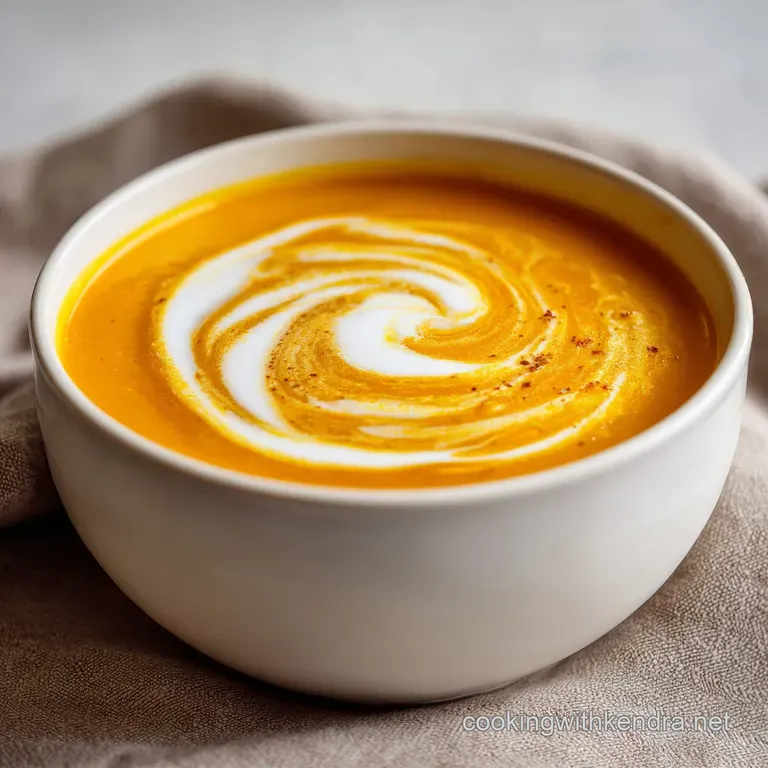
For a garnish, I highly recommend a swirl of coconut cream (the thick part at the top of the can) and a sprinkle of toasted pepitas or sunflower seeds. A crack of fresh black pepper on top adds a bit of visual contrast and a sharp bite that rounds out the whole experience.
This Slow Cooker Butternut Squash Sweet Potato Soup with Garlic is more than just a meal; it's a mood. Enjoy it while it's hot!
Recipe FAQs
Can I freeze this butternut squash and sweet potato soup?
Yes, for up to 3 months. Use freezer safe bags or containers, leaving about an inch of headspace to allow for expansion.
How to achieve a silky smooth texture?
Blend the soup directly in the pot using an immersion blender. If you enjoyed mastering a silky smooth consistency here, the same blending principle applies to my apple sauce.
Can I use almond milk instead of coconut milk?
No, almond milk is too thin. It lacks the fat content required to give the soup its characteristic velvety mouthfeel.
Is it true that I can leave the skins on the vegetables for a smoother result?
No, this is a common misconception. You must peel the butternut squash and sweet potatoes to ensure the soup blends into a completely smooth consistency.
How to reheat the soup if it has thickened in the fridge?
Stir in a splash of water or vegetable broth. Heat the soup on the stove over medium low heat until it returns to a silky consistency.
Can I substitute coconut milk with heavy cream or cashew cream?
Yes, both are great alternatives. Keep in mind that cashew cream is thicker, so you may need an extra half cup of vegetable broth.
What should I do if I don't have an immersion blender?
Transfer the soup to a standard blender in small batches. Blend until smooth and then combine the batches back in the slow cooker pot.
Butternut Squash Soup with Coconut Milk