Creamy Scalloped Potatoes Recipe
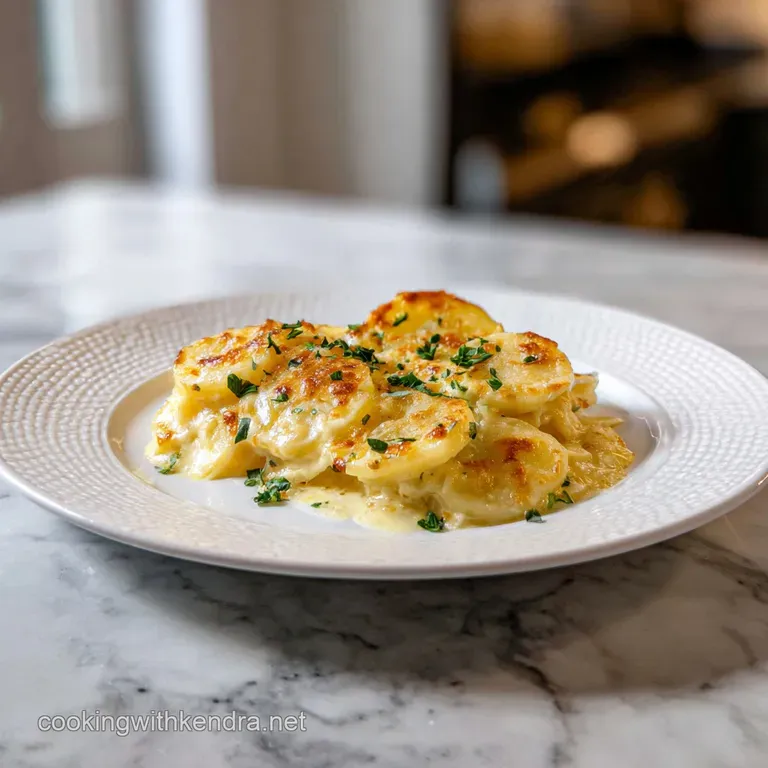
- Time: Active 20 minutes, Passive 1 hour 15 mins, Total 1 hour 35 mins
- Flavor/Texture Hook: Velvety cream sauce with a golden, cheese crusted top
- Perfect for: Holiday gatherings, Sunday roasts, or a cozy family dinner
- Master This Traditional Creamy Scalloped Potatoes Recipe
- The Starch Fat Binding Logic
- Component Analysis for Better Results
- Choosing the Best Basic Ingredients
- Essential Tools for Precision Prep
- Step-By-Step Assembly and Baking
- Solving Common Casserole Problems
- Adjusting the Recipe Volume
- Debunking Baked Potato Myths
- Storage and Sustainable Kitchen Tips
- Tips for a Beautiful Table
- Recipe FAQs
- 📝 Recipe Card
Master This Traditional Creamy Scalloped Potatoes Recipe
There is a specific sound that happens when you pull a bubbling casserole out of the oven. It is a soft, rhythmic hiss of cream reducing against the glass, and for me, it smells like my grandmother’s kitchen on a rainy Tuesday.
I remember the first time I tried making this scalloped potatoes recipe on my own; I was so impatient that I sliced the potatoes with a regular knife. They ended up thick, clunky, and half raw, swimming in a thin, watery liquid that looked nothing like the velvety sauce I craved.
That failure taught me that this dish isn't just about throwing things in a pan. It is about the quiet magic of the roux and the patience of a slow bake. When the sharp white cheddar finally catches the heat and turns into those crispy, lace like edges, you know you’ve done it right.
We are going for a texture that is soft enough to yield to a fork but firm enough to hold its shape on a plate.
We have all been there staring at a curdled mess or a dish that tastes like bland cardboard. Trust me, I have made those mistakes so you don't have to. Today, we are focusing on the budget friendly path to a high end result, using simple pantry staples like flour and milk to build a sauce that rivals any fancy restaurant version.
Let's get into the nitty gritty of what makes these potatoes truly sing.
The Starch Fat Binding Logic
- Starch Gelatinization: As the potatoes release starch into the milk based sauce, the molecules swell and burst at roughly 75°C, creating a thick, stable matrix.
- Roux Stabilization: Cooking the flour in butter coats the starch granules in fat, which prevents them from clumping and ensures a silky, lump free consistency.
- Casein Protection: The addition of heavy cream raises the overall fat content, which helps protect the milk proteins from curdling when they meet the slight acidity of the potatoes.
- Aromatic Infusion: Steeping the garlic and thyme in the warm milk allows the volatile oils to distribute evenly, ensuring every layer is fragrant.
| Method | Time | Texture | Best For |
|---|---|---|---|
| Traditional Oven | 1 hour 15 mins | Crispy edges, tender core | Family Sunday roasts |
| Fast Microwave Start | 45 minutes | Soft throughout, less crust | Quick weeknight meals |
| Slow Cooker | 4 hours | Extremely soft, very creamy | Potlucks with limited oven space |
Selecting the right method depends entirely on how much you value that golden, shattered cheese crust versus how much time you have before the family starts hovering around the kitchen island.
For the most authentic experience, the oven is non negotiable because that dry heat is what creates the contrast between the silky interior and the browned top.
Component Analysis for Better Results
| Ingredient | Science Role | Pro Secret |
|---|---|---|
| Russet Potatoes | High starch content | Best for thickening the sauce naturally |
| All Purpose Flour | Structural thickener | Cook for 2 mins to remove the raw flour taste |
| Whole Milk | Hydration base | Room temperature milk prevents the roux from seizing |
| Sharp Cheddar | Flavor & Fat | Grate it yourself for a smoother melt |
The science of the potato choice is perhaps the most debated topic in my kitchen. While Yukon Golds offer a buttery flavor, the Russet is king here because its high starch content acts like a built in thickener for our sauce. If you want a dish that isn't runny, the Russet is your best friend.
Choosing the Best Basic Ingredients
To make this scalloped potatoes recipe, you will need 1.35 kg of potatoes. I prefer Russets for that classic texture, but you can use Yukon Golds if you like a waxier bite. You will also need 1 large yellow onion, sliced into paper thin half moons to ensure they melt into the sauce.
For the sauce, gather 85 g of unsalted butter and 30 g of all purpose flour. You will combine these with 475 ml of whole milk and 235 ml of heavy cream. Don't skimp on the cream; it provides the fat necessary to prevent curdling.
Seasoning is vital: 3 cloves of smashed garlic, 1 tsp of fresh thyme, 0.5 tsp of ground nutmeg, 1.5 tsp of sea salt, and 0.5 tsp of cracked black pepper. Finally, you need 170 g of shredded Sharp White Cheddar and a tablespoon of fresh chives for that pop of color at the end.
| Original Ingredient | Substitute | Why It Works |
|---|---|---|
| Heavy Cream | Whole Milk + 1 tbsp Butter | Adds necessary fat back into the liquid base |
| Sharp White Cheddar | Gruyère | Same melting point; adds a nuttier, more earthy profile |
| Fresh Thyme | Dried Thyme (1/2 tsp) | Concentrated flavor; best added during the roux stage |
| All Purpose Flour | Cornstarch (half amount) | gluten-free option; requires a cold slurry technique instead |
Why Russets? They have the highest starch content, which helps bind the cream sauce together perfectly.
Essential Tools for Precision Prep
You don't need a professional kitchen, but a mandoline slicer is the one tool that changed my life for this recipe. It ensures every potato slice is exactly 3 mm thick, which means they all cook at the exact same rate. If you use a knife, you'll inevitably have some crunchy bits and some mushy bits.
You will also need a heavy bottomed saucepan for the sauce and a 23x33 cm baking dish. A balloon whisk is helpful for making sure your roux stays smooth as you add the milk. Finally,, a good box grater is essential please, for the love of all things holy, do not buy the pre shredded cheese in a bag.
It is coated in potato starch or cellulose to prevent clumping, which will make your sauce gritty rather than velvety.
step-by-step Assembly and Baking
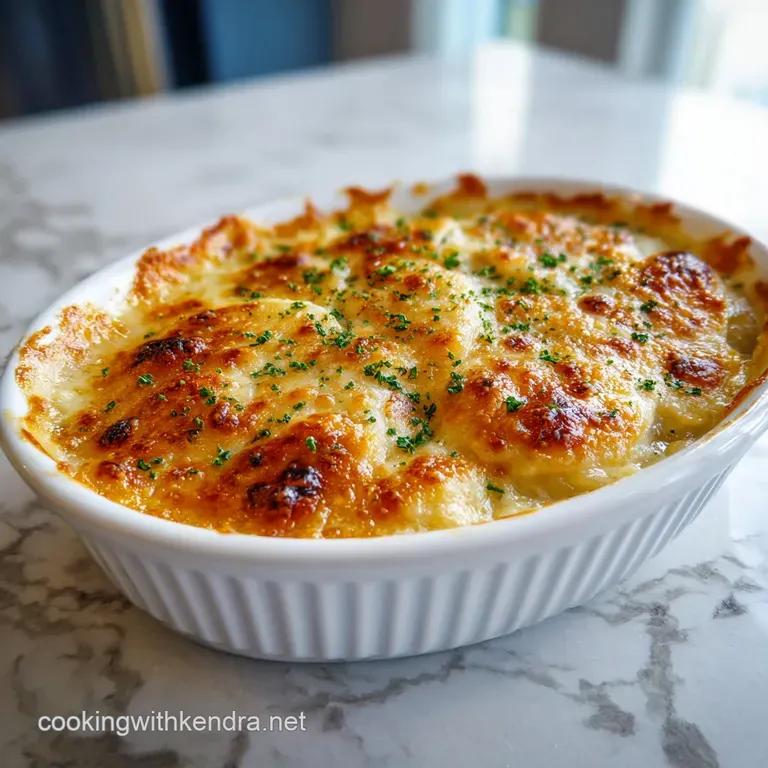
1. The Precision Prep
Peel your 1.35 kg of potatoes and slice them into 3 mm rounds. Keep them in a bowl of cold water if you aren't using them immediately to prevent browning. Note: Pat them very dry before layering to avoid watering down the sauce.
2. The Roux Based Infusion
Melt 85 g of butter in your saucepan over medium heat. Whisk in 30 g of flour and cook for 2 minutes until it smells slightly nutty and toasted.
3. The Liquid Integration
Slowly pour in 475 ml of whole milk and 235 ml of heavy cream, whisking constantly. Add the smashed garlic, thyme, nutmeg, salt, and pepper. Simmer for 5 minutes until the sauce coats the back of a spoon.
4. The Structural Assembly
Grease your baking dish. Arrange a third of the potatoes in an overlapping pattern, then top with a third of the sliced onions and a splash of the cream sauce. Repeat these layers. Note: This ensures every potato is kissed by the sauce.
5. The First Bake
Cover the dish tightly with foil. Bake at 180°C for 45 minutes until the potatoes are tender when pierced.
6. The Cheese Topping
Remove the foil and sprinkle the 170 g of shredded cheddar evenly over the top. This is where the magic happens.
7. The Final Crisp
Return the dish to the oven, uncovered, for another 20 to 30 minutes. Watch closely until the top is golden brown and the edges are violently bubbling.
8. The Essential Rest
Remove from the oven and let it sit for 15 minutes. Note: This allows the starch to set so the sauce doesn't run everywhere when sliced.
9. The Finishing Flourish
Garnish with the minced chives right before serving to provide a fresh contrast to the rich, heavy cream.
Solving Common Casserole Problems
Why Your Sauce Curdled
This usually happens because the heat was too high or the milk was too cold when added to the roux. If the sauce breaks during the bake, it’s often because of the acid in the potatoes reacting with low-fat milk. Always use whole milk and heavy cream to keep the emulsion stable.
The "Al Dente" Potato Disaster
If your potatoes are still hard after the allotted time, they were likely sliced too thick. You can try to save it by adding a splash more warm milk, covering it back up with foil, and giving it another 20 minutes. But really, the mandoline is your insurance policy here.
| Problem | Root Cause | Solution |
|---|---|---|
| Watery Sauce | Potatoes weren't dried | Pat slices with a towel before layering |
| Bland Flavor | Under seasoned sauce | Taste the sauce before pouring; it should be slightly salty |
| Greasy Top | Too much cheap cheese | Use high-quality sharp cheddar and don't exceed 170 g |
Common Mistakes Checklist:
- ✓ Always pat potatoes dry after slicing to prevent a diluted sauce.
- ✓ Do not skip the "cook the flour" step; raw flour tastes like paste.
- ✓ Ensure the foil is sealed tight during the first 45 minutes to steam the potatoes.
- ✓ Let the dish rest for at least 15 minutes; cutting it immediately results in a mess.
- ✓ Use a high fat dairy mix; low-fat versions are prone to splitting.
Adjusting the Recipe Volume
If you are cooking for a smaller crowd, you can easily halve this scalloped potatoes recipe. Use a smaller 20 cm square baking dish and reduce the initial covered bake time by about 10 minutes.
When scaling down, I usually beat one egg and use half of it in the sauce to help with the set, though it's not strictly necessary.
For a massive holiday gathering where you need to double the recipe, use two separate baking dishes rather than one deep one. Doubling the depth of the potatoes makes it nearly impossible for the middle to cook through before the edges burn. If you must use one large pan, lower the oven temperature to 160°C and extend the bake time by at least 30 minutes. Similar to my Broccoli Casserole recipe, keeping the layers relatively shallow is the secret to even cooking.
Debunking Baked Potato Myths
"You must soak the potatoes to remove all starch." This is actually counterproductive for this specific recipe. While soaking is great for the Air Fryer Fries recipe, here we actually need some of that surface starch to help thicken the cream sauce as it bakes. A quick rinse is fine, but don't overdo it.
"Scalloped and Au Gratin are the same thing." Historically, scalloped potatoes didn't include cheese they were just potatoes and cream. Au Gratin was the version with cheese and breadcrumbs.
Nowadays, the terms are used interchangeably, but if you want to be a purist, this recipe is technically a hybrid because of that glorious cheddar crust.
Storage and Sustainable Kitchen Tips
Store any leftovers in an airtight container in the fridge for up to 4 days. When reheating, I recommend the oven rather than the microwave. The microwave tends to make the potatoes rubbery and can cause the sauce to break into an oily mess.
Put a portion in a small oven safe dish, add a tiny splash of milk, and cover with foil at 150°C until heated through.
Freezing is possible but not ideal. The cellular structure of the potato changes when frozen, often becoming grainy upon thawing. If you must freeze, do it after the dish has completely cooled. To avoid waste, don't toss your potato peels!
Toss them with a little oil and salt and bake them at 200°C for 15 minutes. They make the best crispy "kitchen snack" while you wait for the main dish to finish.
Tips for a Beautiful Table
The way you layer the potatoes determines the final look. I like to stand the slices up slightly on an angle rather than laying them perfectly flat. This creates more surface area for the cheese to fall into the nooks and crannies, resulting in a more rugged, artisanal appearance.
This dish pairs beautifully with a protein that has a bit of acidity or brightness. I often serve it alongside my Creamy Mushroom Chicken recipe to balance the earthy tones. A final dusting of smoked paprika or even a few red pepper flakes can add a modern touch to this classic family favorite. Enjoy the sizzle, the aroma, and most importantly, that first velvety bite!
Recipe FAQs
What are the ingredients in scalloped potatoes?
Potatoes, butter, flour, whole milk, heavy cream, aromatics, and cheese. You need about 1.35 kg of Russet potatoes, butter, flour for the roux, a mix of milk and cream for the sauce base, plus seasonings like garlic, thyme, salt, pepper, and sharp white cheddar.
Are you supposed to boil potatoes for scalloped potatoes?
No, the potatoes should not be pre-boiled. They cook entirely within the cream sauce while covered in the oven; boiling them first will result in mushy layers.
What is the difference between scalloped and au gratin potatoes?
Technically, au gratin always includes cheese and/or breadcrumbs on top. Historically, scalloped potatoes were just potatoes cooked in cream sauce without a cheese crust, but today the terms are often used interchangeably.
What are some common mistakes to avoid when making scalloped potatoes?
Avoid slicing potatoes too thick and not drying them after washing. Thick slices cook unevenly, leaving some raw, and un-dried potatoes dilute the cream sauce, leading to a runny final product.
How do I prevent the cream sauce from being gritty or lumpy?
Cook the flour and butter (roux) for a full two minutes before slowly whisking in room temperature milk. Cooking the flour removes the raw taste, and adding liquid slowly prevents the flour clumps from forming in the first place; this fat-binding logic is also key when making a savory sauce for Sage Butter Sauce Recipe.
How do I ensure my potatoes bake evenly in the casserole dish?
Slice all potatoes uniformly, ideally using a mandoline set to 3 mm thickness. Uniformity in slice size ensures all pieces absorb the liquid and reach tenderness at the same time during the covered bake phase.
Why is my final casserole runny instead of set?
The sauce likely didn't thicken enough before baking, or you cut it too soon after removing it from the oven. Allowing the dish to rest for at least 15 minutes lets the released starches set up, which firms the texture beautifully; mastering this resting phase is similar to achieving the perfect texture in a Crispy Yucca Fries recipe.
Creamy Scalloped Potatoes Recipe
Ingredients:
Instructions:
Nutrition Facts:
| Calories | 452 kcal |
|---|---|
| Protein | 12 g |
| Fat | 28 g |
| Carbs | 38 g |
| Fiber | 3 g |
| Sugar | 6 g |
| Sodium | 608 mg |
