Hot Wings: Shatter Crisp Oven Wings
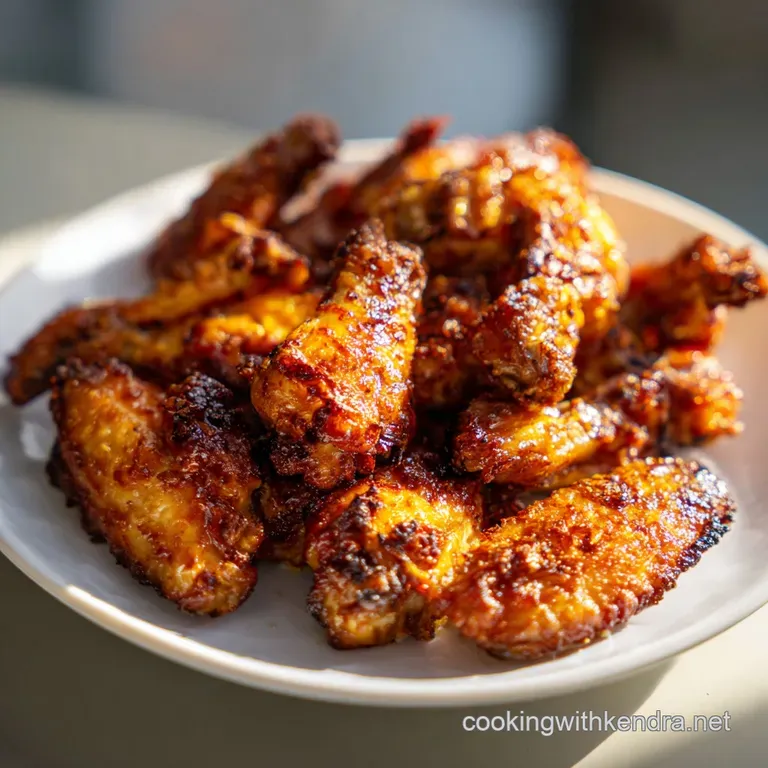
- Time: Active 10 minutes, Passive 35 minutes, Total 45 minutes
- Flavor/Texture Hook: Shatter crisp skin with a velvety, vinegary glaze
- Perfect for: Game day crowds or low effort Friday nights
- Shatter Crisp Oven Baked Hot Wings
- The Molecular Magic of Oven Fried Texture
- Essential Timing and Yield Specifications
- Component Analysis and Ingredient Roles
- The Alchemy of Flavor: Selecting Ingredients
- Necessary Tools for a Crispy Finish
- Step-by-Step Culinary Progression
- Solutions for Common Wing Disasters
- Dietary Modifications and Substitutions
- Serving Size and Method Comparisons
- Debunking Common Wing Myths
- Storage and Freshness Guidelines
- Serving Suggestions and Flavor Pairings
- Very High in Sodium
- Hot Wings Recipe FAQs
- 📝 Recipe Card
Shatter Crisp Oven Baked Hot Wings
The first time I tried to make wings at home, it was a total disaster. I was living in a tiny apartment with a temperamental oven, and I thought I could just toss them in some oil and hope for the best. What I got was a tray of grey, rubbery chicken that felt more like a chore than a treat.
I remember sitting at my small kitchen table, staring at those soggy flats, and promising myself I’d find a way to get that restaurant style crunch without the mess of a deep fryer.
Everything changed when I learned about the baking powder trick. I was visiting family back in Georgia, and my auntie saw me fussing with a pot of oil. She told me to put the bottle away and grab the tin of baking powder instead. I didn't believe her at first baking powder is for biscuits, right?
But the moment I pulled that tray out and heard the skin crackling and popping like tiny fireworks, I was a believer. The aroma of toasted chicken skin and sharp vinegar hit the back of my throat, and I knew I'd never go back to the old way.
Making wings hot wings used to feel like a high stakes gamble, but now it's my favorite ritual. There's something so satisfying about the transformation from wet, slippery poultry to a golden brown masterpiece.
When you toss them in that butter rich sauce, you get this beautiful contrast between the sharp, spicy heat and the rich, creamy finish. It’s a sensory experience that starts with the sizzle in the oven and ends with sticky fingers and a very happy heart.
The Molecular Magic of Oven Fried Texture
- Alkaline Surface Reaction: Aluminum free baking powder raises the pH level of the chicken skin, which allows the proteins to break down more efficiently for a thinner, crispier result.
- Dehydration Acceleration: The salt and baking powder mixture draws moisture out of the skin to the surface where it can evaporate quickly in the heat.
- Maillard Reaction Enhancement: By drying out the exterior, the skin reaches the temperature needed for browning much faster, creating those deep, toasted flavor compounds.
- Emulsification Stability: Cold butter whisked into hot sauce creates a suspended fat in-water emulsion that clings to the wings rather than sliding off.
| Wing Thickness | Internal Temp | Rest Time | Visual Cue |
|---|---|---|---|
| Small (Flats) | 165°F | 3 mins | Skin looks blistered and dry |
| Medium (Drums) | 165°F | 5 mins | Golden brown and firm to touch |
| Large (Jumbo) | 170°F | 5 mins | Bone begins to pull away slightly |
It is vital to check the internal temperature near the bone to ensure the chicken is safe to eat while maintaining that juicy interior. While 165°F is the standard safety mark, wings are forgiving and actually benefit from a slightly higher temp to help render out the fat.
Essential Timing and Yield Specifications
When you are planning your wing night, understanding the volume is just as important as the flavor. For a standard crowd, I usually plan for about half a pound per person if it's an appetizer, but if these are the main event, you'll want to double that.
This recipe uses 2 lbs chicken wings, which perfectly fits on a single standard half sheet pan without overcrowding.
If you find yourself running behind, you can actually prep the wings with the dry rub up to 8 hours in advance. This extra time in the fridge acts like a dry brine, further dehydrating the skin and making the final result even crunchier. Sometimes I use my Wings in Air Fryer recipe when I'm in a real rush, but the oven method is the gold standard for getting that specific, shattered texture on the skin.
Component Analysis and Ingredient Roles
| Ingredient | Science Role | Pro Secret |
|---|---|---|
| Baking Powder | pH Modifier | Ensure it is aluminum free to avoid a tinny, metallic aftertaste on the tongue |
| Cold Butter | Emulsifier | Adding it cold at the end creates a thick, velvety sauce that stays on the wing |
| Frank's RedHot | Acid Base | The vinegar content cuts through the fat of the skin for a balanced bite |
Using the right type of salt also matters here. I always reach for kosher salt (such as Diamond Crystal) because the larger grains distribute more evenly than fine table salt. If you're looking for a different flavor profile, you might want to try a Dry Rub Chicken Wings recipe for a smoky, sauce less experience.
The Alchemy of Flavor: Selecting Ingredients
- 2 lbs chicken wings: Buy them "party style" (flats and drumettes separated) to save yourself the hassle of butchery. Why this? Even sizing ensures all pieces finish cooking at the exact same time.
- Substitute: Whole wings (increase cook time by 10 minutes).
- 1 tbsp aluminum free baking powder: This is the secret to the crunch. Why this? It breaks down the skin's proteins for a thinner, crispier texture.
- Substitute: None recommended for this specific texture.
- 0.5 tsp kosher salt: Enhances the natural savory notes of the poultry. Why this? Draws out moisture through osmosis to aid the crisping process.
- Substitute: Sea salt (use slightly less as it's saltier by volume).
- 0.5 tsp garlic powder: Adds a foundational savory depth. Why this? Powders distribute better than fresh garlic in a dry rub.
- Substitute: Onion powder.
- 0.25 tsp smoked paprika: Provides a hint of color and woodsy aroma. Why this? Mimics the flavor of wings cooked over a live fire.
- Substitute: Cayenne pepper for extra heat.
- 0.5 cup Frank’s RedHot: The quintessential base for any buffalo style sauce. Why this? The perfect ratio of aged cayenne peppers and vinegar.
- Substitute: Any cayenne based hot sauce.
- 4 tbsp unsalted butter: Provides the rich, silky mouthfeel. Why this? Cold cubes emulsify into the sauce for a glossy finish.
- Substitute: Ghee or clarified butter.
- 1 tbsp white vinegar: Brightens the entire flavor profile. Why this? Adds a necessary punch to cut through the richness of the butter.
- Substitute: Apple cider vinegar.
- 0.25 tsp Worcestershire sauce: Adds a mysterious, fermented umami kick. Why this? Deepens the sauce without making it overly salty.
- Substitute: Soy sauce or liquid aminos.
Necessary Tools for a Crispy Finish
The most important piece of gear for this recipe isn't actually the oven itself, but the wire rack you place inside the pan. Without a rack, the wings sit in their own rendered fat, which leads to a soggy bottom.
A standard half sheet pan fitted with a stainless steel cooling rack allows the hot air to circulate 360 degrees around each wing.
You'll also want a large stainless steel bowl for tossing. Don't try to sauce the wings on the pan; they need room to jump and tumble so every nook and cranny gets coated. A pair of silicone tipped tongs is helpful for flipping the wings halfway through without tearing the delicate, developing skin.
step-by-step Culinary Progression
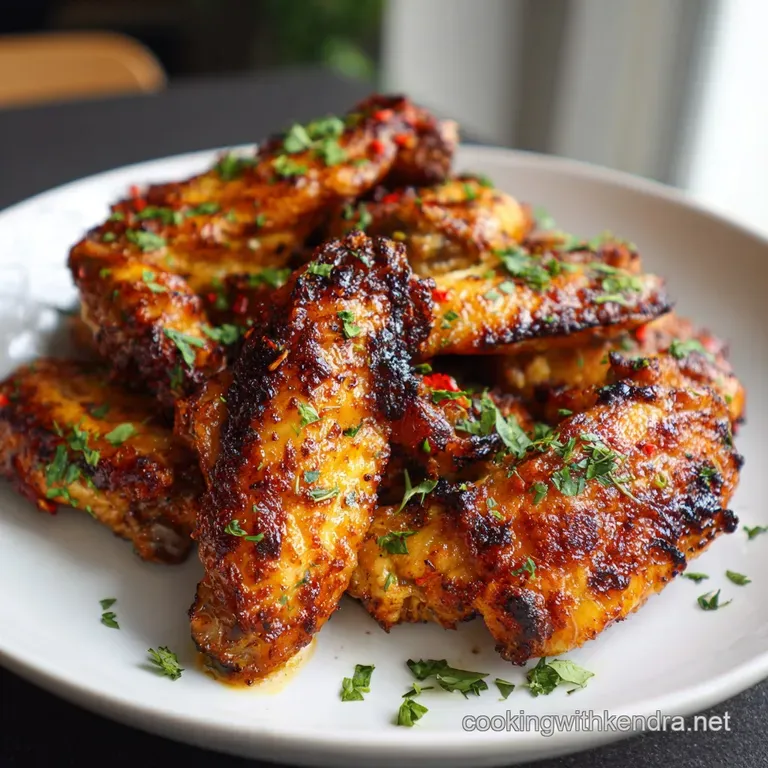
- Preheat oven to 400°F (200°C). Note: A high starting temperature is necessary to jumpstart the fat rendering.
- Pat dry the 2 lbs chicken wings with paper towels. Ensure they are bone dry to prevent the baking powder from clumping.
- Whisk together 1 tbsp baking powder, 0.5 tsp salt, 0.5 tsp garlic powder, and 0.25 tsp smoked paprika in a small bowl.
- Dust wings evenly with the powder mixture in a large bowl. Toss until invisible so there are no white clumps left on the skin.
- Arrange wings on a wire rack set over a baking sheet. Leave space between each piece to allow for maximum airflow and even browning.
- Bake 20 minutes then flip each wing using tongs. Watch for the initial sizzle as the fat begins to render.
- Bake 15 minutes more until the skin is golden and shatter crisp.
- Simmer sauce by combining 0.5 cup Frank’s RedHot, 1 tbsp vinegar, and 0.25 tsp Worcestershire in a small saucepan over low heat.
- Whisk in 4 tbsp cold cubed butter one piece at a time. Remove from heat immediately once the sauce is velvety and opaque.
- Toss wings in the warm sauce. Coat thoroughly and serve immediately while the skin is at its peak crunch.
Solutions for Common Wing Disasters
Preventing a Metallic Flavor
If your wings have a strange, tinny taste, it is almost certainly because of the baking powder. Many brands use sodium aluminum sulfate as an acidifying agent, which reacts unpleasantly when heated in large quantities. Always double check your label for "Aluminum Free."
Avoiding the Dreaded Soggy Bottom
If the undersides of your wings are soft, it’s usually an airflow issue. If you don't have a wire rack, you can "scrunch" some aluminum foil into ridges to keep the chicken elevated. Also, make sure you aren't crowding the pan; if the wings are touching, they will steam each other instead of roasting.
| Problem | Root Cause | Solution |
|---|---|---|
| Floury Texture | Too much powder | Use exactly 1 tbsp per 2 lbs of chicken wings |
| Broken Sauce | Sauce got too hot | Whisk in cold butter off the heat to emulsify |
| Burnt Skin | Oven rack too high | Bake in the center of the oven for even heat |
Common Mistakes Checklist
- ✓ Pat the chicken completely dry before adding any seasonings (moisture is the enemy of crunch).
- ✓ Use a wire rack to ensure the heat reaches the bottom of the wings.
- ✓ Avoid "active" baking powder that has been sitting in your pantry for over a year.
- ✓ Never toss wings in sauce until the very second you are ready to eat them.
- ✓ Keep the butter cold until the moment it hits the hot sauce.
Dietary Modifications and Substitutions
For my friends following a gluten-free lifestyle, this recipe is naturally a win, provided your baking powder is certified. If you're looking for a dairy-free version, you can swap the butter for a high-quality vegan butter substitute, though you might lose a bit of that Southern style richness.
Just ensure the substitute has a bit of fat content to help the sauce cling.
If you are watching your sodium, you can reduce the salt in the dry rub, but don't skip it entirely. The salt works in tandem with the baking powder to dehydrate the skin. For those who want a deeper, more complex heat, try the Franks RedHot Buffalo recipe which focuses heavily on the authentic tavern style preparation.
| Original Ingredient | Substitute | Why It Works |
|---|---|---|
| White Vinegar | Lemon Juice | Provides a fresh, citrusy acidity. Note: Slightly sweeter than vinegar |
| Butter | Coconut Oil (refined) | Provides fat for the sauce. Note: Use refined to avoid a tropical scent |
| Frank's RedHot | Sriracha | Creates a thicker, garlicky sauce. Note: Much spicier than original |
Serving Size and Method Comparisons
| Method | Total Time | Texture | Best For |
|---|---|---|---|
| Oven (Rack) | 45 minutes | Shatter crisp | Large groups and consistent results |
| Stovetop Fry | 25 minutes | Traditional crunch | Small batches and authentic flavor |
| Air Fryer | 30 minutes | Very crispy | Quick weeknight meals for two |
The oven method is the most reliable way to cook a large volume of wings at once. While frying is faster per batch, the cleanup and oil management can be a headache. The oven allows you to set a timer and walk away to prep your celery and dip.
Debunking Common Wing Myths
One major misconception is that you need cornstarch for crispy wings. While cornstarch does help, it often creates a "breaded" feel rather than the thin, blistered skin we're looking for in a true buffalo wing.
Baking powder is superior because it changes the chemistry of the skin itself rather than just adding a coating.
Another myth is that you should sauce the wings before they go into the oven. If you do this, the sugar and vinegar in the sauce will burn and the moisture will prevent the skin from ever getting crisp. Always sauce at the very end.
Searing meat doesn't "seal in juices," and similarly, coating wings early doesn't "lock in flavor" it just results in a soggy mess.
Storage and Freshness Guidelines
Storage: You can keep these wings in an airtight container in the fridge for up to 4 days. However, be warned that the sauce will inevitably soften the skin over time. To revive them, don't use the microwave.
Instead, pop them back into a 400°F oven or an air fryer for about 5 minutes until they start to sizzle again.
Freezing: You can freeze cooked wings (preferably without sauce) for up to 2 months. Thaw them completely in the fridge before reheating in the oven. For the best zero waste practice, save any leftover wing tips or bones in a bag in your freezer.
They make an incredible base for a rich chicken stock that puts the store-bought stuff to shame.
Serving Suggestions and Flavor Pairings
You can't have hot wings without the classic cooling agents. I always serve mine with plenty of cold celery sticks and a heavy handed bowl of chunky blue cheese or ranch dressing. The crunch of the celery and the creaminess of the dip are the perfect foils for the vinegary heat of the sauce.
If you're hosting a full spread, these wings pair beautifully with something substantial. I often recommend my What to Serve recipe for inspiration on rounding out a game day menu. From loaded fries to a crisp wedge salad, having a few different textures on the table makes the whole meal feel like a celebration. Trust me, once you master this baking powder technique, you'll be the designated wing maker for every gathering from here on out!
Very High in Sodium
3425 mg mg of sodium per serving (149% % of daily value)
The American Heart Association recommends limiting sodium intake to about 2,300mg per day. This recipe greatly exceeds that recommendation.
Tips to Reduce Sodium in Your Chicken Wings:
-
Reduce Hot Sauce-30%
Frank's RedHot is a significant sodium contributor. Reduce the amount used by half or explore low-sodium hot sauce alternatives. Start with a smaller amount and adjust to your taste.
-
Eliminate Added Salt-25%
Completely omit the kosher salt from the recipe. The other ingredients contain sodium, and you can always add a pinch of salt at the end if needed.
-
Limit Worcestershire Sauce-20%
Use the Worcestershire Sauce sparingly or eliminate it altogether. It is a high sodium ingredient, so either omit or use it sparingly.
-
Unsalted is Key
Continue to use unsalted butter. This helps to keep the sodium level low in a key ingredient in the sauce.
-
Spice it Up!
Experiment with other herbs and spices like black pepper, onion powder, or dried oregano to enhance flavor without adding sodium. Try increasing the smoked paprika.
Hot Wings Recipe FAQs
Are buffalo wings and hot wings the same?
Yes, generally they refer to the same item. The term "Buffalo wing" specifies the classic preparation: deep fried wing tossed in a cayenne pepper vinegar hot sauce mixed with melted butter.
Is KFC selling hot wings now?
Check your local franchise menu availability. Menu offerings, especially limited time items like specialized hot wings, vary significantly by region and time of year at major chains like KFC.
What is hot wing sauce made of?
The base is cayenne pepper sauce, butter, and vinegar. Authentic Buffalo sauce combines a vinegar based hot sauce (like Frank's) with melted butter for richness and flavor dispersion.
How long to cook wings for hot wings?
Bake wings for 35 to 45 minutes total at 400°F (200°C). You must bake them until the internal temperature hits 165°F and the skin is visibly blistered and dry for maximum crispness.
Can I use baking soda instead of baking powder for crispier skin?
No, use aluminum free baking powder for the best results. Baking powder is specifically formulated with an acid component that reacts with the chicken skin's pH to create better blistering; baking soda alone is too alkaline.
What temperature should the oven be set to achieve shatter crisp skin?
Start baking at 400°F (200°C). This high heat is crucial for quickly rendering the fat beneath the skin before the meat overcooks. If you master this high heat technique here, you can apply the same temperature logic to our Hot Ham and recipe for perfect outer crust development.
Is it true that wings taste better when fried than baked?
No, this is a common misconception for home cooks. With the proper dry rub (baking powder/salt) and use of a wire rack, baking at high heat can produce skin that is as crisp, if not crispier, than deep fried versions without the oil mess.
Crispy Baked Hot Wings
Ingredients:
Instructions:
Nutrition Facts:
| Calories | 492 kcal |
|---|---|
| Protein | 36.6 g |
| Fat | 37.1 g |
| Carbs | 1.2 g |
| Fiber | 0.2 g |
| Sugar | 0.3 g |
| Sodium | 3425 mg |
