Classic French Toast in 20 Minutes
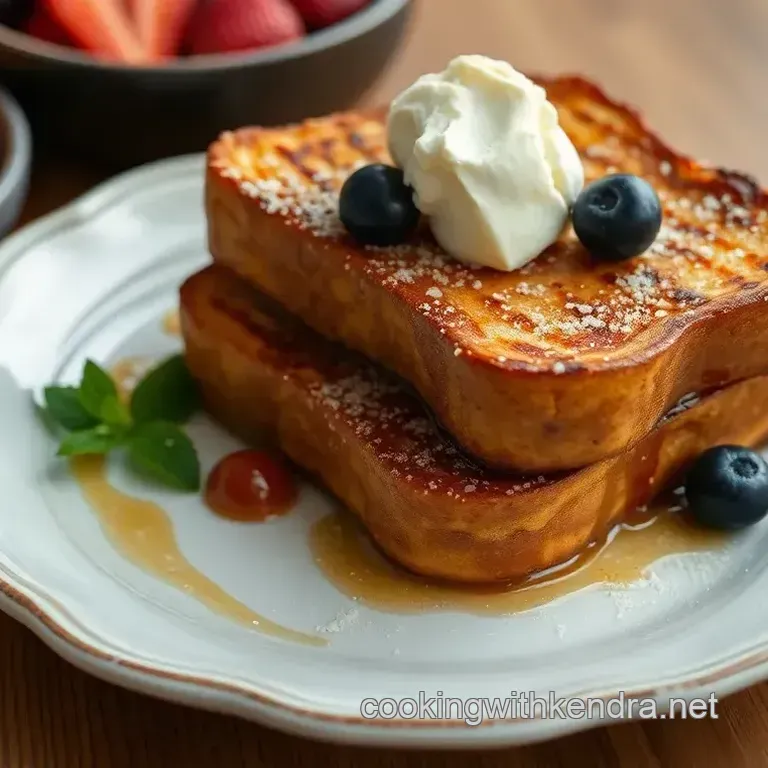
- Time: 10 minutes prep + 10 minutes heat
- The Result: A deep mahogany crust with a creamy center
- Ideal for: Lazy weekend brunches or a special surprise for the kids
French Toast: The Golden Classic
That first sizzle of butter in a hot pan always hits different. There is a specific smell when cinnamon and nutmeg hit the heat, filling the kitchen with a scent that feels like a warm hug. It is the kind of aroma that wakes everyone up without needing an alarm clock.
I used to think any bread worked, but I spent too many mornings eating soggy, lukewarm slices that felt like sponges. The real hero here is the brioche. Because it is rich with butter and eggs, it stands up to the custard soak without collapsing, which is exactly how you get that thick, custardy interior.
Making French Toast at home should feel easy, not like a chore. When you get the sear right, you end up with a Heavenly Classic French Toast that beats any overpriced brunch cafe.
Why This Custard Works
Brioche Structure: The high fat and egg content in the bread prevents it from disintegrating when soaked.
Cream Addition: Adding a splash of heavy cream creates a richer mouthfeel than using milk alone.
| Feature | Fast Version | Classic Version | Best For |
|---|---|---|---|
| Bread | White/Sandwich | Brioche/Challah | Structure |
| Liquid | Milk | Milk + Heavy Cream | Richness |
| Soak Time | 5 seconds | 30-60 seconds | Custard Core |
| Flavor | Cinnamon | Cinnamon, Nutmeg, Vanilla | Depth |
The Best Bread and Mix
For an authentic French Toast, the choice of bread is key. My preference is a brioche loaf that has dried out on the counter for a day. For fresh bread, you can warm slices at 300°F (150°C) for 5 minutes to reduce moisture.
Testing by Serious Eats shows that drier bread absorbs more custard while avoiding a gummy texture.
What you'll need:
- 8 thick slices brioche or challah breadWhy this? Prevents sogginess thanks to high fat content
- 3 large eggsWhy this? For a golden color and better structure
- 1 cup whole milkWhy this? The ideal base for the custard soak
- 2 tbsp heavy creamWhy this? Ensures a velvety, rich center
- 1 tbsp granulated sugarWhy this? Promotes better caramelization on the edges
- 1 tsp vanilla extractWhy this? Introduces a warm, floral aroma
- 1 tsp ground cinnamonWhy this? For essential spicy warmth
- 1/4 tsp ground nutmegWhy this? Provides subtle, nutty depth
- 1/4 tsp saltWhy this? Contrasts the sweetness
- 3 tbsp unsalted butterWhy this? Achieves a nutty, brown sear
Quick Swaps:
- Whole milk: Unsweetened almond milk (Less creamy and lighter)
- Brioche: Sourdough (Offers a tangier, chewier bite)
- Heavy cream: Half and half (Slightly less decadent)
Tools for the Job
While you can get by with basic tools, a few specific items make the process easier. A pie plate or shallow dish is ideal for soaking since it prevents the bread from falling apart.
I always reach for a non stick skillet; butter burns easily, and a quality pan ensures the slices slide right out. Opt for a whisk over a fork, as cinnamon often clumps and requires a bit more effort to blend in.
How to Cook It

- Whisk the eggs, milk, heavy cream, sugar, vanilla, cinnamon, nutmeg, and salt in a shallow dish. Whisk vigorously until the cinnamon is mixed in and no egg streaks remain for your French Toast custard.
- Set your skillet over medium heat.
- Place two slices of bread into the mixture. Let them soak for 30-60 seconds per side until the bread feels heavy but doesn't fall apart.
- Melt 1 tbsp of butter in the pan. Wait until the butter foams and sizzles before adding the French Toast slices.
- Cook for 3-4 minutes per side.
- Press with a spatula until you see a mahogany colored crust and the bread feels springy.
- Remove the slices from the pan.
- Place the French Toast edges on a wire rack for 60 seconds. This lets the internal custard set so it doesn't leak when you cut into it.
French Toast Pitfalls
It's easy to end up with a raw center or a scorched exterior. This is typically a matter of heat management. If the butter begins to smoke, your pan is too hot, which will burn the sugar before the eggs have time to cook through.
Another frequent problem with Classic French Toast is the "soggy middle." This occurs if the bread is too fresh or the slices are soaked for too long. Once the bread feels like a wet sponge, it won't sear properly.
I've found that the best approach for Classic French Toast is starting with medium heat and lowering it a bit if the butter browns too quickly.
| Problem | Fix |
|---|---|
| Burnt outside, raw inside | Lower heat to medium low and cook longer |
| Slices falling apart | Use older bread or shorten soak time |
| Custard not sticking | Whisk the mixture again before dipping |
| Butter tastes burnt | Wipe pan and start with fresh butter |
French Toast Twists
To add a bright note, stir in a bit of orange zest; it balances the buttery brioche and gives it a gourmet hotel feel. If you prefer more texture, coat the soaked bread in crushed cornflakes before it hits the pan.
For a different flavor profile, try an Easy Classic French Toast by substituting the sugar in the custard with maple syrup. Keep a close eye on the heat, as syrup caramelizes and burns more quickly than granulated sugar.
If you're craving something savory to go with your brunch, check out my Classic Quiche Lorraine recipe.
Quick Adjustments:
- Extra tang? → add 1 tsp lemon zest
- More depth? → replace cinnamon with pumpkin spice
- Lighter version? → use 1% milk and egg whites
Adjusting the Batch: - Cutting it in half: Use 1 egg and half the milk. Stick to a smaller 8 inch pan to keep the butter from spreading too thin. - Doubling it: Cook in batches.
Avoid overloading the pan to keep the temperature high, otherwise your French Toast will steam rather than sear.
Keeping Leftovers Fresh
Store any remaining pieces in a tightly closed container in the fridge for a maximum of 2 days. I suggest avoiding the freezer, as the custard may split and create a grainy consistency.
When reheating, skip the microwave to avoid a rubbery texture. Instead, warm the slices in a skillet over medium heat for 2 minutes per side or use a toaster oven to restore that crisp edge.
As this is a sweet dish, it balances well with fruit. You can simmer extra berries with a pinch of sugar in a pan for a fast compote. For another decadent option, try this Classic Pumpkin Pie for a later treat.
Zero Waste Tip: Don't let the remaining custard go to waste. Mix it with a handful of oats and bake for 20 minutes at 350°F (180°C) to create a quick cinnamon custard bake.
Plating Your Breakfast
Your plating method changes the French Toast experience. I prefer a compact stack of three slices, crowned with a thick slice of salted butter. As it melts into the cinnamon sugar crust, it creates a delicious salty sweet glaze.
To add a pop of color, serve with sliced bananas or fresh strawberries. A light dusting of powdered sugar gives the dish a professional finish with almost no effort.
Pour your maple syrup around the base of the stack rather than directly over the top. This technique preserves the crispy top crust while the bottom slices soak up the sweetness.
Whether you consider this Homemade French Toast or a simple weekend treat, the goal is the contrast between the crunch and the cream. Creating the Best French Toast Ever takes patience during the sear. Once you hit that deep brown shade, it's ready to serve.
Recipe FAQs
Can I use standard white bread?
No, brioche or challah are far superior. Their high fat content prevents the bread from turning into mush during the soak.
How to stop the bread from falling apart?
Limit the soak time to 30-60 seconds per side. This ensures the center is saturated without the structure collapsing.
Is it true you should plate the toast immediately after cooking?
Actually, no. Transfer slices to a wire rack or warm plate for 60 seconds to let the internal custard set.
What is the best way to serve this breakfast?
Serve these warm while the center is still creamy. If you enjoy the hearty, comforting nature of this meal, see how we balance rich flavors in our sourdough casserole.
Why does the crust turn mahogany?
Medium heat and butter create the caramelization. Cook each side for 3-4 minutes to achieve that deep, rich color.
French Toast in 20 Minutes: Fluffy