Garlic Parmesan Pasta: Silky Sauce
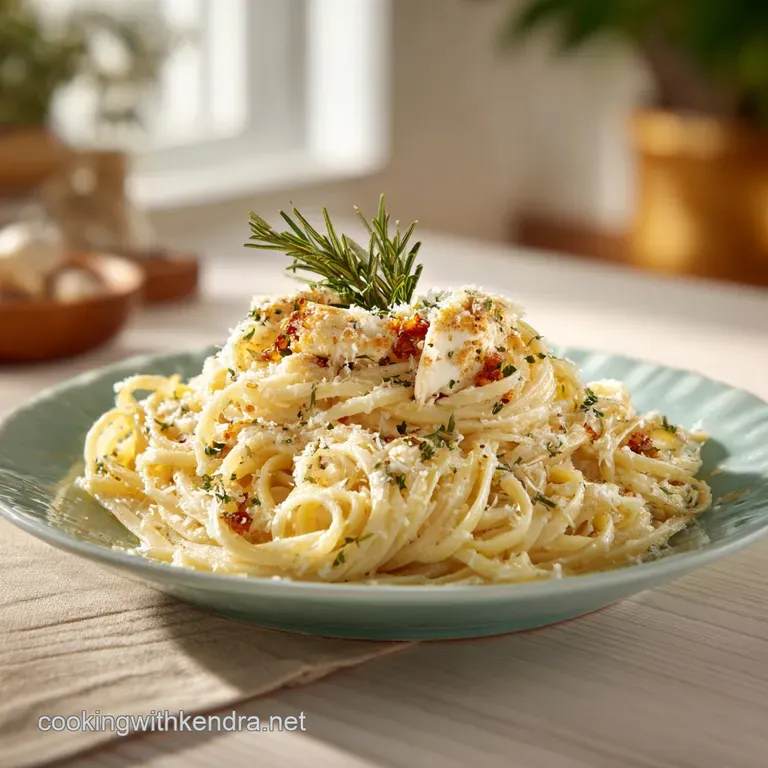
- Time: Active 5 minutes, Passive 15 minutes, Total 20 minutes
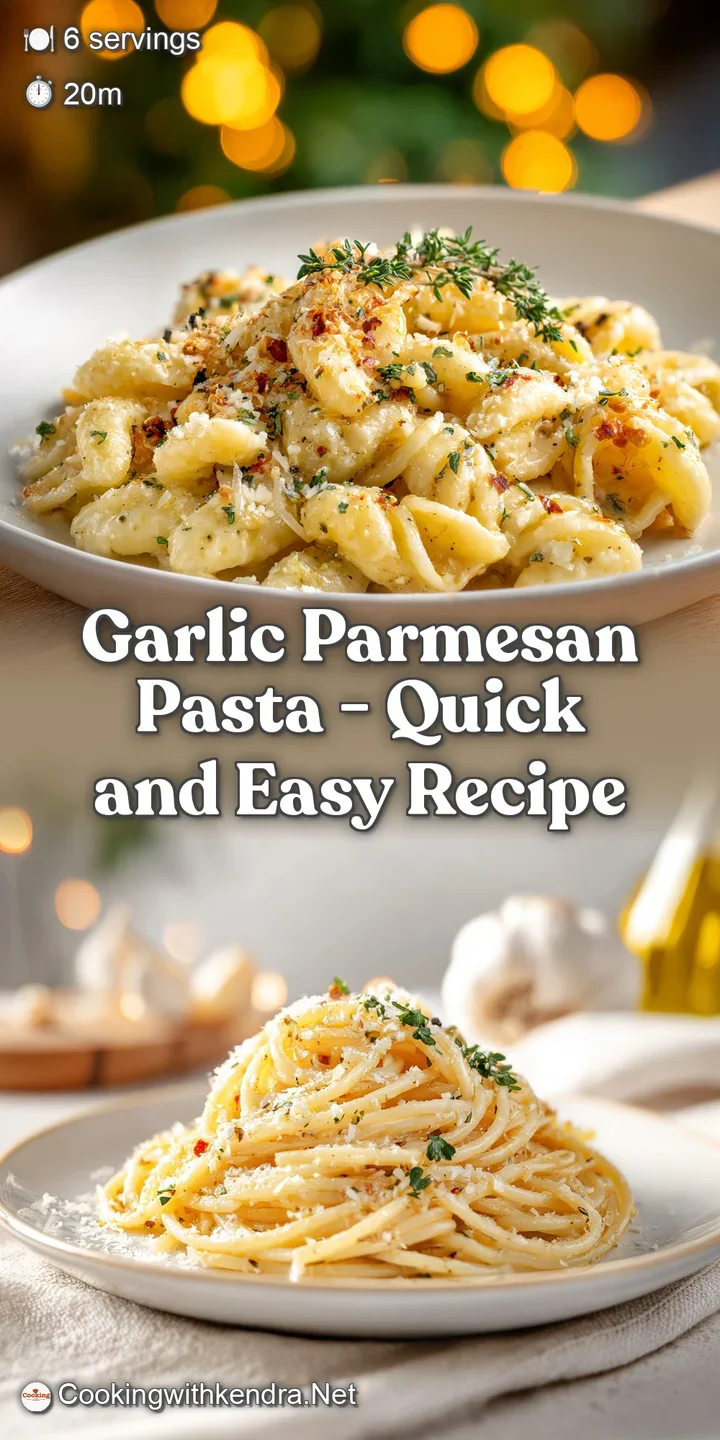
- Flavor/Texture Hook: Silky, garlic forward sauce with a punchy Parmesan finish
- Perfect for: Quick weeknight dinners or a comforting date night meal
- The Science Behind Achieving Silky Sauce Results
- Essential Recipe Specs for a Successful Dinner
- Ingredient Deep Dive for Maximum Umami Flavor
- Necessary Kitchen Tools for This Simple Pasta
- Bringing It Together with a Seamless Cooking Flow
- Troubleshooting Common Sauce Textures and Flavors
- Flavorful Variations and Simple Ingredient Substitutions Now
- Reliable Freezing and Reheating for Busy Weeknights
- Perfect Side Dishes to Complement Your Pasta
- Scaling for Different Group Sizes
- Debunking Common Kitchen Myths
- Recipe FAQs
- 📝 Recipe Card
The Science Behind Achieving Silky Sauce Results
The magic of this Garlic Parmesan Pasta lies in a process called emulsification, where we force fat and water to become friends. When you toss the pasta with the butter and cream, it wants to separate, but the starch molecules in the pasta water act as a bridge, holding the fat and liquid together in a stable, creamy bond.
This is why we never rinse the pasta, as we need every bit of that starch to prevent a greasy mess.
Another critical factor is protein coagulation, which is a fancy way of saying we don't want the cheese to scramble. If the pan is too hot when the Parmesan hits it, the proteins in the cheese tighten up and squeeze out the fat, leading to those annoying rubbery clumps.
By removing the pan from the direct heat before adding the cheese, we ensure it melts into a smooth, velvety sauce instead of a grainy one.
Chef Tip: Freeze your block of Parmesan for just 10 minutes before grating. It makes the cheese firmer and prevents it from clumping or softening from the warmth of your hands, resulting in a much lighter, fluffier grate that melts instantly.
| Cook Method | Prep Time | Texture Result | Best For |
|---|---|---|---|
| Traditional Stovetop | 20 minutes | Silky and emulsified | Maximum flavor control |
| One Pot Method | 22 minutes | Starchier and thicker | Minimal cleanup |
| Oven Baked (Casserole) | 45 minutes | Crispy top, denser | Feeding a large crowd |
Choosing the right method depends on your schedule, but I always lean toward the stovetop approach because it allows you to "mount" the sauce perfectly. If you are in a rush, the one pot method works, but the sauce can sometimes become a bit too heavy.
For that classic feel, stick with the traditional boil and toss technique.
Essential Recipe Specs for a Successful Dinner
Before you start the water, you need a plan for your timing. This dish moves fast once the garlic hits the pan, so having your ingredients measured out is non negotiable. I like to call this "cooking in the flow," where the pasta finishes boiling right as your garlic infusion is ready.
This ensures the pasta is hot and porous when it hits the sauce, allowing it to soak up all that flavor.
For the best results, use a wide skillet rather than a deep pot for the sauce. The increased surface area allows the cream to reduce slightly and makes it much easier to toss the long strands of linguine without breaking them. If you are using a Chicken Pasta Creamy recipe as a base, you'll recognize this technique of building the sauce around the pasta rather than just pouring it on top.
| Feature | Requirement | Reason |
|---|---|---|
| Pasta Type | Long strands (Linguine/Fettuccine) | Better surface area for sauce adhesion |
| Garlic Prep | Finely minced, not pressed | Prevents bitterness and ensures even distribution |
| Cheese Quality | Real Parmigiano Reggiano | Pre shredded has cellulose that prevents melting |
| Water Salinity | 1 tbsp per 4 quarts | Seasons the pasta from the inside out |
Ingredient Deep Dive for Maximum Umami Flavor
The quality of your ingredients dictates the outcome here more than almost any other dish I make. Since the list is short, there is nowhere for subpar flavors to hide. Start with a high fat butter; the European style ones have less water and more butterfat, which translates to a much richer mouthfeel in the final Garlic Parmesan Pasta.
When it comes to the garlic, eight cloves might sound like a lot, but we are gently poaching them in butter. This tames the sharp bite and turns it into a sweet, mellow base. If you use a press, you release too many enzymes which can make the sauce taste harsh.
Take the extra two minutes to mince it with a sharp knife; your taste buds will thank you.
| Ingredient | Science Role | Pro Secret |
|---|---|---|
| Heavy Cream (1 cup) | Provides fat for emulsion | Use room temp cream to avoid thermal shock |
| Pasta Water (1/2 cup) | Starch acts as a binder | Scoop it just before draining for max starch |
| Sea Salt (1 tbsp) | Controls gluten structure | Add to water only once it reaches a full boil |
| Red Pepper Flakes (1/2 tsp) | Cuts through the richness | Bloom in butter for 30 seconds before adding garlic |
Necessary Kitchen Tools for This Simple Pasta
You don't need much, but a few specific tools make the process much smoother. A microplane or a fine grater is your best friend here. The finer the cheese, the faster it melts. If you use a coarse grater, the cheese takes longer to incorporate, which increases the risk of the sauce breaking or becoming oily.
A pair of tongs is also essential for this Garlic Parmesan Pasta. Unlike a spoon, tongs allow you to lift and swirl the pasta, which is the movement required to emulsify the sauce. You want to create a "vortex" in the pan that pulls the cream, butter, and pasta water together into that signature silky coating.
- Large Stockpot: For boiling the linguine (give it room to dance!).
- Large Skillet: 12 inch stainless steel or cast iron works best.
- Fine Grater: For that cloud like Parmesan texture.
- Liquid Measuring Cup: To save that precious pasta water.
- Chef's Knife: For a clean mince on the garlic.
Bringing It Together with a Seamless Cooking Flow
- Boil the water. Fill a large pot with water and add the 1 tbsp Sea Salt. Wait for a vigorous boil before adding the 1 lb Linguine. Note: Salting the water early can pit your pots; wait for the heat.
- Cook the pasta. Boil the linguine for about 1-2 minutes less than the package directions until it is firm to the bite (al dente).
- Reserve the water. Before draining, dip a measuring cup into the pot and grab at least 1/2 cup of that cloudy pasta water. This is your liquid gold.
- Melt the butter. In your large skillet over medium low heat, melt the 4 tbsp Unsalted Butter until it starts to foam slightly.
- Toast the aromatics. Add the 8 cloves of minced garlic and 1/2 tsp Red Pepper Flakes. Sauté for 1-2 minutes until the garlic is fragrant and pale gold. Note: Do not let it turn brown or it will taste bitter.
- Add the cream. Pour in the 1 cup Heavy Cream and 1/2 tsp Black Pepper. Bring to a gentle simmer for 3 minutes until it slightly thickens and bubbles.
- Combine. Transfer the cooked pasta directly into the skillet with the cream. Add half of the reserved pasta water.
- The big toss. Turn the heat to low. Use tongs to vigorously toss the pasta in the sauce for 1 minute until the liquid starts to cling to the noodles.
- The cheese melt. Sprinkle in the 1.5 cups Freshly Grated Parmesan in three batches, tossing constantly between each. Note: If it looks dry, add more pasta water one tablespoon at a time.
- Finish and serve. Garnish with the 1 tbsp Fresh Parsley. Serve immediately while the sauce is still glossy and fluid.
Chef Tip: If you want an even deeper flavor profile, add a teaspoon of lemon zest at the very end. The acidity cuts through the heavy cream and makes the Parmesan notes pop without making the dish taste "lemony."
Troubleshooting Common Sauce Textures and Flavors
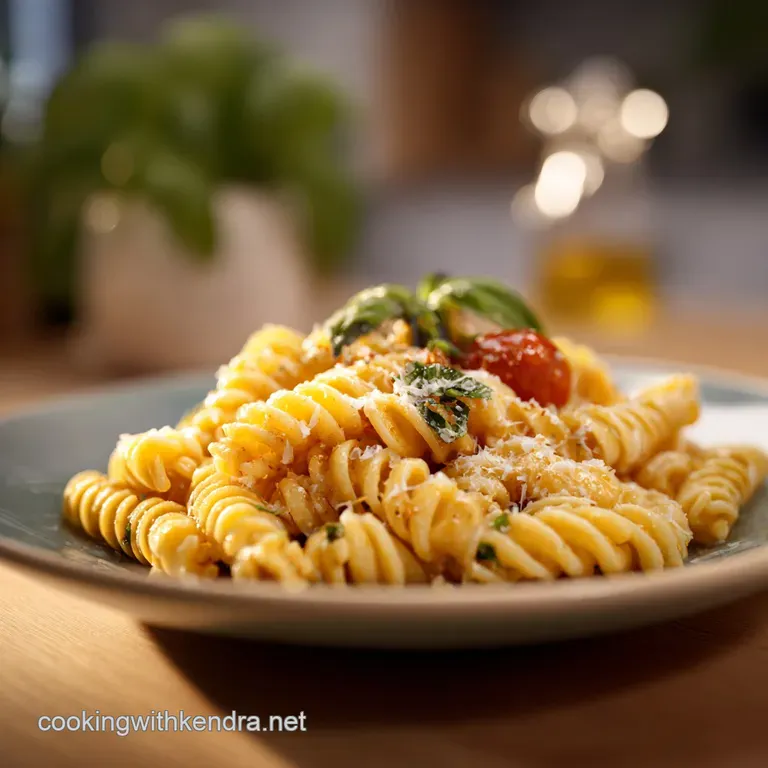
The most common heartbreak with Garlic Parmesan Pasta is the "clump." We have all been there, looking at a ball of cheese stuck to the tongs while the noodles sit bare. This usually happens because the cheese was added all at once or the pan was screaming hot.
Remember, Parmesan is a hard cheese; it needs a gentle hand to melt properly into a liquid state.
Another issue is a sauce that looks great in the pan but turns into a dry, sticky mess the moment it hits the plate. Pasta is like a sponge; it continues to soak up liquid even after you stop cooking. The secret is to make the sauce look a little "too thin" in the pan.
By the time you walk it to the table, it will have thickened to the exact right consistency.
Why Your Sauce Separated
If you see beads of oil instead of a smooth cream, your emulsion has broken. This usually happens if the cream boils too vigorously or if there isn't enough starch to hold the fat.
| Problem | Root Cause | Solution |
|---|---|---|
| Greasy texture | Sauce overheated and broke | Add a splash of cold cream and whisk hard |
| Clumpy cheese | Pan was too hot | Remove from heat, add a tbsp of hot water, and stir |
| Bland flavor | Not enough salt in water | Add a pinch of salt or more Parmesan at the end |
Common Mistakes Checklist
- ✓ Never rinse your pasta; you need that surface starch for the sauce to stick.
- ✓ Don't use the green shaker can cheese; it contains anti caking agents that won't melt.
- ✓ Avoid high heat once the cream is in the pan to prevent the dairy from curdling.
- ✓ Always save the pasta water before you dump the pot in the sink.
- ✓ Pat your parsley completely dry before chopping so it stays fluffy, not muddy.
Flavorful Variations and Simple Ingredient Substitutions Now
While I love this recipe in its purest form, it is a fantastic canvas for whatever you have in the fridge. If you want to turn this into a full meal, you can easily add a protein. I often toss in some pan seared shrimp or sliced grilled chicken. If you are looking for a different vibe, you could try using the base from a Simple Capellini Pomodoro recipe and mixing in some of this cream sauce for a "pink" garlic pasta.
For those who want to lighten things up, you can swap the cream, but be aware that the texture will change. The fat in the cream is what gives the sauce its stability. If you use milk, the sauce will be much thinner and prone to breaking unless you add a little extra pasta water and cheese to compensate.
| Original Ingredient | Substitute | Why It Works |
|---|---|---|
| Heavy Cream (1 cup) | Half and Half (1 cup) | Lower fat. Note: Sauce will be thinner and less stable. |
| Linguine | Zucchini Noodles | Low carb. Note: Do not boil; just toss in the warm sauce. |
| Parmesan | Pecorino Romano | Similar texture. Note: Much saltier and more "funk" than Parm. |
| Butter | Olive Oil | dairy-free fat. Note: Lacks the creamy "mouthfeel" of butter. |
If you are craving a more complex flavor, you might want to look into a Creamy Garlic Parmesan Sauce recipe which sometimes includes white wine or onions. However, for a quick Tuesday, the butter garlic cream trio is unbeatable.
Reliable Freezing and Reheating for Busy Weeknights
Let's be real: creamy pasta is always best the moment it leaves the pan. However, life happens, and sometimes you have leftovers. To store, put the Garlic Parmesan Pasta in an airtight container in the fridge for up to 3 days.
Do not freeze this dish once the sauce is made; the cream and cheese will separate during the thawing process, and you'll end up with a grainy texture that no amount of stirring can fix.
When reheating, avoid the microwave if possible. It heats unevenly and will almost certainly break the sauce. Instead, put the pasta in a small skillet with a splash of milk or water. Heat it over low, tossing gently, until the sauce becomes fluid again.
It only takes about 3 minutes and preserves that silky texture we worked so hard to create.
For a zero waste tip, keep those Parmesan rinds! Toss them into a bag in your freezer. The next time you make a vegetable soup or a slow cooker stew, drop a rind in. It adds a massive hit of umami and salt that makes the whole pot taste like it simmered for days.
Perfect Side Dishes to Complement Your Pasta
Since this pasta is quite rich, I like to pair it with something that has a bit of crunch or acidity. A simple arugula salad with a lemon vinaigrette is my go to. The peppery bite of the greens cuts right through the heavy cream and butter, making the whole meal feel much more balanced.
If you are going for total comfort food, you can't go wrong with more garlic. A crusty loaf of bread or some homemade focaccia is perfect for mopping up any extra sauce left at the bottom of the bowl.
- Roasted Broccoli: Toss with lemon juice and red pepper flakes to mirror the pasta flavors.
- Grilled Asparagus: The charred flavor provides a nice contrast to the creamy sauce.
- Caprese Salad: Fresh tomatoes and balsamic glaze add a bright, acidic pop.
Scaling for Different Group Sizes
When you need to feed a crowd or just yourself, this recipe scales fairly well, but you have to watch the ratios. If you are cutting the recipe in half, use a smaller pan so the sauce doesn't evaporate too quickly. Reducing the sauce is key, but in a giant pan, 1/2 cup of cream will disappear in seconds.
For doubling the recipe to feed 12 people, don't just double everything blindly. Use about 1.5x the salt and red pepper flakes initially, then taste and adjust. Too much salt can happen quickly when you are dealing with large amounts of Parmesan.
Also, work in two batches if your skillet isn't massive; overcrowding the pan makes it impossible to get that emulsified toss.
Scaling and Adjustments
- Downsizing (1/2 or 1/4): Use a small saucepan, reduce simmer time by 20%, and keep a close eye on the liquid levels.
- Upscaling (2x-4x): Use 1.5x spices/salt, reduce total liquids by 10% to account for less evaporation, and toss the pasta in a very large bowl if the skillet is too full.
- Baking Version: If making ahead for a potluck, undercook the pasta by 4 minutes, add 1/2 cup extra cream, top with breadcrumbs, and bake at 350°F (180°C) for 20 minutes.
Debunking Common Kitchen Myths
One of the biggest lies in the culinary world is that you should add olive oil to your pasta water to keep the noodles from sticking. All this does is coat the pasta in a slick film that prevents your beautiful Garlic Parmesan Pasta sauce from actually adhering to the noodles.
If you want to prevent sticking, just use a large enough pot and give the pasta a few good stirs during the first two minutes of boiling.
Another myth is that you need to "seal" the garlic by browning it. In a cream sauce, browned garlic actually becomes bitter and loses that sweet, aromatic quality. We want to gently poach the garlic in the butter.
If you see it turning dark brown, it's better to start over than to ruin the whole batch of sauce with a burnt flavor. Trust me, I have tried to "save" it before, and it never works.
Finally, don't believe the idea that "fresh" pasta is always better for this dish. For a heavy, creamy sauce like this, a high-quality dried linguine actually works better because it has more structural integrity. Fresh pasta can sometimes become too soft and mushy when tossed vigorously with a rich sauce.
Dried pasta provides that perfect "al dente" bite that stands up to the Parmesan and cream.
Recipe FAQs
What is the single most important step for achieving a silky, non-clumpy sauce?
Remove the pan from the direct heat before adding the Parmesan cheese. If the pan is too hot when the cheese is added, the proteins coagulate quickly, resulting in rubbery clumps instead of a smooth, velvety emulsion.
Can I substitute pre-shredded Parmesan cheese for fresh block cheese?
No, stick with freshly grated block cheese. Pre-shredded varieties contain cellulose and anti caking agents that actively prevent smooth melting, guaranteeing a grainy sauce.
How do I make sure the sauce clings perfectly to the pasta instead of sliding off?
Reserve and use the starchy pasta cooking water during the final toss. The starch molecules act as a crucial binder, forcing the fat (butter/cream) and water to stabilize into one cohesive sauce.
How long should I cook the garlic before adding the cream?
Cook the minced garlic for 1 to 2 minutes until fragrant and pale gold. You want to gently poach the garlic in the butter to sweeten its flavor; do not let it brown, as this will introduce bitterness to the sauce.
Can I use milk instead of heavy cream for a lighter version?
Yes, but the sauce stability will suffer. Milk has less fat, making the sauce thinner and much more likely to break or curdle; you must compensate by adding more grated cheese and vigorously tossing with the starchy water.
How do I prevent the sauce from becoming greasy during the final toss?
Ensure your heat is low or off when incorporating the final cheese and use vigorous tossing motion. If the sauce separates into oil and liquid, add a splash of cold cream or hot water while whisking constantly to try and re-emulsify the mixture.
What is the best way to reheat leftovers without ruining the sauce texture?
Gently reheat the pasta in a skillet over low heat with a splash of milk or water. The microwave heats unevenly and will break the emulsion; the slow reheating in the skillet encourages the sauce to come back together smoothly.
Easy Garlic Parmesan Pasta
Ingredients:
Instructions:
Nutrition Facts:
| Calories | 568 kcal |
|---|---|
| Protein | 17.2 g |
| Fat | 28.9 g |
| Carbs | 58.7 g |
| Fiber | 2.1 g |
| Sugar | 3.2 g |
| Sodium | 478 mg |
