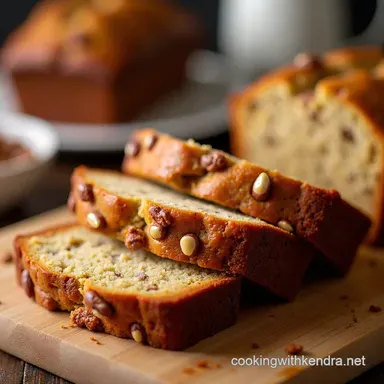
The Ultimate Comfort Bake Foolproof Banana Nut Loaf
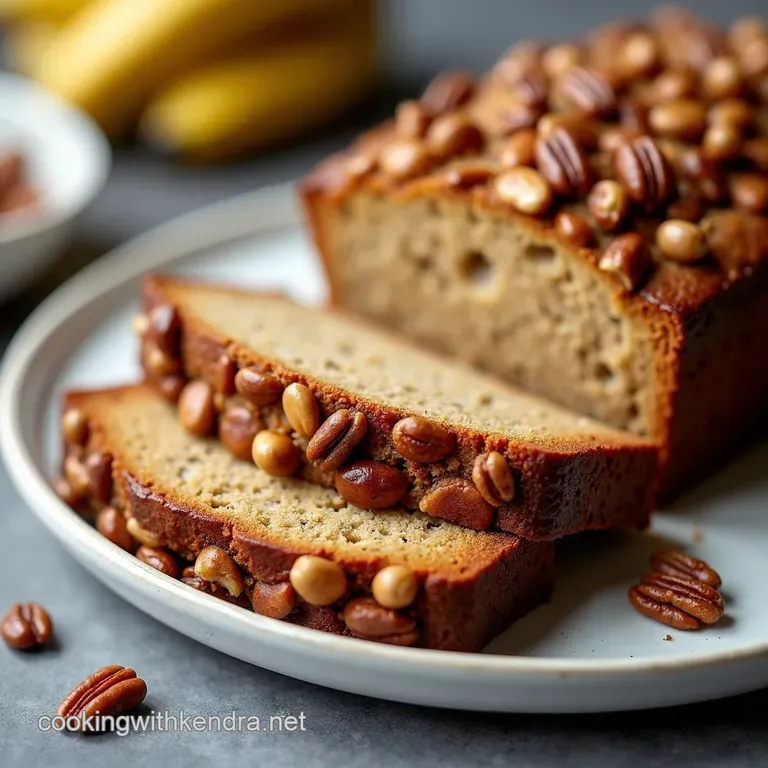
- Why This Banana Nut Bread Recipe Will Reign Supreme in Your Kitchen
- The Magic Behind Truly Moist Banana Loaves
- Assembling Your Pantry Staples for Optimal Banana Bread Flavor
- The Essential Toolset: Equipment Needed for Success
- The Effortless Mixing Method: Combining Wet and Dry Components
- Baking to Perfection: Oven Dynamics for a Golden Finish
- Troubleshooting Common Banana Bread Pitfalls
- Extending the Shelf Life: Storage and Freezing Techniques
- Recipe FAQs
- 📝 Recipe Card
Why This Banana Nut Bread Recipe Will Reign Supreme in Your Kitchen
Few baked goods evoke the same sense of nostalgic comfort as a perfectly executed loaf of Banana Nut Bread . It’s the ultimate hero for those days when your fruit bowl is staging a quiet rebellion, sporting bananas so deeply speckled they’re practically black.
Forget dry, sad loaves that crumble into dusty fragments; the recipe I'm sharing today the "Classic Comfort: Foolproof Banana Nut Loaf" is engineered for maximum moisture and profound, caramelized banana flavour.
This isn't just another quick bread; it's the quintessential afternoon tea companion or a delightful breakfast treat that tastes precisely like home. What makes it superior? It prioritizes deep flavour development over complicated technique.
Because this is largely a 'dump and stir' style recipe, it lands firmly in the Easy Banana Nut Bread Recipe category, delivering impressive results for minimal effort.
The Magic Behind Truly Moist Banana Loaves
Achieving that heavenly, tender interior is the holy grail of quick bread baking. Dryness usually stems from two culprits: using bananas that weren't ripe enough, or over developing the gluten structure during mixing.
This particular formula is built to combat both issues head-on, ensuring you end up with the Moist Banana Nut Bread everyone dreams about.
Tackling the Overripe Banana Dilemma: The Secret Ingredient Explained
The intensity of your final loaf hinges entirely on the ripeness of your primary ingredient. We aren't looking for yellow bananas; we are targeting bananas that are heavily speckled, brown, or even nearly black. Why? As a banana ripens, its starches convert into simple sugars.
This concentration of natural sweetness, coupled with the breakdown of cell walls, releases the liquid and flavour necessary to keep the finished loaf deeply fragrant and incredibly moist. The recipe calls for about 1 ½ cups of mashed banana, which typically translates to three very large, sad-looking specimens.
They are the unsung heroes ensuring the structural integrity and flavour of your Banana Nut Bread .
A Note on Texture: Achieving That Perfect Crumb without a Mixer
One of the joys of this bake is its simplicity; you won't need a stand mixer. We rely on the classic wet-into dry mixing method, which minimizes gluten development. When combining the wet banana mixture with the dry components, the goal is merely to incorporate them stop stirring the moment you see no more streaks of dry flour.
A few lumps remaining are perfectly acceptable, even desirable. Overmixing forces the flour to develop too much gluten, leading to a tough, chewy texture rather than the tender crumb we seek. This forgiveness makes it the Simple Banana Nut Bread that even first time bakers can master.
Why We Choose Pecans (and When Walnuts are a Worthy Substitute)
For this Banana Nut Bread Recipe , I highly recommend using pecans. Their buttery, slightly sweeter profile pairs beautifully with the caramelized banana notes. A quick toast in a dry pan before adding them wakes up their oils and enhances their flavour significantly.
However, if walnuts are what you have on hand, they are a fantastic and traditional substitute; their slightly more assertive, earthy bitterness provides a robust contrast to the sweetness of the fruit.
Assembling Your Pantry Staples for Optimal Banana Bread Flavor
To create a loaf that sings, you need to ensure your foundational ingredients are accounted for. We’re using standard baking supplies, but the ratios are key. For the dry elements, you’ll need 1 ¾ cups of all-purpose flour, ¾ cup of granulated sugar (or a full cup if your bananas are only moderately ripe), 1 teaspoon of baking soda for lift, a warming ½ teaspoon of ground cinnamon, and just ¼ teaspoon of fine salt to balance the sweetness.
The Essential Toolset: Equipment Needed for Success
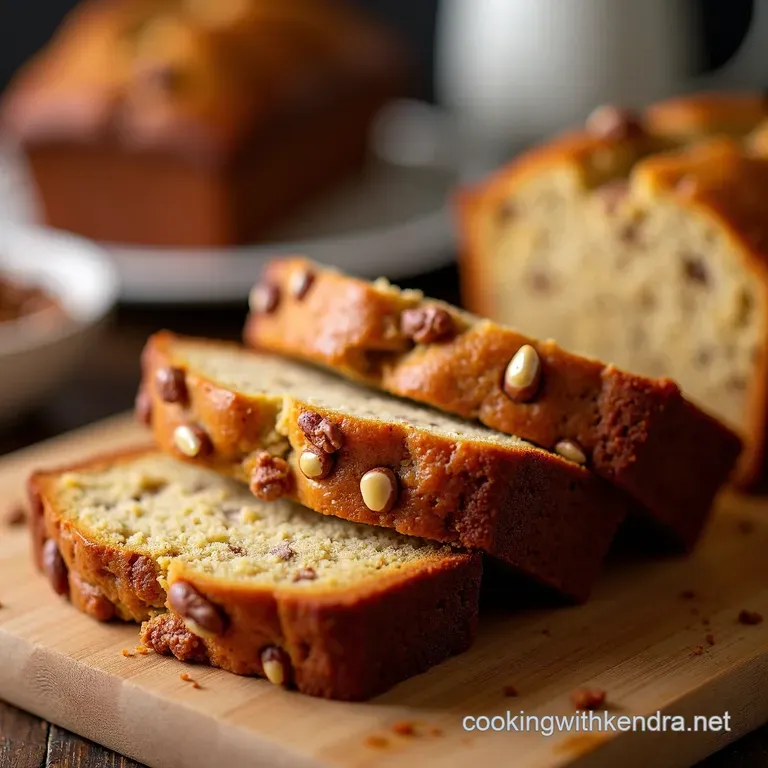
You don't need a professional kitchen, just a reliable 9x5 inch loaf pan, two medium mixing bowls, a whisk for the wet ingredients, and a sturdy rubber spatula for the gentle folding required later. Having accurate measuring tools is non-negotiable here, especially for the leavening agent.
Precision Measurements: Dry Components for Structure
Accuracy in the dry ingredients, particularly the flour and baking soda, dictates how high your loaf rises and whether it sets correctly. The baking soda acts as the primary leavener, reacting with the acidity present in the bananas and butter to create those crucial air bubbles.
Too little, and your loaf will be dense; too much, and you risk an unpleasant soapy aftertaste.
The Wet Gold: Fats, Sugars, and Ripe Banana Volume
The fat component here is ½ cup of melted, slightly cooled unsalted butter, which adds richness without the effort of creaming softened butter. This melted butter integrates instantly with the 2 large beaten eggs and 1 teaspoon of vanilla extract.
Remember, the mashed banana volume is crucial aiming for 1 ½ cups ensures the moisture content is high enough to guarantee a truly satisfying bite.
Optional Add-Ins: Elevating Your Standard Banana Nut Bread
While the classic version shines, you can customize this easily. If you wish to delve into indulgence, folding in ½ cup of chocolate chips alongside the nuts transforms this into a fantastic Banana Nut Bread with Chocolate Chips .
For a slightly crispier exterior, a sprinkle of turbinado sugar on top before baking adds texture and a beautiful caramelized sheen to the crust.
Related Recipes Worth Trying
- Easy Bread Machine Banana Bread Recipe for Ultimate Moisture — Achieve the perfect moist Banana Bread every time using your bread machine This foolproof recipe is ideal for family brunch and busy bakers
- The Best Roasted Butternut Squash Soup Recipe Easy Creamy — Make the Best Roasted Butternut Squash Soup this season Roasting enhances the sweetness for a velvety spiced soup with coconut milk option Find out how
- Velvety Roasted Butternut Squash Pumpkin Soup Recipe — Discover the ultimate Butternut Squash Pumpkin Soup recipe featuring roasted squash for deep caramelised flavour Its smooth rich and the perfect fall appetizer
The Effortless Mixing Method: Combining Wet and Dry Components
The sequence matters. Start by thoroughly whisking your dry ingredients together in one bowl to ensure the cinnamon and baking soda are evenly dispersed. In the other bowl, combine your mashed bananas, melted butter, eggs, and vanilla until homogenous. Then comes the critical moment: pour the wet mixture into the dry.
Using a rubber spatula, employ a gentle folding motion. Turn the batter over on itself until just combined stop immediately when the flour streaks vanish. This careful handling is what prevents a tough loaf and keeps it squarely in the realm of the Best Banana Nut Bread Recipe .
Baking to Perfection: Oven Dynamics for a Golden Finish
Setting your oven to 350° F ( 175° C) provides a gentle heat that allows the loaf to bake evenly through the centre without burning the exterior.
Prepping the Pan: Preventing Sticking Before It Starts
A greased and floured loaf pan is the minimum requirement, but for guaranteed success and easy extraction, I highly recommend lining the pan with parchment paper, allowing the ends to hang over like handles. This ensures you can lift the entire loaf out cleanly after the initial resting period.
Incorporating Nuts Without Overmixing the Batter
After the batter is just mixed, gently fold in your toasted nuts. Since the batter is already tender, this step requires only a few swift turns of the spatula. If you stir them vigorously, you risk activating the gluten you worked so hard to keep dormant.
Determining Doneness: The Skewer Test for Ideal Baking Time
The baking time usually lands between 55 to 65 minutes, but this varies by oven. The definitive test involves inserting a thin wooden skewer or toothpick directly into the centre of the loaf. If it emerges clean, or perhaps with a few moist crumbs clinging to it, the bread is done.
If wet batter remains, give it another five minutes and test again.
Crucial Cooling Stages for Structural Integrity
Resist the urge to slice immediately! Allow the loaf to cool in the pan on a wire rack for about 10 minutes. This brief rest allows the structure to firm up.
After the initial cooling, use the parchment paper handles to lift the loaf entirely out of the pan and let it finish cooling completely on the rack. Slicing hot Banana Nut Bread releases trapped steam, which condenses and turns the interior crumb gummy.
Troubleshooting Common Banana Bread Pitfalls
If your loaf sinks in the middle, it usually points to under baking or an issue with the leavening agent (old baking soda). If the top browns too quickly, swiftly tent it with foil for the remainder of the baking time to shield it while the centre finishes cooking.
If you are using an automatic appliance, remember that a Banana Bread Machine Recipe often requires slight adjustments to liquid levels, but the fundamental balance of ingredients here remains sound.
Extending the Shelf Life: Storage and Freezing Techniques
This loaf is moist enough to last well at room temperature for three to four days when wrapped tightly in plastic wrap, followed by a layer of foil. For long term storage, freezing is ideal. Wrap individual slices tightly first, then place them in a freezer safe bag.
They thaw quickly on the counter, offering instant gratification for days to come.
Beyond the Loaf: Creative Serving Suggestions for Leftovers
Leftover slices are perfect candidates for transformation. Try dipping them in a light egg batter and pan-frying them briefly it’s essentially French toast made from Banana Nut Bread !
Alternatively, cube slightly stale slices and toast them for use as a crunchy topping over yogurt or ice cream.
Adaptations for Dietary Needs: Making Healthier Banana Bread Swaps
While the standard recipe shines, adaptations are simple. To achieve a healthier version, you can substitute up to half of the all-purpose flour with whole wheat flour, or try using oat flour.
If you prefer skipping the dairy, using a neutral oil like canola instead of melted butter keeps the texture intact, though the flavour profile shifts slightly away from the traditional.
The Science of Browning: Ensuring a Perfectly Toasted Top Crust
The rich, golden brown top is achieved through a combination of the sugar content and the high heat of the initial bake. If you desire an extra crunchy, darker crust (especially beneficial if you opt for the optional turbinado sugar sprinkle), ensure your oven rack is positioned slightly higher than the middle setting for the first 30 minutes of baking.
This ensures ample heat radiates directly onto the top surface, creating that beautiful, crisp exterior that beautifully contrasts the soft interior.
Recipe FAQs
How can I ensure my Banana Nut Bread isn't dry? That's usually my downfall!
The secret sauce here is twofold: first, use truly overripe, spotty bananas they hold the moisture! Second, be a good scout and avoid overmixing once the flour is added; mix only until the ingredients are just combined to prevent developing too much gluten.
What is the best way to store leftover Banana Nut Bread to keep it fresh?
Once completely cooled, wrap the loaf tightly in cling film or foil, then pop it into an airtight container. Stored this way at room temperature, it should stay perfectly moist for about three to four days it’s often even better on day two, much like a good Eccles cake!
Can I freeze this Banana Nut Bread, and if so, what’s the best way to prep it for freezing?
Absolutely, it freezes brilliantly! After the loaf has cooled entirely, slice it first, which makes portioning much easier later on. Wrap individual slices or the whole loaf securely in plastic wrap followed by a layer of tin foil, and it will keep well in the freezer for up to three months.
My bananas weren't quite ripe enough; can I still make a good loaf of Banana Nut Bread?
While very ripe is ideal, you can cheat slightly! If your bananas are only slightly yellow, try microwaving the peeled bananas for about 30-45 seconds until they soften up a bit; this helps release some moisture and intensifies the sweetness, meaning you might want to increase the granulated sugar by a tablespoon or two.
I hate walnuts! What’s a good nut substitute for the Banana Nut Bread recipe?
No trouble at all, we can easily swap those out! Pecans and walnuts are traditional, but toasted sliced almonds offer a lovely delicate crunch, or you could use macadamia nuts if you fancy something a bit more luxurious. For a nut-free version, stir in half a cup of chocolate chips or pumpkin seeds instead.
Easy Moist Banana Nut Loaf