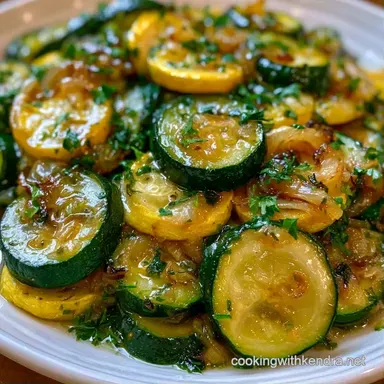
Easy Sauteed Zucchini and Squash with Garlic and Onions
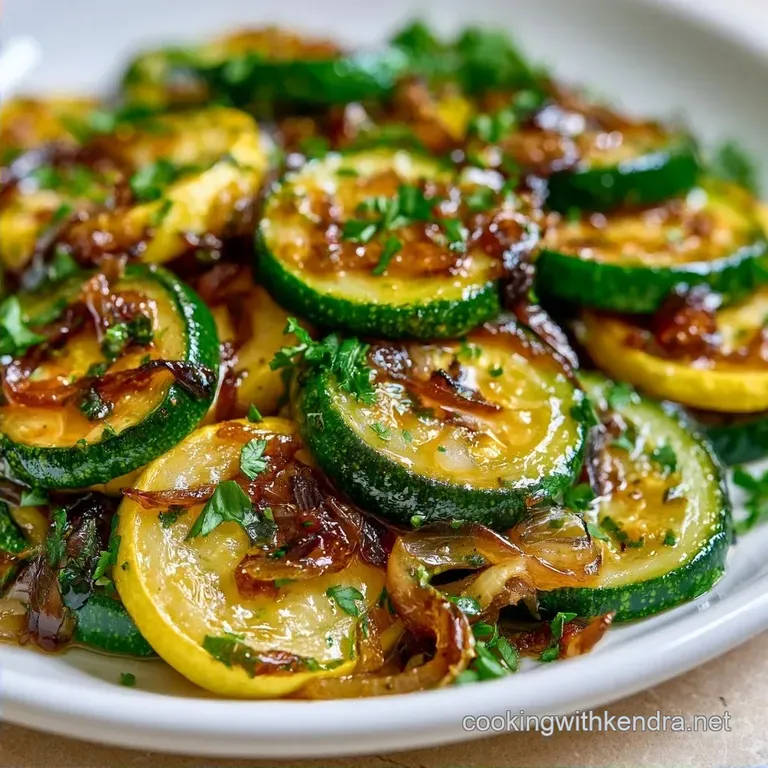
- Time: 10 min prep + 15 min cook
- Flavor/Texture Hook: Golden brown sear with a glossy, buttery finish
- Perfect for: Busy weeknight dinners or a light summer lunch
- Easy Sauteed Zucchini and Squash
- Why These Veggies Stay Crisp
- Quick Timing and Yield
- The Role of Ingredients
- Shopping List Breakdown
- Essential Pan and Tools
- Step by Step Cooking
- Fixing Common Texture Issues
- Troubleshooting Common Issues
- Customizing the Flavor Profile
- Saving and Warming Leftovers
- The Best Side Pairings
- Recipe FAQs
- 📝 Recipe Card
Easy Sauteed Zucchini and Squash
The sound of zucchini hitting a hot pan is a specific kind of sizzle. It's the sound of a Tuesday night in August when the garden is overflowing and you need something on the table in twenty minutes. I remember the first few times I tried this, I'd just dump everything in the pan at once.
I ended up with a pile of boiled, grey vegetables that tasted like nothing.
Then I realized the problem was water. Squash is basically a sponge for moisture. If you crowd the pan, the steam has nowhere to go, and your veggies just stew in their own juices. The fix is simple: give them space.
This Easy Sauteed Zucchini and Squash recipe focuses on the sear. We're going for those golden edges that add a nutty depth to the mild flavor of the summer squash. It's a straightforward process that turns a few basic ingredients into something that actually feels like a treat.
Why These Veggies Stay Crisp
- High Heat Searing: Cooking in batches on high heat evaporates surface moisture quickly. This lets the vegetables brown instead of steaming.
- Delayed Fat Addition: Adding the butter at the end creates a glossy coating without burning the milk solids during the over high heat phase.
| Method | Time | Texture | Best For |
|---|---|---|---|
| Stovetop | 15 mins | Seared and glossy | Quick weeknight sides |
| oven roasted | 25 mins | Caramelized and soft | Large crowds/Meal prep |
Quick Timing and Yield
This recipe is built for speed. You can go from a raw zucchini to a finished plate in about 25 minutes. It serves 4 people as a side, but if you're serving it as part of a larger spread with several other vegetables, it could easily stretch to 6.
The key is the flow. If you slice everything first, the actual cooking part is a breeze. I usually set up a "mise en place" on my counter, even if it's just three bowls. It stops the panic when the garlic is about to burn and you realize you haven't chopped the parsley.
The Role of Ingredients
| Ingredient | What It Does | Best Swap |
|---|---|---|
| Zucchini | Provides a mild, earthy base | Cucumber (peeled/seeded) |
| Yellow Squash | Adds color and a slightly sweeter note | Pattypan squash |
| Parmesan | Adds salty, umami depth | Pecorino Romano |
| Butter | Creates a rich, glossy finish | Ghee or Vegan Butter |
Shopping List Breakdown
You don't need a fancy grocery store for this. Most of these are pantry staples. The only thing you really need to be picky about is the produce. Look for zucchini and squash that feel heavy for their size and have firm skins. If they feel spongy, they're already losing moisture and won't sear as well.
- 450g zucchini, sliced into 0.6 cm (1/4 inch) rounds Why this? Uniform thickness ensures everything cooks at the same rate
- 450g yellow summer squash, sliced into 0.6 cm (1/4 inch) rounds Why this? Adds a bright visual contrast to the plate
- 1 medium yellow onion, thinly sliced Why this? Provides a savory foundation
- 3 cloves garlic, minced Why this? Adds aromatic punch
- 15ml fresh parsley, chopped Why this? Cuts through the richness of the butter
- 30ml extra virgin olive oil Why this? Higher smoke point than butter for the initial sear
- 30g unsalted butter Why this? Gives the vegetables a rich, polished look
- 2.5g kosher salt Why this? Draws out moisture and enhances flavor
- 1g black pepper Why this? Adds a subtle heat
- 60g freshly grated Parmesan cheese Why this? Adds a salty, nutty crust
Essential Pan and Tools

I highly recommend a large stainless steel or cast iron skillet. Non stick works, but you won't get that deep brown crust that makes this dish stand out. You want a pan that can handle high heat without warping.
You'll also need a sharp chef's knife and a large cutting board. Since we're slicing a lot of rounds, a stable board is a safety must. I use a simple slotted spoon to move the first batch of vegetables to a plate while the second batch sears.
Step by step Cooking
- Slice the zucchini and yellow squash into uniform 0.6 cm (1/4 inch) rounds. Place them on a dry tray to keep them organized.
- Heat the olive oil over medium high heat until it starts shimmering. Add the sliced onions and sauté for 3–5 minutes until they are translucent and slightly golden.
- Stir in the minced garlic and cook for 30 seconds until you can smell the aroma. Note: Don't let the garlic turn brown or it will taste bitter.
- Increase the heat to high. Add the zucchini and squash in two separate batches.
- Spread the vegetables in a single layer. Let them sit undisturbed for 2–3 minutes until a golden sear forms on the bottom.
- Flip the pieces and cook for another 2 minutes. Remove the first batch to a plate and repeat the process with the second batch.
- Return all the vegetables and the onions back into the pan.
- Lower the heat to medium and stir in the butter, salt, and pepper. Toss gently for 1 minute until the vegetables are coated in a glossy sheen.
- Remove the pan from the heat. Stir in the Parmesan cheese and chopped parsley.
Chef's Tip: If you're using a smaller pan, do three batches instead of two. Overcrowding is the enemy of a good sear.
Fixing Common Texture Issues
The most frequent complaint with this recipe is that the vegetables turn out "mushy." This almost always happens because the pan wasn't hot enough or there were too many vegetables in the pan at once. When squash releases its water, it creates a steam bath.
Another issue is burnt garlic. Because we move from medium high to high heat, the garlic can go from "fragrant" to "charred" in seconds. That's why we add the garlic right before the vegetables, giving it just enough time to soften before the bulk of the produce drops in and lowers the pan temperature.
Troubleshooting Common Issues
| Issue | Solution |
|---|---|
| Why Your Veggies Are Soggy | When the pan is too full, the temperature drops instantly. Instead of searing, the vegetables release water and boil. |
| Why the Garlic Tastes Bitter | Garlic has a low burn point. If it sits in the oil too long at high heat, it ruins the whole batch. |
| Why the Cheese Clumps | Adding Parmesan to a boiling hot pan can cause the cheese to seize or burn. Always stir it in after removing the pan from the heat. |
Customizing the Flavor Profile
This is a very flexible side dish. If you're in the mood for something different, you can easily pivot. For a "Zesty Italian" vibe, stir in a squeeze of fresh lemon juice and a pinch of red pepper flakes right at the end. The acidity brightens the butter and makes the squash taste fresher.
If you want a more "Herbed Garden" approach, swap the parsley for a mix of fresh basil and thyme. These herbs pair naturally with the sweetness of the yellow squash. For those avoiding dairy, you can skip the butter and Parmesan entirely.
Just use an extra tablespoon of olive oil and a sprinkle of nutritional yeast for that salty, cheesy hit.
If you have some leftovers, they're great tossed into a Pasta Primavera recipe for a quick lunch. The pre seared vegetables add a depth of flavor that raw veggies in a pasta dish sometimes lack.
Scaling the Portions
Cutting the recipe in half: Use a smaller skillet to keep the heat concentrated. Reduce the onion to half a medium one and use 1-2 cloves of garlic. The cooking time remains roughly the same, but you might only need one batch for the sear.
Doubling or tripling the recipe: Don't just use a bigger pan; keep the batch method. Cook the zucchini and squash in 4-5 small batches. If you dump 4 lbs of vegetables into one pot, you'll get a vegetable stew.
Only increase the salt and pepper to 1.5x the original amount, as too much salt early on will draw out too much water.
| Goal | Adjustment | Impact |
|---|---|---|
| More Char | Use cast iron skillet | Deeper browning and nuttier taste |
| Softer Texture | Lower heat to medium | More tender, less "snap" |
| Extra Zest | Add lemon zest/juice | Brighter, more acidic profile |
Saving and Warming Leftovers
Stored in an airtight container in the fridge, this dish stays good for about 3 to 4 days. Be aware that the vegetables will release more water as they sit, so you might find a little liquid at the bottom of the container.
When reheating, avoid the microwave if you can. Microwaves make squash turn into mush. Instead, toss the leftovers back into a hot skillet for 2-3 minutes. This helps evaporate the excess moisture and brings back some of that original sear.
For zero waste, don't throw away the ends of the zucchini and squash. Toss the peels and ends into a freezer bag with other veggie scraps. Once the bag is full, simmer them in water for an hour to make a quick vegetable stock. This is a great way to get a bit more value out of your produce.
The Best Side Pairings
Because this is a light and buttery dish, it pairs well with proteins that have a bold or acidic flavor. I love serving it alongside a grilled lemon herb chicken or a seared salmon fillet. The sweetness of the squash balances out the char of the grill.
If you're looking for a more substantial meal, try serving it as a side to some Sautéed Yellow Squash and Zucchini inspired platter with roasted potatoes and a garlic dipping sauce.
For a vegetarian night, this is a great companion to a hearty quinoa bowl or a slice of crusty sourdough bread with hummus. The Parmesan in the vegetables provides enough richness that you don't need a heavy sauce on the side.
It's a Simple Zucchini and Squash Side Dish that doesn't try to be too much, and that's exactly why it works.
Recipe FAQs
How do you sauté zucchini without getting soggy?
Sauté in two separate batches over high heat. Overcrowding the pan drops the temperature, causing the vegetables to release water and steam instead of searing.
Can I sauté zucchini and yellow squash together?
Yes, they have similar densities and cook at the same rate. Slicing both into uniform 1/4-inch rounds ensures they finish cooking at the same time.
What are common mistakes when sauteing zucchini?
Overcrowding the pan and adding cheese to high heat. Too many vegetables lead to boiling rather than searing, and adding Parmesan while the pan is boiling hot causes the cheese to clump.
What is the best seasoning for zucchini and squash?
Salt, black pepper, and freshly grated Parmesan. Stir in the cheese and fresh parsley after removing the pan from the heat to preserve the flavor and texture.
How to cook zucchini and squash?
Slice into 1/4-inch rounds and sear in batches. Sauté onions and garlic first, then cook the squash over high heat without stirring for 2–3 minutes to develop a golden sear.
Can zucchini and onions be cooked together?
Yes, they pair perfectly. Sauté the sliced onions in olive oil for 3–5 minutes until translucent and slightly golden before adding the garlic and squash.
What is the best way to serve this side dish?
Pair it with a protein or a pasta meal. This light, buttery side balances the richness of a cheesy baked ziti perfectly.
Sauteed Zucchini and Squash in 25 Min