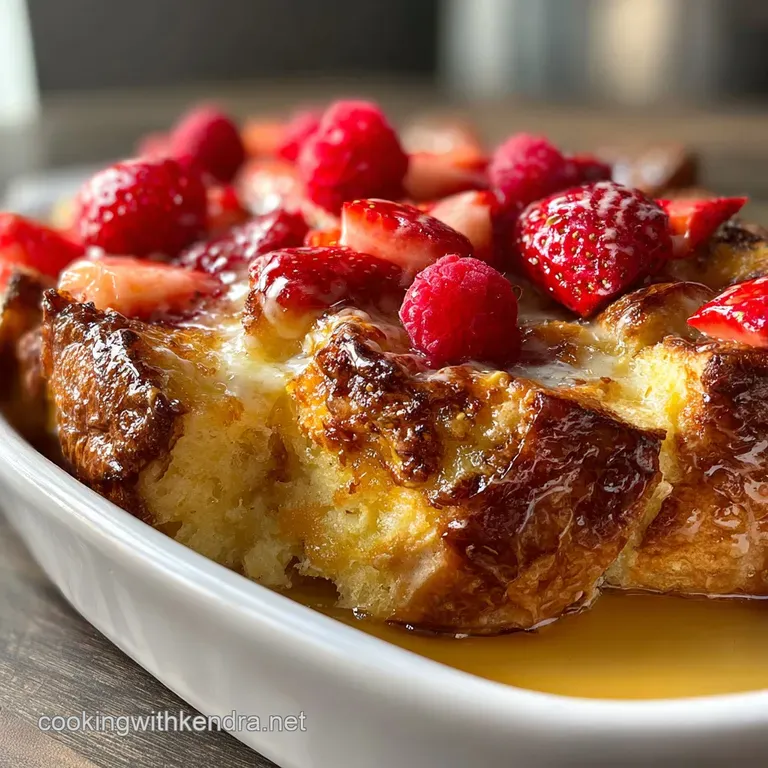
French Toast Casserole: Custardy Masterpiece
- Time: Active 15 minutes, Passive 45 minutes, Total 1 hour
- Flavor/Texture Hook: Shattering cinnamon crust with a buttery, silky brioche center
- Perfect for: Holiday brunches, weekend meal prep, or feeding a hungry crowd
- Why This French Toast Casserole Saves Your Busy Mornings
- The Science Behind The Most Velvety Custard And Crispy Crust
- Component Analysis for Better Baking Results
- Shopping List For This Decadent Brunch Bake
- Essential Tools For Success
- The Multi Phase Cooking Process
- Troubleshooting Texture And Flavor Issues
- Adjusting The Recipe For Your Crowd
- Debunking Common French Toast Casserole Legends
- Storage Guidelines and Zero Waste Tips
- Recipe FAQs
- 📝 Recipe Card
Why This French Toast Casserole Saves Your Busy Mornings
Picture this: the house smells like warm cinnamon and toasted butter, but you're actually sitting on the couch with a coffee instead of hovering over a hot griddle. That is the magic of this dish.
I used to struggle with French toast being either too soggy in the middle or too dry on the edges, but moving the whole operation to a baking dish changed everything. It's the ultimate "set it and forget it" breakfast that still feels like a luxury treat.
We have all been there, trying to flip individual slices for a family of four while the first batch gets cold. It's stressful and honestly, I'm not a morning person. This version lets the bread soak up every drop of that rich custard overnight, so when you wake up, you just pop it in the oven.
It's consistent, it's easy, and it feeds the whole neighborhood if you need it to.
I once made the mistake of using thin, white sandwich bread for this, and let's just say it turned into a sad bread pudding soup. Since then, I've stuck to brioche. The high egg and butter content in the bread itself keeps it from falling apart, even after a long soak.
Trust me on this one, the bread choice is the hill I will die on for the best French Toast Casserole results.
The Science Behind The Most Velvety Custard And Crispy Crust
- Protein Coagulation: As the eggs heat up, they form a structured network that traps the milk and cream, turning a liquid mixture into a soft, sliceable custard.
- Starch Retrogradation: Using slightly stale bread allows the starch molecules to re hydrate more effectively, pulling the custard into the center of each cube without the bread disintegrating.
- Maillard Reaction: The combination of amino acids in the dairy and the sugars in the topping creates that deep brown, complex flavor profile during the final 15 minutes of baking.
| Method | Time | Texture | Best For |
|---|---|---|---|
| Oven Bake | 45 minutes | Uniformly custardy with a crisp, craggy top | Feeding a crowd without standing by the stove |
| Stovetop | 10 minutes | Fried and crispy on both sides, but often dry | Individual servings or using up one or two slices |
| Crockpot | 3 hours | Very soft, almost pudding like, no crispy edges | Set it and forget it for late brunch arrivals |
Using the oven is my preferred route because it allows for that beautiful textural contrast. While the stovetop version is great for a quick fix, it lacks the deep infusion of flavor you get when the bread sits in the custard for a few hours. If you're looking for something similar but with a fruity twist, you might want to try this How to Bake recipe which uses apples for extra moisture.
Component Analysis for Better Baking Results
| Ingredient | Science Role | Pro Secret |
|---|---|---|
| Brioche Loaf | Structural Foundation | Let it sit out overnight to "stale" so it absorbs more custard. |
| Large Eggs | Emulsifying Agent | Whisk them alone first to ensure no streaks of white in the bake. |
| Heavy Cream | Fat & Mouthfeel | High fat content prevents the eggs from becoming rubbery or "omelet like." |
| Cream Cheese | Tang & Creaminess | Keep it cold when cubing so it stays in distinct, melty pockets. |
Many people ask if they can just use milk, but the heavy cream is what gives you that silky, restaurant quality finish. If you use only milk, the casserole can end up a bit watery. This is similar to the balance needed in a classic French Toast recipe where the fat content in the soak determines the final richness.
Shopping List For This Decadent Brunch Bake
- 1 lb brioche loaf, cut into 1 inch cubesWhy this? Brioche is sturdy enough to hold its shape during the long soak.
- 8 oz full fat cream cheese, chilled and cubedWhy this? Provides tangy pops of flavor that cut through the sweet custard.
- 8 large eggsWhy this? The backbone of the custard structure and rich flavor.
- 2 cups whole milkWhy this? Thins the custard just enough to penetrate the bread centers.
- 1 cup heavy whipping creamWhy this? Adds essential fat for a velvety, luxurious texture.
- 0.75 cup light brown sugar, packedWhy this? Adds a deep molasses sweetness to the base.
- 2 tbsp pure vanilla extractWhy this? Provides that "bakery" aroma we all love.
- 1 tsp ground cinnamonWhy this? The classic warming spice that defines French toast.
- 0.25 tsp fine sea saltWhy this? Balances the sugar and makes the vanilla pop.
- 0.5 cup unsalted butter, cold and cubedWhy this? Creates the flaky, sandy texture for the topping.
- 0.5 cup light brown sugar (for topping)
- 0.5 cup all purpose flour
- 1 tsp ground cinnamon (for topping)
| Original Ingredient | Substitute | Why It Works |
|---|---|---|
| Brioche | Challah | Similar egg heavy dough that holds up well to soaking. |
| Heavy Cream | Full fat Coconut Milk | Provides the necessary fat. Note: Adds a distinct tropical flavor. |
| Light Brown Sugar | Maple Syrup | Adds moisture and a different type of earthy sweetness. |
Essential Tools For Success
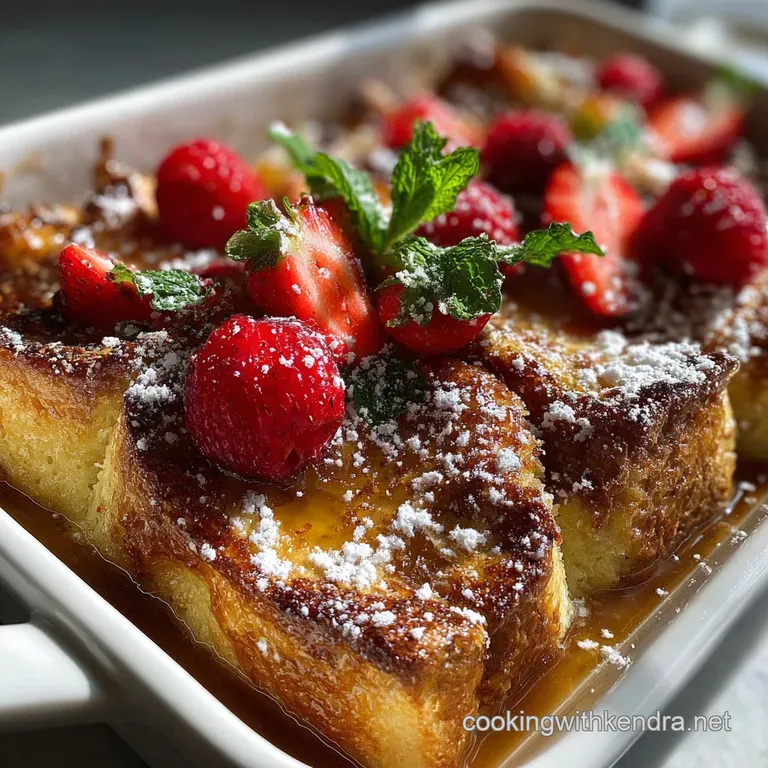
You don't need a professional kitchen, but a 9x13 inch ceramic or glass baking dish is non negotiable here. I prefer ceramic because it heats more evenly than metal, which can sometimes scorch the bottom before the middle is set. You'll also want a large mixing bowl and a sturdy whisk.
A pastry cutter is helpful for the topping, but honestly, I usually just use my fingers to rub the butter into the flour and sugar. It's faster and you have better control over the size of the crumbs.
If you have a stand mixer, you could use it for the custard, but a hand whisk works perfectly fine and saves you the cleanup.
The Multi Phase Cooking Process
Phase 1: The Bread Prep
- Cube the bread. Cut your 1 lb brioche into 1 inch cubes. Note: Uniform sizes ensure even soaking and baking.
- Arrange in dish. Place half the bread in a greased 9x13 dish. Until the bottom is mostly covered.
Phase 2: The Cream Cheese Layer
- Add cheese pockets. Scatter the 8 oz of cubed cream cheese over the first layer of bread. Note: Keeping the cheese cold helps it stay in "pockets" rather than melting away.
- Top with bread. Add the remaining bread cubes over the cream cheese. Until the dish looks full and craggy.
Phase 3: The Custard Soak
- Whisk the liquids. In a large bowl, beat the 8 eggs, then whisk in 2 cups milk, 1 cup heavy cream, 0.75 cup brown sugar, 2 tbsp vanilla, 1 tsp cinnamon, and 0.25 tsp salt. Note: Whisk until no streaks of egg remain for a smooth finish.
- Pour and chill. Evenly pour the custard over the bread. Until every cube has been moistened. Cover and refrigerate for at least 2 hours, or overnight.
Phase 4: The Morning Bake
- Prepare the topping. Mix 0.5 cup flour, 0.5 cup brown sugar, and 1 tsp cinnamon. Cut in 0.5 cup cold butter. Until it looks like coarse, sandy crumbs.
- Add the crunch. Sprinkle the topping over the chilled casserole just before baking. Note: Don't do this the night before or the topping will get soggy.
- Bake the dish. Bake at 350°F for 45 minutes. Until the top is golden brown and the center barely jiggles.
- Rest before serving. Let it sit for 10 minutes. Until the custard fully sets and becomes easy to slice.
Troubleshooting Texture And Flavor Issues
Why Your Casserole Is Soggy
If your bake comes out wet or mushy in the middle, it's usually one of two things: the bread was too fresh or it didn't bake long enough. Fresh bread has too much internal moisture to take on the custard. Next time, try "staling" the bread in a low oven for 10 minutes before assembling.
Why It Tastes Like An Omelet
An overly "eggy" flavor usually happens if the custard wasn't whisked thoroughly or if the ratio of milk to eggs was off. Using heavy cream helps buffer that sulfurous egg taste. Also, make sure you don't skimp on the vanilla and cinnamon, as they provide the aromatic profile that masks the egginess.
| Problem | Root Cause | Solution |
|---|---|---|
| Dry on top | Not enough custard | Press bread down firmly so it’s submerged during the soak. |
| Burnt topping | Sugar caramelizing too fast | Tent with foil halfway through the baking process. |
| Curdled custard | Overbaking | Remove from oven when the center has a slight, jelly like jiggle. |
Common Mistakes Checklist
- ✓ Never use thin sliced sandwich bread; it will disintegrate into mush.
- ✓ Don't add the topping until right before you put the dish in the oven.
- ✓ Use full fat dairy only; low-fat versions won't set the custard properly.
- ✓ Avoid over mixing the topping into a paste; you want distinct buttery crumbs.
- ✓ Always let the dish rest for 10 minutes after baking to avoid a messy scoop.
Adjusting The Recipe For Your Crowd
If you are cooking for a smaller group, you can easily halve this recipe. Use an 8x8 inch square pan and reduce the baking time by about 10 minutes. For the eggs, since it calls for 8, just use 4 and cut all other ingredients exactly in half.
When doubling for a huge party, I recommend using two separate 9x13 dishes rather than one giant deep pan. A deeper pan will take much longer to cook in the middle, often leading to burnt edges while the center stays raw.
If you're using two pans, you might need to rotate them halfway through the bake to account for oven hot spots.
If you are looking for a savory option for a brunch spread, check out this How to Cook recipe which uses different techniques to manage the moisture levels.
| Servings | Pan Size | Cook Time | Ingredient Adjustments |
|---|---|---|---|
| 5 people | 8x8 square | 35 minutes | Use half of all ingredients. |
| 10 people | 9x13 inch | 45 minutes | Standard recipe as written. |
| 20 people | Two 9x13 inch | 50 minutes | Double all ingredients; swap pans mid bake. |
Debunking Common French Toast Casserole Legends
The biggest myth is that you must use expensive, day old bakery bread. While brioche is great, you can actually use any thick cut bread if you dry it out yourself. Just pop the cubes in a 300°F oven for about 15 minutes until they feel like croutons.
This "artificial staling" actually works better than leaving it on the counter.
Another common misconception is that more eggs equal a better bake. In reality, too many eggs will lead to a rubbery, dense texture. The secret is the fat to protein ratio. By using heavy cream and whole milk with the eggs, you get a tender, melt in-your mouth custard rather than a firm sponge.
Storage Guidelines and Zero Waste Tips
Storage: You can keep leftovers in the fridge for up to 4 days. Wrap the dish tightly in foil or transfer individual portions to airtight containers. To reheat, I suggest using the oven or an air fryer at 350°F for 5-8 minutes to bring back that crispy top.
The microwave works in a pinch, but the topping will lose its crunch.
Freezing: This casserole freezes surprisingly well. You can freeze it before baking (after the soak) or after it's been cooked. If freezing before, don't add the topping until you're ready to bake. It will stay good for up to 2 months.
Thaw it completely in the fridge overnight before putting it in the oven.
Zero Waste: If you find yourself with extra bread crusts or crumbs from cubing the brioche, don't toss them! Toss them with a little melted butter and cinnamon sugar, then bake them on a sheet pan until crispy.
They make the best "French toast croutons" for topping yogurt or even a bowl of vanilla ice cream. Also, any leftover custard can be used to make a quick bread pudding with whatever fruit you have on hand.

Recipe FAQs
Can I use regular sandwich bread instead of brioche?
No, stick with brioche or challah. Thicker, richer breads like brioche or challah hold their shape much better during the long soak and baking process, preventing a mushy result.
How do I prevent my French toast casserole from being soggy?
Use slightly stale bread and ensure adequate baking time. Bread that's a day or two old absorbs the custard better without falling apart. Baking until the center is just set, with a slight jiggle, is key.
Can I make the topping ahead of time?
No, prepare the topping right before baking. Adding the butter and flour topping too early will allow it to absorb moisture from the casserole and become soggy, rather than crispy.
How long does the casserole need to soak?
At least 2 hours, but overnight is best. A longer soak allows the custard to fully penetrate the bread cubes for a rich, custardy interior.
What's the secret to a creamy, not rubbery, custard?
It's all about the fat content. Using a combination of heavy cream and whole milk, along with enough eggs, provides the necessary fat for a velvety smooth, decadent custard. If you enjoyed mastering the emulsification technique here, see how it applies to making a stable Foolproof Beurre Blanc Silky Smooth French Sauce.
Can I freeze French toast casserole?
Yes, it freezes well either baked or unbaked. For best results, thaw completely in the refrigerator overnight before reheating in the oven to maintain texture.
What can I serve with French toast casserole?
Fresh fruit, bacon, or sausage are classic pairings. This casserole is rich and sweet, so a side of salty bacon or a fresh fruit salad offers a nice contrast.
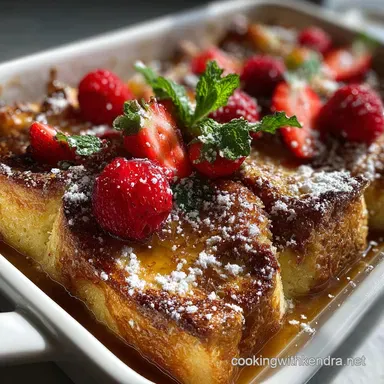
French Toast Casserole
Ingredients:
Instructions:
Nutrition Facts:
| Calories | 581 kcal |
|---|---|
| Protein | 13.2 g |
| Fat | 35.6 g |
| Carbs | 53.5 g |
| Fiber | 1.2 g |
| Sugar | 32.1 g |
| Sodium | 258 mg |
