Guinness Irish Float
- Time: Active 5 minutes, Passive 0 minutes, Total 5 minutes
- Flavor/Texture Hook: Velvety nitrogen foam meets cold, melting cream
- Perfect for: St. Patrick’s Day celebrations or a low effort weekend treat
- Creating the Best Guinness Irish Float at Home
- The Physics of Stout Bubbles
- Essential Float Recipe Details
- Elements for a Silky Drink
- Minimal Tools for Easy Prep
- Steps for the Perfect Pour
- Avoid Common Stout Float Blunders
- Adjusting for Diets and Tastes
- Maintaining Cold Ingredient Quality
- Myths About Stout Floats
- Snack Pairings for Stout
- Guinness Irish Float FAQs
- 📝 Recipe Card
Creating the Best Guinness Irish Float at Home
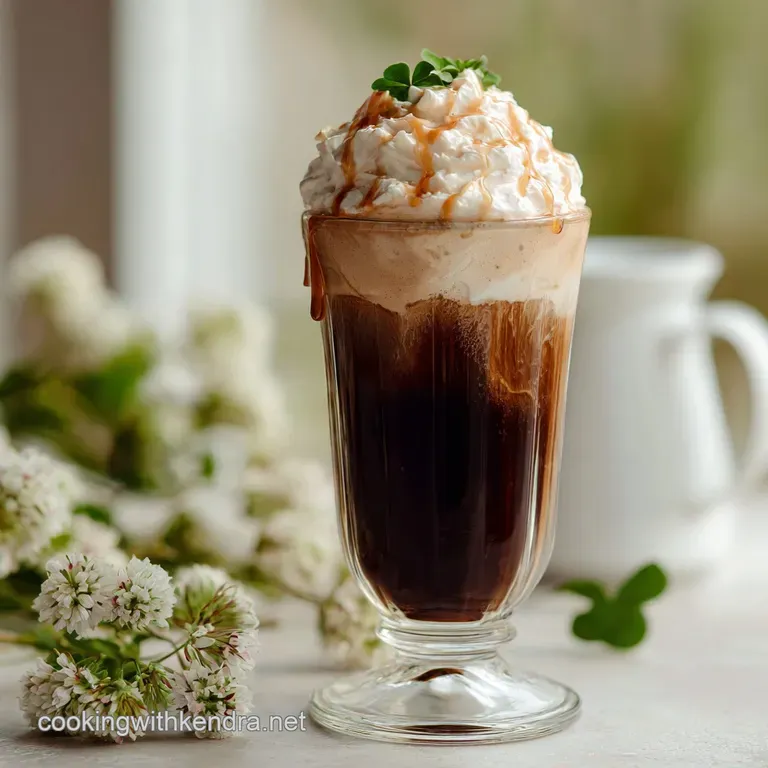
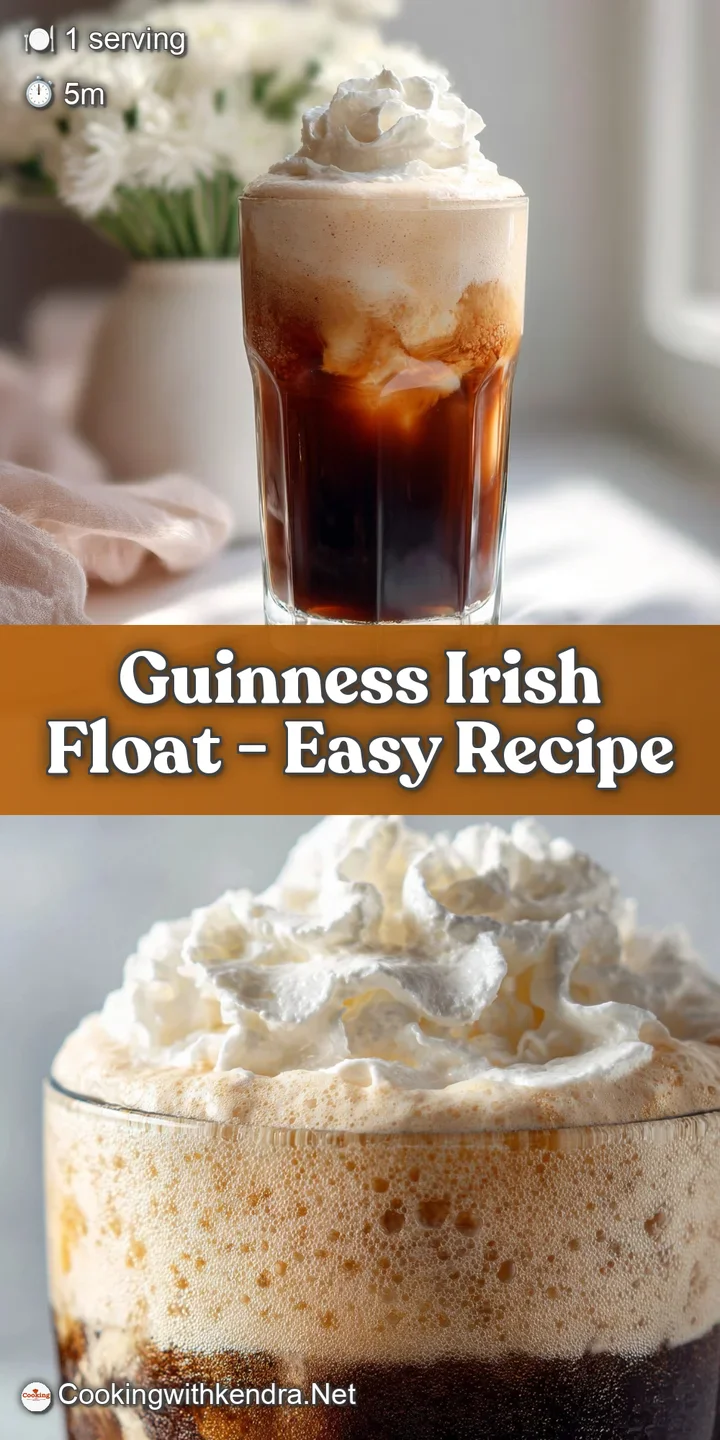
Picture this: you crack open a cold can of stout, and that familiar hiss releases a cloud of nitrogen. As you pour it over a mountain of vanilla bean ice cream, a thick, velvety foam rises to the top, threatening to spill over the edge. It is a sensory trip that smells like toasted barley and sweet cream.
I remember the first time I tried to make this for a family gathering. I poured too fast, the foam exploded everywhere, and I ended up with a sticky mess and half melted ice cream. I’ve since learned that the secret isn't just in the ingredients, but in the physics of the pour.
This isn't your childhood root beer float. The Guinness Irish Float is a more mature version of the classic, where the coffee and chocolate notes of the beer act as a bitter foil to the sugary ice cream. It is surprisingly filling and acts as both a drink and a dessert in one glass.
If you are a busy home cook like me, you'll appreciate that this requires zero actual cooking. No stovetop, no oven, just a few smart assembly steps.
We are going to focus on the textures here. We want that specific "shatter" of cold chocolate syrup against frozen ice cream and the silky mouthfeel of the Guinness draught. Whether you're wrapping up a heavy meal or just want a fun nightcap, this drink hits every mark without keeping you in the kitchen for more than five minutes.
The Physics of Stout Bubbles
Nucleation Sites: The ice cream acts as a rough surface that triggers the beer to release its gas rapidly, creating that massive head of foam. Emulsification: As the ice cream melts, the fats mix with the beer's proteins to create a stable, creamy liquid that doesn't separate easily.
Why Does My Stout Foam Over?
When you pour Guinness over ice cream, you are essentially creating thousands of tiny escape hatches for the nitrogen. The sugar and stabilizers in the ice cream trap these bubbles, creating a structure that is much stronger than standard beer foam.
If you don't tilt the glass, the gas release is too violent, and the foam will spill.
How Do Fats and Nitrogen Interact?
Guinness Draught uses nitrogen rather than just carbon dioxide, which results in smaller, more stable bubbles. When these bubbles meet the high fat content of premium vanilla ice cream, they form a velvety micro foam.
This is why a cheaper, "airy" ice cream doesn't work as well; you need the weight of the fat to keep the bubbles in check.
| Method | Time | Texture | Best For |
|---|---|---|---|
| The Flash (Fast) | 2 minutes | High foam, icy | Quick cravings |
| The Classic (Standard) | 5 minutes | Velvety, integrated | Guests and parties |
| The Decadent (Pro) | 7 minutes | Thick, milkshake like | Slow sipping |
Choosing the right approach depends on how much you enjoy the "float" aspect versus a blended drink. For the most authentic experience, the classic method ensures the beer stays cold while the ice cream stays intact.
Essential Float Recipe Details
When we talk about "specs," we're looking at the hard numbers that make this work every single time. It's a single serving recipe, but it packs a punch in terms of richness.
- Yield: 1 Large Float
- Prep Time: 5 minutes
- Total Time: 5 minutes
- Temperature: Serve at 38°F (well chilled beer is non negotiable)
- Glassware: 16 oz Pub glass or Tulip glass
If you are looking for a full meal to precede this, I highly suggest my Irish Stew Recipe. It provides a savory, salty base that makes the sweetness of the float even more welcome.
Elements for a Silky Drink
The beauty of this recipe lies in the quality of the components. Because there is no cooking involved, every ingredient has nowhere to hide.
- 14.9 oz Guinness Draught: Must be the "Draught" version in the can with the nitrogen widget for that specific silky texture.
- 150g Premium Vanilla Bean Ice Cream: Look for a heavy, dense brand. Why this? Higher fat content prevents the ice cream from dissolving instantly into the beer.
- 1 oz Irish Cream Liqueur: Adds a layer of honey and cream sweetness.
- 0.5 oz Irish Whiskey: Cuts through the sugar and adds a woodsy, warm finish.
- 1 tbsp Chocolate Syrup: For drizzling inside the glass.
- 1 tsp Unsweetened Cocoa Powder: Adds a bitter edge to the garnish.
- 1 pinch Flaky Sea Salt: Why this? Salt amplifies the chocolate and coffee notes in the stout.
| Component | Science Role | Pro Secret |
|---|---|---|
| Guinness | Protein rich base | Shake the can once before opening |
| Ice Cream | Cooling emulsifier | Use a warm scoop for perfect spheres |
| Irish Whiskey | Solvent for fats | Store in the freezer for a colder hit |
For a twist on the boozy side of things, you might also enjoy the flavors in The Irish Breakfast Shot recipe, which shares that great whiskey cream profile.
Minimal Tools for Easy Prep
You don't need a pantry full of gadgets for this. As a busy home cook, I prefer things I can clean in thirty seconds.
- Chilled Pub Glass: A 16 oz glass gives enough headspace for the foam.
- Long handled Spoon: Essential for reaching the bottom without getting your knuckles sticky.
- Ice Cream Scoop: A heavy duty one helps you get those 150g of ice cream in tight, round balls.
- Small Pitcher: For mixing the whiskey and Irish cream before pouring.
Chef's Note: Put your glass in the freezer for 10 minutes before you start. A room temperature glass will cause the Guinness to foam aggressively and melt your ice cream before you even take a sip.
Steps for the Perfect Pour
1. How Do I Prep the Glass?
Drizzle the 1 tbsp of chocolate syrup around the inside of your chilled glass. Let it run down the sides in a messy pattern. This creates "walls" that help the ice cream grip the glass.
2. When Do I Add the Ice Cream?
Place your 150g (approx. 2 large scoops) of vanilla bean ice cream into the bottom of the glass. Press down slightly so they are lodged firmly.
3. How Should I Pour the Guinness?
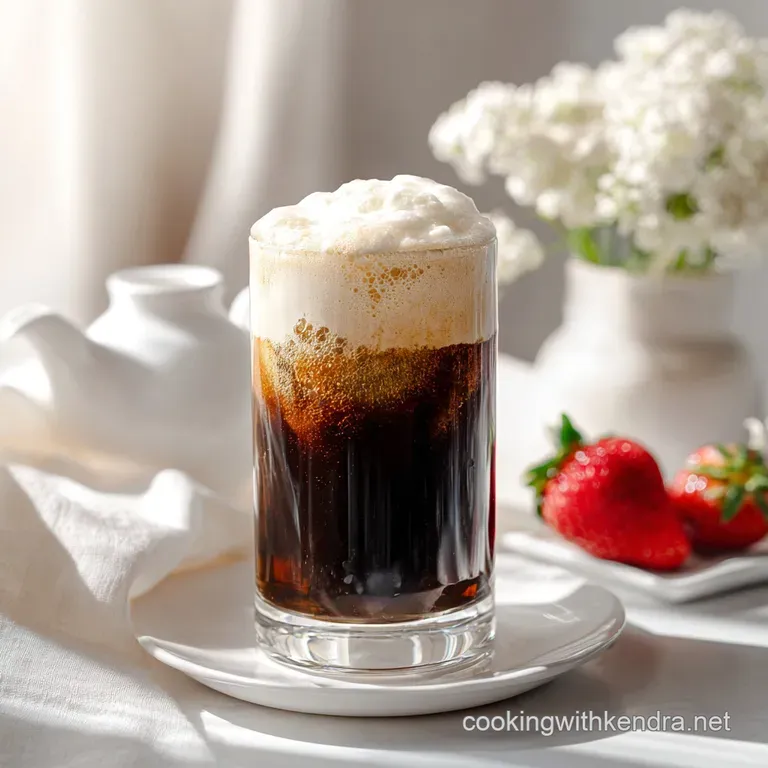
Open your 14.9 oz Guinness Draught. Tilt the glass at a 45 degree angle. Pour the beer slowly down the side, allowing it to hit the ice cream gently. Stop when the glass is 3/4 full.
4. How Do I Finish the Pour?
Wait about 30 seconds for the "surge" to settle. The nitrogen bubbles will move downward and then rise to form a head. Add the remaining beer until the glass is full.
5. Can I Add Toppings Immediately?
In a small glass, stir the 1 oz Irish cream and 0.5 oz Irish whiskey together. Pour this mixture slowly over the top of the foam. It will marble its way down through the Guinness.
6. The Final Flourish
Dust the top with 1 tsp of unsweetened cocoa powder and add a pinch of flaky sea salt. The salt will make the chocolate flavors pop and cut the richness of the cream. Serve immediately with a straw and a spoon.
Avoid Common Stout Float Blunders
The most common disaster is the "Beer Volcano." This happens when you drop ice cream into a glass already full of beer. Always put the ice cream in first!
Why Does My Float Look Curdled?
If your Guinness is too acidic or your Irish cream is nearing its expiration date, the alcohol and acid can cause the dairy to clump. Always use fresh ingredients and ensure the beer is cold.
| Problem | Root Cause | Solution |
|---|---|---|
| Excessive Foam | Pouring too fast | Tilt glass to 45 degrees and pour slowly |
| Thin Texture | Cheap ice cream | Use premium, high fat "Vanilla Bean" brands |
| Bland Flavor | Missing salt/whiskey | Don't skip the sea salt; it balances the stout |
Common Mistakes Checklist
- ✓ Don't use room temperature beer; it creates a foamy mess that lacks flavor.
- ✓ Don't use a small glass; you need at least 16 oz of volume for the 14.9 oz can plus ice cream.
- ✓ Do wait for the Guinness "settle" before adding the whiskey and cream.
- ✓ Do use Guinness Draught (cans) rather than Extra Stout (bottles) for the nitrogen effect.
- ✓ Do pat your ice cream scoop dry between scoops to avoid ice crystals.
Adjusting for Diets and Tastes
If you're making this for a crowd, you can easily double or triple the ingredients. However, I recommend assembling them one-by-one rather than in a big pitcher, or you'll lose that beautiful layered look.
- 1. Beer Temp
- Must be 38°F or lower.
- 2. Ice Cream Weight
- Exactly 150g ensures the beer to cream ratio isn't cloying.
- 3. Pour Angle
- 45 degrees is the magic number for foam control.
Decision Shortcut: If you want a richer dessert, use chocolate chip or coffee ice cream instead of vanilla. If you want a lighter drink, omit the whiskey and use only half the Irish cream.
If you want a party trick, serve these in mini 4 oz glasses as "float shots."
Is There a Vegan Version?
Absolutely. Use a high-quality coconut milk vanilla ice cream and a dairy-free Irish cream substitute. Guinness Draught is now vegan friendly (they stopped using isinglass years ago), so the beer itself is safe.
Maintaining Cold Ingredient Quality
Since this is a cold dessert, storage is all about temperature management. You cannot "make this ahead," but you can prep the components.
- Storage: Keep the Guinness in the coldest part of your fridge (usually the back). Keep the ice cream in the deep freezer to ensure it is "rock hard" when it hits the beer.
- Zero Waste: If you have leftover Guinness (rare, I know!), use it to replace the liquid in your next batch of brownies or use it for a Shepherd's Pie with Guinness recipe.
- Leftovers: Once assembled, this drink does not store well. The ice cream will melt and the beer will go flat. Drink it fresh!
Myths About Stout Floats
One huge misconception is that Guinness is a "heavy" or high calorie beer. In reality, it has fewer calories than many light lagers and a lower alcohol content. The "heaviness" comes from the nitrogen bubbles, which give a creamy mouthfeel without the actual weight of extra sugar or carbs.
Another myth is that you can't mix citrus with this. While I wouldn't add lemon juice, a bit of orange zest on top actually complements the chocolate and coffee notes beautifully. It mimics the flavor of those dark chocolate orange candies we all love.
Snack Pairings for Stout
This float is a meal in itself, but it loves company. The saltiness of fried foods or the richness of grilled meats provides a great contrast. If you’re hosting a St. Paddy’s party, these go great alongside some Irish Nachos recipe. The salty potato slices and melted cheese are the perfect precursor to the sweet, cold float.
When Is the Best Time to Serve This?
I love serving these at the very end of a dinner party when everyone is too full for cake but still wants something sweet. It feels like a special event without requiring the host to spend time decorating or baking. It’s the ultimate "lazy but impressive" home cook move.
Trust me, the sight of that Guinness cascading over the ice cream is enough to make anyone reach for their phone to take a photo. Enjoy your creamy, malty creation!
Guinness Irish Float FAQs
Is a Guinness float a thing?
Yes, it absolutely is! A Guinness Irish Float combines the rich, malty stout with creamy vanilla ice cream for a sophisticated adult dessert, perfect for celebrations or a simple indulgence.
What is an Irish float?
An Irish float is typically a Guinness beer poured over vanilla ice cream. It's a variation of a traditional ice cream float, utilizing the unique creamy texture and coffee chocolate notes of Guinness stout to create a rich, dessert like drink.
What is a Guinness and Baileys shot called?
This combination is often called an "Irish Mudslide" or a "Black Eyed Irish." The Black Eyed Irish specifically refers to the Guinness and Baileys mix, while the Mudslide can also include vodka and Kahlua, creating a creamy, decadent shot.
Why are Gen Z obsessed with Guinness?
Gen Z's interest in Guinness likely stems from its unique texture and sophisticated image. The nitrogen infused creaminess offers a different drinking experience than standard beers, and its association with Irish culture and traditions appeals to a desire for authenticity and unique culinary
adventures.
How do I make a Guinness float pour correctly?
Tilt your glass to a 45-degree angle and pour the Guinness slowly down the side. Stop when the glass is about 3/4 full, let it settle for 30 seconds, then top it off. This technique controls the aggressive foaming caused by the nitrogen and ice cream combination.
What kind of ice cream is best for a Guinness float?
Premium vanilla bean ice cream with a high fat content is ideal. Similar to achieving the perfect texture in The Managed Braise Achieving Proper ForkTender Beef and Stout Stew, the richness of the ice cream helps create a stable, velvety emulsion with the stout's nitrogen bubbles.
Can I add other ingredients to my Guinness float?
Absolutely, feel free to get creative! Adding a shot of Irish cream liqueur or Irish whiskey enhances the boozy dessert aspect. For a unique twist, consider dusting the top with cocoa powder and a pinch of sea salt, much like the nuanced flavors you'd find in Easy Cheesy Irish Soda Bread My NoFail Recipe which also balances sweet and savory.
Guinness Irish Float
Ingredients:
Instructions:
Nutrition Facts:
| Calories | 649 calories |
|---|---|
| Protein | 6.2g |
| Fat | 21.5g |
| Carbs | 66g |
| Fiber | 1.2g |
| Sugar | 54g |
| Sodium | 185mg |
