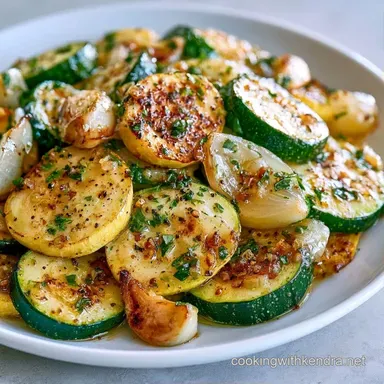
High-Heat Garlic Summer Squash: Roasted
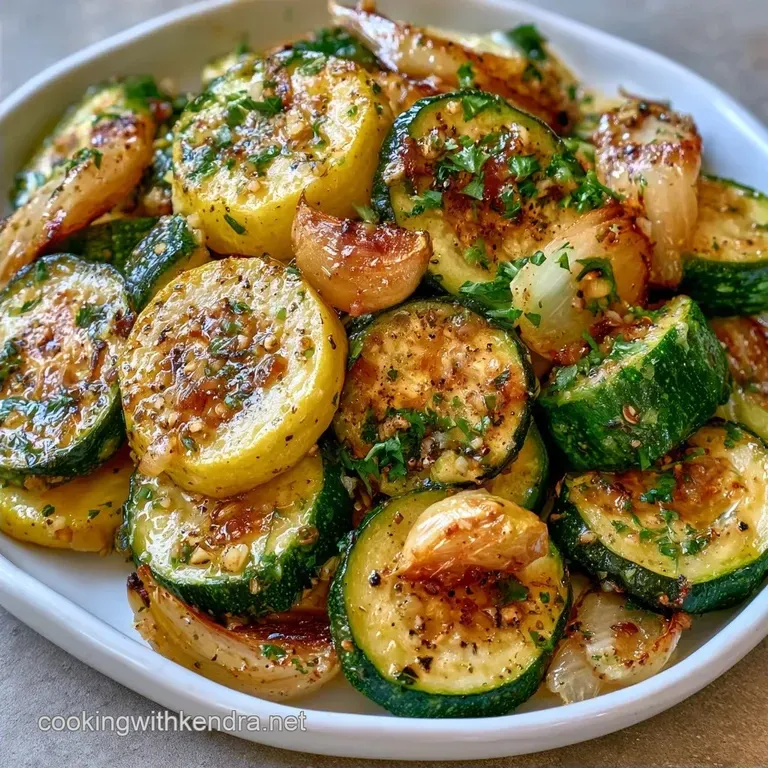
- Time: 5 min active + 20 min cook
- Flavor/Texture Hook: Browned edges and fragrant toasted garlic
- Perfect for: Busy weeknight sides or family dinners
Forget the idea that summer squash always turns into a mushy, water logged mess on the plate. Most people think they have to sauté it slowly or steam it, but that just draws out the moisture and kills the texture.
You don't need a fancy technique to get a great result, just a very hot oven and a bit of space on your pan.
The aroma of toasted garlic and browned butter hitting the oven air is honestly the best part. It turns a simple vegetable into something people actually fight over at the table. Here is the best recipe for 30 Minute Summer Squash with Garlic.
You can expect a side dish that has a slight chew to it, with edges that are almost crispy. It's a fast way to get a lot of color and flavor on the table without spending an hour hovering over a stove.
30 Minute Summer Squash with Garlic
The real win here is the timing. By adding the garlic at the very end, you avoid that bitter, burnt taste that happens when garlic spends twenty minutes in a hot oven. You get the fragrance and the punch without the risk.
Since summer squash has a high water content, roasting it at 425°F (218°C) evaporates the surface moisture quickly. This allows the natural sugars to brown. According to Serious Eats, high heat is the most effective way to get a sear on watery vegetables without overcooking the center.
Right then, let's look at why this specific flow works so well.
- High Heat
- 425°F (218°C) evaporates water quickly so the squash browns instead of steaming.
- Late Garlic
- Adding garlic in the last 3 minutes keeps the flavor sweet and prevents burning.
- Spacing
- Keeping the pieces separate prevents them from trapping steam, which is what causes sogginess.
| Method | Prep Time | Texture | Best For |
|---|---|---|---|
| Stovetop Sauté | 10 mins | Soft/Tender | Quick breakfast |
| oven roasted | 5 mins | Browned/Firm | Family dinners |
| Steamed | 5 mins | Very Soft | low-fat diets |
Why This Method Works
To get the most out of your vegetables, you have to understand how they react to heat.
- Natural Sugars
- The onions and squash have sugars that caramelize when they hit a hot pan. This creates that mahogany color.
- Fat Barrier
- The olive oil creates a heat conducting layer that ensures the squash browns evenly.
- Butter Finish
- Melted butter adds a rich, nutty flavor that olive oil alone can't provide.
| Ingredient | What It Does | Best Swap |
|---|---|---|
| Summer Squash | Provides bulk and mild flavor | Zucchini or Yellow Squash |
| Garlic | Adds aromatic punch | Garlic powder (use 1/2 tsp) |
| Parmesan | Adds salty, umami finish | Pecorino Romano |
Ingredients and Easy Swaps
I like using a mix of yellow squash and zucchini for the colors, but you can stick to one or the other.
- 2 lbs (900g) summer squash (mixture of yellow and zucchini) Why this? Provides a balance of mild flavor and color
- 3 tbsp (45ml) extra virgin olive oil Why this? High smoke point for roasting
- 1 medium (150g) yellow onion, sliced into wedges Why this? Adds sweetness and depth
- 1 tsp (6g) kosher salt
- ½ tsp (1g) cracked black pepper
- 4 cloves (20g) garlic, minced
- 1 tbsp (14g) unsalted butter, melted Why this? Creates a rich, glossy finish
- ¼ cup (10g) fresh parsley, chopped
- ¼ cup (25g) grated Parmesan cheese Why this? Adds a salty, savory crust
If you need to change things up, use the table below.
| Original Ingredient | Substitute | Why It Works |
|---|---|---|
| Parmesan | Pecorino | Similar saltiness, but a sharper tang |
| Unsalted Butter | Ghee | Similar flavor, handles higher heat |
| Parsley | Fresh Basil | Adds a peppery, sweet aromatic note |
Tools for the Job
You don't need much here, but the pan choice matters. A large rimmed baking sheet is a must. If you use a small pan, the vegetables will crowd each other, and you'll end up with steamed squash instead of roasted squash.
I always use parchment paper. It stops the cheese and butter from sticking and makes cleanup a breeze. If you don't have parchment, a light coating of oil on the pan works, but you might lose some of those browned bits to the metal.
Step by step Cooking
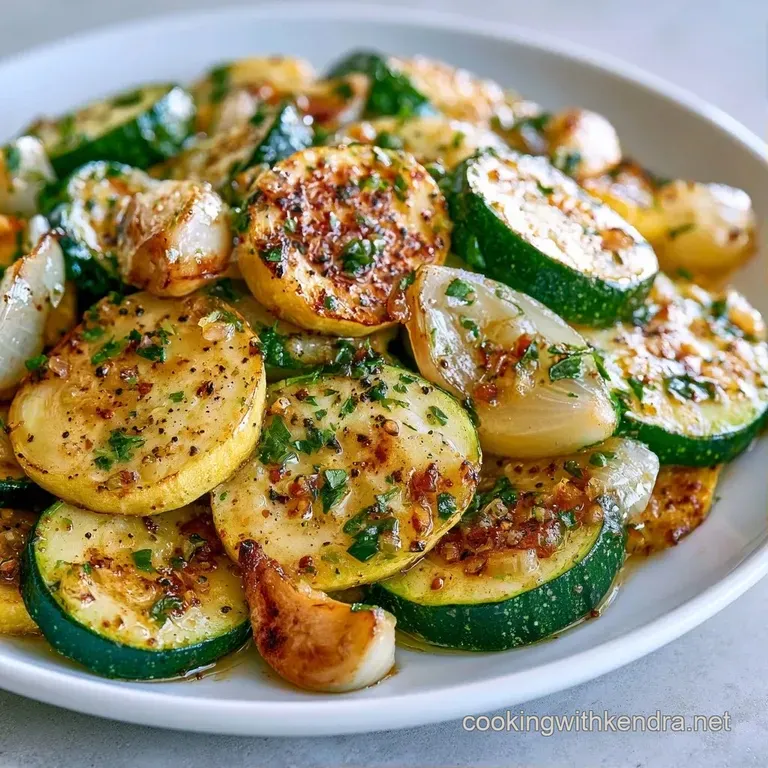
Let's crack on with the process. Follow these steps for a consistent result.
- Preheat your oven to 425°F (218°C) and line a large rimmed baking sheet with parchment paper.
- Slice the summer squash into halves lengthwise, then cut those halves into quarters to create spears.
- In a large mixing bowl, toss the squash spears and onion wedges with olive oil, salt, and pepper until evenly coated.
- Arrange the vegetables on the prepared baking sheet in a single layer, ensuring pieces are not touching to prevent steaming.
- Roast for 15-18 minutes until the edges turn a deep mahogany color and the squash shrinks slightly.
- Remove the pan from the oven and drizzle the melted butter and minced garlic directly over the hot vegetables, tossing gently to coat.
- Return the pan to the oven for 2-3 minutes until the garlic smells fragrant but isn't brown.
- Remove from heat and immediately garnish with chopped fresh parsley and grated Parmesan cheese.
Chef's Note: If you want the garlic to be more subtle, you can stir it into the melted butter before drizzling. This distributes the flavor more evenly.
Solving Common Squash Issues
The biggest struggle with this dish is usually the texture. If your squash comes out too wet, it's almost always because the pan was too crowded. When the vegetables touch, they release steam that gets trapped, essentially boiling the squash in its own juice.
Another issue is the garlic. Garlic burns fast at 425°F (218°C). If you add it at the start, you'll have bitter black bits. Always add it in the final few minutes.
Troubleshooting Common Issues
| Issue | Solution |
|---|---|
| Why Your Squash Is Too Soggy | Usually, this happens when the squash is cut too thin or the pan is overloaded. Ensure each piece has about half an inch of space around it. |
| Why Your Garlic Tastes Bitter | This is a sign of overcooking. Garlic only needs a couple of minutes at this temperature to release its oils. |
| Why the Cooking Is Uneven | If some pieces are brown and others are raw, your oven might have hot spots. Rotate the pan 180 degrees halfway through the first roasting phase. |
Fun Flavor Twists
This recipe is a great base, but you can easily change the vibe. For a Mexican inspired version, swap the Parmesan for Cotija cheese and add a squeeze of lime. This pairs great with Homemade Sopes for a full meal.
If you want an earthier profile, add a teaspoon of dried thyme or rosemary to the initial oil toss. For a sweet and savory kick, toss in some halved cherry tomatoes during the first 15 minutes of roasting. They'll burst and create a natural sauce.
If you're avoiding dairy, skip the butter and Parmesan. Use a drizzle of lemon juice and a sprinkle of nutritional yeast for that same salty, cheesy hit.
Keeping Leftovers Fresh
Roasted squash is best fresh, but it keeps well if you store it right. Put it in an airtight container and keep it in the fridge for up to 3 days.
Avoid the freezer. Squash has so much water that it will turn into a sponge when thawed. It's just not worth it.
To reheat for maximum crunch, don't use the microwave. That will make it soft. Instead, pop it back in the oven or an air fryer at 350°F (180°C) for about 5 minutes. This dries the surface and brings back the browned edges.
For zero waste, take any leftover onion wedges or squash scraps and throw them into a freezer bag. Once the bag is full, simmer them with some water and herbs for a quick vegetable broth.
What to Serve Alongside
Since this is a light, savory side, it works best with proteins that have a bit of richness. I love serving it next to a seared salmon fillet or roasted chicken thighs.
If you want a full spread, it balances out a heavier pasta dish. For example, it provides a fresh contrast to a Italian Pasta Salad or a creamy shrimp dish.
Decision Shortcut:
- For more crunch: Cut the squash into thinner spears.
- For softer veg: Cut the squash into thicker chunks.
- For a punchy finish: Add a teaspoon of balsamic glaze after roasting.
Debunking Squash Myths
You don't need to peel summer squash. The skins are thin and hold the spears together during roasting. If you peel them, the squash is more likely to collapse into mush.
Some people think you should salt the squash and let it sit to "draw out water." While this works for sautéing, it's unnecessary for roasting at 425°F (218°C) because the oven does that work for you in minutes.
Recipe FAQs
How to cook summer squash so it's not mushy?
Roast at 425°F in a single layer. Ensure pieces are not touching to prevent steaming and avoid cutting the spears too thin.
Can I use different types of summer squash together?
Yes, a mixture of yellow squash and zucchini is recommended. This creates visual variety and a subtle depth of flavor in the final dish.
Should I peel the squash?
No, keep the skin on. The peel provides essential structural integrity and prevents the spears from collapsing during the roasting process.
What if my squash slices are too thick?
Increase the roasting time slightly. Monitor the edges closely to ensure they reach a deep mahogany color without overcooking the core.
What's the best way to cook a summer squash?
High-heat roasting with a garlic-butter finish. This method caramelizes the exterior while keeping the interior tender. If you enjoy balancing rich fats with fresh herbs, you'll see a similar flavor profile in our French classic.
What seasoning goes well with summer squash?
Garlic, Parmesan, and fresh parsley. These savory elements enhance the natural sweetness of the squash without overpowering it.
Can I prep the squash ahead of time?
Yes, but toss with oil and salt right before roasting. Salting the squash too early draws out moisture, which can lead to a soggy texture.
Summer Squash with Garlic in 25 Minutes