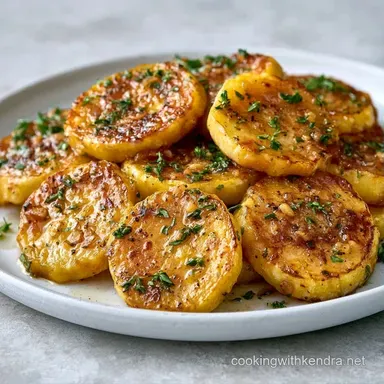
Garlic Herb Roasted Summer Squash: Zesty and Charred
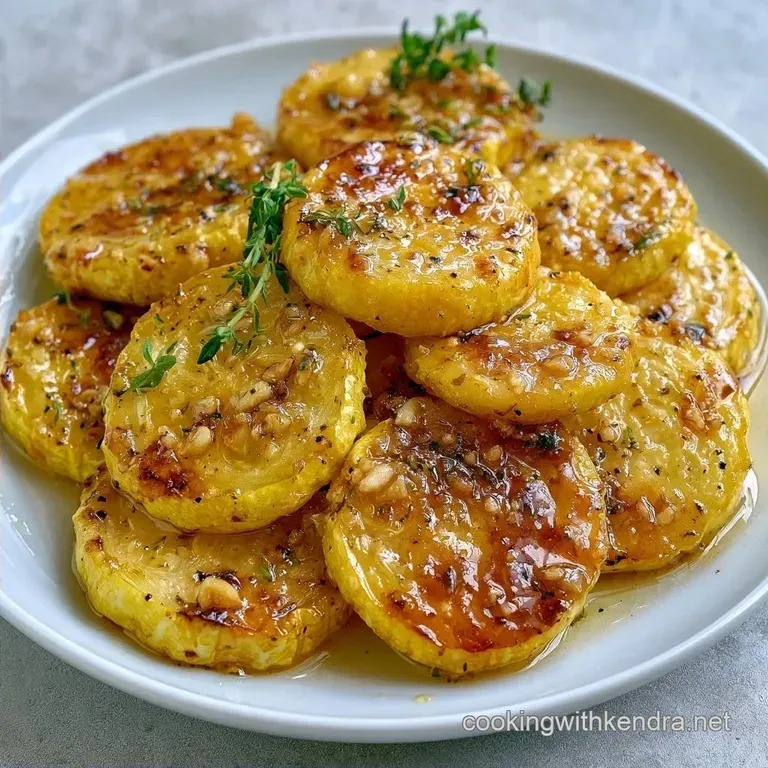
- Time: 10 min active + 20 min roasting
- Flavor/Texture Hook: Mahogany edges with a bright lemon zing
- Perfect for: Summer garden parties or fast weeknight dinners
- Garlic Herb Roasted Summer Squash
- Why High Heat Works
- What Each Ingredient Does
- What You'll Need
- Gear for the Job
- From Prep to Plate
- Fixing Common Problems
- Troubleshooting Common Issues
- Customizing Your Roast
- Scaling Your Portions
- Squash Myths Debunked
- Storage and Waste Tips
- Perfect Side Pairings
- Recipe FAQs
- 📝 Recipe Card
Garlic Herb Roasted Summer Squash
The smell of roasting garlic and dried oregano hitting a hot oven is basically the scent of August for me. I remember hosting a small dinner on my patio last year where the humidity was thick, and nobody wanted a heavy meal.
I popped these in the oven, and within twenty minutes, the aroma drew everyone from the porch into the kitchen.
It is easy to overthink vegetables, but the goal here is simple. You want that specific contrast where the center is tender but the edges have a deep, caramelized char. This is not just "baked squash," it is a concentrated burst of summer flavor.
You can expect a dish that feels light but tastes rich. The addition of Parmesan and lemon at the very end wakes up the earthy herbs and stops the dish from feeling one dimensional.
Why High Heat Works
- 425°F Temperature: This high heat evaporates surface moisture instantly, which lets the squash brown instead of boiling in a pool of water.
- Uniform Cutting: Keeping pieces at 3/4 inch ensures everything hits that mahogany color at the same time.
| Fresh Squash | Pre cut/Frozen | Impact on Texture | Best For |
|---|---|---|---|
| Firm, high water control | Higher moisture, softer | Pre cut often steams | Quality results |
| Vibrant color | Duller yellow/green | Frozen becomes mushy | Quick prep |
| Natural sugars | Lost sugars | Less caramelization | Budget meals |
What Each Ingredient Does
| Ingredient | What It Does | Best Swap |
|---|---|---|
| Olive Oil | Carries heat and herbs | Avocado oil (high smoke point) |
| Smoked Paprika | Adds a wood fired depth | Cumin for an earthy twist |
| Parmesan | Provides salt and umami | Nutritional yeast (vegan) |
| Lemon Juice | Cuts through the fat | Lime juice or apple cider vinegar |
What You'll Need
Grab these items from your pantry. I suggest using a high-quality extra virgin olive oil here because it tastes a bit more peppery and fresh.
- 2 lbs summer squash Why this? Yellow squash holds its shape better than zucchini.
- 1/2 tsp kosher salt
- 1/4 tsp cracked black pepper
- 3 tbsp extra virgin olive oil
- 4 cloves garlic, minced finely Why this? Fresh garlic is non negotiable for the aroma.
- 1 tsp dried thyme
- 1 tsp dried oregano
- 1/2 tsp smoked paprika
- 1/4 cup grated Parmesan cheese
- 1 tbsp fresh lemon juice
- 1 tbsp fresh parsley, chopped
Gear for the Job
You don't need a fancy setup for this. A large rimmed baking sheet is the most important piece of gear. If you use a pan with low sides, the oil might splatter, and you'll end up cleaning the bottom of your oven.
I prefer a large mixing bowl for tossing the vegetables. This ensures every piece of squash is fully coated in the garlic herb oil before it hits the pan. A sharp chef's knife or a mandoline works for the slices, but a knife gives you better control over the thickness.
From Prep to Plate
Follow these steps closely. The timing is tight, so have your Parmesan and lemon ready before the timer goes off.
- Wash and dry the squash thoroughly. Note: Wet squash will steam rather than roast. Cut the squash into uniform 3/4 inch thick halves or rounds.
- In a large mixing bowl, whisk together the olive oil, minced garlic, thyme, oregano, and smoked paprika.
- Toss the squash pieces in the herb mixture until well coated, then fold in the salt and pepper.
- Spread the seasoned squash in a single layer on a prepared baking sheet. Ensure no pieces overlap.
- Roast at 425°F (218°C) for 15–20 minutes. Flip the pieces halfway through until the edges are mahogany colored.
- Immediately sprinkle with grated Parmesan and drizzle with fresh lemon juice while the squash is hot. Note: The heat melts the cheese slightly into the crust.
- Garnish with chopped fresh parsley before serving.
Chef's Note: If you have a convection oven, use it. The moving air helps dry out the surface of the squash even faster for a crispier edge.
Fixing Common Problems
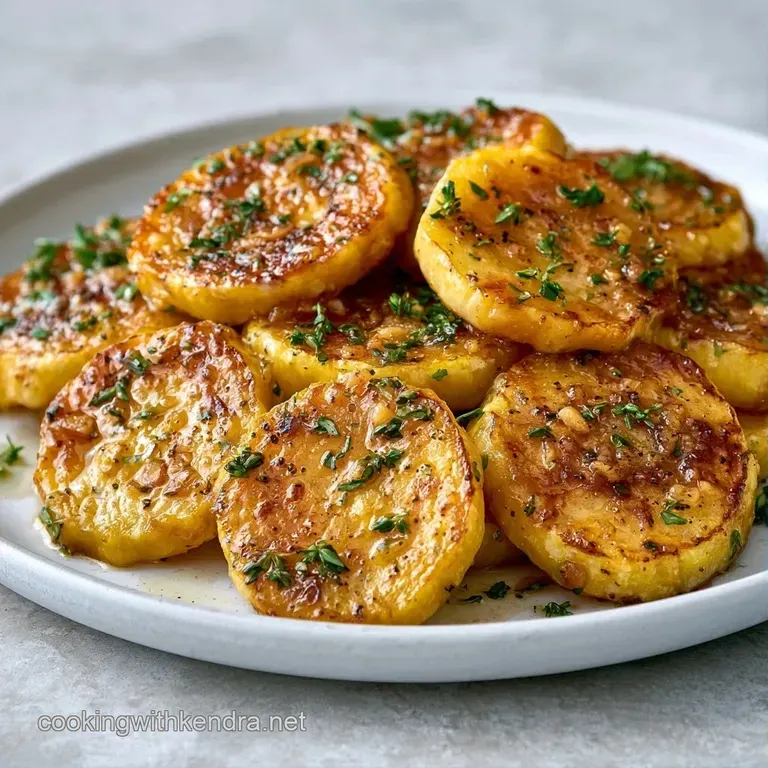
The biggest struggle with summer squash is the water content. It's basically a sponge. If you crowd the pan, you aren't roasting; you're steaming. You'll see the squash look translucent and soft instead of browned.
Another issue is the garlic. Since we use minced garlic, it can burn if the oven is too hot or the pieces are too small. If you smell something acrid instead of nutty, your garlic has crossed the line.
Troubleshooting Common Issues
| Issue | Solution |
|---|---|
| Why Your Squash Is Mushy | This usually happens because of overcrowding or too much salt added too early. Salt draws out moisture. If the pieces are touching, that moisture stays on the pan and boils the vegetables. |
| Why Your Garlic Burned | Small mince sizes burn faster. If you're roasting for longer than 20 minutes, try slicing the garlic into thin slivers instead of mincing it. |
| Why the Flavor Is Bland | Under seasoning is common. The squash is mild, so it needs that hit of lemon and salt at the end to pop. |
Customizing Your Roast
You can easily tweak this to fit your diet. If you're going vegan, swap the Parmesan for a sprinkle of nutritional yeast or a vegan almond based parm. It provides that same salty, nutty kick without the dairy.
For a more global flavor, replace the thyme and oregano with a mix of cumin and coriander. This turns the dish into something that pairs beautifully with a baked chicken breast or a bowl of quinoa.
If you want more texture, add a handful of panko breadcrumbs to the Parmesan. Toss them on in the last 5 minutes of roasting for a crunch that contrasts the tender squash.
Scaling Your Portions
Cutting the Recipe Down
If you're just cooking for one or two, use 1 lb of squash. Reduce the roasting time by about 20%, as a smaller volume of vegetables often cooks faster. Use a smaller sheet pan to keep the heat concentrated.
Doubling the Batch
When doubling to 4 lbs of squash, do not use one giant pan. You'll end up with a soggy mess. Divide the squash across two separate baking sheets. I only increase the salt and spices to 1.5x rather than 2x, as the flavors concentrate during roasting.
Keep the oven temp at 425°F, but check them 5 minutes early. With two pans in the oven, the airflow changes, and you might need to swap the rack positions halfway through.
Squash Myths Debunked
Some people think you need to peel summer squash. You don't. The skin is thin and contains most of the nutrients and color. Peeling it actually makes the squash more likely to collapse into mush.
Another common myth is that you should salt the squash and let it sit to "sweat" before roasting. While this works for sautéing, it's unnecessary for over high heat roasting. The oven does the drying for you.
Storage and Waste Tips
Store leftovers in an airtight container in the fridge for up to 3 days. When reheating, avoid the microwave. Pop them back in a 350°F oven or a dry skillet for 5 minutes to bring back some of that crispness.
This dish doesn't freeze well because the water content in the squash breaks down the cell walls, leaving it watery upon thawing. It's best enjoyed fresh.
To reduce waste, save the ends and peels of the squash. Toss them into a freezer bag with your other onion and carrot scraps. Once the bag is full, simmer them in water to make a light, nutritious vegetable stock.
Perfect Side Pairings
This dish is a versatile player. Because of the garlic and lemon, it cuts through rich proteins. It is a great partner for a creamy chicken fricassée where the acidity of the squash balances the sauce.
If you're keeping it plant based, serve this alongside a grilled tofu steak or a hearty lentil salad. The mahogany edges of the squash add a visual pop to a plate of greens. For a brunch vibe, pile the roasted squash on top of a piece of toasted sourdough with a poached egg.
Recipe FAQs
How to prepare marrow/zucchini/squash for cooking?
Wash and dry the squash thoroughly. Cut the vegetables into uniform 3/4 inch thick halves or rounds to ensure they cook evenly.
How long should I bake zucchini?
Roast for 15–20 minutes at 425°F. Flip the pieces halfway through the cooking time until the edges reach a mahogany color.
What is the best way to season zucchini?
Toss with olive oil, garlic, thyme, oregano, and smoked paprika. Finish the dish with fresh lemon juice and grated Parmesan immediately after roasting to brighten the flavor.
How to cook zucchini and squash?
Spread seasoned pieces in a single layer on a baking sheet. Ensure no pieces overlap, as overcrowding traps moisture and makes the vegetables mushy.
What is the best way to preserve squash and zucchini?
Store leftovers in an airtight container in the fridge for up to 3 days. Reheat them in a 350°F oven or a dry skillet for 5 minutes to restore crispness.
Is it true that zucchini can be frozen for long-term storage?
No, this is a common misconception. The high water content breaks down the cell walls during freezing, which leaves the squash watery upon thawing.
What is a good substitute for zucchini in recipes?
Yellow summer squash is the best direct replacement. If you enjoyed the fresh herb profile here, you can apply similar seasoning logic to our savory shiitake pizza.
Crispy Garlic Herb Roasted Summer Squash