Homemade Cinnamon Rolls: Pillowy Soft
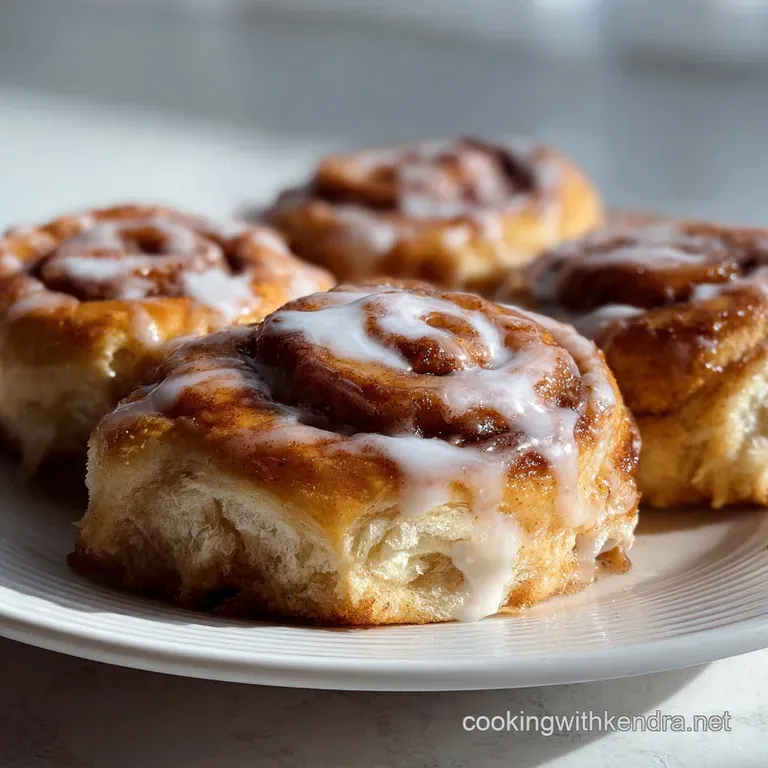
- Time: Active 45 minutes, Passive 2 hours 10 mins, Total 2 hours 55 mins
- Flavor/Texture Hook: Pillowy soft crumb with a velvety, tangy glaze
- Perfect for: Slow holiday mornings or impressive weekend brunches
- The Science of Perfect Homemade Cinnamon Rolls
- The Culinary Physics of Ultra Soft Dough
- Selecting the Finest Components for Richer Dough
- Timing and Temperature Benchmarks for Success
- Ingredients & Substitutes
- Essential Tools for Smooth Baking
- A Step by Step Guide to Rolling
- Fixing Dense Dough and Flawless Rising
- Scaling Your Batch Size
- Debunking Cinnamon Roll Myths
- Maintaining Freshness and Freezing for Later
- Irresistible Pairings for Ultimate Comfort Breakfast
- Homemade Cinnamon Rolls FAQs
- 📝 Recipe Card
The Science of Perfect Homemade Cinnamon Rolls
Nothing beats that first wafting scent of yeast and warm spice filling the kitchen on a Saturday morning. I remember the first time I tried making these, I ended up with rolls that were more like cinnamon flavored stones than clouds.
It was heartbreaking, but it taught me that moisture is the real secret to a roll that actually melts in your mouth.
You want a dough that feels alive under your hands, not something stiff and stubborn. We've all been there, staring at a recipe that promises the world but delivers a dry bun that needs a gallon of coffee just to swallow. This method changes that by focusing on how the flour interacts with liquid right from the start.
We're going to use a little trick called a Tangzhong, which sounds fancy but is just a simple flour paste. It's the difference between a roll that’s stale by noon and one that stays tender for three days.
Trust me, once you see that dough pull away from the bowl in silky ribbons, you'll never go back to the standard way of mixing.
The Culinary Physics of Ultra Soft Dough
The Science of Why it WorksStarch Gelatinization: Pre cooking a portion of flour and milk creates a gel that locks in moisture, allowing the dough to hold more liquid without becoming sticky.
This high hydration level prevents the proteins from drying out during the baking process, resulting in a significantly softer crumb.
Leveraging the Tangzhong Method
This technique is a total game changer for anyone who struggles with bread that turns into a brick. By heating 45g of all purpose flour with 120ml of whole milk, you create a roux that traps water molecules inside the starch.
Because the water is trapped, it doesn't interfere with the gluten formation later on, giving you a dough that is both strong and incredibly hydrated.
Maximizing Flavor with Cold Fermentation
If you have the patience, letting this dough rest in the fridge overnight develops a much deeper flavor profile. The yeast works more slowly at cold temperatures, producing complex esters and organic acids that you just can't get in a quick two hour rise.
It’s the difference between a "good" roll and one that tastes like it came from a professional boutique bakery.
Balancing the Spice to Sugar Ratio
The contrast between the sharp bite of cinnamon and the deep, molasses rich sweetness of brown sugar is what makes the filling sing. I like to add a pinch of nutmeg to ground the sweetness, giving it a cozy, Southern style depth.
It’s all about creating layers of flavor so that every bite offers something more than just a sugar rush.
| Method Type | Prep Time | Texture Result | Best For |
|---|---|---|---|
| Classic Tangzhong | 2 hours 55 mins | Pillowy, stays soft for days | Gift giving or holidays |
| Fast Standard Rise | 1 hour 45 mins | Slightly drier, more bread like | Immediate cravings |
| Overnight Cold Proof | 12 hours + | Deep, fermented flavor profile | Stress free morning bakes |
Adding that extra step with the starter might seem like a chore, but the results are undeniable. You'll notice the dough has a certain "bounce" that standard recipes lack. If you love working with dough and want to see how this hydration science applies to other bakes, you might also enjoy my Dinner Rolls Recipe.
Selecting the Finest Components for Richer Dough
Chef's Tip: Freeze your butter for 10 minutes then grate it into the flour for the filling. This creates tiny pockets of steam that make the swirl extra gooey instead of just oily.
The ingredients you choose are the foundation of everything. Using bread flour instead of just all purpose gives us the protein strength needed to support all that butter and sugar. I always reach for cane sugar because it has a slightly higher moisture content and a richer flavor than standard granulated white sugar.
| Ingredient | Science Role | Pro Secret |
|---|---|---|
| Bread Flour (580g) | High protein for gluten | Weigh it to avoid dense rolls |
| Instant Yeast (7g) | Carbon dioxide production | Check expiration for a reliable rise |
| Whole Milk (300ml total) | Fat softens the crumb | Use room temp to keep yeast happy |
For the fats, unsalted butter is non negotiable because it allows us to control the seasoning precisely. When you use salted butter, you never quite know how much salt you're adding to the yeast, which can sometimes slow down the fermentation.
If you find yourself wanting to experiment with different fats, keep in mind that swapping butter for oil will make the roll softer but you'll lose that unmistakable buttery aroma.
Timing and Temperature Benchmarks for Success
- Internal Temperature: Aim for 190°F (88°C) in the center of the middle roll for a fully baked but moist interior.
- Proofing Environment: A draft free spot at 75°F to 80°F is the "sweet spot" for a steady, consistent rise.
- Dough Thickness: Roll your rectangle to exactly 1/4 inch thick to ensure an even ratio of dough to filling.
Ingredients & Substitutes
- Bread Flour (580g): Why this? Higher protein ensures the rolls rise tall and stay sturdy enough for the filling.
- Substitute: All purpose flour. Note: The rolls will be slightly shorter and less "chewy."
- Whole Milk (300ml): Why this? The fat content provides a rich, velvety mouthfeel and tenderizes the gluten.
- Substitute: Oat milk (full fat). Note: Adds a slight cereal like sweetness.
- Cane Sugar (50g): Why this? Provides food for the yeast and a subtle sweetness to the dough itself.
- Substitute: Honey. Note: Use 40g and reduce milk by 10ml to compensate for moisture.
- Instant Yeast (7g): Why this? Allows for a faster rise without needing to bloom in water first.
- Substitute: Active Dry Yeast. Note: Must be dissolved in the warm milk first until foamy.
- Unsalted Butter (170g total): Why this? Creates the characteristic "enriched" texture that defines a classic cinnamon bun.
- Substitute: Virgin coconut oil. Note: Will add a distinct tropical flavor.
- Light Brown Sugar (150g): Why this? The molasses content creates a syrupy, gooey filling during the bake.
- Substitute: Dark brown sugar. Note: Will yield a much more intense, smoky molasses flavor.
- low-fat Cream Cheese (115g): Why this? Provides the signature tang to cut through the heavy sugar of the rolls.
- Substitute: Mascarpone. Note: Much richer and less tangy, more like a dessert cream.
- Vanilla Bean Paste (1 tsp): Why this? Those tiny black flecks offer a visual cue of high-quality, intense flavor.
- Substitute: Pure vanilla extract. Note: Use the same amount, but the flavor is less concentrated.
Essential Tools for Smooth Baking
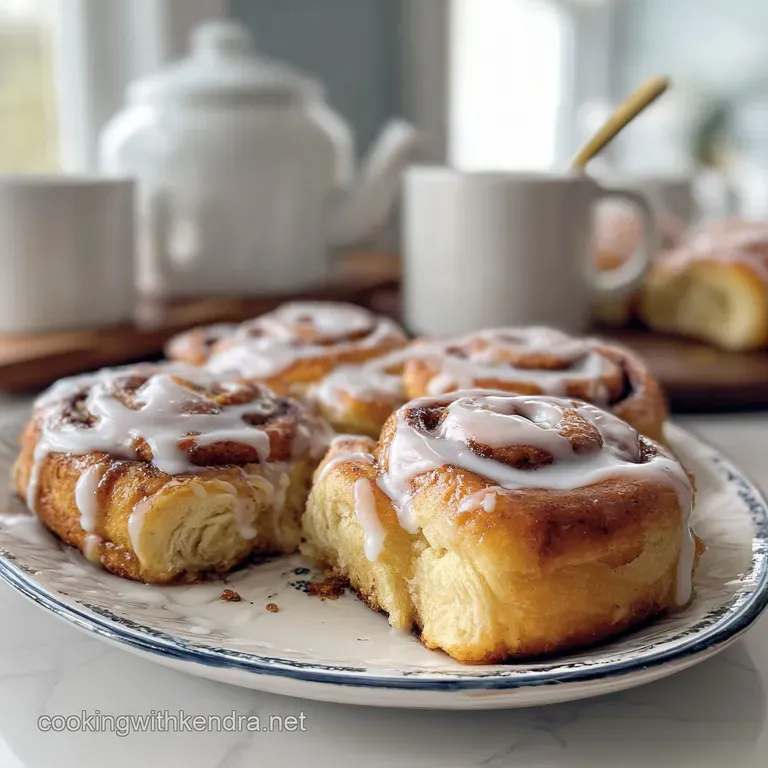
You don't need a professional bakery setup to get these right, but a few specific tools make the process much less stressful. A heavy duty stand mixer (such as KitchenAid) is a lifesaver for enriched doughs because they require a lot of kneading to incorporate the butter.
If you're doing this by hand, be prepared for a workout - it’s a sticky job but very rewarding.
A digital scale is my number one recommendation for any baker. Measuring flour by the cup is notoriously inaccurate, and even an extra ounce of flour can turn your rolls from pillowy to parched. For the baking dish, I prefer a heavy ceramic or glass 9x13 inch pan.
These materials distribute heat more evenly than thin metal pans, which can sometimes scorch the bottoms of the rolls before the centers are done.
A step-by-step Guide to Rolling
Preparing the Tangzhong Starter
Whisk 45g all purpose flour and 120ml whole milk in a small saucepan over medium heat. Stir constantly until the whisk leaves tracks in a thick, translucent paste. Note: This should only take about 2 minutes; don't let it brown.
Mixing the Enriched Dough
In your mixer bowl, combine the warm Tangzhong with 180ml warm milk, 50g cane sugar, and 7g yeast. Add the egg, 580g bread flour, and 1 tsp sea salt, mixing with the dough hook until a shaggy mass forms.
Developing the Dough Structure
With the mixer on low, add 85g softened butter one tablespoon at a time. Increase speed to medium and knead for about 8 to 10 minutes until the dough is smooth, elastic, and clears the sides of the bowl.
Managing the First Rise
Place the dough in a lightly oiled bowl and cover with a damp cloth. Let it sit in a warm spot for about 60 to 90 minutes until it has doubled in size and looks puffy.
Creating the Reduced Sugar Filling
While the dough rises, mix 150g light brown sugar, 3 tbsp cinnamon, and 1/4 tsp nutmeg in a small bowl. Ensure your 55g of filling butter is soft enough to spread like mayo.
Laminating the Cinnamon Swirl
Punch down the risen dough and roll it out on a lightly floured surface into a 12x18 inch rectangle. Spread the soft butter edge to edge and sprinkle the sugar mixture evenly until no dough is visible beneath the spice.
Executing the Precision Cut
Roll the dough tightly starting from the long edge. Use unflavored dental floss or a very sharp serrated knife to cut into 12 even pieces until you see the clean, tight spirals of each roll.
Achieving the Golden Bake
Place rolls in a greased 9x13 pan and let rise again for 45 minutes. Bake at 350°F for 22 to 25 minutes until the tops are golden brown and the house smells like a dream.
Preparing the Velvety Cream Icing
Whisk 115g cream cheese, 30g butter, 90g powdered sugar, vanilla bean paste, and 2 tbsp milk. Spread over the rolls while they are still warm so the icing melts into the swirls.
Fixing Dense Dough and Flawless Rising
Why Your Rolls Are Hard
If your rolls come out of the oven feeling more like dinner rolls than dessert, the culprit is usually over flouring. It’s tempting to keep adding flour when the dough feels sticky, but that stickiness is actually the hydration we need. Use a scale to be sure.
Another reason is over baking; even 2 minutes too long can dry out the delicate crumb.
| Problem | Root Cause | Solution |
|---|---|---|
| Rolls didn't rise | Yeast was killed by hot milk | Ensure milk is between 105°F-115°F |
| Filling leaked out | Butter was melted, not softened | Use "room temp" butter that holds its shape |
| Centers popped up | Rolled too tightly | Leave a little "breathing room" when rolling |
Common Mistakes Checklist
- ✓ Never use cold eggs; they can seize the softened butter in the dough.
- ✓ Always check your yeast by blooming it in a little warm milk if it’s older than 3 months.
- ✓ Don't skip the second rise; this is where the light, airy texture is actually created.
- ✓ Avoid using too much flour on your work surface - use just enough to prevent sticking.
- ✓ Let the rolls cool for at least 10 minutes before icing so the glaze doesn't just run off.
For an extra drizzle of sweetness on top of the cream cheese, try making a Cinnamon Syrup Recipe to serve on the side. It adds that "Starbucks" level of decadence to the plate.
Scaling Your Batch Size
When you want to feed a crowd, doubling this recipe is fairly straightforward. However, don't just double the yeast; 1.5x the yeast (about 10-11g) is usually enough for a double batch of dough. Use two separate 9x13 pans rather than one giant one to ensure the middle rolls cook through at the same rate as the edges.
If you’re scaling down for a small household, halving the recipe works perfectly. Since it calls for one egg, simply whisk the egg in a small bowl and use half of it (about 25g). You can bake a half batch in an 8 inch square pan or a round cake pan for a beautiful "flower" arrangement of rolls.
| Original Batch (12) | Large Batch (24) | Small Batch (6) |
|---|---|---|
| 580g Bread Flour | 1160g Bread Flour | 290g Bread Flour |
| 1 Large Egg | 2 Large Eggs | 1/2 Large Egg (whisked) |
| 9x13 inch Pan | Two 9x13 inch Pans | 8 inch Round Pan |
Debunking Cinnamon Roll Myths
Many people believe you have to "bloom" instant yeast in water before adding it to the flour. This is actually unnecessary; instant yeast is designed to be mixed directly with dry ingredients. As long as your liquid is warm, the yeast will activate just fine once the dough is mixed.
Another common myth is that more cinnamon equals more flavor. In reality, too much cinnamon can actually inhibit yeast growth because it has mild antifungal properties. Stick to the 3 tablespoons in the filling; it’s the perfect amount to provide that spicy "shatter" of flavor without messing with the rise of your dough.
Maintaining Freshness and Freezing for Later
Storage Guidelines Store baked rolls in an airtight container at room temperature for up to 2 days. If you've already iced them, they are best kept in the fridge for up to 4 days.
To reheat, pop a roll in the microwave for 15 to 20 seconds; this softens the fats and brings back that "just baked" velvety texture.
Freezing and Zero Waste You can freeze unbaked, shaped rolls for up to 2 months. When you're ready to bake, let them thaw and rise in the fridge overnight, then bring them to room temperature for an hour before hitting the oven.
For any leftover "scraps" of dough from trimming the ends of your log, don't toss them! Tuck them into a muffin tin to make "mini rolls" or "cinnamon monkeys" for a quick snack.
Irresistible Pairings for Ultimate Comfort Breakfast
These rolls are the star of the show, but they play well with others. A sharp, acidic coffee or a strong black tea provides a wonderful contrast to the rich, buttery sweetness. If you want to lean into the seasonal vibes, serving these alongside something tart like a Spiced Fig Jam or even a fresh fruit salad helps balance the palate.
Instead of traditional filling, you could use Pistachio Paradise My recipe for a nutty twist that feels incredibly sophisticated. The green of the pistachio against the golden dough is visually stunning and tastes like a high end pastry shop creation. Whether you stick to the classic cinnamon or branch out, the most important thing is that the dough remains the soft, pillowy hero of your breakfast table.

Homemade Cinnamon Rolls FAQs
What is the best way to get soft, pillowy cinnamon rolls?
Use the Tangzhong method. This technique pre-cooks a portion of the flour and milk into a paste, which locks in moisture and results in a significantly softer, tenderer crumb that stays fresh longer.
Why are my cinnamon rolls dense and dry?
Likely over floured or over baked. Too much flour makes the dough dry, while even a few extra minutes in the oven can bake out the moisture. Always weigh your flour and use an internal temperature of 190°F (88°C) as a guide.
Can I make cinnamon rolls ahead of time?
Yes, shape and refrigerate them. Shape the rolls and place them in their baking pan, then cover tightly and refrigerate for up to 12 hours before baking. They will continue to rise slowly overnight.
How do I prevent my cinnamon roll filling from leaking out?
Use softened, not melted, butter for the filling. Melted butter will absorb into the dough too quickly, causing the sugar and cinnamon mixture to liquefy and run out during baking.
Is it true that too much cinnamon can ruin my rolls?
No, but excessive amounts can affect the rise. Cinnamon has mild antifungal properties that can inhibit yeast activity if used in extreme quantities. Stick to the recipe's recommended amount for the best flavor and rise.
How can I store and reheat leftover cinnamon rolls?
Store airtight and reheat gently. Keep unfrosted rolls at room temperature for up to 2 days, or frosted rolls in the fridge for up to 4 days. Microwave for 15-20 seconds to soften them back to a velvety texture.
What are some interesting flavor variations for cinnamon rolls?
Consider a nutty twist or seasonal spices. Instead of cinnamon, try a filling made from my Dreamy Homemade Pistachio Butter Ready in Minutes, or add pumpkin pie spice for a fall favorite.
Homemade Cinnamon Rolls

Ingredients:
Instructions:
Nutrition Facts:
| Calories | 434 kcal |
|---|---|
| Protein | 9.1 g |
| Fat | 15.4 g |
| Carbs | 65.6 g |
| Fiber | 2.5 g |
| Sugar | 24.2 g |
| Sodium | 242 mg |
